
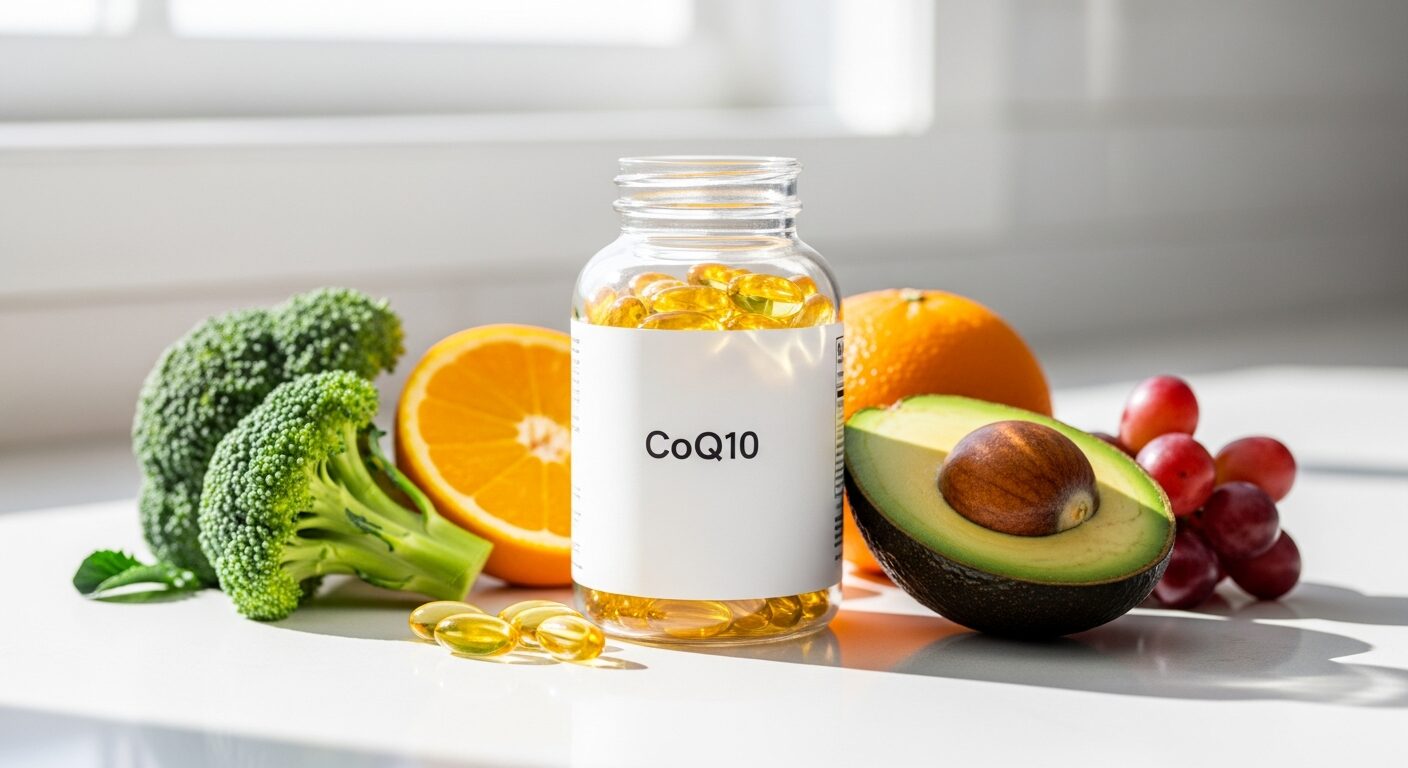
When it comes to cellular energy and antioxidant protection, two supplements frequently dominate the conversation: Coenzyme Q10 (CoQ10) and Pyrroloquinoline quinone (PQQ). While both play crucial roles in mitochondrial function and energy production, they work through distinctly different mechanisms and offer unique benefits that many people don’t fully understand.
The confusion between these two powerhouse compounds is understandable—both are involved in cellular energy metabolism, both offer antioxidant properties, and both have gained significant attention in the longevity and wellness communities. However, understanding their key differences is essential for making informed decisions about which supplement might best serve your health goals.
This comprehensive guide will cut through the marketing hype and scientific jargon to provide you with evidence-based insights into CoQ10’s true benefits, common misconceptions, and practical considerations for supplementation.
🌿 Looking for CoQ10 supplements? Shop Amazon →
Contents
What is CoQ10
Coenzyme Q10, also known as ubiquinone or ubiquinol, is a naturally occurring compound found in virtually every cell of the human body. It exists primarily within the mitochondria—the cellular powerhouses responsible for producing adenosine triphosphate (ATP), the energy currency that fuels all biological processes.
CoQ10 serves two primary functions in the body. First, it acts as a critical component in the electron transport chain, facilitating the production of ATP through oxidative phosphorylation. Second, it functions as a potent lipid-soluble antioxidant, protecting cell membranes and mitochondria from oxidative damage caused by free radicals.
The body naturally produces CoQ10, with peak production typically occurring in our twenties. However, levels begin to decline with age, and by age 40, many people have 25% less CoQ10 than they did in their youth. This decline becomes more pronounced with advancing age, reaching deficits of up to 65% by age 80. Additionally, certain medications, particularly statin drugs, can significantly deplete CoQ10 levels, making supplementation a consideration for many individuals.
CoQ10 is found naturally in foods such as organ meats, fatty fish, nuts, and seeds, but obtaining therapeutic amounts through diet alone is challenging. This is where supplementation becomes valuable, offering concentrated doses that can help restore optimal cellular levels.
Key Benefits of CoQ10
The scientific literature surrounding CoQ10 reveals several well-documented benefits, particularly in areas where mitochondrial function and oxidative stress play significant roles.
Cardiovascular health represents one of the most robust areas of CoQ10 research. The heart, being one of the most metabolically active organs, contains high concentrations of mitochondria and consequently requires substantial amounts of CoQ10. Clinical studies have demonstrated that CoQ10 supplementation can improve heart function in individuals with heart failure, reduce blood pressure in hypertensive patients, and support overall cardiovascular health. Mortensen et al. demonstrated significant improvements in cardiovascular outcomes with CoQ10 supplementation, 2014.
Energy production and fatigue reduction constitute another primary benefit area. By supporting mitochondrial function and ATP synthesis, CoQ10 can help combat cellular energy deficits that manifest as fatigue and reduced physical performance. This is particularly relevant for individuals experiencing age-related energy decline or those with conditions affecting mitochondrial function.
Antioxidant protection represents a crucial but often overlooked benefit of CoQ10. Unlike many antioxidants that work in either water-soluble or fat-soluble environments, CoQ10 can function in both, providing comprehensive cellular protection. It helps neutralize free radicals and can regenerate other antioxidants like vitamin E, creating a synergistic antioxidant network.
Neurological support is an emerging area of CoQ10 research. The brain’s high energy demands and susceptibility to oxidative damage make it particularly responsive to CoQ10 supplementation. Studies suggest potential benefits for neurodegenerative conditions, cognitive function, and migraine prevention, though more research is needed to fully establish these effects.
What Most People Get Wrong About CoQ10
Despite its popularity, several persistent misconceptions about CoQ10 continue to circulate, leading to unrealistic expectations and suboptimal supplementation strategies.
The first major misconception is that all CoQ10 supplements are created equal. Many people assume that grabbing any CoQ10 supplement off the shelf will provide the same benefits, but this couldn’t be further from the truth. CoQ10 exists in two primary forms: ubiquinone (the oxidized form) and ubiquinol (the reduced, active form). While the body can convert ubiquinone to ubiquinol, this conversion becomes less efficient with age and illness. Additionally, CoQ10 is notoriously difficult to absorb due to its large molecular size and fat-soluble nature. High-quality supplements address this through specialized delivery systems, enhanced formulations, or the use of ubiquinol rather than ubiquinone.
Another widespread myth is that higher doses automatically translate to better results. Some people assume that if 100mg is good, then 400mg must be four times better. However, CoQ10 absorption follows a saturation curve—beyond a certain point, increasing the dose doesn’t proportionally increase blood levels. Studies show that doses above 300-400mg daily don’t typically provide additional benefits for most people, and the optimal dose varies based on individual factors including age, health status, and specific goals.
The third misconception involves timing and expectations. Many people expect immediate, noticeable effects from CoQ10, similar to what they might experience with caffeine or other stimulants. However, CoQ10 works at the cellular level to gradually restore mitochondrial function and antioxidant status. Meaningful changes typically occur over weeks to months, not days. This gradual improvement process often leads people to prematurely conclude that CoQ10 “doesn’t work” when they don’t feel different after a few days of supplementation.
Finally, there’s a common belief that CoQ10 supplementation is unnecessary if you’re young and healthy. While it’s true that younger individuals typically have higher natural CoQ10 levels, several factors can create premature deficiencies. These include genetic variations affecting CoQ10 synthesis, high physical or mental stress, certain medications, and environmental toxin exposure. Even some seemingly healthy individuals may benefit from CoQ10 supplementation, particularly if they experience unexplained fatigue or are taking medications known to deplete CoQ10.
What Happens to Your Body After 30 Days of Taking CoQ10
Understanding the timeline of CoQ10’s effects can help set realistic expectations and ensure consistent supplementation during the crucial initial period when benefits may not yet be apparent.
During the first week of supplementation, changes occur primarily at the cellular level and are typically not subjectively noticeable. CoQ10 levels in the blood begin to rise within 2-3 days, but tissue levels take longer to equilibrate. The supplement starts accumulating in mitochondria-rich tissues like the heart, liver, and brain. Some individuals with severe CoQ10 deficiencies might notice subtle improvements in energy levels, but most people won’t perceive significant changes during this initial period.
Week two often marks the beginning of noticeable improvements for many users. As tissue levels of CoQ10 continue to increase, mitochondrial function begins to improve measurably. Research indicates that plasma CoQ10 levels reach steady state after approximately two weeks of consistent supplementation, 2007. During this period, individuals might start experiencing reduced fatigue, particularly during physical activity. Sleep quality may also begin to improve as cellular energy metabolism becomes more efficient.
Weeks three and four typically represent the period when CoQ10’s full benefits become apparent. By this time, tissue saturation approaches optimal levels, and the compound’s antioxidant effects become more pronounced. Energy levels often show marked improvement, not just in terms of feeling less tired, but in having more sustained energy throughout the day. Physical exercise may feel less taxing, and recovery times might improve. Some individuals report improvements in mental clarity and focus, likely due to enhanced brain mitochondrial function.
For cardiovascular benefits, the timeline can extend beyond 30 days. While some improvements in heart function and blood pressure may be detectable within a month, more significant cardiovascular changes often require 2-3 months of consistent supplementation. This extended timeline reflects the time needed for cardiac tissue to fully benefit from improved CoQ10 status.
It’s important to note that individual responses vary considerably based on factors including baseline CoQ10 levels, age, health status, and the quality and form of supplement used. Some people, particularly those with genetic variants affecting CoQ10 synthesis or individuals taking statin medications, may experience more dramatic improvements, while others might notice subtler changes.
Who Should NOT Take CoQ10
While CoQ10 is generally considered safe for most people, certain individuals should exercise caution or avoid supplementation altogether without medical supervision.
Pregnant and breastfeeding women should avoid CoQ10 supplements unless specifically recommended by their healthcare provider. While CoQ10 is naturally present in the body and essential for normal cellular function, there isn’t sufficient safety data regarding supplemental doses during pregnancy and lactation. The developing fetus and nursing infant have specific nutritional needs, and any supplementation during these critical periods should be carefully evaluated by qualified healthcare professionals.
Individuals taking blood-thinning medications, particularly warfarin (Coumadin), need medical supervision before starting CoQ10. The supplement can potentially reduce the effectiveness of warfarin, requiring dosage adjustments to maintain proper anticoagulation. This interaction occurs because CoQ10 has a chemical structure similar to vitamin K, which plays a role in blood clotting. Regular monitoring of INR (International Normalized Ratio) levels is essential for anyone on anticoagulants who wishes to supplement with CoQ10.
People with diabetes should use caution with CoQ10 supplementation, as it may affect blood sugar levels. While some studies suggest CoQ10 might improve insulin sensitivity and glucose control, others indicate it could potentially lower blood sugar levels. Diabetic individuals, especially those on medication, should work with their healthcare provider to monitor blood glucose levels closely when starting CoQ10 supplementation.
Those scheduled for surgery should discontinue CoQ10 at least two weeks prior to the procedure. The supplement’s potential effects on blood clotting and blood sugar levels could complicate surgical procedures and recovery. Additionally, CoQ10 might interact with anesthesia or other medications used during surgery.
Individuals with low blood pressure should use CoQ10 cautiously, as the supplement can further reduce blood pressure levels. While this effect can be beneficial for those with hypertension, it might cause problems for people who already have low blood pressure, potentially leading to dizziness, fatigue, or fainting episodes.
Children should not be given CoQ10 supplements without specific medical recommendation and supervision. While CoQ10 deficiency disorders exist in pediatric populations, these require specialized medical management, and routine supplementation in healthy children is not recommended.
Dosage and Best Forms
Optimal CoQ10 dosing depends on individual factors including age, health status, specific goals, and the form of supplement chosen. For general health maintenance in healthy adults, doses typically range from 90-200mg daily. Individuals over 40 or those taking statin medications often benefit from higher doses in the 200-300mg range.
The form of CoQ10 significantly impacts its effectiveness. Ubiquinol, the reduced form, is generally better absorbed and more bioavailable than ubiquinone, particularly in older adults or those with absorption issues. However, high-quality ubiquinone formulations with enhanced delivery systems can also be effective and are often more affordable.
Taking CoQ10 with fat-containing meals significantly improves absorption, as it’s a fat-soluble compound. Dividing the daily dose into two smaller doses taken with meals can further optimize absorption and maintain more stable blood levels throughout the day.
Softgel capsules and liquid formulations typically offer better absorption than hard capsules or tablets. Some manufacturers use specialized technologies like liposomal delivery or nano-emulsion to enhance bioavailability further.
🌿 Looking for CoQ10 Supplements?
Browse top-rated CoQ10 supplements, independently tested and recommended by our editorial team.
Affiliate disclosure: We may earn a small commission at no extra cost to you.
Frequently Asked Questions
Can I take CoQ10 with other supplements?
CoQ10 generally combines well with other supplements and may even enhance the effectiveness of some. It works synergistically with vitamin E, selenium, and other antioxidants. However, it’s important to space out supplements that compete for absorption, such as other fat-soluble vitamins, and always consult with a healthcare provider about your complete supplement regimen.
How long should I take CoQ10?
CoQ10 can be taken long-term as part of a health maintenance routine. Since the body’s natural production declines with age, ongoing supplementation may provide continued benefits. However, periodic evaluation with your healthcare provider is recommended to assess continued need and effectiveness.
Will CoQ10 interfere with my medications?
CoQ10 has relatively few medication interactions, but some important ones exist, particularly with blood thinners and certain chemotherapy drugs, 2005. Always inform your healthcare provider about CoQ10 supplementation, especially if you’re taking prescription medications.
Is expensive CoQ10 always better?
Price doesn’t always correlate with quality, but extremely cheap CoQ10 supplements often use poor-quality ingredients or inadequate delivery systems. Look for third-party tested products from reputable manufacturers, and consider the form (ubiquinol vs. ubiquinone) and bioavailability enhancing technologies rather than just price.
Can CoQ10 cause side effects?
CoQ10 is generally well-tolerated, but some people may experience mild side effects including digestive upset, headaches, or skin rash. These are typically dose-related and resolve with dosage reduction. Taking CoQ10 with food often minimizes digestive issues.
Medical Disclaimer
This article is for informational purposes only and is not intended to replace professional medical advice, diagnosis, or treatment. Always consult with a qualified healthcare provider before starting any new supplement regimen, especially if you have existing health conditions, are taking medications, or are pregnant or breastfeeding. The information presented here has not been evaluated by the Food and Drug Administration, and CoQ10 supplements are not intended to diagnose, treat, cure, or prevent any disease. Individual results may vary, and what works for one person may not work for another.