
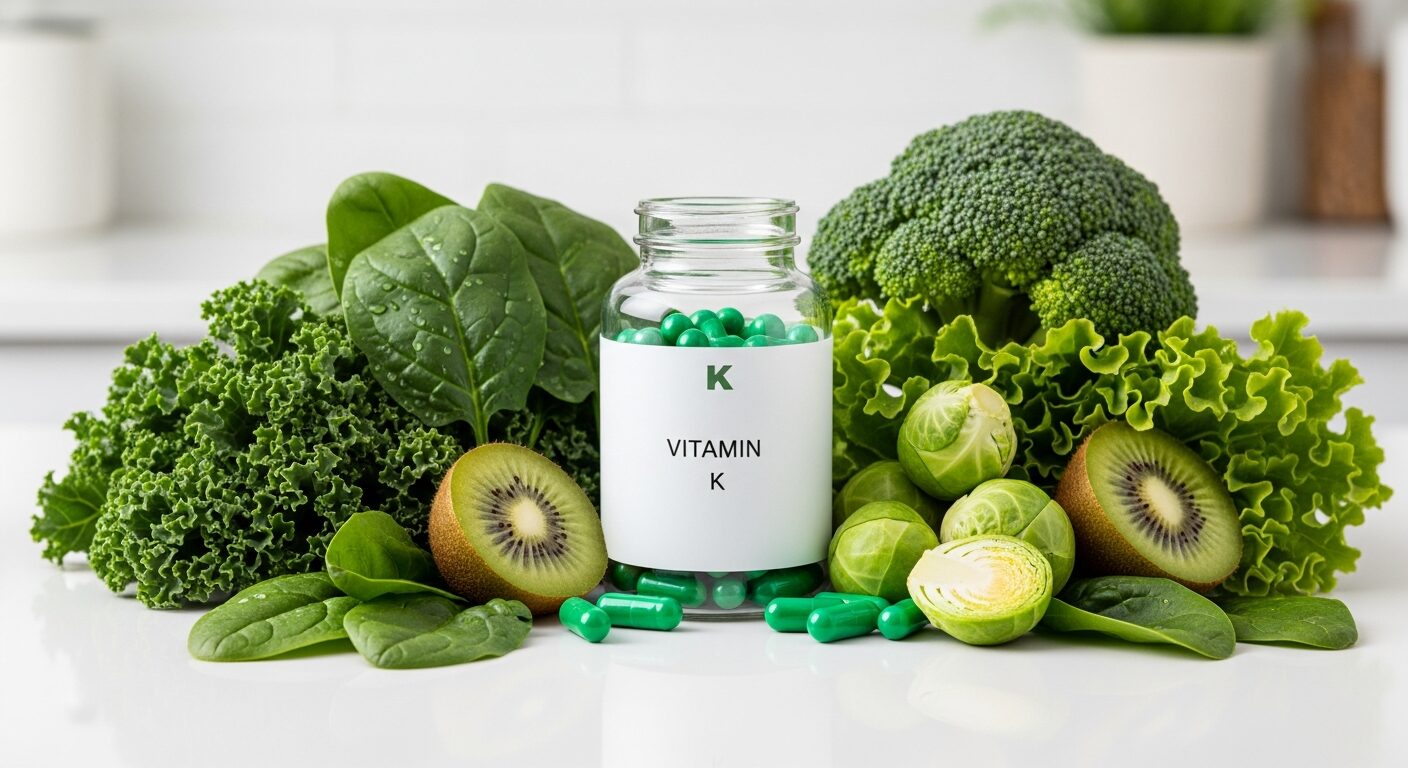
Vitamin K is an essential fat-soluble vitamin that plays crucial roles in blood clotting, bone health, and cardiovascular function. Despite its importance, many people are unaware of this vital nutrient and its impact on overall health. This comprehensive guide will explore everything you need to know about vitamin K, from its different forms and functions to dietary sources and supplementation considerations.
Contents
- 1 Understanding Vitamin K: The Basics
- 2 Types of Vitamin K
- 3 Essential Functions of Vitamin K
- 4 Dietary Sources of Vitamin K
- 5 Recommended Daily Intake
- 6 Vitamin K Deficiency
- 7 Vitamin K Supplementation
- 8 Safety and Interactions
- 9 Maximizing Vitamin K Absorption
- 10 Frequently Asked Questions
- 11 Medical Disclaimer
Understanding Vitamin K: The Basics
Vitamin K belongs to a group of fat-soluble vitamins that are essential for various biological processes in the human body. Unlike water-soluble vitamins that need regular replenishment, fat-soluble vitamins can be stored in the body’s fatty tissues and liver for extended periods.
The name “vitamin K” comes from the German word “Koagulation,” reflecting its primary role in blood coagulation. However, modern research has revealed that vitamin K’s functions extend far beyond blood clotting, making it a vital component of optimal health.
Types of Vitamin K
There are two main naturally occurring forms of vitamin K, each with distinct properties and sources:
Vitamin K1 (Phylloquinone)
Vitamin K1 is the most common form found in the diet and is primarily obtained from plant sources. Green leafy vegetables like spinach, kale, and broccoli are excellent sources of K1. This form is mainly involved in blood clotting processes and is readily absorbed when consumed with dietary fats.
Vitamin K2 (Menaquinone)
Vitamin K2 exists in several subtypes, with MK-4 and MK-7 being the most studied. K2 is found in fermented foods, animal products, and is also produced by beneficial bacteria in the human gut. Research suggests that K2 may be more effective than K1 for bone and cardiovascular health due to its longer half-life and better tissue distribution.
Essential Functions of Vitamin K
Blood Clotting
Vitamin K’s most well-established function is its role in blood coagulation. It serves as a cofactor for the enzyme that activates several clotting factors, including factors II, VII, IX, and X. Without adequate vitamin K, the blood cannot clot properly, leading to excessive bleeding even from minor injuries.
Bone Health
Vitamin K is essential for bone mineralization and strength. It activates osteocalcin, a protein that binds calcium to the bone matrix. Studies have shown that adequate vitamin K intake is associated with improved bone density and reduced fracture risk, particularly in postmenopausal women.
Cardiovascular Health
Emerging research highlights vitamin K’s role in cardiovascular health. It activates matrix Gla protein (MGP), which helps prevent calcium deposits in arteries and soft tissues. This function may help reduce the risk of arterial calcification and cardiovascular disease.
Cellular Function
Vitamin K is involved in various cellular processes, including cell growth regulation and apoptosis (programmed cell death). Some studies suggest it may have anti-inflammatory properties and could play a role in brain health and cognitive function.
Dietary Sources of Vitamin K
Vitamin K1 Sources
The best sources of vitamin K1 include:
- Dark leafy greens (kale, spinach, collard greens)
- Broccoli and Brussels sprouts
- Cabbage and lettuce
- Green herbs (parsley, cilantro, basil)
- Vegetable oils (soybean, canola)
Vitamin K2 Sources
Vitamin K2 can be found in:
- Fermented foods (natto, sauerkraut, kimchi)
- Cheese, especially aged varieties
- Egg yolks from pasture-raised chickens
- Organ meats
- Grass-fed dairy products
Recommended Daily Intake
The adequate intake (AI) for vitamin K varies by age and gender. For adults, the recommendations are:
- Men (19+ years): 120 micrograms per day
- Women (19+ years): 90 micrograms per day
- Pregnant and lactating women: 90 micrograms per day
These recommendations are primarily based on vitamin K1, and optimal intakes for vitamin K2 are still being researched. Some studies suggest that higher intakes may be beneficial for certain health outcomes, particularly for bone and cardiovascular health.
Vitamin K Deficiency
Risk Factors
While vitamin K deficiency is relatively rare in healthy adults, certain factors can increase the risk:
- Malabsorption disorders (Crohn’s disease, celiac disease)
- Liver disease
- Long-term antibiotic use
- Warfarin or other blood-thinning medications
- Very low dietary fat intake
- Newborns (due to low vitamin K stores and limited gut bacteria)
Symptoms of Deficiency
Signs of vitamin K deficiency include:
- Easy bruising
- Excessive bleeding from cuts or injuries
- Heavy menstrual periods
- Blood in urine or stool
- Weakened bones
Vitamin K Supplementation
When to Consider Supplements
Most people can meet their vitamin K needs through diet alone. However, supplementation may be beneficial for:
- Individuals with malabsorption disorders
- Those taking certain medications that interfere with vitamin K metabolism
- People with limited access to fresh vegetables
- Individuals at risk for osteoporosis
Forms of Supplements
Vitamin K supplements are available in both K1 and K2 forms. K2 supplements often contain MK-7, which has a longer half-life and may be more effective for bone and cardiovascular health. Research indicates that MK-7 supplementation can effectively improve vitamin K status and activate vitamin K-dependent proteins.
Safety and Interactions
Vitamin K is generally safe when consumed in recommended amounts. However, there are important considerations:
Drug Interactions
Vitamin K can interact with blood-thinning medications like warfarin. Patients taking these medications should maintain consistent vitamin K intake and consult their healthcare provider before making significant dietary changes or starting supplements.
Side Effects
Natural forms of vitamin K (K1 and K2) have no known toxicity or upper intake limit. However, synthetic vitamin K3 (menadione) can be toxic and is not used in dietary supplements.
Maximizing Vitamin K Absorption
Since vitamin K is fat-soluble, consuming it with dietary fats enhances absorption. Simple strategies include:
- Adding olive oil or avocado to salads
- Cooking vegetables in healthy fats
- Combining vitamin K-rich foods with nuts or seeds
- Taking supplements with meals containing fats
🌿 Looking for Vitamin K Supplements?
Browse top-rated Vitamin K supplements, independently tested and recommended by our editorial team.
Affiliate disclosure: We may earn a small commission at no extra cost to you.
Frequently Asked Questions
Can I get too much vitamin K from food?
No, there is no known toxicity from natural vitamin K (K1 and K2) obtained from food sources. The body regulates absorption and excretion effectively.
Do I need both vitamin K1 and K2?
While the body can convert some K1 to K2, the conversion is limited. Both forms have unique benefits, so consuming a variety of sources is ideal for optimal health.
Can vitamin K help with osteoporosis?
Research suggests that adequate vitamin K intake, particularly K2, may help improve bone density and reduce fracture risk, making it beneficial for bone health.
Is vitamin K safe during pregnancy?
Yes, vitamin K is safe and important during pregnancy. However, pregnant women should consult their healthcare provider before starting any supplements.
How long does it take to correct a vitamin K deficiency?
With proper supplementation or dietary changes, vitamin K levels can improve within days to weeks, depending on the severity of the deficiency and individual factors.
Medical Disclaimer
This article is for informational purposes only and is not intended to replace professional medical advice, diagnosis, or treatment. Always consult with a qualified healthcare provider before making changes to your diet, starting new supplements, or if you have concerns about vitamin K deficiency. Individuals taking blood-thinning medications should work closely with their healthcare team to monitor vitamin K intake and medication effectiveness.