
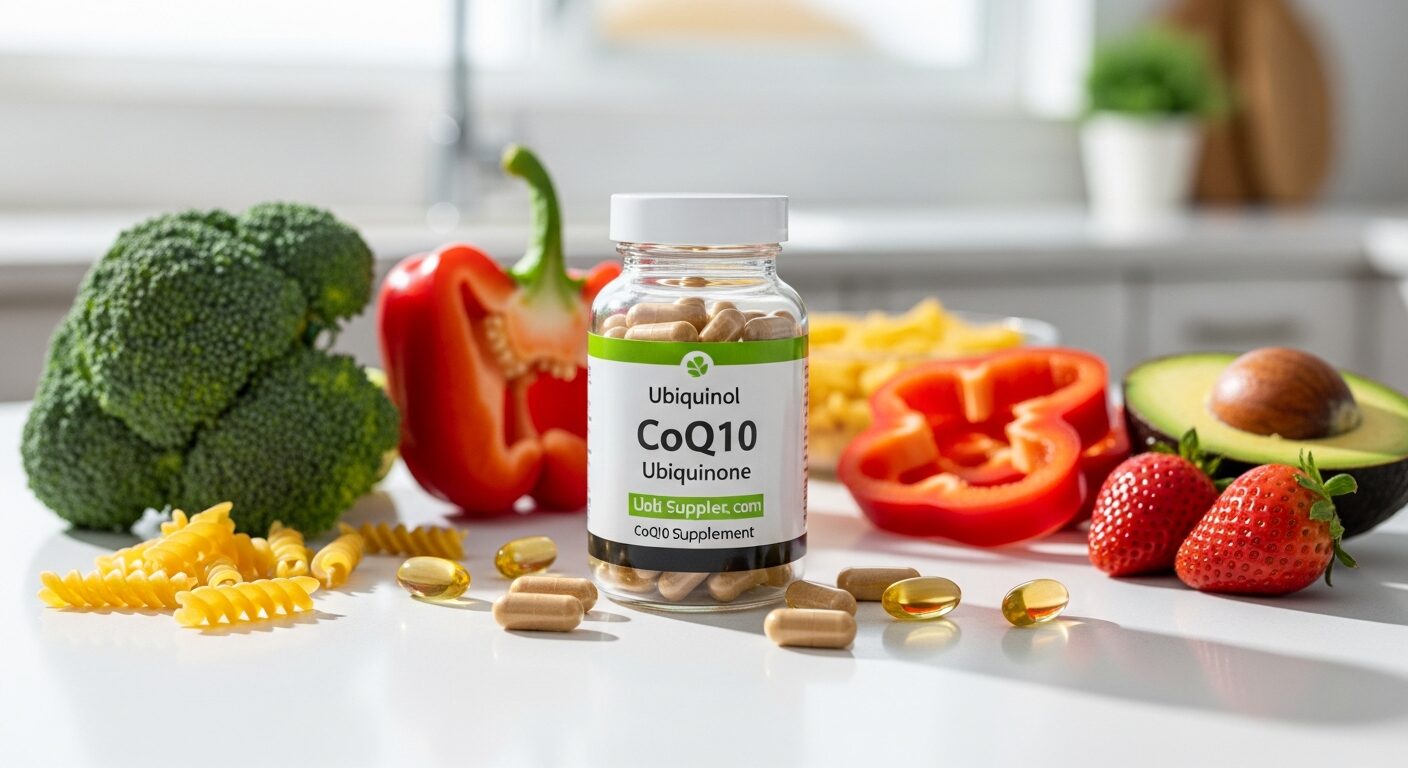
Coenzyme Q10, commonly known as CoQ10, stands as one of the most researched and debated supplements in the health community. Yet despite decades of scientific study, confusion persists about which form delivers superior results: ubiquinol or ubiquinone. This debate isn’t merely academic—it could significantly impact the effectiveness of your supplementation strategy and your body’s ability to harness CoQ10’s powerful cellular benefits.
The distinction between these two forms goes far deeper than marketing claims or price points. Understanding the biochemical differences between ubiquinol and ubiquinone, how your body processes each form, and which circumstances favor one over the other can mean the difference between a supplement that transforms your energy levels and one that barely moves the needle. Let’s examine the science behind both forms and reveal which truly deserves a place in your daily regimen.
Contents
What is CoQ10
Coenzyme Q10 is a naturally occurring compound found in virtually every cell of your body, where it plays a critical role in cellular energy production. Often described as the “spark plug” of cellular metabolism, CoQ10 facilitates the conversion of nutrients into adenosine triphosphate (ATP), the primary energy currency that powers everything from your heartbeat to your brain function.
CoQ10 exists in two primary forms: ubiquinone (the oxidized form) and ubiquinol (the reduced, active form). In healthy cells, your body continuously converts between these two forms as part of the electron transport chain in mitochondria. Ubiquinone gets reduced to ubiquinol when it accepts electrons, and ubiquinol gets oxidized back to ubiquinone when it donates electrons—a constant cycle that generates the energy your cells need to function.
Your body’s natural CoQ10 production peaks in your twenties and steadily declines with age, dropping by as much as 50% by age 50. This decline coincides with decreased energy levels, slower recovery times, and increased susceptibility to oxidative stress. Certain medications, particularly statins used for cholesterol management, can further deplete CoQ10 levels by interfering with the same biochemical pathway that produces both cholesterol and CoQ10.
Key Benefits of CoQ10
The cardiovascular system, being one of the most energy-demanding systems in your body, shows the most pronounced response to CoQ10 supplementation. CoQ10 supplementation in heart failure patients, 2014 demonstrated significant improvements in symptoms and survival rates among heart failure patients receiving CoQ10 compared to placebo groups. The heart muscle contains some of the highest concentrations of mitochondria in the body, making it particularly vulnerable to CoQ10 deficiency.
Beyond cardiovascular support, CoQ10 functions as a potent antioxidant, neutralizing free radicals that can damage cellular structures. This antioxidant activity extends throughout the body, protecting cell membranes, proteins, and DNA from oxidative damage. Unlike other antioxidants that work in specific cellular compartments, CoQ10 provides protection both within mitochondria and throughout cellular membranes.
Emerging research suggests CoQ10 may support cognitive function, particularly in aging populations. The brain’s high energy demands and susceptibility to oxidative stress make it another prime candidate for CoQ10 benefits. Some studies indicate that adequate CoQ10 levels may help maintain mental clarity and support healthy aging of neural tissue.
Athletic performance and recovery represent another area where CoQ10 shows promise. By optimizing mitochondrial function, CoQ10 may help improve exercise capacity, reduce fatigue, and accelerate recovery between training sessions. This makes it particularly relevant for active individuals seeking to maximize their physical performance naturally.
What Most People Get Wrong About CoQ10
Perhaps the most pervasive misconception about CoQ10 is that ubiquinol is automatically superior to ubiquinone simply because it’s the “active” form. This oversimplification ignores the complex reality of how your body processes and utilizes CoQ10. While ubiquinol is indeed the reduced, antioxidant-active form, your body readily converts between ubiquinol and ubiquinone based on cellular needs. In healthy individuals under age 40, this conversion process typically functions efficiently regardless of which form you consume.
Another widespread myth suggests that CoQ10 provides immediate energy boosts similar to caffeine or other stimulants. This fundamental misunderstanding stems from confusing cellular energy production with the subjective feeling of being energized. CoQ10 works at the mitochondrial level to optimize long-term cellular energy efficiency, not to provide acute stimulation. The energy benefits from CoQ10 supplementation typically manifest as improved endurance, better recovery, and sustained energy levels over time rather than immediate alertness.
Many people also believe that higher doses of CoQ10 automatically translate to better results. However, CoQ10 absorption follows a dose-dependent curve with diminishing returns. Your intestinal absorption of CoQ10 actually decreases as dose sizes increase, making mega-doses both wasteful and potentially counterproductive. The optimal absorption typically occurs with moderate doses taken with meals containing healthy fats.
A particularly dangerous misconception involves using CoQ10 as a replacement for prescribed cardiovascular medications. While CoQ10 can be an excellent complement to conventional heart health strategies, it should never substitute for prescribed medications without explicit medical supervision. This myth has led some individuals to discontinue necessary medications in favor of supplements, potentially compromising their health outcomes.
What Happens to Your Body After 30 Days of Taking CoQ10
During the first week of CoQ10 supplementation, your body begins the gradual process of increasing tissue levels of this crucial coenzyme. Plasma CoQ10 levels and bioavailability study, 2005 showed that plasma CoQ10 levels begin rising within days of supplementation, though tissue saturation takes considerably longer. Most individuals don’t notice subjective changes during this initial period, as your body is still building up adequate tissue reserves.
Week two typically brings the first noticeable improvements for many users. Exercise recovery may improve, with less pronounced muscle fatigue after workouts. Some individuals report more consistent energy levels throughout the day, though these changes are often subtle. The cardiovascular system may begin showing measurable improvements in those with existing deficiencies, though clinical markers require longer observation periods to demonstrate significant changes.
By weeks three and four, the more substantial benefits of CoQ10 supplementation typically become apparent. Endurance during physical activities often improves, and the crushing afternoon fatigue that plagues many adults may diminish. Individuals taking statins frequently report reduced muscle pain and stiffness during this period, as CoQ10 helps counteract the depletion caused by these medications.
The full spectrum of CoQ10 benefits continues developing beyond the 30-day mark. Cardiovascular improvements, antioxidant protection, and cellular energy optimization represent long-term adaptations that may take several months to fully manifest. Consistency in supplementation proves crucial during this extended adaptation period, as irregular dosing can interrupt the steady tissue accumulation necessary for optimal benefits.
Who Should NOT Take CoQ10
Individuals taking warfarin or other blood-thinning medications should exercise particular caution with CoQ10 supplementation. CoQ10’s molecular structure shares similarities with vitamin K, which plays a crucial role in blood clotting. While the interaction isn’t universally problematic, some individuals may experience altered anticoagulation effects, necessitating more frequent monitoring of blood clotting parameters and potential medication adjustments.
Pregnant and breastfeeding women should avoid CoQ10 supplementation unless specifically recommended by their healthcare provider. While CoQ10 occurs naturally in the body and isn’t inherently toxic, insufficient safety data exists regarding supplemental doses during these critical periods. The developing fetus and nursing infant have unique nutritional requirements that could potentially be affected by maternal supplementation.
People with active cancer should consult their oncology team before beginning CoQ10 supplementation. While some research suggests potential benefits in cancer treatment support, CoQ10’s role in cellular energy production could theoretically affect both healthy and cancerous cells. Additionally, CoQ10 might interact with certain chemotherapy agents or radiation treatments, making medical supervision essential.
Individuals with diabetes should monitor blood glucose levels more closely when starting CoQ10 supplementation. Some studies suggest CoQ10 may help improve insulin sensitivity and glucose metabolism, potentially affecting medication requirements. While these effects are generally beneficial, they necessitate careful monitoring to prevent hypoglycemic episodes in those using diabetes medications.
Those scheduled for surgery should discontinue CoQ10 supplementation at least two weeks prior to their procedure. CoQ10’s potential effects on blood clotting, combined with the anticoagulants often used during surgery, could increase bleeding risk. Always inform your surgical team about all supplements you’re taking, including CoQ10.
Dosage and Best Forms
The optimal CoQ10 dosage varies significantly based on individual factors including age, health status, and specific goals. For general health maintenance in healthy adults, doses ranging from 100-200mg daily typically provide adequate support. However, individuals with specific health concerns may require higher doses under medical supervision, with some clinical studies using doses up to 600mg daily for particular conditions.
Regarding the ubiquinol versus ubiquinone debate, the choice often depends on individual circumstances rather than universal superiority. Comparative bioavailability of ubiquinol vs ubiquinone, 2013 demonstrated that ubiquinol shows superior bioavailability in individuals over 65 or those with absorption challenges. However, high-quality ubiquinone formulations can achieve similar tissue levels in younger, healthier individuals at a fraction of the cost.
Absorption optimization proves crucial regardless of which form you choose. CoQ10 is fat-soluble, meaning it requires dietary fats for optimal absorption. Taking CoQ10 with meals containing healthy oils, nuts, or avocado can significantly improve bioavailability. Some advanced formulations include phospholipids or other absorption enhancers to improve uptake without requiring specific meal timing.
Timing and frequency can also impact effectiveness. Dividing daily doses into two smaller amounts taken with meals often provides more consistent blood levels than single large doses. This approach also minimizes the potential for minor digestive upset that some individuals experience with higher single doses.
🌿 Looking for CoQ10 Supplements?
Browse top-rated CoQ10 supplements, independently tested and recommended by our editorial team.
Affiliate disclosure: We may earn a small commission at no extra cost to you.
Frequently Asked Questions
Can I take CoQ10 with other supplements?
CoQ10 generally combines well with other supplements and may even enhance the effectiveness of certain nutrients. Vitamin E and CoQ10 work synergistically as antioxidants, while B-vitamins support the energy pathways that CoQ10 facilitates. However, avoid taking CoQ10 simultaneously with high-dose iron supplements, as iron can potentially oxidize CoQ10 and reduce its effectiveness.
How long does it take to see results from CoQ10?
Individual response times vary considerably, but most people begin noticing subtle improvements within 2-4 weeks of consistent supplementation. Significant benefits typically develop over 2-3 months as tissue levels reach optimal ranges. Individuals with severe CoQ10 deficiency may experience faster initial improvements, while those with adequate baseline levels might require longer to notice substantial changes.
Is expensive ubiquinol always better than ubiquinone?
Not necessarily. While ubiquinol does offer superior bioavailability for certain populations, particularly those over 65 or with digestive issues, healthy younger adults often achieve similar results with high-quality ubiquinone at a much lower cost. The key is choosing a reputable manufacturer with proven bioavailability rather than focusing solely on the form.
Can CoQ10 cause side effects?
CoQ10 is generally well-tolerated with minimal side effects. Some individuals may experience mild digestive upset, particularly with higher doses taken on an empty stomach. Rarely, people report insomnia if taking CoQ10 late in the day, though this isn’t common. Skin rashes or allergic reactions are extremely rare but possible with any supplement.
Should I stop taking CoQ10 if I don’t feel different?
CoQ10’s benefits often occur at the cellular level without dramatic subjective changes, particularly in younger, healthier individuals. The absence of noticeable effects doesn’t necessarily indicate lack of benefit. Consider your reasons for supplementation—if you’re taking statins, over 40, or supporting cardiovascular health, the protective benefits may be occurring even without obvious symptoms.
Medical Disclaimer
The information provided in this article is for educational purposes only and is not intended to replace professional medical advice, diagnosis, or treatment. Always consult with qualified healthcare providers before starting any new supplement regimen, especially if you have existing health conditions, take medications, or are pregnant or breastfeeding. Individual responses to supplements can vary significantly, and what works for one person may not be appropriate for another. Never discontinue prescribed medications in favor of supplements without explicit medical supervision. If you experience any adverse reactions while taking CoQ10 or any other supplement, discontinue use immediately and consult your healthcare provider.