
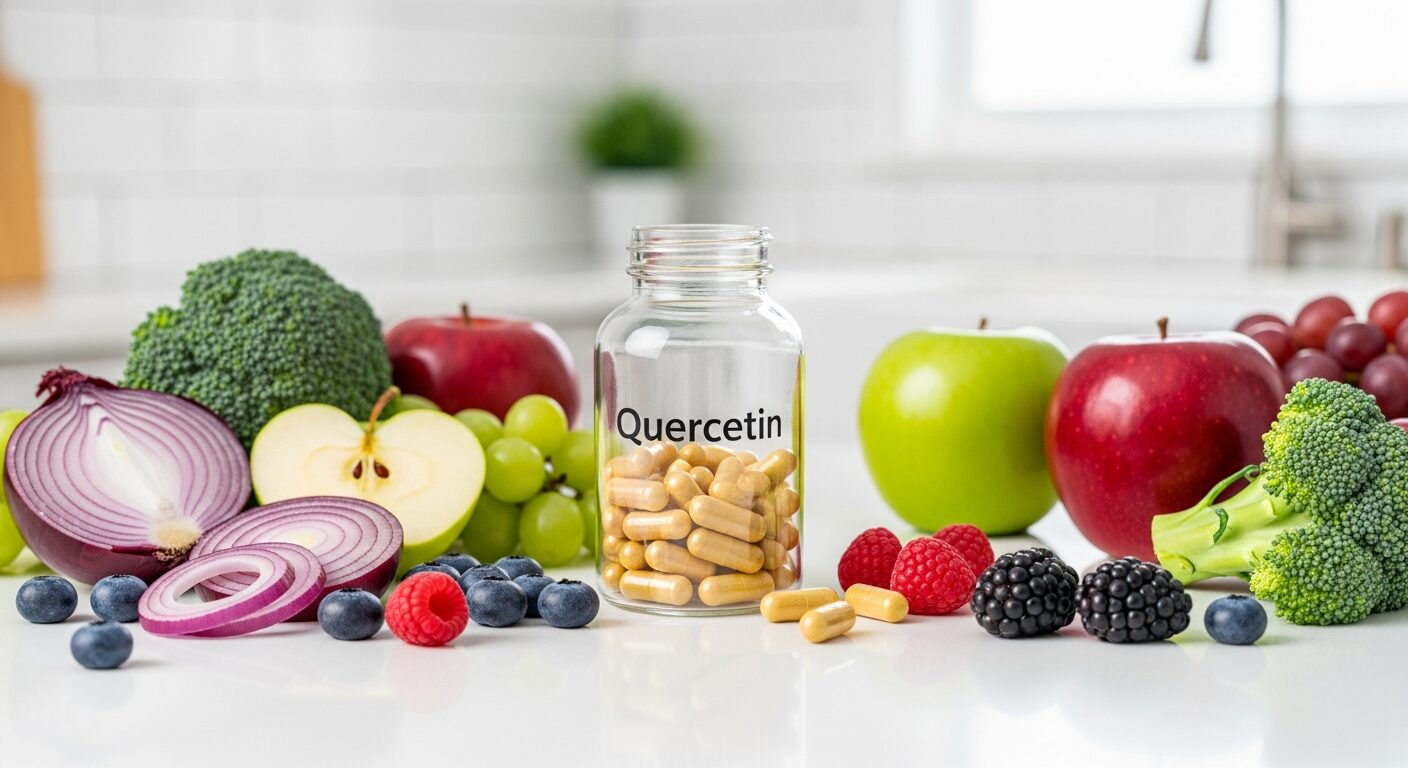
Quercetin is quietly becoming one of the most talked-about compounds in the supplement world, yet most people have never heard of it. This powerful flavonoid, found naturally in foods like onions, apples, and berries, has been the subject of over 3,000 scientific studies examining its potential health benefits. What makes quercetin particularly fascinating is its ability to influence multiple biological pathways simultaneously, acting as both an antioxidant and anti-inflammatory agent.
While quercetin has been used in traditional medicine for centuries, modern science is now uncovering the mechanisms behind its therapeutic effects. From supporting immune function to potentially protecting cardiovascular health, quercetin’s versatility as a supplement has captured the attention of researchers and health-conscious individuals alike. However, with popularity comes misinformation, and many claims about quercetin circulating online lack scientific backing.
This comprehensive guide will explore what quercetin actually is, examine the evidence-based benefits, debunk common myths, and provide practical information about dosing and safety considerations. Whether you’re considering adding quercetin to your supplement routine or simply curious about this remarkable compound, understanding the science behind quercetin is essential for making informed health decisions.
🌿 Looking for Quercetin supplements? Shop Amazon →
Contents
What is Quercetin
Quercetin is a plant pigment belonging to a group of compounds called flavonoids, specifically the flavonol subclass. It’s responsible for giving many fruits and vegetables their vibrant colors and serves as a natural defense mechanism for plants against environmental stressors like UV radiation, insects, and pathogens. Chemically, quercetin is classified as a polyphenol, meaning it contains multiple phenolic groups that contribute to its antioxidant properties.
In nature, quercetin is most commonly found bound to sugars in the form of glycosides, with quercetin-3-glucoside (also known as isoquercitrin) being one of the most prevalent forms. The highest concentrations are found in capers, red onions, shallots, and the outer rings of onions, followed by apples (particularly in the skin), berries, leafy greens, and citrus fruits. Tea, particularly green tea, and red wine also contain significant amounts.
What sets quercetin apart from other flavonoids is its unique molecular structure, which allows it to cross biological membranes and accumulate in specific tissues. This bioavailability, though naturally limited, enables quercetin to exert direct effects on cellular processes. The compound’s stability and ability to chelate metals also contribute to its biological activity, making it an effective scavenger of free radicals and a modulator of inflammatory pathways.
From a biochemical perspective, quercetin functions primarily through its interaction with enzymes and signaling proteins. It can inhibit certain enzymes involved in inflammation, modulate gene expression, and influence cellular communication pathways. These mechanisms form the foundation for quercetin’s wide-ranging effects on human health, from immune system support to cardiovascular protection.
Key Benefits of Quercetin
Scientific research has identified several well-documented benefits of quercetin supplementation, supported by both laboratory studies and human clinical trials. The most robust evidence centers around its antioxidant, anti-inflammatory, and immune-supporting properties.
Quercetin’s antioxidant activity is perhaps its most studied benefit. The compound effectively neutralizes reactive oxygen species (ROS) and reactive nitrogen species, which can damage cellular components including DNA, proteins, and lipids. This antioxidant action helps protect cells from oxidative stress, a factor implicated in aging and various chronic diseases. Antioxidant and anti-inflammatory effects of quercetin, 2010 demonstrated that quercetin supplementation significantly reduced markers of oxidative stress in human subjects.
The anti-inflammatory effects of quercetin are equally impressive. The compound inhibits the production of pro-inflammatory cytokines, including tumor necrosis factor-alpha (TNF-α) and interleukin-6 (IL-6), while promoting the activity of anti-inflammatory pathways. This dual action helps maintain inflammatory balance in the body, potentially reducing the risk of chronic inflammatory conditions.
Quercetin also shows promise for cardiovascular health support. Studies suggest it may help maintain healthy blood pressure levels, support endothelial function, and promote healthy cholesterol profiles. The compound’s ability to improve nitric oxide production and reduce inflammation in blood vessel walls contributes to these cardiovascular benefits.
Immune system support represents another area where quercetin shows significant promise. The compound appears to modulate immune cell function, potentially enhancing the body’s natural defense mechanisms while preventing excessive immune responses. Some research suggests quercetin may help reduce the duration and severity of upper respiratory tract infections.
Additionally, preliminary research indicates quercetin may support exercise performance and recovery by reducing exercise-induced inflammation and oxidative stress. Some studies have shown improved endurance and reduced fatigue following quercetin supplementation, though more research is needed to confirm these effects.
What Most People Get Wrong About Quercetin
Despite growing interest in quercetin, several misconceptions persist about this compound that can lead to unrealistic expectations or improper use.
Myth 1: All Quercetin Supplements Are Equally Absorbed
One of the biggest misconceptions is that all forms of quercetin provide the same benefits. In reality, standard quercetin has notoriously poor bioavailability, with absorption rates as low as 2-20% when taken alone. The compound is rapidly metabolized by the liver and intestinal enzymes, limiting its effectiveness. This is why many people don’t experience the benefits they expect from quercetin supplements. Advanced formulations using quercetin phytosome technology or combining quercetin with bromelain can significantly improve absorption, but many consumers aren’t aware of these important differences.
Myth 2: More Quercetin Always Equals Better Results
Many people assume that taking massive doses of quercetin will amplify its benefits, but research doesn’t support this approach. Studies show that quercetin follows a bell-curve response pattern, where moderate doses (typically 500-1000mg daily) often produce optimal results. Higher doses don’t necessarily translate to greater benefits and may actually reduce absorption efficiency due to saturation of transport mechanisms. Additionally, excessive doses may increase the risk of side effects without providing additional therapeutic value.
Myth 3: Quercetin Works Immediately Like a Drug
Perhaps the most common misunderstanding is expecting immediate, drug-like effects from quercetin supplementation. Unlike pharmaceutical medications, quercetin works by gradually modulating cellular processes and gene expression patterns. The compound needs time to accumulate in tissues and exert its regulatory effects on inflammatory pathways and antioxidant systems. This is why consistent, long-term supplementation is typically necessary to experience quercetin’s full benefits, rather than expecting rapid changes after a few doses.
Myth 4: Eating Quercetin-Rich Foods Provides the Same Benefits as Supplements
While consuming quercetin-rich foods is beneficial for overall health, the amounts typically obtained through diet are insufficient to achieve the therapeutic levels used in most research studies. For example, you would need to eat approximately 3-4 pounds of onions daily to match the quercetin content in a standard 500mg supplement. Additionally, the quercetin in foods is often bound to sugars and fibers that can further limit absorption, making it difficult to achieve clinically relevant blood levels through diet alone.
What Happens to Your Body After 30 Days of Taking Quercetin
Understanding the timeline of quercetin’s effects can help set realistic expectations and optimize supplementation strategies. Research-based observations show a progressive pattern of benefits that unfold over several weeks.
Week 1: Initial Cellular Changes
During the first week of supplementation, quercetin begins accumulating in various tissues, particularly in the lungs, kidneys, and liver. While you may not notice obvious changes, important cellular processes are already beginning to shift. Antioxidant enzyme systems start to upregulate, and inflammatory markers may begin showing subtle improvements. Some individuals report minor changes in energy levels or sleep quality during this initial period, though these effects are typically subtle and may be attributed to placebo effect.
Week 2: Emerging Benefits
By the second week, quercetin concentrations in tissues reach more substantial levels, and its biological effects become more pronounced. Quercetin supplementation and upper respiratory tract infection, 2007 showed that immune system modulation becomes evident around this timeframe, with enhanced immune cell function and reduced susceptibility to minor respiratory issues. Some users report improved exercise recovery and reduced post-workout inflammation during this period.
Weeks 3-4: Full Therapeutic Benefits
The most significant changes typically occur during weeks three and four, as quercetin reaches steady-state concentrations in target tissues. This is when the compound’s anti-inflammatory effects become most apparent, with measurable reductions in inflammatory biomarkers. Cardiovascular benefits, such as improved endothelial function and blood flow, often become noticeable during this period. Effects of quercetin supplementation on blood pressure, 2009 demonstrated significant improvements in blood pressure parameters after 4 weeks of supplementation in hypertensive individuals.
Energy levels and exercise performance improvements are typically most pronounced during this phase, as quercetin’s effects on mitochondrial function and cellular energy production reach peak effectiveness. Many users report enhanced mental clarity and reduced fatigue during weeks three and four, likely due to improved cellular antioxidant status and reduced systemic inflammation.
It’s important to note that individual responses can vary significantly based on factors such as baseline health status, diet, lifestyle, and the specific form of quercetin being used. Some individuals may notice benefits earlier, while others might require longer supplementation periods to experience optimal effects.
Who Should NOT Take Quercetin
While quercetin is generally considered safe for most adults, several groups should exercise caution or avoid supplementation entirely due to potential risks and interactions.
Pregnant and breastfeeding women should avoid quercetin supplements, as there is insufficient safety data for these populations. While quercetin naturally occurs in foods and dietary intake is considered safe, the concentrated amounts found in supplements have not been adequately studied during pregnancy or lactation. The compound’s ability to cross biological barriers raises theoretical concerns about fetal exposure.
Individuals taking blood-thinning medications such as warfarin, heparin, or antiplatelet drugs should consult their healthcare provider before using quercetin. The compound may enhance the effects of these medications, potentially increasing bleeding risk. Quercetin can also interact with certain antibiotics, particularly quinolone antibiotics like ciprofloxacin, by interfering with their absorption and effectiveness.
People with kidney disease should use quercetin cautiously, as the compound is primarily eliminated through the kidneys. Impaired kidney function could lead to quercetin accumulation and potential toxicity. Similarly, individuals with severe liver disease should avoid high-dose quercetin supplementation, as the liver plays a crucial role in quercetin metabolism.
Those scheduled for surgery should discontinue quercetin supplementation at least two weeks beforehand, due to its potential effects on blood clotting and possible interactions with anesthesia or other surgical medications. The anti-inflammatory effects of quercetin might also interfere with normal healing processes if taken in high doses around the time of surgery.
Individuals with autoimmune conditions should consult their healthcare provider before using quercetin, as its immune-modulating effects could potentially affect disease management or interact with immunosuppressive medications. While some research suggests potential benefits for autoimmune conditions, professional medical supervision is essential.
People taking medications for diabetes should monitor their blood sugar levels closely when starting quercetin supplementation, as some studies suggest it may affect glucose metabolism and potentially enhance the effects of diabetes medications.
Dosage and Best Forms
Optimal quercetin dosing depends on individual health goals, the specific form being used, and bioavailability factors. Most research studies have used doses ranging from 500mg to 1000mg daily, typically divided into two doses with meals to maximize absorption and minimize potential gastrointestinal upset.
For general antioxidant and anti-inflammatory support, a dose of 500mg daily is often sufficient and well-tolerated. Those seeking more specific benefits, such as cardiovascular support or immune enhancement, may benefit from 1000mg daily, split into 500mg doses taken with breakfast and dinner.
The form of quercetin significantly impacts its effectiveness. Standard quercetin powder or tablets have poor bioavailability, making them less cost-effective despite potentially lower prices. Quercetin phytosome, which combines quercetin with phospholipids, can improve absorption by up to 20-fold compared to standard forms. This enhanced bioavailability means lower doses of phytosome forms may be as effective as higher doses of standard quercetin.
Quercetin combined with bromelain is another popular option, as bromelain appears to enhance quercetin absorption and may provide synergistic anti-inflammatory effects. These combination products typically contain 400-500mg of quercetin with 100-200mg of bromelain.
Timing is important for optimal results. Taking quercetin with meals, particularly those containing some fat, can improve absorption. Avoiding consumption with dairy products is recommended, as calcium may interfere with quercetin uptake. For exercise-related benefits, some research suggests taking quercetin 30-60 minutes before physical activity may be optimal.
Quality considerations are crucial when selecting a quercetin supplement. Look for products that specify the form of quercetin used, provide third-party testing results, and are manufactured by reputable companies following Good Manufacturing Practices (GMP).
🌿 Looking for Quercetin Supplements?
Browse top-rated Quercetin supplements, independently tested and recommended by our editorial team.
Affiliate disclosure: We may earn a small commission at no extra cost to you.
Frequently Asked Questions
Can I take quercetin with other supplements?
Quercetin generally combines well with other antioxidants and anti-inflammatory supplements. Popular combinations include quercetin with vitamin C, zinc, or curcumin, which may provide synergistic benefits. However, avoid taking quercetin simultaneously with iron supplements, as quercetin can chelate iron and reduce its absorption. If you take multiple supplements, space them at least 2 hours apart or consult with a healthcare provider about optimal timing.
How long does it take to see results from quercetin?
Most people begin experiencing subtle benefits within 2-3 weeks of consistent supplementation, with more pronounced effects typically emerging after 4-6 weeks. However, some acute benefits, such as post-exercise recovery support, may be noticed within days. The timeline varies based on individual factors, baseline health status, and the specific benefits you’re seeking.
Are there any side effects of quercetin supplementation?
Quercetin is generally well-tolerated, but some individuals may experience mild side effects including headache, stomach upset, or nausea, particularly when starting supplementation or taking higher doses. These effects are typically temporary and can often be minimized by taking quercetin with food and starting with lower doses. Rarely, some people may experience allergic reactions or skin rash.
Is quercetin safe for long-term use?
Current research suggests quercetin is safe for long-term use at recommended doses. Studies lasting up to 12 months have not revealed significant safety concerns in healthy adults. However, as with any supplement, it’s advisable to take periodic breaks or consult with a healthcare provider for guidance on long-term supplementation, especially if you have underlying health conditions.
Can quercetin help with seasonal allergies?
Some research suggests quercetin may help reduce allergy symptoms by stabilizing mast cells and reducing histamine release. However, the evidence is primarily from laboratory and animal studies, with limited human clinical trials. While many people report benefits for seasonal allergies, more research is needed to confirm these effects. Those with severe allergies should not rely solely on quercetin and should continue working with their healthcare provider for comprehensive allergy management.
Medical Disclaimer
This article is for informational purposes only and is not intended to diagnose, treat, cure, or prevent any disease. The information provided should not be considered as a substitute for professional medical advice, diagnosis, or treatment. Always consult with a qualified healthcare provider before starting any new supplement regimen, especially if you have existing health conditions, are taking medications, or are pregnant or breastfeeding. Individual results may vary, and the safety and effectiveness of quercetin supplementation can depend on numerous factors specific to each person’s health status and circumstances.