
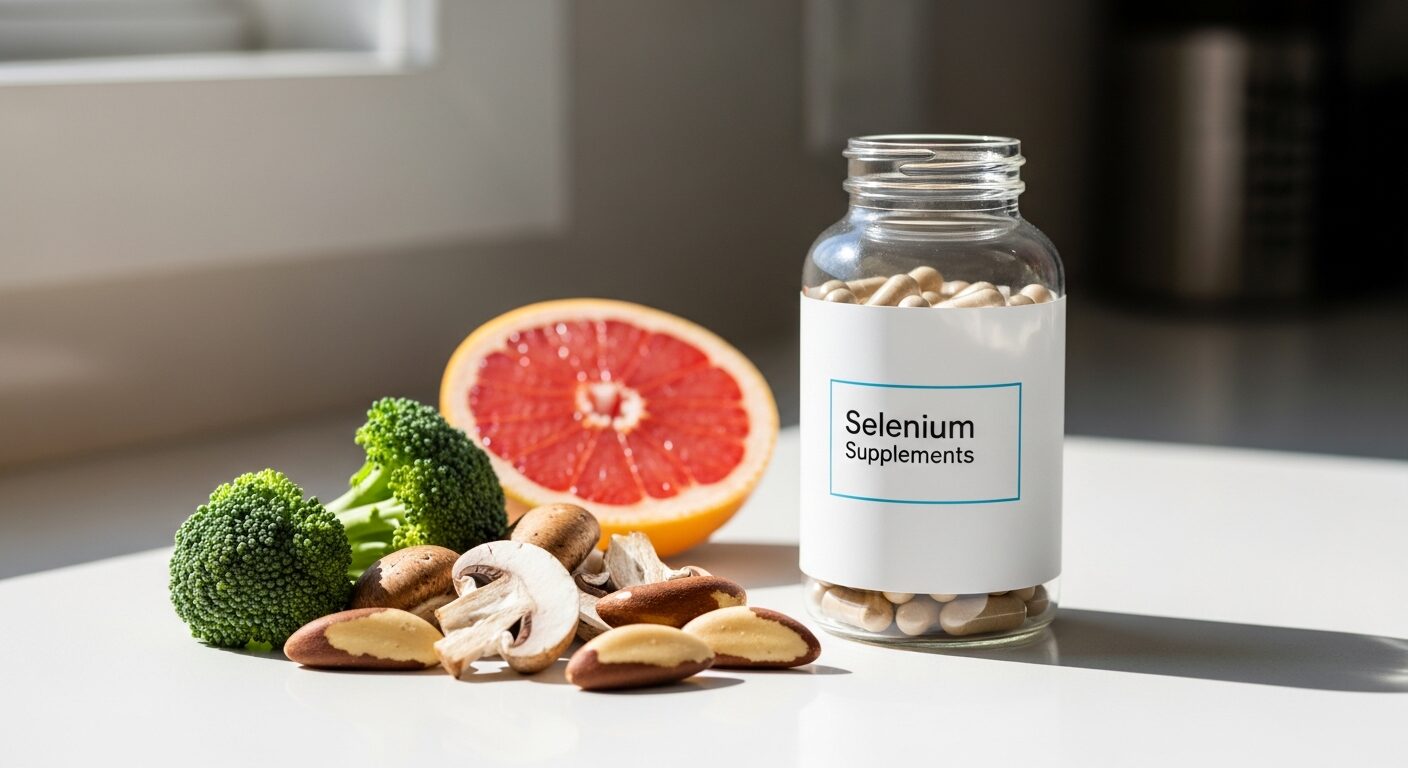
In the world of essential trace minerals, selenium often flies under the radar despite being one of the most critical nutrients for human health. This powerful antioxidant mineral plays vital roles in everything from immune function to thyroid health, yet many people remain unaware of its profound impact on their wellbeing. Unlike more well-known nutrients like vitamin C or calcium, selenium works quietly behind the scenes, supporting over 25 different selenoproteins that act as molecular guardians throughout your body.
What makes selenium particularly fascinating is its dual nature – while essential for optimal health, it operates within a remarkably narrow therapeutic window. Too little can lead to serious health consequences, while too much can be toxic. This delicate balance, combined with widespread soil depletion in many regions, has made selenium deficiency more common than most people realize.
Understanding selenium’s role in your health isn’t just about preventing deficiency – it’s about optimizing one of your body’s most sophisticated defense systems. From protecting your cells against oxidative damage to supporting cognitive function and cardiovascular health, selenium deserves a place in every health-conscious individual’s knowledge base.
Contents
What is Selenium
Selenium is an essential trace mineral that your body requires in small amounts but cannot produce on its own. Discovered in 1817 by Swedish chemist Jöns Jacob Berzelius, selenium was initially considered toxic until researchers in the 1950s recognized its essential role in human health. Today, we understand that selenium functions primarily as a cofactor for selenoproteins, specialized enzymes that perform critical antioxidant and regulatory functions throughout the body.
The most important selenoproteins include glutathione peroxidases, which protect cells from oxidative damage, and iodothyronine deiodinases, which are essential for thyroid hormone metabolism. Selenoprotein P serves as the body’s primary selenium transport protein, while thioredoxin reductases help maintain cellular redox balance. These proteins collectively make selenium indispensable for immune function, reproduction, DNA synthesis, and protection against oxidative stress.
Selenium content in food varies dramatically based on soil selenium levels, which differ significantly by geographic region. Brazil nuts, seafood, organ meats, and grains grown in selenium-rich soil are among the best natural sources. However, modern agricultural practices and soil depletion have reduced selenium levels in many crops, making supplementation increasingly relevant for optimal intake.
Key Benefits of Selenium
Selenium’s most well-documented benefit lies in its powerful antioxidant properties. As a key component of glutathione peroxidase enzymes, selenium helps neutralize harmful free radicals and reduce oxidative stress throughout the body. This antioxidant activity extends beyond simple cellular protection – it supports immune function by enhancing the proliferation and activity of T-cells, natural killer cells, and other immune system components.
Thyroid health represents another critical area where selenium excels. The thyroid gland contains the highest concentration of selenium per gram of tissue in the entire body. Selenium-dependent enzymes convert the inactive thyroid hormone T4 into the active form T3, while also protecting the thyroid gland from oxidative damage caused by hydrogen peroxide produced during hormone synthesis. Selenium supplementation in autoimmune thyroiditis: effects on plasma biomarkers of inflammation and on thyroid autoantibodies, 2013 demonstrates selenium’s potential therapeutic role in thyroid disorders.
Cardiovascular health benefits of selenium include supporting healthy blood vessel function and potentially reducing inflammation markers associated with heart disease. Some studies suggest adequate selenium status may help maintain healthy cholesterol levels and support overall cardiovascular function, though more research is needed to establish definitive therapeutic protocols.
Emerging research also points to selenium’s role in cognitive health and neuroprotection. The mineral’s antioxidant properties may help protect brain tissue from age-related decline, while its involvement in thyroid hormone metabolism indirectly supports cognitive function through proper neurological development and maintenance.
What Most People Get Wrong About Selenium
One of the most persistent misconceptions about selenium is that “more is always better.” Unlike water-soluble vitamins that are easily excreted, selenium accumulates in tissues and can become toxic at doses only moderately above the recommended intake. The therapeutic window between selenium deficiency and toxicity is remarkably narrow – while the recommended dietary allowance is 55 micrograms daily for adults, toxicity symptoms can begin appearing at chronic intakes above 400 micrograms daily. Many people mistakenly assume that because selenium is “natural,” they can take large amounts without consequence.
Another common myth suggests that selenium supplementation provides universal cancer protection. While some observational studies have shown associations between adequate selenium status and reduced cancer risk in selenium-deficient populations, the relationship is far more complex than many believe. Selenium and prostate cancer prevention: a community-based randomized controlled trial, 2008 actually showed that selenium supplementation in selenium-replete individuals might increase certain health risks rather than provide benefits.
Many people also believe that all forms of selenium are equivalent, but this couldn’t be further from the truth. Organic forms like selenomethionine and selenium yeast are generally better absorbed and retained than inorganic forms like sodium selenite. However, different forms may be more appropriate for different therapeutic goals – selenomethionine builds selenium stores in tissues, while selenocysteine more directly supports selenoprotein synthesis.
Perhaps the most dangerous misconception is that selenium deficiency only occurs in developing countries. In reality, large portions of Europe, parts of the United States, and other developed regions have selenium-poor soils. Additionally, certain dietary patterns, digestive disorders, and medications can significantly impact selenium absorption and status, making deficiency possible even in areas with adequate soil selenium levels.
What Happens to Your Body After 30 Days of Taking Selenium
Week 1: During the first week of selenium supplementation, your body begins incorporating the mineral into newly synthesized selenoproteins. While you likely won’t notice dramatic changes, cellular-level improvements in antioxidant defense systems are already beginning. Some individuals with significant deficiency might experience subtle improvements in energy levels as thyroid hormone metabolism optimizes, though most changes remain below the threshold of conscious awareness.
Week 2: By the second week, selenoprotein levels in your blood and tissues start reaching more optimal ranges. If you had suboptimal selenium status, you might begin noticing improvements in immune function – perhaps fewer minor infections or faster recovery from physical stress. Some people report subtle improvements in mood and cognitive clarity as thyroid function normalizes, particularly if they had underlying subclinical thyroid dysfunction related to selenium deficiency.
Week 3-4: After three to four weeks of consistent supplementation, selenium reaches steady-state levels in most tissues. This is when the full spectrum of benefits typically becomes apparent. Effects of selenium supplementation on inflammatory markers and oxidative stress in healthy adults, 2012 shows that meaningful changes in oxidative stress markers typically require at least 4-6 weeks of consistent intake. You might notice improved exercise recovery, better stress resilience, and enhanced overall vitality.
It’s important to note that individuals who already have optimal selenium status may not experience noticeable benefits from supplementation. In fact, excessive selenium intake in selenium-replete individuals can potentially cause more harm than good, emphasizing the importance of assessing your individual needs rather than assuming supplementation is universally beneficial.
Who Should NOT Take Selenium
Individuals with existing selenium toxicity or those taking high doses of selenium should obviously avoid additional supplementation. However, selenium toxicity is more common than many realize, particularly among people who consume large amounts of Brazil nuts, take multiple supplements containing selenium, or live in areas with naturally high selenium levels in the soil and water supply.
People with certain autoimmune conditions should exercise caution with selenium supplementation. While selenium can be beneficial for some autoimmune thyroid conditions, it may potentially exacerbate other autoimmune disorders or interfere with immunosuppressive medications. Anyone taking medications for autoimmune conditions should consult their healthcare provider before beginning selenium supplementation.
Pregnant and breastfeeding women need to be particularly careful with selenium dosing. While selenium is essential during pregnancy for proper fetal development, excessive intake can be harmful to both mother and baby. The recommended upper limit during pregnancy is lower than for non-pregnant adults, and supplementation should only be undertaken under medical supervision.
Individuals taking certain medications, particularly chemotherapy drugs, blood thinners, or cholesterol-lowering medications, should consult their healthcare provider before supplementing with selenium. The mineral can potentially interact with these medications, either enhancing or reducing their effectiveness. Additionally, people with kidney disease may have impaired selenium excretion, making them more susceptible to toxicity at lower doses.
Those scheduled for surgery should discontinue selenium supplements at least two weeks beforehand, as selenium may affect blood clotting and interact with anesthesia. Similarly, individuals with bleeding disorders or those taking anticoagulant medications should avoid selenium supplementation unless specifically recommended by their healthcare provider.
Dosage and Best Forms
The recommended dietary allowance for selenium is 55 micrograms daily for healthy adults, with an upper tolerable limit of 400 micrograms per day. However, optimal dosing varies significantly based on individual factors including geographic location, dietary selenium intake, health status, and specific therapeutic goals. Most selenium supplements contain between 50-200 micrograms per dose, which falls within the safe and effective range for most individuals.
Selenomethionine is generally considered the superior supplemental form due to its excellent bioavailability and ability to build selenium stores in tissues. This organic form is readily absorbed and can be stored in muscle tissue, providing a reservoir of selenium for future use. Selenium yeast, which contains primarily selenomethionine along with other selenium compounds, offers similar benefits with potentially enhanced biological activity.
Sodium selenite, an inorganic form, is less expensive but also less well-absorbed and retained compared to organic forms. However, it may be more appropriate for individuals seeking immediate selenoprotein support rather than long-term selenium storage. L-selenocysteine, while highly bioactive, is less commonly available in supplements.
For optimal absorption, selenium supplements should be taken with food to minimize potential gastrointestinal irritation. Vitamin E may enhance selenium’s antioxidant effects, while high doses of vitamin C might potentially interfere with selenium absorption if taken simultaneously. Spacing these supplements by a few hours can help optimize absorption of all nutrients involved.
🌿 Looking for Selenium Supplements?
Browse top-rated Selenium supplements, independently tested and recommended by our editorial team.
Affiliate disclosure: We may earn a small commission at no extra cost to you.
Frequently Asked Questions
Can I get enough selenium from food alone?
Whether you can obtain adequate selenium from food depends largely on your geographic location and dietary choices. People living in selenium-rich regions like parts of the Great Plains can easily meet their needs through diet, while those in selenium-poor areas like much of Europe or the Pacific Northwest may struggle to reach optimal intake. Brazil nuts are exceptionally rich in selenium, with just 1-2 nuts potentially providing the entire daily requirement, though selenium content varies significantly between batches.
How do I know if I’m selenium deficient?
Selenium deficiency symptoms can be subtle and non-specific, including fatigue, weakened immune function, hair loss, and cognitive fog. Severe deficiency can lead to serious conditions like Keshan disease (cardiomyopathy) or Kashin-Beck disease (joint degeneration), though these are rare in developed countries. The most accurate way to assess selenium status is through blood testing, specifically measuring selenium levels or glutathione peroxidase activity.
Is it safe to take selenium long-term?
Long-term selenium supplementation is generally safe when kept within recommended dosage ranges (50-200 micrograms daily). However, chronic excessive intake can lead to selenosis, characterized by symptoms like garlic breath odor, metallic taste, brittle nails, hair loss, and neurological problems. Regular monitoring through periodic blood tests can help ensure you maintain optimal levels without risking toxicity.
Can selenium interact with my thyroid medication?
Selenium generally supports thyroid function and may enhance the effectiveness of thyroid medications rather than interfere with them. However, anyone taking thyroid medications should consult their healthcare provider before beginning selenium supplementation, as dosage adjustments might be necessary. Selenium supplementation should be spaced several hours apart from thyroid medications to ensure optimal absorption of both.
What’s the difference between selenium and other antioxidants?
Unlike vitamin antioxidants like C and E that work directly to neutralize free radicals, selenium functions as a cofactor for antioxidant enzymes, enabling your body’s own antioxidant systems to function optimally. This makes selenium’s antioxidant effects more sustainable and comprehensive than direct-acting antioxidants. Selenium also has unique roles in thyroid hormone metabolism and immune function that other antioxidants cannot replicate.
Medical Disclaimer
This article is for informational purposes only and does not constitute medical advice. The information provided should not be used to diagnose, treat, cure, or prevent any disease or health condition. Individual responses to selenium supplementation may vary significantly based on health status, medications, genetic factors, and other variables. Always consult with a qualified healthcare professional before beginning any new supplement regimen, especially if you have existing health conditions, take medications, or are pregnant or breastfeeding. Blood testing may be necessary to determine your individual selenium status and appropriate dosing. If you experience any adverse effects from selenium supplementation, discontinue use and consult your healthcare provider immediately.