
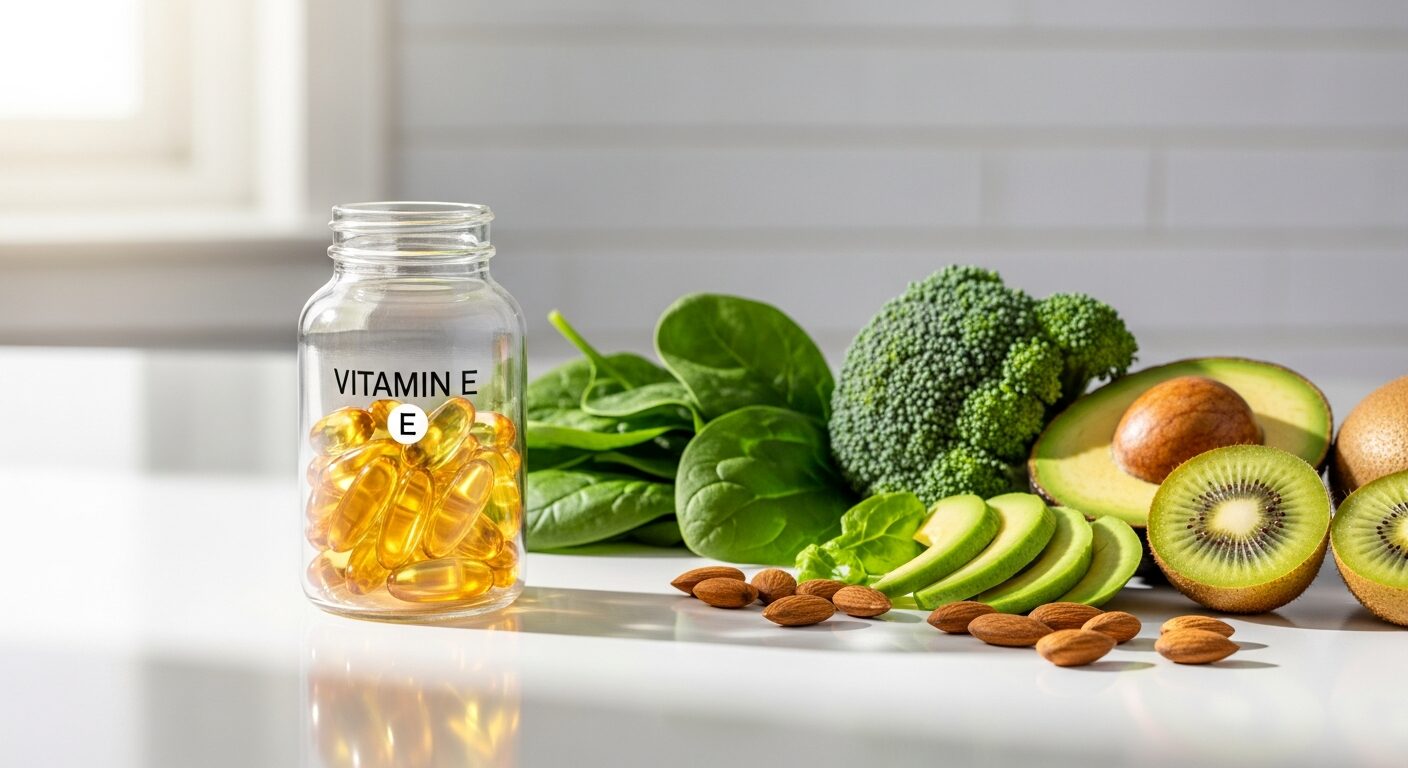
Vitamin E is one of the most important fat-soluble vitamins your body needs to function optimally. As a powerful antioxidant, it plays a crucial role in protecting your cells from oxidative damage, supporting immune function, and maintaining healthy skin and eyes. Despite its significance, many people don’t fully understand what vitamin E is, how it works, or whether they’re getting enough of it in their diet.
This comprehensive guide will explore everything you need to know about vitamin E, from its various forms and biological functions to dietary sources, supplementation considerations, and potential health benefits. Whether you’re looking to optimize your nutrition or considering vitamin E supplements, this article will provide you with science-based information to make informed decisions about your health.
Contents
Understanding Vitamin E: The Basics
Vitamin E isn’t just a single vitamin but rather a group of eight fat-soluble compounds that include four tocopherols and four tocotrienols. Each of these compounds has slightly different chemical structures and biological activities, but they all share antioxidant properties that make them essential for human health.
The most biologically active and well-studied form is alpha-tocopherol, which is what most people refer to when they talk about vitamin E. This form is preferentially retained by the human body and is the standard measurement used for vitamin E requirements and recommendations.
The Eight Forms of Vitamin E
The tocopherols include alpha, beta, gamma, and delta-tocopherol, while the tocotrienols consist of alpha, beta, gamma, and delta-tocotrienol. While alpha-tocopherol receives the most attention due to its predominance in human tissues, emerging research suggests that other forms, particularly gamma-tocopherol and the tocotrienols, may have unique health benefits.
These different forms are found in varying concentrations in different foods, which is why consuming a diverse diet rich in vitamin E sources is important for obtaining the full spectrum of these beneficial compounds.
How Vitamin E Works in Your Body
Vitamin E’s primary function is serving as a chain-breaking antioxidant in cell membranes. This means it interrupts the chain reaction of lipid peroxidation, a process where free radicals damage the fatty acids in cell membranes. Without adequate vitamin E protection, these chain reactions can cause significant cellular damage and contribute to various health problems.
When vitamin E neutralizes a free radical, it becomes oxidized itself. However, other antioxidants like vitamin C can help regenerate vitamin E back to its active form, demonstrating the interconnected nature of the body’s antioxidant defense system.
Cellular Protection and Membrane Integrity
Cell membranes are particularly vulnerable to oxidative damage because they contain high concentrations of polyunsaturated fatty acids. Vitamin E embeds itself within these membrane structures, where it can quickly neutralize free radicals before they cause damage. This protection is especially important for cells that are exposed to high levels of oxidative stress, such as immune cells, muscle cells during exercise, and cells in organs like the lungs that are constantly exposed to oxygen.
Health Benefits and Functions
Research has identified numerous ways that vitamin E supports human health beyond its basic antioxidant functions. Vitamin E supplementation and cardiovascular disease, 2005 highlighted the complex relationship between vitamin E and heart health, showing that while the vitamin has theoretical cardiovascular benefits, supplementation studies have produced mixed results.
Immune System Support
Vitamin E plays a vital role in maintaining a healthy immune system, particularly as we age. It helps preserve the integrity of immune cell membranes and supports the function of T-cells, which are crucial for adaptive immunity. Research has shown that vitamin E deficiency can impair immune responses, while adequate levels help maintain robust immune function.
Skin and Eye Health
The skin and eyes are particularly susceptible to oxidative damage from environmental factors like UV radiation and pollution. Vitamin E helps protect these tissues by neutralizing free radicals and supporting cellular repair processes. This is why vitamin E is commonly found in skincare products and why adequate intake is associated with healthier skin aging.
Neurological Function
The brain and nervous system are rich in polyunsaturated fatty acids, making them vulnerable to oxidative damage. Vitamin E and neurodegeneration, 2003 explored how vitamin E’s antioxidant properties may help protect against neurodegenerative diseases, though more research is needed to establish definitive protective effects.
Dietary Sources of Vitamin E
Vitamin E is widely available in foods, particularly in plant-based sources rich in healthy fats. The best sources include nuts, seeds, vegetable oils, and green leafy vegetables. Understanding these sources can help you ensure adequate intake through your regular diet.
Top Food Sources
Sunflower seeds are among the richest sources of vitamin E, with just one ounce providing about 76% of the daily value. Almonds, hazelnuts, and pine nuts are also excellent sources. Among oils, wheat germ oil contains the highest concentration, followed by sunflower oil, safflower oil, and olive oil.
Green vegetables like spinach, broccoli, and Swiss chard provide moderate amounts of vitamin E along with many other beneficial nutrients. Avocados, tomatoes, and mangoes also contribute to vitamin E intake while providing additional vitamins and minerals.
Factors Affecting Vitamin E Content
The vitamin E content in foods can be affected by processing, storage, and cooking methods. Since vitamin E is sensitive to heat, light, and oxygen, fresh, minimally processed foods generally provide more vitamin E than heavily processed alternatives. Storing oils in dark, cool places and using them within their recommended timeframes helps preserve their vitamin E content.
Recommended Intake and Deficiency
The recommended dietary allowance (RDA) for vitamin E is 15 mg (22.4 IU) per day for adults. This recommendation is based on alpha-tocopherol equivalents and represents the amount needed to meet the needs of most healthy individuals.
Signs of Deficiency
True vitamin E deficiency is relatively rare in healthy individuals eating varied diets, but it can occur in certain circumstances. Symptoms may include muscle weakness, vision problems, immune system impairment, and neurological issues. Deficiency is more likely in individuals with fat malabsorption disorders, premature infants, or those following extremely low-fat diets for extended periods.
Risk Factors for Deficiency
Certain medical conditions can increase the risk of vitamin E deficiency. These include Crohn’s disease, cystic fibrosis, liver disease, and other conditions that affect fat absorption. Additionally, genetic disorders affecting vitamin E transport can lead to deficiency despite adequate dietary intake.
Supplementation Considerations
While most people can meet their vitamin E needs through diet alone, some individuals may benefit from supplementation. Vitamin E supplementation in healthy populations, 2005 examined the effects of vitamin E supplementation and found that while supplements can increase vitamin E levels in the body, the health benefits for most healthy individuals remain unclear.
Types of Supplements
Vitamin E supplements are available in both natural and synthetic forms. Natural vitamin E (d-alpha-tocopherol) is generally considered more bioavailable than synthetic forms (dl-alpha-tocopherol). Mixed tocopherol supplements that include multiple forms of vitamin E may offer advantages over alpha-tocopherol alone, as they better reflect the natural distribution found in foods.
Safety and Upper Limits
The upper tolerable intake level for vitamin E from supplements is 1,000 mg (1,500 IU) per day for adults. Exceeding this amount may increase the risk of bleeding, particularly in individuals taking anticoagulant medications. High-dose vitamin E supplementation may also interfere with vitamin K function and potentially increase the risk of hemorrhagic stroke in some populations.
Special Populations and Considerations
Certain groups may have increased vitamin E needs or special considerations regarding intake and supplementation.
Pregnancy and Breastfeeding
Pregnant women need slightly more vitamin E, with recommendations increasing to 15 mg per day during pregnancy and 19 mg per day during breastfeeding. Most prenatal vitamins contain adequate amounts of vitamin E, but maintaining a diet rich in vitamin E sources remains important.
Athletes and Active Individuals
People who engage in intense physical activity may have increased oxidative stress and potentially higher vitamin E needs. However, research on vitamin E supplementation for athletic performance has shown mixed results, and most experts recommend focusing on adequate dietary intake rather than high-dose supplementation.
🌿 Looking for Vitamin E Supplements?
Browse top-rated Vitamin E supplements, independently tested and recommended by our editorial team.
Affiliate disclosure: We may earn a small commission at no extra cost to you.
Frequently Asked Questions
Can I get too much vitamin E from food sources?
It’s virtually impossible to consume toxic amounts of vitamin E from food sources alone. The upper limit applies specifically to supplemental forms of vitamin E, not dietary sources. Even foods very high in vitamin E would need to be consumed in unrealistic quantities to approach concerning levels.
Should I take vitamin E supplements if I eat a healthy diet?
Most people following a balanced diet that includes nuts, seeds, oils, and vegetables can meet their vitamin E needs without supplementation. Supplements may be beneficial for individuals with specific health conditions, dietary restrictions, or absorption issues, but should be discussed with a healthcare provider.
Does vitamin E interact with any medications?
Vitamin E can enhance the effects of anticoagulant and antiplatelet medications, potentially increasing bleeding risk. It may also interact with cholesterol-lowering medications and chemotherapy drugs. Always consult with your healthcare provider before starting vitamin E supplements if you take any medications.
What’s the difference between natural and synthetic vitamin E?
Natural vitamin E (d-alpha-tocopherol) is derived from plant sources and is more readily retained by the body compared to synthetic vitamin E (dl-alpha-tocopherol). Natural forms are generally considered superior in terms of bioavailability and biological activity.
Can vitamin E help with skin aging?
Vitamin E’s antioxidant properties may help protect skin from oxidative damage that contributes to aging. While topical vitamin E is common in skincare products, maintaining adequate vitamin E levels through diet or supplements supports skin health from within. However, it’s not a miracle anti-aging solution and works best as part of a comprehensive approach to skin health.
Medical Disclaimer
This article is for informational purposes only and is not intended to replace professional medical advice, diagnosis, or treatment. Always consult with qualified healthcare providers regarding any health concerns or before making changes to your diet or supplement regimen. Individual nutritional needs may vary based on age, health status, medications, and other factors. The information provided here should not be used to self-diagnose or self-treat any health condition.