
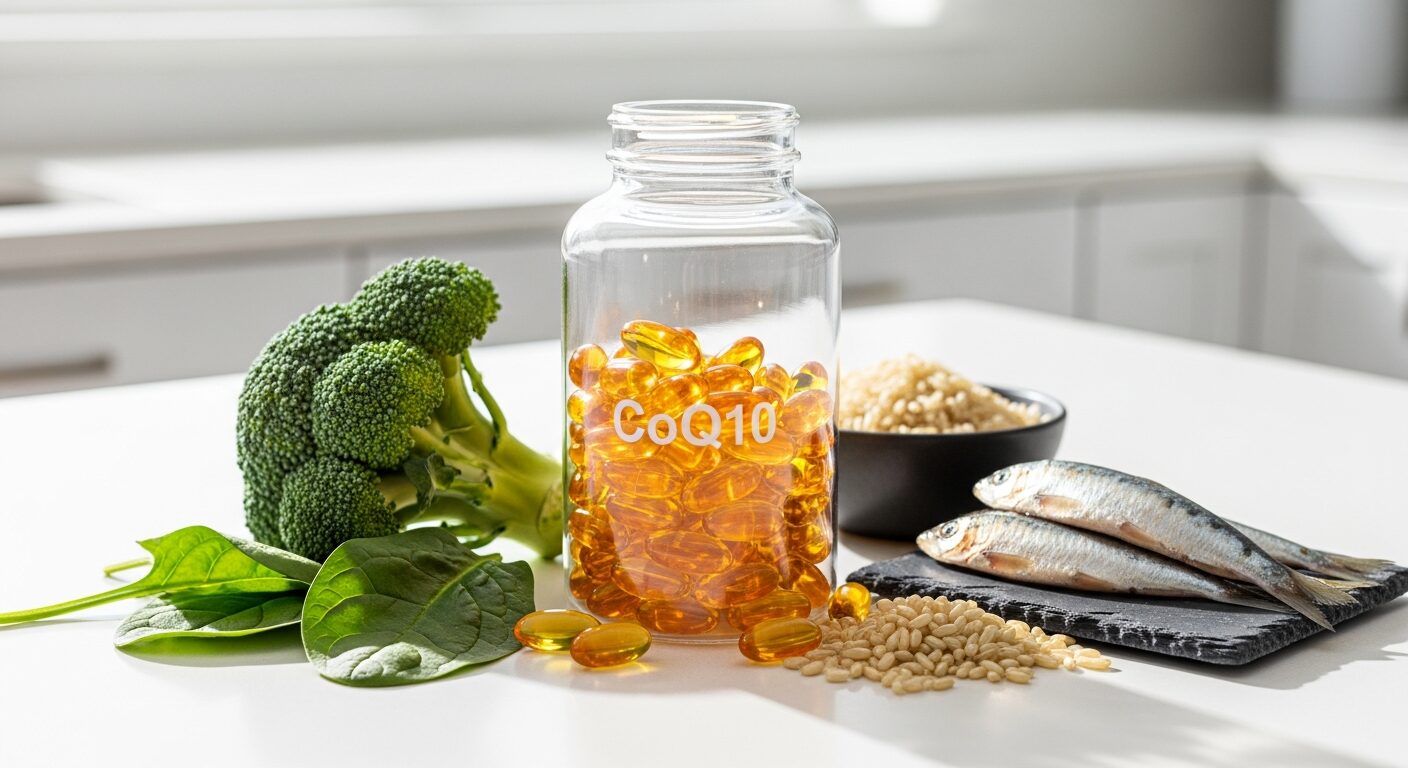
Coenzyme Q10 has quietly become one of the most researched nutrients of the past decade, yet most people still don’t understand what makes a truly effective CoQ10 supplement. While this powerful antioxidant plays crucial roles in cellular energy production and heart health, the supplement market is flooded with inferior formulations that may not deliver the promised benefits.
The difference between a high-quality CoQ10 supplement and a mediocre one isn’t just about price—it’s about bioavailability, form, and manufacturing standards that can dramatically impact how much your body actually absorbs and uses. Understanding these factors is essential for anyone looking to harness CoQ10’s scientifically-proven benefits for cardiovascular health, energy production, and cellular protection.
In this comprehensive guide, we’ll cut through the marketing hype to reveal what the science actually says about CoQ10 supplementation, debunk common misconceptions, and help you identify the most effective products based on rigorous research and real-world results.
🌿 Looking for CoQ10 supplements? Shop Amazon →
Contents
What is CoQ10
Coenzyme Q10, also known as ubiquinone, is a naturally occurring compound found in virtually every cell of the human body. This fat-soluble antioxidant plays a critical role in the mitochondria—the powerhouses of our cells—where it facilitates the production of adenosine triphosphate (ATP), the primary energy currency used by cellular processes.
The body naturally produces CoQ10, with the highest concentrations found in organs with high energy demands such as the heart, liver, kidneys, and brain. However, natural CoQ10 production begins to decline as early as age 20, with levels dropping by approximately 10% per decade. By age 65, CoQ10 levels can be 50% lower than they were in youth, which may contribute to age-related decline in energy and cellular function.
CoQ10 exists in two primary forms: ubiquinone (the oxidized form) and ubiquinol (the reduced, active antioxidant form). In healthy individuals, the body efficiently converts between these forms as needed. However, this conversion process can become less efficient with age, illness, or certain medical conditions, making the choice of supplement form particularly important for optimal absorption and effectiveness.
Key Benefits of CoQ10
Scientific research has identified several well-documented benefits of CoQ10 supplementation, particularly in areas related to cardiovascular health and cellular energy production. A comprehensive meta-analysis published in 2014 demonstrated that CoQ10 supplementation significantly improved endothelial function and reduced oxidative stress markers in patients with cardiovascular disease.
Cardiovascular support represents one of the most extensively studied applications of CoQ10. The compound helps maintain healthy blood pressure levels, supports optimal heart muscle function, and may reduce the risk of cardiovascular events in high-risk populations. Clinical studies have shown that CoQ10 supplementation can improve exercise capacity and quality of life in individuals with heart conditions.
Energy production and fatigue reduction constitute another major benefit category. Since CoQ10 is essential for mitochondrial ATP synthesis, supplementation may help combat age-related energy decline and support physical performance. Many users report improved stamina and reduced fatigue within weeks of beginning supplementation, particularly those with initially low CoQ10 levels.
The antioxidant properties of CoQ10 provide cellular protection against oxidative damage, which contributes to aging and various health conditions. Unlike many antioxidants that work in aqueous environments, CoQ10’s fat-soluble nature allows it to protect cell membranes and lipoproteins from oxidative stress, making it particularly valuable for maintaining cellular integrity.
What Most People Get Wrong About CoQ10
Despite its popularity, several persistent misconceptions about CoQ10 continue to mislead consumers and healthcare providers alike. Understanding these myths is crucial for making informed supplementation decisions based on scientific evidence rather than marketing claims.
Myth 1: All CoQ10 supplements are essentially the same. This widespread belief ignores the dramatic differences in bioavailability between formulations. Standard crystalline CoQ10 powders have notoriously poor absorption rates, with studies showing that only 2-3% may actually enter the bloodstream. Advanced formulations using nanotechnology, liposomal delivery, or oil-based softgels can increase absorption by 300-800%. The form matters tremendously—ubiquinol supplements generally show superior bioavailability compared to ubiquinone, particularly in older adults whose conversion efficiency has declined.
Myth 2: Higher doses always provide better results. Many consumers assume that mega-doses of CoQ10 will accelerate benefits, but research suggests a more nuanced relationship. Studies indicate that absorption efficiency actually decreases at very high doses, with the body’s uptake mechanisms becoming saturated. Most clinical benefits have been demonstrated with doses between 100-300mg daily, and taking doses beyond this range may simply result in expensive urine without additional health benefits. The key is consistent daily intake rather than sporadic high doses.
Myth 3: CoQ10 works immediately like a stimulant. Unlike caffeine or other quick-acting compounds, CoQ10’s benefits develop gradually as cellular levels normalize. Many people discontinue supplementation after a few days when they don’t feel an immediate energy boost. However, meaningful changes in cellular CoQ10 concentrations typically require 2-4 weeks of consistent supplementation, with optimal tissue levels achieved after 6-8 weeks. This timeline reflects the time needed for cellular uptake and mitochondrial integration.
Myth 4: Statin users don’t really need CoQ10 supplementation. While this remains somewhat controversial, substantial evidence suggests that statin medications significantly reduce CoQ10 levels by inhibiting the same metabolic pathway used for CoQ10 synthesis. Some physicians dismiss this interaction as clinically insignificant, but multiple studies have linked statin-induced CoQ10 depletion to muscle pain and weakness. Many cardiologists now routinely recommend CoQ10 supplementation for statin users, particularly those experiencing muscle-related side effects.
What Happens to Your Body After 30 Days of Taking CoQ10
Understanding the timeline of CoQ10’s effects helps set realistic expectations and demonstrates why consistent supplementation is essential for optimal results. The progression of benefits follows a predictable pattern based on the compound’s pharmacokinetics and cellular uptake mechanisms.
Week 1: Initial Cellular Uptake During the first seven days, CoQ10 levels in the bloodstream begin to rise, though tissue concentrations remain relatively unchanged. Most people don’t notice significant subjective effects during this period, as cellular CoQ10 stores are still normalizing. Some individuals with severe deficiencies may experience subtle improvements in energy levels, but dramatic changes are uncommon. The supplement is being absorbed and distributed to tissues, with the liver and other highly vascularized organs showing the earliest increases in concentration.
Week 2: Noticeable Metabolic Changes By the second week, tissue CoQ10 levels begin to normalize, particularly in the heart and skeletal muscle. Many users report the first noticeable improvements in energy levels and exercise tolerance during this period. Clinical studies demonstrate that plasma CoQ10 levels typically plateau after 10-14 days of supplementation, indicating that cellular uptake mechanisms are becoming saturated. Some individuals notice improved sleep quality and reduced fatigue, particularly during physical activities.
Weeks 3-4: Optimal Tissue Saturation The final two weeks of the first month represent the achievement of optimal tissue CoQ10 levels in most organ systems. Users frequently report peak improvements in energy, exercise capacity, and general well-being during this period. Cardiovascular benefits become more apparent, with some studies showing improvements in blood pressure and endothelial function by week 4. The antioxidant effects also reach their maximum, providing enhanced protection against oxidative stress and supporting overall cellular health.
Individual responses can vary significantly based on factors including age, baseline CoQ10 levels, overall health status, and the specific supplement formulation used. Older adults and those with cardiovascular conditions often experience more dramatic improvements, likely reflecting their greater baseline deficiencies and higher potential for benefit.
Who Should NOT Take CoQ10
While CoQ10 is generally considered safe for most adults, certain populations should exercise caution or avoid supplementation entirely. Understanding these contraindications is essential for safe and effective use.
Individuals taking warfarin or other blood thinners represent the most important cautionary group. CoQ10 can potentially interfere with anticoagulant medications by supporting vitamin K-dependent processes involved in blood clotting. Patients on warfarin therapy should never begin CoQ10 supplementation without physician supervision and may require more frequent INR monitoring to prevent dangerous changes in clotting times.
Pregnant and breastfeeding women should generally avoid CoQ10 supplements due to insufficient safety data in these populations. While CoQ10 is naturally present in the body and likely safe, the higher doses found in supplements have not been adequately studied during pregnancy and lactation. The potential risks to developing fetuses or nursing infants remain unknown.
Individuals with low blood pressure should use caution, as CoQ10 can have modest blood pressure-lowering effects. Those already taking antihypertensive medications may experience excessive blood pressure reduction, potentially leading to dizziness, fainting, or other complications. Regular blood pressure monitoring is advisable when combining CoQ10 with blood pressure medications.
Patients scheduled for surgery should discontinue CoQ10 supplementation at least two weeks before any planned procedures. The compound’s effects on blood clotting and blood pressure could potentially interfere with surgical procedures or interact with anesthesia medications.
Children under 18 should generally not take CoQ10 supplements unless specifically recommended by a pediatrician for documented deficiency conditions. The developing bodies of children and adolescents typically produce adequate CoQ10, and the long-term effects of supplementation in growing individuals are not well-established.
Dosage and Best Forms
Optimal CoQ10 dosing depends on individual factors including age, health status, and specific health goals. Most clinical research has utilized doses between 100-300mg daily, with this range providing the best balance of efficacy and safety for general health maintenance.
For healthy adults under 50, a daily dose of 100-150mg typically provides adequate support for energy production and antioxidant protection. Adults over 50 or those with cardiovascular concerns may benefit from 200-300mg daily, reflecting their naturally declining CoQ10 levels and potentially greater needs.
The form of CoQ10 significantly impacts absorption and effectiveness. Ubiquinol, the reduced form, generally offers superior bioavailability, particularly in older adults. However, high-quality ubiquinone formulations using advanced delivery systems can achieve comparable absorption at lower costs. Oil-based softgels consistently outperform dry powder capsules due to CoQ10’s fat-soluble nature.
Timing and co-administration also influence absorption. Taking CoQ10 with meals containing dietary fats enhances absorption by 2-3 fold compared to taking it on an empty stomach. Dividing larger doses throughout the day may improve overall absorption and maintain more consistent blood levels.
🌿 Looking for CoQ10 Supplements?
Browse top-rated CoQ10 supplements, independently tested and recommended by our editorial team.
Affiliate disclosure: We may earn a small commission at no extra cost to you.
Frequently Asked Questions
How long does it take for CoQ10 to start working?
Most people begin noticing energy improvements within 2-3 weeks of consistent supplementation, with optimal benefits typically achieved after 4-6 weeks. However, cardiovascular benefits may take 8-12 weeks to become apparent, as these effects require more time to develop and stabilize.
Can I take CoQ10 with other supplements?
CoQ10 generally combines well with most other supplements and may even enhance the effectiveness of certain nutrients like vitamin E and selenium. However, avoid taking it simultaneously with iron supplements, as iron can promote CoQ10 oxidation and reduce its effectiveness. Space these supplements apart by at least 2 hours.
Is it better to take CoQ10 in the morning or evening?
CoQ10 can be taken at any time of day, but many people prefer morning administration to support daytime energy levels. Since it doesn’t contain stimulants, evening intake is also acceptable and won’t interfere with sleep. The most important factor is consistency rather than timing.
What foods contain CoQ10 naturally?
Organ meats like heart and liver contain the highest CoQ10 concentrations, followed by fatty fish, whole grains, and nuts. However, dietary sources typically provide only 5-10mg daily, which is insufficient to significantly raise blood levels compared to supplementation.
Can CoQ10 cause side effects?
CoQ10 is generally well-tolerated, with side effects being rare and mild. Some people may experience digestive upset, headaches, or dizziness, particularly when starting supplementation. These effects usually resolve within a few days and can often be minimized by taking the supplement with food or reducing the initial dose.
Medical Disclaimer
The information provided in this article is for educational purposes only and should not be considered medical advice. CoQ10 supplementation may interact with certain medications and medical conditions. Always consult with a qualified healthcare provider before starting any new supplement regimen, especially if you have existing health conditions, take medications, or are pregnant or breastfeeding. Individual results may vary, and supplements are not intended to diagnose, treat, cure, or prevent any disease. The statements in this article have not been evaluated by the Food and Drug Administration.