
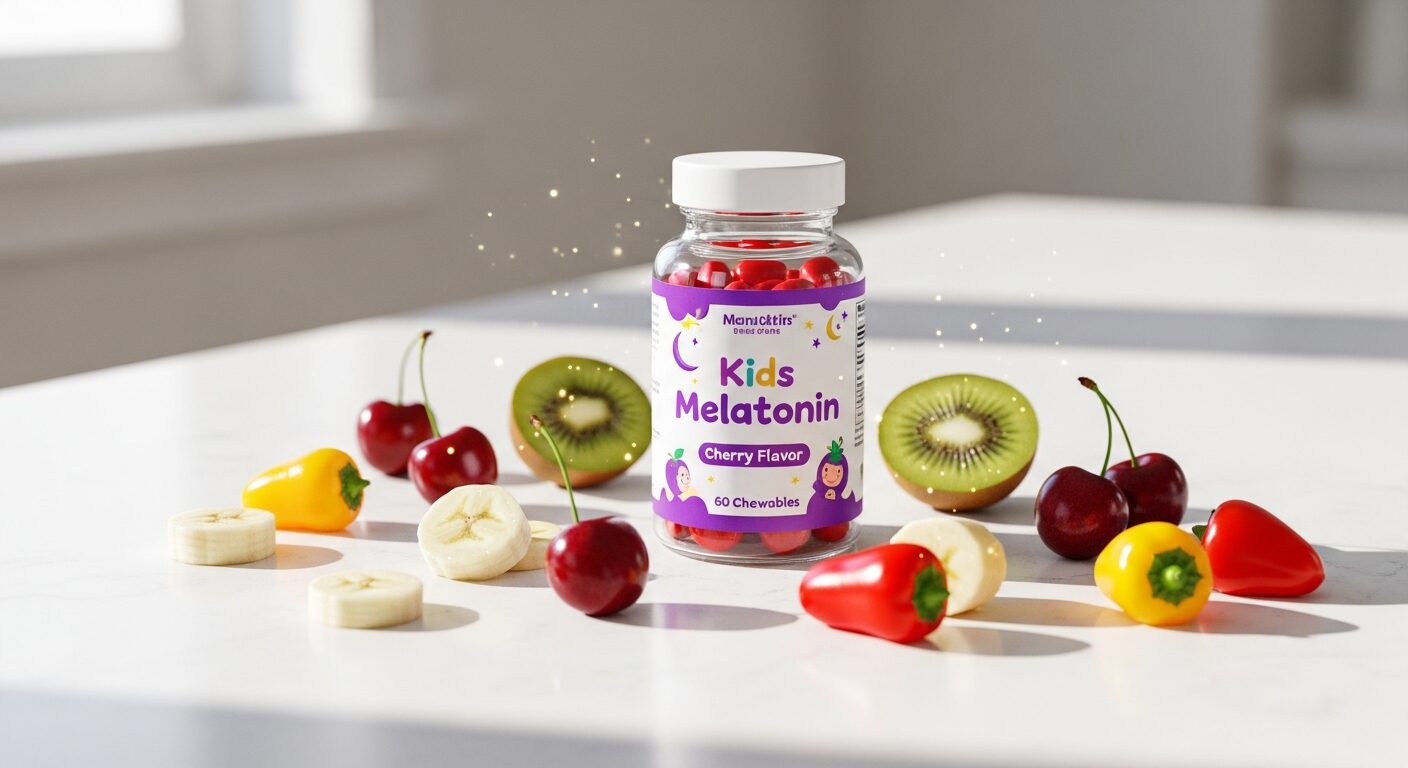
When your child tosses and turns night after night, leaving the entire family exhausted, the search for safe sleep solutions becomes urgent. Melatonin has emerged as one of the most popular natural supplements for children’s sleep issues, with pediatric usage increasing by over 500% in the past decade. However, navigating the world of children’s melatonin supplements can feel overwhelming for parents seeking both effectiveness and safety.
Unlike adult sleep aids, children’s developing bodies require special consideration when it comes to melatonin supplementation. The stakes are higher, the dosages are different, and the quality standards must be more stringent. This comprehensive guide will help you understand everything you need to know about selecting the safest and most effective melatonin options for your child, backed by the latest scientific research.
From understanding proper dosages to identifying red flags in product labels, we’ll explore the evidence-based approach to children’s melatonin supplementation that prioritizes both sleep improvement and long-term health.
🌿 Looking for Melatonin supplements? Shop Amazon →
Contents
What is Melatonin
Melatonin is a naturally occurring hormone produced by the pineal gland in the brain, often called the body’s internal clock. This remarkable molecule regulates our circadian rhythms, signaling to the body when it’s time to sleep and when it’s time to wake up. In children, melatonin production typically begins around three months of age and gradually increases throughout childhood.
The body’s natural melatonin production is triggered by darkness and suppressed by light exposure. As evening approaches, melatonin levels begin to rise, reaching peak concentrations between 2-4 AM before declining toward morning. This natural cycle can be disrupted by various factors including screen time, irregular sleep schedules, stress, or certain medical conditions.
Supplemental melatonin is synthetically produced in laboratories to match the molecular structure of naturally occurring melatonin. When properly manufactured, synthetic melatonin is identical to what the body produces and is generally considered safer than melatonin derived from animal sources. For children, this supplementation can help reset disrupted sleep patterns and establish healthier bedtime routines.
Key Benefits of Melatonin
Research has demonstrated several significant benefits of melatonin supplementation for children, particularly those struggling with sleep disorders or irregular sleep patterns. The primary benefit is improved sleep onset latency, meaning children fall asleep faster after taking melatonin. Studies show that melatonin can reduce the time it takes to fall asleep by an average of 15-30 minutes in children with sleep difficulties.
Beyond faster sleep onset, melatonin helps regulate overall sleep architecture. Children taking appropriate doses of melatonin often experience more consistent sleep-wake cycles, leading to better daytime alertness and improved behavioral regulation. This is particularly beneficial for children with attention deficit hyperactivity disorder (ADHD) or autism spectrum disorders, who commonly experience sleep disturbances.
Melatonin also provides antioxidant benefits that extend beyond sleep regulation. As a powerful antioxidant, melatonin helps protect cells from oxidative stress and supports immune function. Some research suggests that proper melatonin levels may contribute to better growth hormone release during sleep, which is crucial for children’s physical development.
Additionally, melatonin can be particularly helpful for children experiencing temporary sleep disruptions due to travel, schedule changes, or stressful life events. Unlike prescription sleep medications, melatonin doesn’t typically cause dependency or significant next-day drowsiness when used appropriately.
What Most People Get Wrong About Melatonin
One of the most pervasive misconceptions about melatonin is that “more is better” when it comes to dosing. Many parents assume that if a small dose helps their child sleep, a larger dose will work even better. However, research shows that melatonin follows a unique dose-response curve where higher doses can actually be counterproductive. Excessive melatonin can shift the body’s natural rhythm too dramatically, leading to grogginess, mood changes, and paradoxically, more sleep difficulties.
Another common myth is that melatonin is a sedative that directly causes sleepiness like prescription sleep medications. In reality, melatonin is a chronobiotic agent, meaning it works by shifting biological rhythms rather than inducing immediate sedation. This is why timing is crucial – melatonin should be given 1-3 hours before desired bedtime, not right at bedtime. Parents who give melatonin at the exact moment they want their child to sleep often report poor results.
Many people also believe that all melatonin supplements are created equal and that any brand will produce the same results. However, quality control studies have revealed shocking inconsistencies in melatonin products. Some supplements contain as little as 17% of the labeled dose, while others contain over 400% of what’s claimed on the label. Additionally, many products contain unlisted ingredients, including serotonin, which can be dangerous for children.
Perhaps the most dangerous misconception is that melatonin is completely harmless because it’s “natural.” While melatonin has an excellent safety profile when used appropriately, it is still a hormone that can interact with other medications and affect various bodily systems. Some parents give melatonin nightly for months or years without medical supervision, potentially masking underlying sleep disorders that require different treatment approaches.
What Happens to Your Body After 30 Days of Taking Melatonin
During the first week of melatonin supplementation, most children experience the initial adjustment phase. Sleep onset typically improves within 2-3 days, with children falling asleep 15-30 minutes earlier than baseline. However, some children may experience mild side effects during this period, including vivid dreams, slight morning grogginess, or temporary mood changes as their circadian rhythm adjusts to the new schedule.
By the second week, the body begins to establish a more consistent sleep-wake pattern. Children with neurodevelopmental disorders show improved sleep quality and duration, 2014 demonstrates that significant improvements in sleep quality become apparent during this timeframe. Parents often report that their children wake up more refreshed and show better daytime behavior regulation. The initial side effects typically diminish as the body adapts to the supplementation schedule.
During weeks three and four, the full benefits of melatonin supplementation usually become evident. Sleep patterns stabilize, and many children develop stronger natural sleep cues even on nights when melatonin isn’t given. Research indicates that consistent melatonin use can help strengthen the body’s natural circadian rhythm, potentially making it easier to maintain good sleep habits long-term. However, this is also the time when parents should evaluate whether continued supplementation is necessary or if behavioral sleep interventions alone can maintain the improvements.
It’s important to note that after 30 days of consistent use, some children may experience tolerance effects, where the same dose becomes less effective. This doesn’t mean the child needs a higher dose, but rather that it may be time for a “melatonin holiday” or a reassessment of the underlying sleep issues with a healthcare provider.
Who Should NOT Take Melatonin
Several groups of children should avoid melatonin supplementation or use it only under strict medical supervision. Children with autoimmune disorders should be particularly cautious, as melatonin can potentially stimulate immune system activity, which could exacerbate conditions like juvenile arthritis or type 1 diabetes. Additionally, children with bleeding disorders or those taking anticoagulant medications should avoid melatonin, as it may increase bleeding risk.
Children taking certain medications face significant interaction risks with melatonin. Melatonin drug interactions in children require careful monitoring, 2017 highlights that melatonin can interact with seizure medications, blood pressure medications, and certain antidepressants. Children taking immunosuppressive drugs should also avoid melatonin without explicit medical approval, as it may interfere with the intended immunosuppressive effects.
Age considerations are crucial when determining melatonin appropriateness. Children under 3 years of age should generally not receive melatonin supplements unless specifically prescribed by a pediatric sleep specialist. Very young children’s sleep patterns are still developing naturally, and premature intervention with hormonal supplements could potentially disrupt normal sleep maturation processes.
Children with certain medical conditions require special caution. Those with liver or kidney disease may not metabolize melatonin properly, leading to unpredictable effects or accumulation of the hormone in their system. Children with diabetes should be monitored closely, as melatonin may affect blood sugar levels. Additionally, children scheduled for surgery should discontinue melatonin at least one week prior to the procedure, as it may interact with anesthesia and affect blood clotting.
Parents should always consult with a healthcare provider before starting melatonin if their child has any chronic medical condition, takes regular medications, or if sleep problems persist despite consistent melatonin use. Warning signs that require immediate medical attention include severe mood changes, excessive daytime sleepiness, or any allergic reactions to melatonin supplementation.
Dosage and Best Forms
Determining the appropriate melatonin dosage for children requires careful consideration of age, weight, and the specific sleep issue being addressed. The general pediatric dosing guideline starts with the lowest effective dose, typically 0.5-1 mg for children aged 3-6 years, and 1-3 mg for children aged 6-12 years. Adolescents may require 3-5 mg, but doses should never exceed 5 mg without medical supervision.
Timing is equally important as dosage. Optimal timing for pediatric melatonin administration improves efficacy, 2013 demonstrates that melatonin should be administered 1-3 hours before desired bedtime for maximum effectiveness. Giving melatonin too close to bedtime or too early can disrupt its chronobiotic effects and reduce its benefits.
When selecting melatonin forms for children, several options are available, each with distinct advantages. Immediate-release tablets or gummies are most common and appropriate for children who have trouble falling asleep but sleep well once they’re asleep. These forms typically take effect within 30-60 minutes and are metabolized within 4-6 hours.
Extended-release formulations may be beneficial for children who fall asleep easily but wake frequently during the night. However, these should only be used under medical guidance, as they can cause morning grogginess if not properly timed with the child’s natural sleep needs.
Liquid melatonin offers the most precise dosing control and is often preferred for younger children or those who have difficulty swallowing pills. Sublingual (under-the-tongue) forms are absorbed more quickly but may not be suitable for very young children who might swallow them rather than allowing sublingual absorption.
When evaluating products, look for third-party tested supplements that clearly state the melatonin content and don’t contain unnecessary additives, artificial colors, or potential allergens. Avoid products that combine melatonin with other sleep-promoting ingredients, as these combinations haven’t been adequately studied in children and may increase the risk of side effects.
🌿 Looking for Melatonin Supplements?
Browse top-rated Melatonin supplements, independently tested and recommended by our editorial team.
Affiliate disclosure: We may earn a small commission at no extra cost to you.
Frequently Asked Questions
How long can my child safely take melatonin?
Most pediatric sleep experts recommend using melatonin for the shortest duration necessary to establish healthy sleep patterns, typically 3-6 months. Long-term safety data for children taking melatonin beyond one year is limited, so extended use should always be supervised by a healthcare provider. Many children can transition to behavioral sleep strategies once their circadian rhythm is reset.
Can melatonin cause dependency in children?
Unlike prescription sleep medications, melatonin doesn’t cause physical dependency. However, children and parents may develop a psychological dependence on the supplement for sleep. The key is using melatonin as a tool to establish good sleep habits rather than as a permanent solution, combined with consistent bedtime routines and good sleep hygiene practices.
What should I do if melatonin stops working for my child?
If melatonin becomes less effective after several weeks of use, consider taking a “melatonin holiday” for 1-2 weeks while maintaining consistent sleep routines. This can help reset the body’s sensitivity to supplemental melatonin. If sleep problems persist after resuming melatonin, consult with your child’s healthcare provider to rule out underlying sleep disorders.
Are there any natural alternatives to melatonin for children?
Several natural approaches can improve children’s sleep without supplementation, including maintaining consistent bedtime routines, limiting screen time 2 hours before bed, ensuring adequate daytime light exposure, and creating a cool, dark sleep environment. Relaxation techniques, such as deep breathing or gentle stretching, can also be effective for some children.
How do I know if my child’s melatonin supplement is high quality?
Look for products that have been third-party tested for purity and potency, clearly list all ingredients, and are manufactured in FDA-registered facilities. Avoid products with unnecessary additives, artificial colors, or those that make exaggerated health claims. Reputable manufacturers will provide certificates of analysis upon request and have clear contact information for customer questions.
Medical Disclaimer
This article is for informational purposes only and does not constitute medical advice. The information provided should not be used as a substitute for professional medical consultation, diagnosis, or treatment. Always consult with qualified healthcare providers before starting any supplement regimen for your child, especially if they have existing medical conditions or take medications.
Individual responses to melatonin supplementation can vary significantly, and what works safely for one child may not be appropriate for another. Parents should work closely with their child’s pediatrician or a qualified sleep specialist to develop an appropriate sleep management plan that considers the child’s unique health profile and needs.
If your child experiences any adverse reactions to melatonin supplementation, discontinue use immediately and seek medical attention. This article does not endorse any specific products or brands, and readers should conduct their own research and consult healthcare professionals when making supplement decisions for their children.