
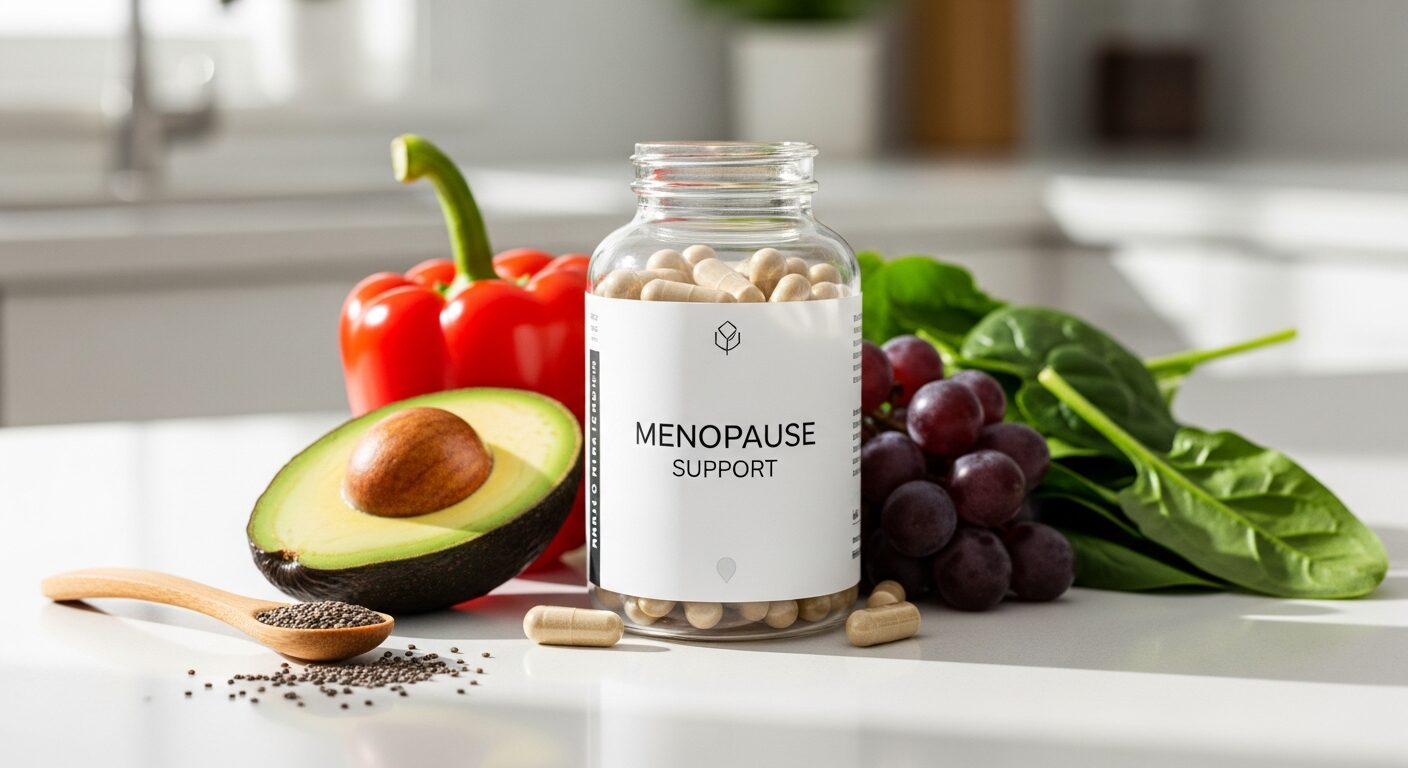
Menopause marks a significant transition in every woman’s life, bringing with it a cascade of hormonal changes that can affect everything from sleep quality to bone density. While this natural biological process is inevitable, the uncomfortable symptoms that often accompany it don’t have to be. Hot flashes, night sweats, mood swings, and weight gain can significantly impact quality of life, leaving many women searching for safe and effective relief.
The good news is that targeted supplementation can provide substantial support during this transitional period. Unlike hormone replacement therapy, which isn’t suitable for everyone, certain supplements offer a gentler approach to managing menopausal symptoms while supporting long-term health. From plant-based compounds that naturally balance hormones to essential nutrients that protect bone health, the right supplements can make the difference between struggling through menopause and thriving during this new phase of life.
Understanding which supplements are backed by solid scientific evidence—and how to use them effectively—is crucial for any woman navigating menopause. This comprehensive guide explores the most researched and effective supplements for menopausal support, helping you make informed decisions about your health during this important transition.
🌿 Looking for supplements supplements? Shop Amazon →
Contents
- 1 What Are Menopause Supplements
- 2 Key Benefits of Menopause Supplements
- 3 What Most People Get Wrong About Menopause Supplements
- 4 What Happens to Your Body After 30 Days of Taking Menopause Supplements
- 5 Who Should NOT Take Menopause Supplements
- 6 Dosage and Best Forms
- 7 Frequently Asked Questions
- 8 Medical Disclaimer
What Are Menopause Supplements
Menopause supplements are specialized nutritional products designed to address the specific physiological changes and symptoms that occur during perimenopause and menopause. These supplements work by targeting the root causes of menopausal discomfort, primarily the decline in estrogen and progesterone production that characterizes this life stage.
The most effective menopause supplements fall into several categories. Phytoestrogens, such as those found in black cohosh and red clover, are plant compounds that can bind to estrogen receptors and provide mild estrogenic effects. Adaptogenic herbs like ashwagandha and rhodiola help the body better manage stress and support adrenal function during hormonal transitions. Essential nutrients including calcium, magnesium, and vitamin D become increasingly important for maintaining bone health as estrogen levels decline.
Other key supplements include omega-3 fatty acids for cardiovascular and cognitive support, probiotics for digestive and immune health, and specific vitamins like B-complex and vitamin E that support energy metabolism and antioxidant protection. The most comprehensive approaches often combine multiple ingredients to address the interconnected nature of menopausal symptoms.
Key Benefits of Menopause Supplements
Scientific research has demonstrated numerous benefits of targeted supplementation during menopause. One of the most significant advantages is the reduction in vasomotor symptoms, particularly hot flashes and night sweats. Studies show that phytoestrogen-rich supplements can reduce hot flash frequency by up to 50% in many women, providing relief without the risks associated with synthetic hormones.
Bone health support represents another critical benefit. The rapid bone loss that occurs in the first five years after menopause can be significantly slowed through proper supplementation. Calcium and vitamin D work synergistically to maintain bone density, while magnesium and vitamin K2 ensure proper calcium utilization and bone matrix formation.
Mood stabilization and sleep improvement are equally important benefits. The hormonal fluctuations of menopause can disrupt neurotransmitter balance, leading to anxiety, depression, and insomnia. Supplements containing adaptogens, B vitamins, and magnesium can help restore emotional equilibrium and promote restorative sleep patterns.
Cardiovascular protection becomes increasingly important after menopause, as the protective effects of estrogen diminish. Omega-3 fatty acids, CoQ10, and plant sterols can help maintain healthy cholesterol levels and support overall heart health. Additionally, many women experience improvements in energy levels, cognitive function, and weight management when using appropriate supplements consistently.
What Most People Get Wrong About Menopause Supplements
One of the most pervasive myths about menopause supplements is that they work immediately, similar to pharmaceutical medications. Many women expect instant relief from hot flashes or mood swings within days of starting supplementation. In reality, most natural supplements require consistent use for 4-8 weeks before significant benefits become apparent. This is because supplements work by gradually restoring nutritional balance and supporting the body’s natural adaptation mechanisms, rather than providing immediate symptomatic relief.
Another common misconception is that “natural” automatically means “safe for everyone.” While plant-based supplements are generally gentler than synthetic hormones, they can still interact with medications and aren’t appropriate for all women. For example, black cohosh can interact with certain liver medications, and high doses of soy isoflavones may not be suitable for women with a history of hormone-sensitive cancers. The assumption that natural supplements have no side effects or contraindications can lead to inappropriate use and missed opportunities for medical supervision.
Many people also believe that taking isolated nutrients is more effective than comprehensive formulations. This “more is better” mentality often leads women to take excessive doses of single ingredients like calcium or vitamin E, potentially creating imbalances. The human body operates through complex biochemical networks, and nutrients work synergistically. For instance, calcium requires adequate vitamin D, magnesium, and vitamin K2 for optimal absorption and utilization. Taking high doses of calcium alone may actually increase the risk of cardiovascular problems if these cofactors are inadequate.
Perhaps the most surprising misconception is that menopause supplements are only necessary for women experiencing severe symptoms. Research shows that proactive supplementation can actually prevent or minimize many menopausal symptoms before they become problematic. Women who begin appropriate supplementation during perimenopause often experience smoother transitions and better long-term health outcomes, including preserved bone density and cardiovascular function.
What Happens to Your Body After 30 Days of Taking Menopause Supplements
Week 1 represents the initial adaptation period when your body begins responding to increased nutrient availability. During this time, you might notice subtle improvements in energy levels and sleep quality, particularly if you were deficient in key nutrients like B vitamins or magnesium. Some women experience mild digestive adjustments as their system adapts to new supplements, especially those containing probiotics or fiber-rich botanicals. Hot flash patterns may begin to shift slightly, though dramatic changes are unlikely during this early period.
Week 2 typically brings more noticeable effects as nutrient levels stabilize and phytoestrogens begin accumulating in tissues. Many women report improved sleep continuity and reduced night sweats during this period. Mood stability often improves as B vitamins and adaptogens support neurotransmitter balance and stress response. Joint comfort may increase due to anti-inflammatory compounds found in many menopausal support formulations. Energy levels often show marked improvement as cellular metabolism becomes more efficient.
Weeks 3-4 represent the period when full benefits typically emerge. Hot flash frequency and intensity often show significant reduction, with some women experiencing 40-60% fewer episodes. Bone-supporting nutrients have begun optimizing calcium metabolism and supporting osteoblast activity. Cognitive clarity frequently improves as hormonal fluctuations stabilize and brain fog diminishes. Sleep architecture often normalizes, with deeper, more restorative rest becoming the norm rather than the exception.
By day 30, many women notice comprehensive improvements in their overall well-being. Skin hydration and elasticity may improve due to enhanced collagen support and hormonal balance. Weight management often becomes easier as metabolic function improves and stress-related cortisol levels normalize. Cardiovascular markers frequently show positive changes, including improved lipid profiles and better blood pressure regulation. The cumulative effect creates a foundation for continued improvement with long-term supplementation.
Who Should NOT Take Menopause Supplements
Women with hormone-sensitive conditions require special consideration before starting menopause supplements. Those with a personal or strong family history of breast cancer, endometrial cancer, or ovarian cancer should avoid phytoestrogen-rich supplements unless specifically approved by their oncologist. While plant-based estrogens are much weaker than human estrogen, they can still influence hormone-sensitive tissues and may not be appropriate for high-risk individuals.
Certain medical conditions create contraindications for specific supplements. Women with bleeding disorders should avoid supplements containing ginkgo biloba or high-dose omega-3s without medical supervision, as these can increase bleeding risk. Those with autoimmune conditions may need to avoid immune-stimulating herbs like echinacea or astragalus. Liver disease patients should exercise caution with any supplements, particularly those containing black cohosh or high doses of fat-soluble vitamins.
Drug interactions represent another important consideration. Women taking blood thinners like warfarin should avoid supplements containing vitamin K, ginkgo, or omega-3 fatty acids without dose adjustments from their physician. Those on thyroid medications need to be cautious with soy-based supplements and calcium, which can interfere with thyroid hormone absorption. Antidepressant users should consult their doctor before adding supplements containing 5-HTP or St. John’s wort, which can interact with psychiatric medications.
Pregnant or breastfeeding women should avoid most menopause-specific supplements, as these are formulated for post-reproductive physiology. Women with severe kidney disease may need to limit certain minerals like potassium or phosphorus. Those scheduled for surgery should discontinue most herbal supplements at least two weeks beforehand to prevent bleeding complications or interactions with anesthesia. Any woman experiencing unusual symptoms, severe depression, or concerning changes in menstrual patterns should consult a healthcare provider before beginning supplementation.
Dosage and Best Forms
Black cohosh, one of the most researched menopause supplements, is typically effective at doses of 40-80mg daily of standardized extract. Clinical studies demonstrate optimal results with 40mg daily, though some women may benefit from higher doses under professional guidance. Look for products standardized to contain 2.5% triterpene glycosides for consistency and potency.
For calcium supplementation, the recommended daily intake for postmenopausal women is 1200mg, but this should include dietary sources. Supplemental calcium is best taken in doses of 500mg or less at a time for optimal absorption. Calcium citrate is generally better absorbed than calcium carbonate, especially in older adults with reduced stomach acid production. Always pair calcium with 400-800 IU of vitamin D3 and 200-400mg of magnesium for proper utilization.
Omega-3 fatty acids should provide at least 1000mg combined EPA and DHA daily, with many experts recommending 2000-3000mg for optimal anti-inflammatory effects. Choose molecularly distilled fish oil or algae-based omega-3s for vegetarians. Timing with meals improves absorption and reduces any potential digestive upset.
Vitamin D requirements vary significantly based on sun exposure, skin color, and geographic location, but most postmenopausal women need 1000-4000 IU daily to maintain optimal blood levels of 30-50 ng/mL. Vitamin D3 (cholecalciferol) is more effective than D2 (ergocalciferol) for maintaining blood levels. Annual testing helps determine appropriate dosing.
Magnesium supplementation typically ranges from 200-400mg daily, with magnesium glycinate or magnesium malate offering better absorption and fewer digestive side effects than magnesium oxide. Take magnesium in the evening to support relaxation and sleep quality. Phytoestrogen-rich supplements like red clover should provide 40-80mg of isoflavones daily, while evening primrose oil is typically used at 1000-3000mg daily for hormonal support.
🌿 Looking for supplements Supplements?
Browse top-rated supplements supplements, independently tested and recommended by our editorial team.
Affiliate disclosure: We may earn a small commission at no extra cost to you.
Frequently Asked Questions
How long does it take for menopause supplements to work?
Most women begin noticing subtle improvements within 2-3 weeks, with significant benefits typically appearing after 4-8 weeks of consistent use. Some nutrients like magnesium may improve sleep quality within days, while phytoestrogens and adaptogens require longer to build therapeutic levels. Maximum benefits often require 3-6 months of regular supplementation, as the body needs time to restore nutritional balance and adapt to hormonal changes.
Can I take menopause supplements with hormone replacement therapy?
Many supplements can safely complement hormone replacement therapy, but coordination with your healthcare provider is essential. Some combinations may enhance therapeutic effects, while others might create excessive estrogenic activity. Nutrients like calcium, vitamin D, and omega-3s are generally beneficial alongside HRT, while phytoestrogens may need dose adjustments. Always inform your doctor about all supplements you’re taking to ensure safe and effective treatment.
Are there any side effects from menopause supplements?
Most high-quality menopause supplements are well-tolerated when used appropriately, but side effects can occur. Common mild effects include initial digestive adjustments, especially with probiotics or fiber-rich botanicals. Phytoestrogens may cause breast tenderness or changes in menstrual patterns in perimenopausal women. Excessive calcium can cause constipation, while too much magnesium may cause loose stools. Starting with lower doses and gradually increasing can minimize potential side effects.
Should I continue taking menopause supplements long-term?
The duration of supplementation depends on individual needs and health goals. Nutrients supporting bone health, cardiovascular function, and cognitive health are often beneficial for lifelong use, as these needs don’t disappear after menopause symptoms subside. Symptom-specific supplements like those for hot flashes may be reduced or discontinued once hormones stabilize. Long-term studies suggest continued benefits from sustained use of key nutrients, particularly for preventing age-related health decline.
Can younger women take menopause supplements?
Most menopause-specific supplements are formulated for the physiological needs of peri- and postmenopausal women and aren’t necessary for younger women with normal hormone levels. However, some nutrients like calcium, vitamin D, and omega-3s benefit women of all ages. Younger women experiencing premature menopause or surgical menopause may benefit from these supplements under medical guidance. Research shows that early intervention can help prevent long-term health consequences in women experiencing early menopause.
Medical Disclaimer
The information provided in this article is for educational purposes only and is not intended as a substitute for professional medical advice, diagnosis, or treatment. Always seek the advice of your physician or other qualified healthcare provider with any questions you may have regarding menopause or any medical condition. Never disregard professional medical advice or delay in seeking it because of something you have read in this article.
Individual responses to supplements can vary significantly, and what works for one person may not be appropriate for another. Before starting any new supplement regimen, especially if you have existing health conditions, take medications, or are pregnant or breastfeeding, consult with a qualified healthcare professional. This is particularly important for women with a history of hormone-sensitive conditions or those currently undergoing medical treatment.
The statements regarding supplements have not been evaluated by the Food and Drug Administration. These products are not intended to diagnose, treat, cure, or prevent any disease. If you experience any adverse reactions while taking supplements, discontinue use immediately and consult your healthcare provider.