
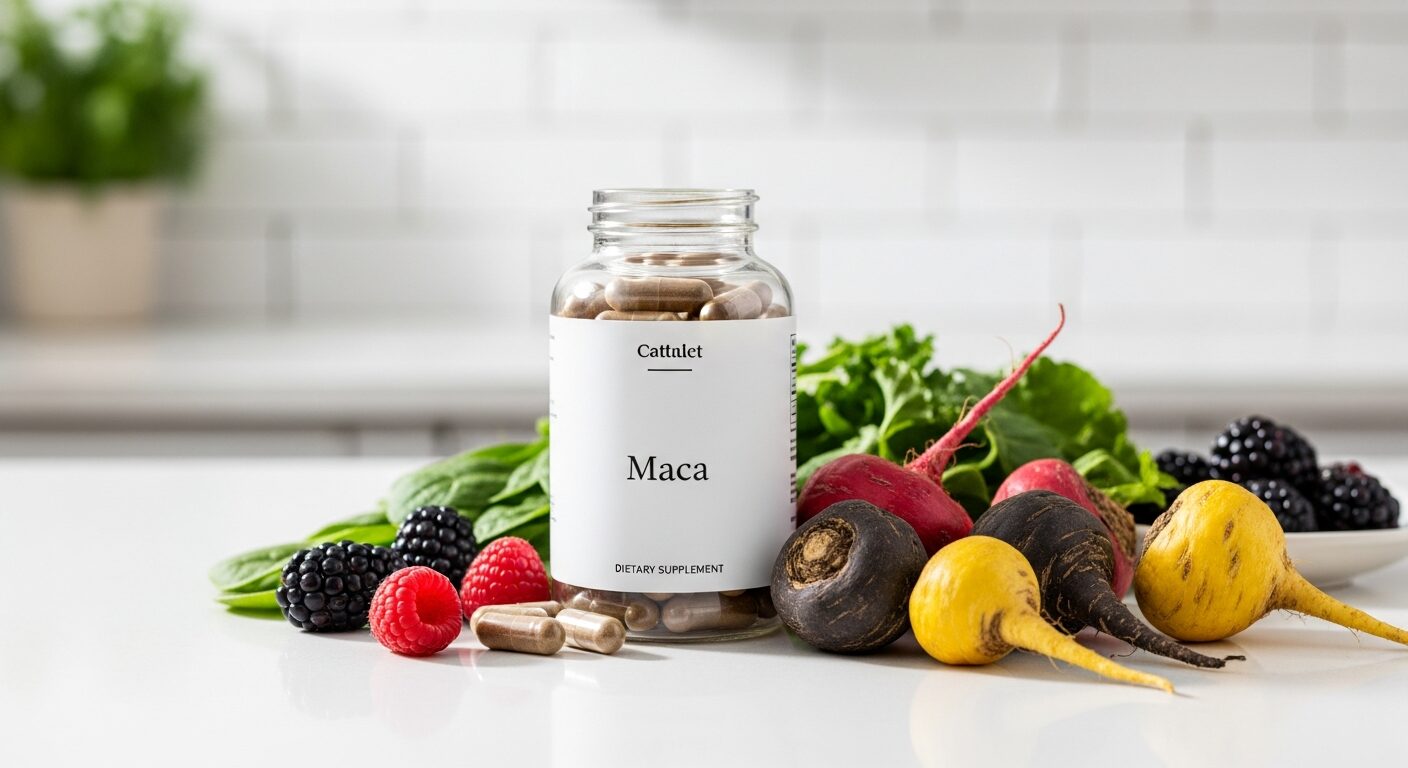
Maca root has gained tremendous popularity in the health and wellness community, but most people don’t realize there are actually three distinct varieties of this powerful superfood. Red, black, and yellow maca each offer unique benefits and work differently in your body, yet they’re often lumped together as simply “maca” in supplement stores and online articles.
Understanding the key differences between these three varieties could be the difference between experiencing life-changing benefits or wondering why maca “doesn’t work” for you. Each color contains different concentrations of bioactive compounds, affects different body systems, and is better suited for specific health goals. Whether you’re looking to boost energy, enhance fertility, or support cognitive function, choosing the right maca variety is crucial for getting the results you’re after.
In this comprehensive guide, we’ll break down the science behind each maca variety, debunk common myths, and help you determine which type aligns with your health objectives. By the end, you’ll have the knowledge to make an informed decision about incorporating maca into your wellness routine.
Contents
What is Maca
Maca (Lepidium meyenii) is a cruciferous vegetable native to the high Andes mountains of Peru, where it has been cultivated for over 2,000 years. This hardy plant thrives at altitudes between 13,000 and 14,500 feet, making it one of the few crops that can survive in such extreme conditions. The indigenous people of Peru have long revered maca as both a food source and medicinal plant, traditionally using it to enhance fertility, energy, and overall vitality.
The maca plant produces a turnip-like root that comes in several colors, with red, black, and yellow being the most common varieties. These color differences aren’t just cosmetic – they represent distinct genetic variations that produce different concentrations of bioactive compounds. The root is typically dried and ground into powder, though it can also be processed into extracts and capsules for supplementation.
What makes maca particularly interesting from a nutritional standpoint is its unique combination of macronutrients and bioactive compounds. The root contains significant amounts of carbohydrates, protein, fiber, and various vitamins and minerals. More importantly, it contains several classes of bioactive compounds including macamides, macaenes, glucosinolates, and various alkaloids that contribute to its health-promoting properties.
Key Benefits of Maca
Scientific research has identified several evidence-based benefits of maca supplementation, though the specific effects can vary depending on the variety consumed. One of the most well-documented benefits is maca’s ability to enhance sexual function and libido in both men and women. Effect of Lepidium meyenii (MACA) on sexual desire and its absent relationship with serum testosterone levels in adult healthy men, 2002 demonstrated that maca supplementation significantly improved sexual desire independent of testosterone levels.
Energy and stamina enhancement represent another major benefit category. Many users report sustained energy increases without the jittery effects associated with caffeine-based stimulants. This energy boost appears to stem from maca’s ability to support adrenal function and help the body adapt to stress more effectively. The adaptogenic properties of maca may help regulate cortisol levels and support overall hormonal balance.
Cognitive function and mood support have also been documented in research studies. Regular maca consumption has been associated with improved focus, mental clarity, and mood stability. Some studies suggest that certain maca varieties may help reduce symptoms of anxiety and depression, though more research is needed to fully understand these mechanisms.
Fertility enhancement represents one of maca’s most traditional uses, and modern research has begun to validate these applications. Studies have shown that maca may improve sperm quality and motility in men, while potentially supporting reproductive hormone balance in women. The fertility benefits appear to be most pronounced with specific maca varieties, highlighting the importance of choosing the right type for your goals.
What Most People Get Wrong About Maca
One of the biggest misconceptions about maca is that all varieties provide identical benefits. This couldn’t be further from the truth. Research has clearly demonstrated that red, black, and yellow maca contain different concentrations of bioactive compounds and produce distinct physiological effects. Yellow maca, for instance, is particularly rich in compounds that support fertility and hormonal balance, while black maca shows superior benefits for energy, stamina, and cognitive function. Red maca appears to be most effective for prostate health and bone density. Treating all maca varieties as interchangeable means you might be taking the wrong type for your specific health goals.
Another widespread myth is that maca works like a hormone or directly increases testosterone levels. Many marketing claims suggest that maca will dramatically boost testosterone, leading people to expect immediate hormonal changes. However, scientific evidence shows that maca works as an adaptogen, helping to regulate and balance hormones rather than artificially elevating them. The 2002 study mentioned earlier specifically found that maca’s libido-enhancing effects occurred without changes in testosterone levels, indicating that its mechanisms of action are more complex and nuanced than simple hormone elevation.
Many people also believe that maca provides immediate, stimulant-like energy similar to caffeine. This expectation leads to disappointment when users don’t experience an instant energy rush. In reality, maca’s energy-boosting effects are gradual and cumulative, building over weeks of consistent use. The energy enhancement comes from supporting adrenal function and cellular energy production rather than providing acute stimulation. This sustained approach actually offers superior long-term benefits without the crashes associated with stimulants.
Finally, there’s a persistent myth that more maca is always better. Some people assume that if a standard dose provides certain benefits, doubling or tripling the dose will multiply the effects. However, maca follows a bell curve response, meaning there’s an optimal dosage range for maximum benefits. Taking too much maca can actually diminish its effectiveness and may cause side effects like digestive upset, mood changes, or sleep disturbances. Finding the right dosage for your individual needs is crucial for experiencing optimal results.
What Happens to Your Body After 30 Days of Taking Maca
Week 1 typically brings subtle but noticeable changes for most users. During this initial period, many people report improved sleep quality and a slight increase in morning energy levels. Digestive changes are also common as your body adjusts to the new supplement – some may experience mild stomach upset if taking maca on an empty stomach, while others notice improved regularity. Mood stability often begins to improve during this first week, with users reporting feeling more balanced and less reactive to daily stressors.
Week 2 is when more pronounced effects typically emerge. Energy levels generally show significant improvement, with users reporting sustained vitality throughout the day without afternoon crashes. Libido enhancement, if it’s going to occur, usually becomes apparent during this timeframe. Mental clarity and focus often sharpen noticeably, making it easier to concentrate on tasks and maintain productivity. Some users also report improvements in workout performance and recovery during this period.
Weeks 3-4 represent the full manifestation of maca’s benefits. By this point, hormonal balancing effects are typically well-established, leading to more consistent energy patterns, improved stress resilience, and enhanced overall well-being. Beneficial effects of Lepidium meyenii (Maca) on psychological symptoms and measures of sexual dysfunction in postmenopausal women are not related to estrogen or androgen content, 2006 showed that significant improvements in sexual function and mood occurred after several weeks of consistent use.
Individual responses can vary significantly based on factors like age, health status, dosage, and which maca variety is being used. Some people may experience benefits sooner, while others might need 6-8 weeks to notice full effects. Consistency is key – sporadic use is unlikely to produce the cumulative benefits that make maca supplementation worthwhile.
Who Should NOT Take Maca
Pregnant and breastfeeding women should avoid maca supplementation due to insufficient safety data. While maca has been traditionally consumed as food in Peru, concentrated supplements haven’t been adequately studied in pregnant populations. The hormone-balancing effects of maca could potentially interfere with the delicate hormonal changes necessary during pregnancy and lactation.
Individuals with hormone-sensitive conditions need to exercise extreme caution with maca supplementation. This includes people with breast cancer, ovarian cancer, endometriosis, or uterine fibroids. While maca doesn’t contain hormones itself, its ability to influence hormonal balance could potentially exacerbate these conditions. Anyone with a hormone-sensitive condition should consult with their healthcare provider before considering maca supplementation.
People taking certain medications may need to avoid maca or use it under medical supervision. Blood pressure medications could interact with maca’s cardiovascular effects, while blood thinners might be affected by maca’s influence on circulation. Additionally, individuals taking medications for depression or anxiety should be cautious, as maca’s mood-affecting properties could potentially interact with psychiatric medications.
Those with thyroid disorders should approach maca with caution. Maca belongs to the brassica family of vegetables, which contains compounds called goitrogens that can interfere with thyroid function in susceptible individuals. While cooking or processing typically reduces goitrogen content, people with hypothyroidism or other thyroid conditions should consult their healthcare provider before using maca supplements.
Individuals with digestive disorders like IBS, Crohn’s disease, or severe GERD may find that maca exacerbates their symptoms. The high fiber content and bioactive compounds in maca can be difficult for some people to tolerate, particularly when starting supplementation. Anyone with a history of digestive issues should start with very small doses and monitor their response carefully.
Dosage and Best Forms
The optimal maca dosage varies depending on the form you’re taking and your individual goals. For maca powder, typical dosages range from 1-3 teaspoons (3-9 grams) daily, usually divided into two doses. Capsulated maca extracts are more concentrated, with effective doses typically ranging from 500-1500mg daily. It’s always best to start with the lowest effective dose and gradually increase as needed.
Gelatinized maca powder is often considered the superior form for supplementation. This process removes the starch content, making the maca easier to digest and more concentrated in bioactive compounds. Raw maca powder is less expensive but can cause digestive upset in sensitive individuals. Maca extracts in capsule form offer convenience and precise dosing but may lack some of the synergistic compounds found in whole maca powder.
Timing can influence maca’s effectiveness. Many people find that taking maca in the morning provides sustained energy throughout the day without interfering with sleep. However, some individuals prefer splitting their dose between morning and early afternoon. Taking maca with food can help minimize potential digestive side effects, especially when first starting supplementation.
🌿 Looking for Maca Supplements?
Browse top-rated Maca supplements, independently tested and recommended by our editorial team.
Affiliate disclosure: We may earn a small commission at no extra cost to you.
Frequently Asked Questions
Can I take different colored maca varieties together?
Yes, combining different maca varieties is generally safe and may provide synergistic benefits. Many traditional preparations in Peru actually use mixed varieties. However, it’s often more effective to start with one variety that matches your primary health goals, then consider adding others after you’ve established how your body responds to maca supplementation.
How long should I take maca before expecting results?
Most people begin noticing initial effects within 1-2 weeks, with full benefits typically emerging after 3-4 weeks of consistent use. Lepidium meyenii (Maca) improved semen parameters in adult men, 2009 showed significant improvements in sperm parameters after 4 months of supplementation, indicating that some benefits may continue to develop over longer periods.
Is it necessary to cycle off maca periodically?
While not strictly necessary, many practitioners recommend taking periodic breaks from maca supplementation to maintain its effectiveness. A common approach is taking maca for 6-8 weeks followed by a 1-2 week break. This prevents your body from becoming too accustomed to the supplement and helps maintain its adaptogenic benefits.
Can maca interact with birth control pills?
There’s no direct evidence that maca interferes with hormonal contraceptives, but its hormone-balancing effects could theoretically influence how your body responds to birth control. If you’re using hormonal contraception and considering maca supplementation, it’s wise to consult with your healthcare provider and monitor for any changes in menstrual patterns or contraceptive effectiveness.
Which maca variety is best for menopause symptoms?
Red maca appears to be most beneficial for menopausal women, particularly for supporting bone health and reducing hot flashes. Yellow maca may also help with hormonal balance during menopause. Many women find that a combination of red and yellow maca provides comprehensive support for menopausal symptoms, but individual responses can vary significantly.
Medical Disclaimer
The information provided in this article is for educational purposes only and is not intended as medical advice. Maca supplements have not been evaluated by the FDA and are not intended to diagnose, treat, cure, or prevent any disease. Individual results may vary, and the safety and efficacy of maca supplementation can depend on various factors including age, health status, and concurrent medications.
Before starting any new supplement regimen, especially if you have pre-existing health conditions or are taking medications, consult with a qualified healthcare professional. Pregnant and nursing women, children, and individuals with serious medical conditions should not use maca supplements without medical supervision. If you experience any adverse effects while taking maca, discontinue use immediately and consult your healthcare provider.