
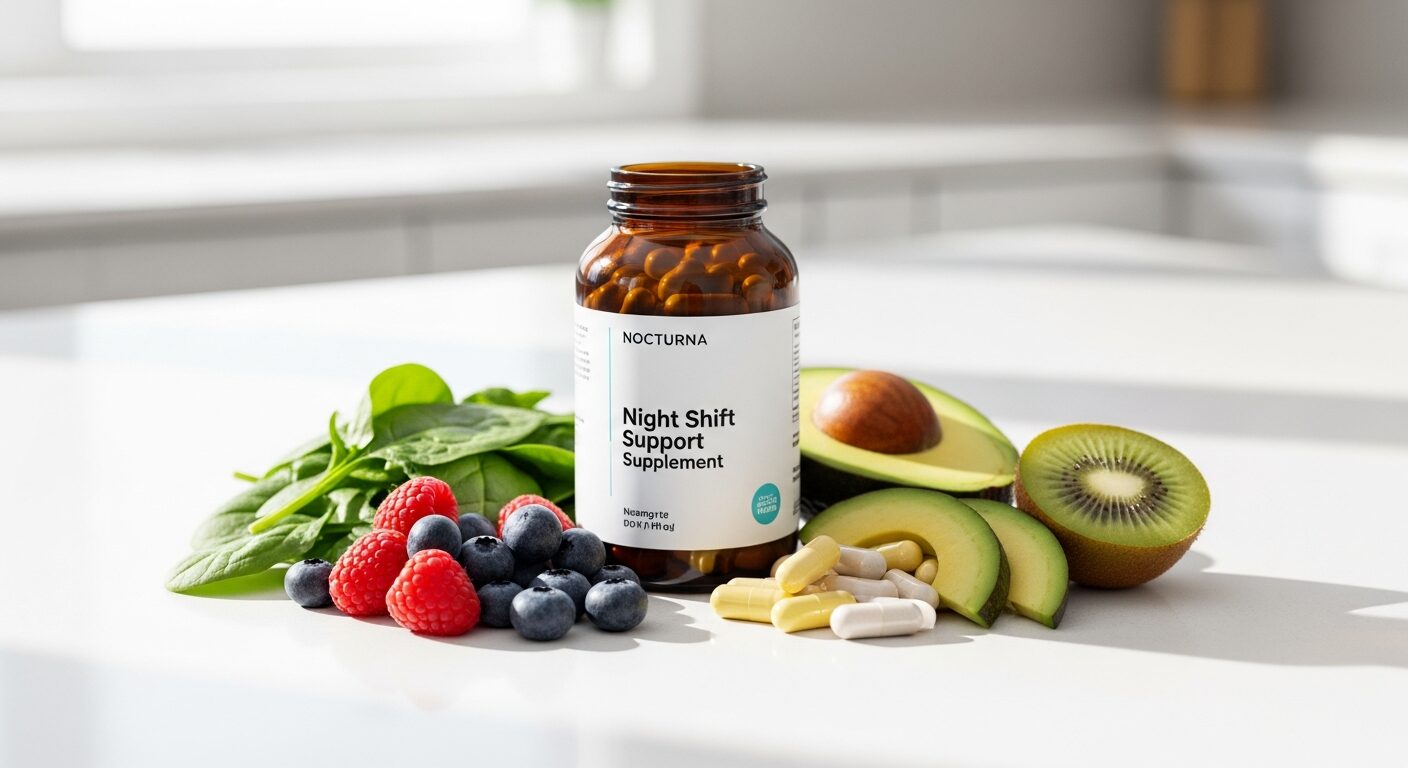
Working the night shift fundamentally disrupts your body’s natural circadian rhythm, creating a cascade of physiological challenges that can impact everything from your sleep quality to your immune system. If you’re among the 15 million Americans who work overnight or rotating shifts, you’ve likely experienced the struggle of staying alert during work hours while trying to sleep during the day. This constant battle against your biological clock doesn’t just leave you feeling tired – it can lead to serious health consequences including increased risk of cardiovascular disease, diabetes, and mental health issues.
The unique demands of night shift work require more than just willpower and caffeine to overcome. Your body operates on a complex system of hormonal fluctuations, neurotransmitter production, and cellular repair processes that are all synchronized to a 24-hour cycle. When you work against this natural rhythm, you’re essentially asking your body to perform optimally while operating in survival mode. This is where targeted supplementation can make a significant difference, providing your body with the specific nutrients and compounds it needs to adapt to an unconventional schedule.
While no supplement can completely eliminate the challenges of shift work, research has identified several key nutrients and compounds that can help mitigate the negative effects and support your body’s ability to function during non-traditional hours. Understanding which supplements work, how they work, and when to take them can be the difference between merely surviving your shift work schedule and actually thriving despite it.
🌿 Looking for supplements supplements? Shop Amazon →
Contents
- 1 What are Supplements for Night Shift Workers
- 2 Key Benefits of Supplements for Night Shift Workers
- 3 What Most People Get Wrong About Supplements for Night Shift Workers
- 4 What Happens to Your Body After 30 Days of Taking Supplements for Night Shift Workers
- 5 Who Should NOT Take Supplements for Night Shift Workers
- 6 Dosage and Best Forms
- 7 Frequently Asked Questions
- 7.1 Can I take melatonin every day as a night shift worker?
- 7.2 How long before my shift should I stop taking supplements that promote sleep?
- 7.3 Will caffeine supplements affect my ability to sleep after my shift?
- 7.4 Are there any supplements that can help with the digestive issues common in night shift work?
- 7.5 Should I take different supplements on my days off compared to work days?
- 8 Medical Disclaimer
What are Supplements for Night Shift Workers
Supplements for night shift workers are specifically chosen nutrients, herbs, and compounds designed to address the unique physiological challenges that arise from working during nighttime hours. Unlike general health supplements, these targeted formulations focus on supporting circadian rhythm regulation, promoting daytime sleep quality, maintaining alertness during overnight hours, and protecting against the long-term health risks associated with shift work.
The core categories of supplements for night shift workers include circadian rhythm regulators like melatonin, alertness enhancers such as caffeine and B-vitamins, sleep quality supporters including magnesium and L-theanine, and protective antioxidants that help combat the increased oxidative stress associated with disrupted sleep patterns. These supplements work synergistically to help your body adapt to an inverted schedule while minimizing the negative health impacts.
What sets shift work supplements apart is their timing-specific application. Rather than taking the same supplements at the same time each day, night shift workers need to strategically time their supplementation to support their unique sleep-wake cycle. This might mean taking melatonin in the morning before daytime sleep, using caffeine strategically during the night shift, and incorporating adaptogenic herbs to help manage the stress of constantly fighting against natural biological rhythms.
Key Benefits of Supplements for Night Shift Workers
The primary benefit of targeted supplementation for night shift workers is improved circadian rhythm adaptation. Melatonin supplementation has been shown to help reset the body’s internal clock, making it easier to fall asleep during daylight hours and maintain better sleep quality. Research demonstrates that melatonin can reduce the time it takes to fall asleep by an average of 7 minutes and increase total sleep time by 8 minutes, which may seem modest but represents significant improvement for shift workers struggling with daytime sleep.
Enhanced cognitive performance and alertness during work hours represents another crucial benefit. B-vitamins, particularly B12 and B6, play essential roles in neurotransmitter production and energy metabolism. When your body’s natural energy cycles are disrupted, these vitamins become even more critical for maintaining mental clarity and focus. Caffeine, when used strategically rather than continuously, can provide sustained alertness without the crash associated with poor timing or excessive doses.
Long-term health protection is perhaps the most important benefit of appropriate supplementation for shift workers. Night shift work increases oxidative stress and inflammation in the body, potentially accelerating aging and increasing disease risk. Antioxidants like vitamin C, vitamin E, and selenium help neutralize free radicals, while omega-3 fatty acids provide anti-inflammatory support. Additionally, vitamin D supplementation becomes crucial for shift workers who have limited sun exposure, helping maintain bone health and immune function.
Mood stabilization and stress management represent additional benefits that shouldn’t be overlooked. The constant disruption of natural rhythms can lead to increased rates of depression and anxiety among shift workers. Supplements like magnesium and adaptogenic herbs such as ashwagandha can help regulate the stress response and support emotional well-being during this challenging lifestyle.
What Most People Get Wrong About Supplements for Night Shift Workers
One of the most pervasive misconceptions is that taking melatonin right before your night shift will help you stay alert and focused. This couldn’t be further from the truth. Melatonin is a sleep-promoting hormone that signals to your body that it’s time to wind down. Taking it before work will actually make you drowsier and less alert. The correct approach is to take melatonin 30-60 minutes before you want to sleep during the day, helping to override the natural alerting signals your body receives from daylight exposure.
Another common mistake is believing that more caffeine equals better performance throughout the night shift. While caffeine can be helpful, timing and dosage are crucial. Taking large amounts of caffeine late in your shift can interfere with your ability to sleep when you get home, perpetuating a cycle of poor sleep and dependence on stimulants. Strategic caffeine consumption, with moderate doses early in the shift and avoiding caffeine in the final 4-6 hours before intended sleep time, proves more effective for both performance and subsequent sleep quality, Sleep Medicine Reviews, 2006.
Many people also assume that sleeping pills are the solution to daytime sleep difficulties. However, traditional sleep medications can leave you groggy when you need to be alert for work and may not address the underlying circadian rhythm disruption. Instead of relying solely on sleep aids, a combination approach using natural sleep supporters like magnesium, L-theanine, and properly timed light exposure tends to be more effective for long-term success.
Perhaps the most dangerous misconception is that energy drinks and pre-workout supplements designed for daytime athletes are appropriate for night shift workers. These products often contain excessive amounts of caffeine combined with other stimulants, creating an artificial energy spike followed by a significant crash. They also frequently contain ingredients that can interfere with sleep quality, making recovery between shifts more difficult. Night shift workers need sustained, gentle energy support rather than intense stimulation.
What Happens to Your Body After 30 Days of Taking Supplements for Night Shift Workers
During the first week of targeted supplementation, most night shift workers notice initial improvements in their ability to fall asleep during the day. Melatonin begins to help reset circadian rhythm signals, though complete adaptation hasn’t occurred yet. You may find yourself falling asleep 10-15 minutes faster than before, and sleep feels slightly more refreshing. B-vitamins start supporting energy production at the cellular level, though dramatic energy improvements aren’t typically noticeable yet. Some people experience mild digestive adjustments as their system adapts to new supplements.
Week two brings more noticeable effects as your body begins to establish new patterns. Sleep quality improves significantly, with many people reporting more consolidated sleep periods and fewer middle-of-the-day awakenings. Cognitive performance during night shifts shows measurable improvement, particularly in tasks requiring sustained attention and working memory, as supported by studies on shift work adaptation, Occupational Medicine, 2003. Energy levels become more stable throughout the work shift, with less reliance on multiple caffeine doses to maintain alertness.
By weeks three and four, the full benefits of consistent supplementation become apparent. Your circadian rhythm has begun to adapt to your work schedule, making the transition between sleep and wake periods smoother. Mood improvements are often reported during this period, as better sleep quality and more stable energy levels reduce the stress associated with shift work. Physical recovery between shifts improves noticeably, and many people find they have more energy for activities outside of work. Immune function may also show improvement, as better sleep quality supports immune system recovery and function.
The cumulative effect after 30 days is a more sustainable approach to night shift work. Rather than feeling like you’re constantly fighting against your body, you begin to work with your adapted rhythm. However, it’s important to note that complete adaptation to night shift work is an ongoing process, and consistency with supplementation and sleep hygiene practices remains crucial for maintaining these benefits.
Who Should NOT Take Supplements for Night Shift Workers
Pregnant and breastfeeding women should exercise extreme caution with shift work supplements, particularly melatonin and herbal adaptogens. Melatonin can affect reproductive hormones and may impact fetal development, while many adaptogenic herbs lack sufficient safety data for pregnancy. These women should work closely with their healthcare provider to develop a safe approach to managing shift work challenges, focusing primarily on lifestyle modifications rather than supplementation.
Individuals taking certain medications face significant interaction risks with common shift work supplements. Blood thinners like warfarin can interact dangerously with omega-3 supplements and some herbal products. Antidepressants, particularly MAO inhibitors, can have serious interactions with supplements containing tyramine or those that affect serotonin levels. People taking diabetes medications should be cautious with supplements that can affect blood sugar levels, including certain adaptogenic herbs and high doses of B-vitamins.
Those with autoimmune conditions should approach immune-supporting supplements with caution, as these may potentially overstimulate an already hyperactive immune system. Similarly, people with seizure disorders should avoid supplements that can lower seizure threshold, including some nootropics and high doses of certain B-vitamins. Individuals with cardiovascular conditions need careful monitoring when using stimulant-containing supplements, as these can affect heart rate and blood pressure, European Heart Journal, 2005.
Children and adolescents working night shifts (where legally permitted) have different physiological needs and sensitivities compared to adults. Their developing brains and bodies may respond unpredictably to supplements, and many products haven’t been tested for safety in younger populations. Elderly night shift workers also require special consideration, as they may metabolize supplements differently and are more likely to be taking multiple medications that could interact with supplementation.
Anyone experiencing persistent health problems, severe insomnia lasting more than a few weeks, or concerning symptoms like chest pain, severe mood changes, or persistent digestive issues should consult with a healthcare provider before beginning any supplementation regimen. These symptoms may indicate underlying health conditions that require medical attention rather than supplemental support.
Dosage and Best Forms
Melatonin dosing for night shift workers differs significantly from standard recommendations. Rather than the typical 3-5mg doses often suggested for general sleep support, shift workers typically respond better to lower doses of 0.5-1mg taken 30-60 minutes before intended daytime sleep. Higher doses can lead to grogginess upon waking and may actually disrupt sleep quality. Extended-release formulations can be beneficial for maintaining sleep throughout the day when dealing with environmental disruptions like noise and light.
B-vitamin supplementation should focus on active forms for better absorption and utilization. Methylcobalamin (B12) in doses of 500-1000mcg daily, preferably taken at the beginning of your shift, can support energy production and cognitive function. Pyridoxal-5′-phosphate (P5P), the active form of B6, at 25-50mg daily helps support neurotransmitter production. A high-quality B-complex supplement taken with your pre-shift meal often provides better results than individual B-vitamins taken in isolation.
Magnesium supplementation works best in forms that are easily absorbed and less likely to cause digestive upset. Magnesium glycinate or magnesium malate in doses of 200-400mg taken 1-2 hours before intended sleep can support muscle relaxation and improve sleep quality. Avoid magnesium oxide, which has poor absorption and can cause digestive issues, particularly when you’re already dealing with the gastrointestinal disruptions common in shift work.
Caffeine timing and dosing become critical for night shift workers. Rather than consuming large amounts sporadically, smaller doses of 50-100mg every 4-6 hours during the first two-thirds of your shift provide more sustained alertness with less crash. Stop caffeine consumption at least 4-6 hours before your intended sleep time to avoid sleep interference. L-theanine at 100-200mg can be paired with caffeine doses to reduce jitters and provide smoother energy.
🌿 Looking for supplements Supplements?
Browse top-rated supplements supplements, independently tested and recommended by our editorial team.
Affiliate disclosure: We may earn a small commission at no extra cost to you.
Frequently Asked Questions
Can I take melatonin every day as a night shift worker?
Yes, daily melatonin use is generally safe for most night shift workers and may be necessary for maintaining proper circadian rhythm regulation. However, use the lowest effective dose (typically 0.5-1mg) and take it consistently at the same time relative to your intended sleep period. If you rotate between day and night shifts, you may need to adjust timing and potentially cycle off melatonin during day shift periods to avoid confusion in your circadian system.
How long before my shift should I stop taking supplements that promote sleep?
Sleep-promoting supplements like melatonin, magnesium, and L-theanine should be avoided for at least 8-10 hours before your shift begins. These supplements can cause drowsiness and reduced alertness, which can be dangerous in work environments. Plan your supplement timing around your sleep schedule rather than your work schedule, taking sleep supporters before daytime rest and alertness supporters before or during your night shift.
Will caffeine supplements affect my ability to sleep after my shift?
Caffeine has a half-life of 5-6 hours, meaning it takes that long for your body to eliminate half of the consumed caffeine. To avoid sleep interference, stop consuming caffeine at least 6 hours before your intended sleep time. If your shift ends at 7 AM and you plan to sleep by 9 AM, avoid caffeine after 3 AM during your shift.
Are there any supplements that can help with the digestive issues common in night shift work?
Yes, digestive issues are common due to eating at irregular hours and disrupted circadian rhythms. Probiotics can help maintain gut health, while digestive enzymes taken with meals may improve nutrient absorption. Ginger supplements (250-500mg) can help with nausea, and fiber supplements can help regulate bowel movements that often become irregular with shift work schedules.
Should I take different supplements on my days off compared to work days?
Your supplement regimen may need adjustment on days off, particularly if you’re trying to maintain a more normal sleep schedule. You might reduce or eliminate alertness-supporting supplements while maintaining sleep and recovery supporters. However, if you work consecutive night shifts, it’s often better to maintain your adapted schedule even on days off rather than constantly switching back and forth, which can be more disruptive to your system.
Medical Disclaimer
The information provided in this article is for educational purposes only and is not intended as a substitute for professional medical advice, diagnosis, or treatment. Always consult with a qualified healthcare provider before starting any supplement regimen, especially if you have pre-existing medical conditions, take medications, or are pregnant or breastfeeding. Individual responses to supplements can vary significantly, and what works for one person may not be appropriate for another. Night shift work can have serious health implications, and persistent sleep problems, mood changes, or other concerning symptoms should be evaluated by a healthcare professional. The FDA has not evaluated statements about supplements for the purpose of diagnosing, treating, curing, or preventing any disease.