
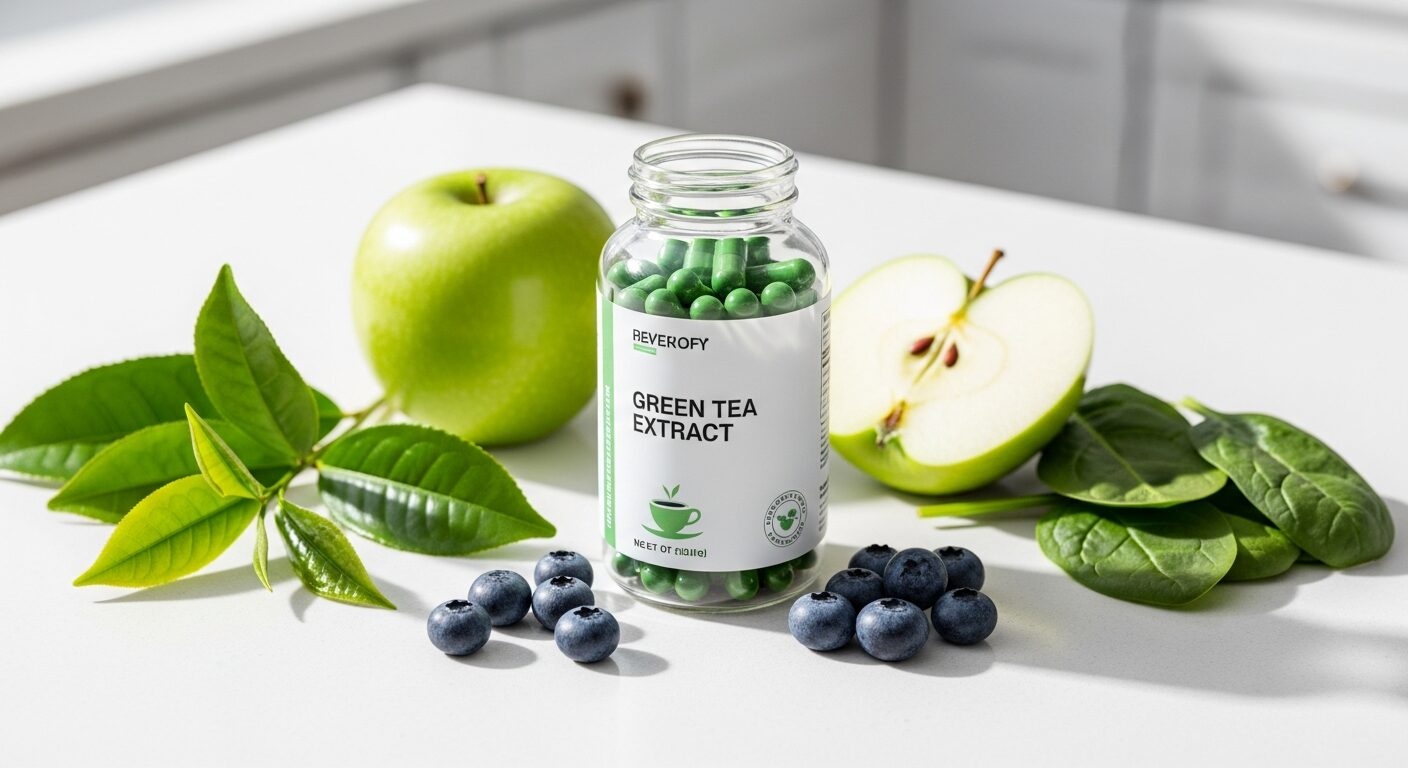
Green tea has been revered for centuries as more than just a soothing beverage. Ancient Chinese and Japanese cultures recognized its profound health benefits long before modern science could explain why. Today, green tea extract has emerged as one of the most researched natural compounds for weight management and metabolic health, with hundreds of scientific studies validating what traditional wisdom has long suggested.
While millions of people worldwide consume green tea daily, the concentrated extract form offers a more potent and convenient way to harness its active compounds. The key lies in understanding not just what green tea extract can do, but how it works in your body and what realistic expectations you should have. Unfortunately, the supplement industry has created confusion with exaggerated claims and oversimplified explanations.
This comprehensive guide examines the scientific evidence behind green tea extract for weight loss, separates fact from fiction, and provides you with the practical knowledge needed to make informed decisions about incorporating this powerful compound into your health regimen.
🌿 Looking for Green Tea Extract supplements? Shop Amazon →
Contents
What is Green Tea Extract
Green tea extract is a concentrated form of green tea (Camellia sinensis) that contains high levels of bioactive compounds, particularly catechins and caffeine. Unlike the tea you drink, which contains only a fraction of these beneficial compounds, green tea extract can deliver standardized amounts of the most important active ingredients.
The primary active compound in green tea extract is epigallocatechin gallate (EGCG), which typically makes up 50-80% of the total catechin content in quality extracts. EGCG is responsible for many of the metabolic and weight management benefits associated with green tea consumption. Other important catechins include epicatechin (EC), epicatechin gallate (ECG), and epigallocatechin (EGC).
Most commercial green tea extracts are standardized to contain specific percentages of total catechins and EGCG, ensuring consistent potency across batches. A typical high-quality extract might contain 95% polyphenols, 75% catechins, and 45% EGCG. This standardization allows for precise dosing and predictable effects, which is impossible to achieve with regular tea consumption alone.
The extraction process typically involves using water or ethanol to concentrate the beneficial compounds while removing tannins and other components that can cause stomach irritation. Some manufacturers use specialized techniques like CO2 extraction to preserve the delicate catechin structures and maximize bioavailability.
Key Benefits of Green Tea Extract
Scientific research has identified several mechanisms by which green tea extract supports weight management and overall metabolic health. The most significant benefit is its ability to increase thermogenesis – the process by which your body burns calories to produce heat. Studies show that EGCG can increase energy expenditure by 4-5%, which may seem modest but translates to meaningful calorie burning over time.
Green tea extract also appears to enhance fat oxidation, particularly during exercise. Research indicates that it can increase the body’s ability to use fat as fuel by up to 17%, making workouts more effective for weight loss. This effect is attributed to EGCG’s ability to inhibit catechol-O-methyltransferase (COMT), an enzyme that breaks down norepinephrine, a hormone that signals fat cells to break down fat.
Beyond weight management, green tea extract provides powerful antioxidant protection. The catechins neutralize harmful free radicals that can damage cells and contribute to aging and disease. This antioxidant activity is approximately 25-100 times more potent than vitamins C and E, making green tea extract one of the most powerful natural antioxidants available.
The compound also supports cardiovascular health by improving cholesterol profiles, reducing blood pressure, and enhancing blood vessel function. Hursel et al., 2011 demonstrated that green tea catechins can significantly reduce LDL cholesterol and increase HDL cholesterol when consumed regularly.
Additionally, green tea extract may improve insulin sensitivity and glucose metabolism, potentially reducing the risk of type 2 diabetes. The catechins appear to enhance the body’s ability to process glucose and may help prevent blood sugar spikes after meals.
What Most People Get Wrong About Green Tea Extract
One of the most persistent misconceptions is that green tea extract is a “fat burner” that will melt away pounds without any lifestyle changes. This oversimplification ignores the complex reality of how the compound actually works. While green tea extract can modestly increase metabolism and enhance fat oxidation, it’s not a magic solution that bypasses the fundamental principles of energy balance.
The reality is that green tea extract works best as part of a comprehensive approach that includes proper nutrition and regular physical activity. Studies showing significant weight loss typically involve participants who also followed calorie-controlled diets or exercise programs. The extract enhances these efforts rather than replacing them.
Another common mistake is assuming that more is always better when it comes to dosing. Many people take excessive amounts of green tea extract, believing it will accelerate results. However, research shows that there’s an optimal dose range beyond which benefits plateau and side effects increase. Taking 800-1000mg of EGCG daily doesn’t provide twice the benefits of 400-500mg but significantly increases the risk of liver stress and other adverse effects.
People also frequently underestimate the importance of timing and absorption factors. EGCG is poorly absorbed when taken with food, particularly meals high in protein or iron. Many users take their green tea extract with breakfast and wonder why they don’t see results. The compound is best absorbed on an empty stomach or with vitamin C, which can enhance bioavailability by up to 13-fold.
Perhaps the most dangerous misconception is that green tea extract is completely safe because it’s “natural.” While generally well-tolerated, high-dose green tea extract can interact with medications and cause serious side effects in certain individuals. The concentrated nature of extracts means you’re consuming far more active compounds than you would from drinking tea, which changes the safety profile significantly.
What Happens to Your Body After 30 Days of Taking Green Tea Extract
During the first week of supplementation, most people experience subtle changes that are easy to miss. Your body begins adapting to the increased catechin intake, and cellular mechanisms start shifting. The most noticeable early effect is often improved mental alertness due to the caffeine content, though this is typically less jittery than coffee-induced stimulation due to the presence of L-theanine in quality extracts.
At the metabolic level, your body starts producing more of the enzymes responsible for fat oxidation. Norepinephrine levels begin to increase as COMT enzyme activity is inhibited, though the effects on actual fat burning are minimal at this stage. Some people report slight improvements in exercise performance and recovery, likely due to the antioxidant effects beginning to accumulate in tissues.
By the second week, the thermogenic effects become more pronounced. Diepvens et al., 2007 found that metabolic rate increases typically become measurable after 7-10 days of consistent supplementation. During this period, you might notice that you feel slightly warmer after meals or that you’re sweating a bit more during workouts – signs that your body is burning more calories.
The antioxidant benefits also become more apparent during week two. Your body’s oxidative stress markers begin to improve, which can translate to better recovery from exercise, improved skin appearance, and enhanced overall energy levels. Some users report that they feel less fatigued in the afternoon, which may be related to improved cellular energy production.
Weeks three and four represent the period when green tea extract’s full benefits typically manifest. If you’re combining supplementation with proper diet and exercise, this is when weight loss often becomes noticeable. The enhanced fat oxidation becomes more significant, particularly during physical activity. Studies suggest that the body’s adaptation to green tea catechins reaches a plateau around this time, meaning you’re experiencing the maximum metabolic boost the compound can provide.
The cumulative antioxidant effects are also most pronounced during this final period. Inflammation markers continue to improve, and many people report better sleep quality, enhanced mental clarity, and improved overall well-being. It’s important to note that individual responses vary significantly, and factors like genetics, lifestyle, and overall health status influence how quickly and dramatically you’ll experience these changes.
Who Should NOT Take Green Tea Extract
Pregnant and breastfeeding women should avoid high-dose green tea extract supplements. While moderate green tea consumption is generally considered safe during pregnancy, concentrated extracts can provide excessive amounts of caffeine and catechins that may cross the placental barrier or enter breast milk. The developing fetus and nursing infants are particularly sensitive to these compounds.
Individuals with liver conditions or a history of liver problems should exercise extreme caution with green tea extract. High doses of EGCG have been associated with hepatotoxicity in rare cases, particularly when taken on an empty stomach or in combination with other supplements. Sarma et al., 2008 documented several cases of liver injury associated with green tea extract supplementation, though most occurred with doses exceeding recommended amounts.
People taking blood-thinning medications like warfarin should consult their healthcare provider before using green tea extract. The vitamin K content and other compounds in green tea can interfere with anticoagulant medications, potentially altering bleeding times and increasing the risk of complications. Similar concerns exist for individuals taking antiplatelet drugs like aspirin or clopidogrel.
Those with iron-deficiency anemia should be cautious, as green tea catechins can significantly reduce iron absorption. The compounds bind to iron in the digestive tract, making it unavailable for absorption. If you must take green tea extract and have iron deficiency, separate the doses by at least two hours and consider taking vitamin C with your iron supplements to counteract the inhibitory effects.
Individuals with anxiety disorders or those sensitive to stimulants should start with lower doses or avoid green tea extract altogether. While the caffeine content is typically lower than coffee, the combination with other bioactive compounds can still trigger anxiety, jitters, or sleep disturbances in sensitive individuals. People with heart rhythm disorders should also consult their doctor, as caffeine can exacerbate certain cardiac conditions.
Children and adolescents should not take concentrated green tea extract supplements without medical supervision. Their developing systems are more sensitive to caffeine and other compounds, and appropriate dosing guidelines for younger populations haven’t been well established through research.
Dosage and Best Forms
The optimal dosage of green tea extract depends on the concentration of active compounds and your individual goals. For general health and mild metabolic support, 200-400mg of EGCG daily is typically sufficient. For more pronounced weight management effects, research suggests 400-500mg of EGCG daily, usually divided into two or three doses.
When selecting a green tea extract supplement, look for products standardized to contain at least 50% EGCG and 90% total polyphenols. Avoid products that don’t specify their catechin content or those making unrealistic claims about rapid weight loss. Third-party testing for purity and potency is also important, as the supplement industry has variable quality standards.
The most bioavailable forms are those that include absorption enhancers like piperine (from black pepper) or are taken with vitamin C. Some manufacturers use specialized delivery systems like liposomes or phytosomes to improve absorption, though these are typically more expensive and the benefits may not justify the additional cost for most users.
Timing is crucial for optimal absorption and effects. Take green tea extract 30-60 minutes before meals on an empty stomach for best absorption. If you experience stomach irritation, you can take it with a small amount of food, though this will reduce absorption somewhat. Avoid taking it within 4-6 hours of bedtime due to the caffeine content.
For exercise enhancement, take your dose 30-45 minutes before workouts to maximize the fat-oxidation benefits. If you’re taking multiple doses daily, space them at least 4-6 hours apart to maintain consistent blood levels of the active compounds.
🌿 Looking for Green Tea Extract Supplements?
Browse top-rated Green Tea Extract supplements, independently tested and recommended by our editorial team.
Shop Green Tea Extract on Amazon →
Affiliate disclosure: We may earn a small commission at no extra cost to you.
Frequently Asked Questions
How long does it take to see results from green tea extract?
Most people begin experiencing metabolic changes within 7-10 days, but visible weight loss results typically take 3-4 weeks when combined with proper diet and exercise. The timeline varies significantly based on individual factors like metabolism, lifestyle, and starting weight. Consistency is key – sporadic use won’t produce meaningful results.
Can I take green tea extract if I already drink green tea?
Yes, but you need to account for the total caffeine and catechin intake to avoid excessive doses. One cup of green tea contains approximately 25-50mg of EGCG and 25-50mg of caffeine, while a typical extract capsule might contain 200-400mg of EGCG and 50-100mg of caffeine. Monitor your total daily intake to stay within safe limits.
Will green tea extract interfere with my sleep?
The caffeine content can interfere with sleep if taken too close to bedtime. Most people should avoid taking green tea extract within 6 hours of their intended sleep time. If you’re particularly sensitive to caffeine, consider decaffeinated versions or take your last dose earlier in the day.
Is it safe to take green tea extract long-term?
Current research suggests that moderate doses (300-400mg EGCG daily) are safe for long-term use in healthy adults. However, it’s wise to take periodic breaks every 8-12 weeks to prevent tolerance and give your liver a rest. Always consult with a healthcare provider for personalized advice about long-term supplementation.
Can green tea extract replace exercise for weight loss?
No, green tea extract cannot replace exercise or proper nutrition for weight loss. It can enhance the effects of a healthy lifestyle by increasing metabolism and fat oxidation, but it’s not effective as a standalone weight loss solution. The most successful outcomes occur when supplementation is combined with regular physical activity and a balanced, calorie-controlled diet.
Medical Disclaimer
This article is for informational purposes only and does not constitute medical advice. The information provided should not be used to diagnose, treat, cure, or prevent any disease or health condition. Green tea extract can interact with medications and may not be appropriate for everyone. Always consult with a qualified healthcare provider before starting any new supplement regimen, especially if you have pre-existing health conditions, are taking medications, are pregnant or breastfeeding, or are under 18 years of age. Individual results may vary, and the effectiveness of green tea extract for weight loss has not been evaluated by the FDA. If you experience any adverse reactions while taking green tea extract, discontinue use immediately and seek medical attention.