
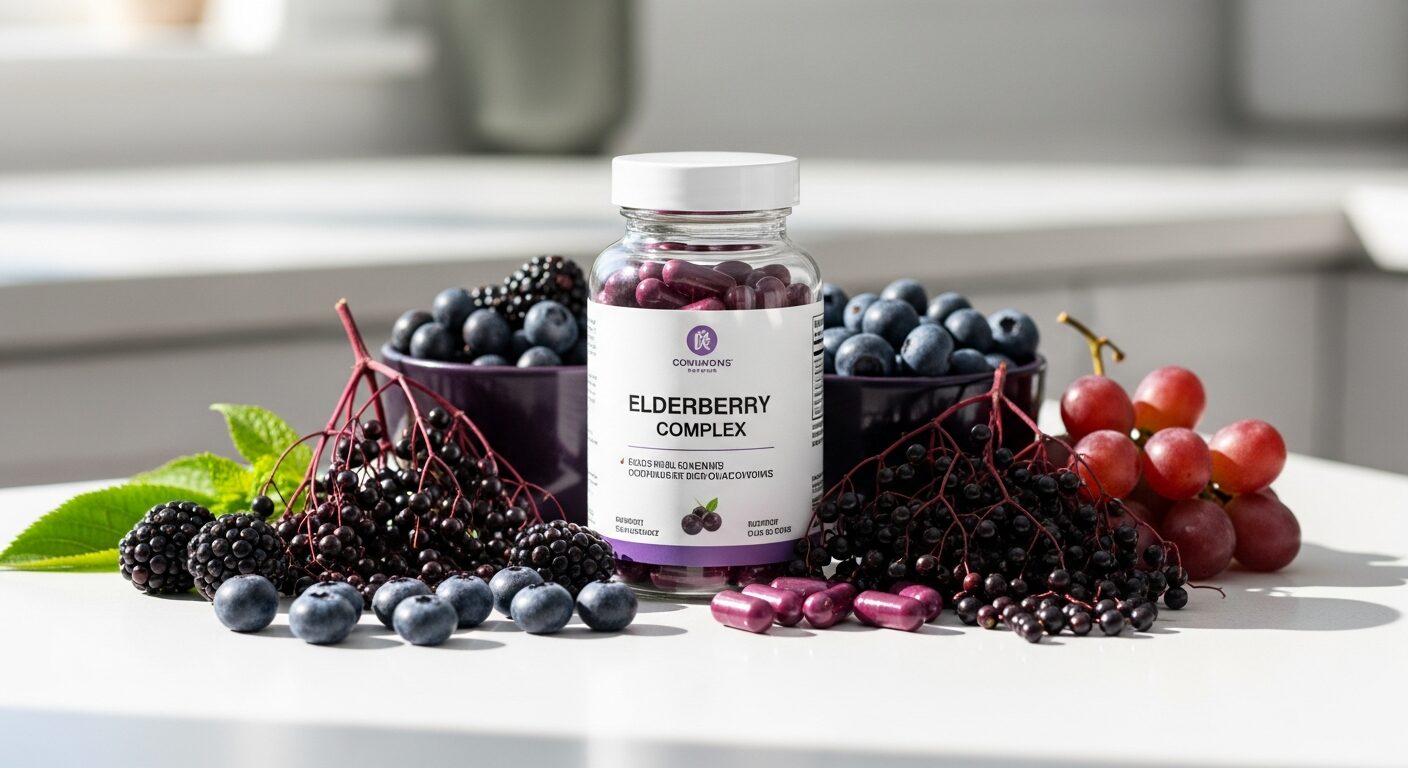
Dark purple elderberries have been treasured for centuries as nature’s pharmacy, used by traditional healers from Europe to North America for their remarkable health-supporting properties. Today, this humble fruit has captured the attention of modern science, revealing compelling evidence for its immune-boosting, antioxidant, and anti-inflammatory effects.
As one of the most researched botanical supplements, elderberry offers a unique combination of anthocyanins, flavonoids, and other bioactive compounds that work synergistically to support your body’s natural defenses. Whether you’re looking to strengthen your immune system, reduce inflammation, or simply add a powerful superfruit to your wellness routine, understanding elderberry’s science-backed benefits can help you make informed decisions about your health.
In this comprehensive guide, we’ll explore what elderberry really is, debunk common misconceptions, examine what happens when you take it consistently, and provide evidence-based recommendations for safe and effective use.
🌿 Looking for Elderberry supplements? Shop Amazon →
Contents
What is Elderberry
Elderberry refers to the dark purple-black berries of the Sambucus tree, most commonly Sambucus canadensis (American elderberry) and Sambucus nigra (European elderberry). These small, tart berries grow in clusters and have been used medicinally for over 2,500 years, with ancient Egyptians, Greeks, and Native Americans all recognizing their therapeutic potential.
The elderberry plant is a deciduous shrub or small tree that can grow up to 30 feet tall, producing distinctive flat-topped clusters of tiny white flowers in spring, followed by the characteristic dark berries in late summer. While the ripe berries are safe and beneficial when properly prepared, it’s crucial to note that raw elderberries, bark, leaves, and seeds contain compounds that can be toxic if consumed in large quantities.
What makes elderberry particularly valuable from a nutritional standpoint is its exceptionally high concentration of anthocyanins—the same powerful antioxidants found in blueberries and blackberries, but in much higher concentrations. Elderberries also contain significant amounts of vitamin C, dietary fiber, phenolic acids, and flavonols, creating a potent combination of bioactive compounds.
Modern elderberry supplements are typically made from concentrated extracts of the berries, standardized to contain specific levels of anthocyanins. These supplements come in various forms including syrups, gummies, capsules, and powders, making it easy to incorporate elderberry’s benefits into your daily routine.
Key Benefits of Elderberry
Scientific research has identified several key health benefits of elderberry supplementation, supported by both clinical trials and laboratory studies. The most well-established benefit is immune system support, particularly for respiratory health.
Immune System Enhancement: Elderberry’s immune-supporting properties are largely attributed to its high anthocyanin content, which helps modulate immune cell activity. Studies suggest that elderberry can enhance the production of cytokines—signaling molecules that help coordinate immune responses—while also supporting the activity of natural killer cells and other immune components.
Antioxidant Protection: With one of the highest antioxidant capacities of any fruit, elderberry provides powerful protection against oxidative stress. The anthocyanins and other phenolic compounds in elderberry can neutralize harmful free radicals, potentially reducing cellular damage and supporting overall health and longevity.
Anti-Inflammatory Effects: Chronic inflammation is linked to numerous health conditions, and elderberry’s anti-inflammatory properties may help address this concern. Research indicates that elderberry compounds can help reduce inflammatory markers in the body, supporting cardiovascular health, joint function, and overall wellbeing.
Respiratory Health Support: Traditional use of elderberry for respiratory concerns is now backed by modern research showing its ability to support upper respiratory tract health. The berries contain compounds that may help maintain healthy mucus membranes and support normal respiratory function.
Cardiovascular Benefits: The anthocyanins in elderberry may support heart health by promoting healthy blood vessel function, supporting normal blood pressure levels, and contributing to healthy cholesterol profiles. These effects are thought to result from elderberry’s antioxidant and anti-inflammatory properties.
What Most People Get Wrong About Elderberry
Despite elderberry’s growing popularity, several persistent myths and misconceptions continue to circulate, leading to confusion about its proper use and realistic expectations.
Myth 1: All Elderberry Products Are Created Equal
Many consumers assume that any elderberry supplement will provide the same benefits, but this couldn’t be further from the truth. The concentration of active compounds, extraction methods, and quality of source materials vary dramatically between products. Standardized extracts with verified anthocyanin content are significantly more reliable than unstandardized products. Additionally, some products labeled as “elderberry” may contain minimal amounts of actual elderberry extract, instead relying on artificial colors and flavors to mimic the appearance and taste.
Myth 2: Raw Elderberries Are Always Safe to Eat
While ripe, cooked elderberries are generally safe, raw elderberries contain cyanogenic glycosides—compounds that can release hydrogen cyanide when digested. This is why traditional preparations always involved cooking the berries. Unripe berries, bark, leaves, and seeds contain even higher concentrations of these compounds. Properly processed elderberry supplements eliminate this concern, but foraging and consuming raw elderberries can pose risks.
Myth 3: More is Always Better
Some people believe that taking extremely high doses of elderberry will provide superior benefits, but research suggests an optimal dosage range exists. Taking excessive amounts doesn’t necessarily increase benefits and may even trigger unwanted effects. Studies showing positive results typically use standardized doses, and following these research-based recommendations is more effective than megadosing.
Myth 4: Elderberry Works Immediately
Unlike pharmaceutical medications, elderberry’s benefits develop gradually as bioactive compounds accumulate in your system and support various physiological processes. While some people may notice initial effects within a few days, the full spectrum of benefits typically requires consistent use over several weeks. This misconception often leads people to discontinue use prematurely or assume the product isn’t working.
What Happens to Your Body After 30 Days of Taking Elderberry
Understanding the timeline of elderberry’s effects can help set realistic expectations and optimize your supplementation strategy. Based on clinical research and the pharmacokinetics of elderberry’s active compounds, here’s what typically occurs during your first month of consistent use.
Week 1: Initial Adaptation
During the first week, your body begins absorbing and utilizing elderberry’s anthocyanins and other bioactive compounds. While dramatic changes aren’t typically noticeable yet, several important processes are beginning. Your antioxidant status starts improving as elderberry compounds circulate through your bloodstream, and inflammatory markers may begin showing subtle improvements. Some individuals with sensitive systems might notice mild digestive adjustments as their gut microbiome responds to elderberry’s prebiotic fibers.
Week 2: Building Momentum
By the second week, elderberry’s immune-supporting effects often become more apparent. Research has shown that elderberry supplementation can significantly reduce the duration and severity of upper respiratory symptoms, and many users report feeling more resilient during this period. Energy levels may also improve as oxidative stress decreases and cellular function optimizes. The anti-inflammatory effects become more pronounced, potentially leading to improvements in recovery time from physical activities.
Week 3: Noticeable Benefits
The third week often brings the most noticeable improvements. Immune function enhancement reaches a more stable plateau, and many users report fewer minor health complaints. The cardiovascular benefits of elderberry’s anthocyanins may become apparent through improved exercise tolerance or general vitality. Sleep quality might improve as inflammation decreases and overall physiological balance improves.
Week 4: Optimization Phase
By the fourth week, elderberry’s benefits typically reach their full potential with consistent daily use. Studies indicate that regular elderberry consumption can significantly enhance immune cell function and cytokine production, and these effects are most pronounced after sustained supplementation. Users often report feeling more balanced, experiencing fewer minor health disruptions, and having improved overall wellbeing. The cumulative antioxidant protection may also contribute to better skin health and reduced signs of oxidative stress.
Who Should NOT Take Elderberry
While elderberry is generally well-tolerated by most healthy adults, certain individuals should exercise caution or avoid elderberry supplementation entirely. Understanding these contraindications is crucial for safe use.
Autoimmune Conditions: Individuals with autoimmune disorders such as rheumatoid arthritis, lupus, or multiple sclerosis should consult healthcare providers before using elderberry. Since elderberry can stimulate immune system activity, it may potentially exacerbate autoimmune symptoms in some individuals, though research in this area is limited.
Pregnancy and Breastfeeding: While elderberry has a long history of traditional use, there isn’t sufficient research on its safety during pregnancy and breastfeeding. Pregnant and nursing women should avoid elderberry supplements unless specifically recommended by their healthcare provider. Cooked elderberries in food amounts are generally considered safe.
Diabetes Medications: Elderberry may lower blood sugar levels, potentially enhancing the effects of diabetes medications. Individuals taking insulin or other blood sugar-lowering medications should monitor their glucose levels carefully and consult their healthcare provider before adding elderberry supplements to their routine.
Immunosuppressive Medications: People taking immunosuppressive drugs following organ transplants or for autoimmune conditions should avoid elderberry, as its immune-stimulating effects could potentially interfere with these medications’ intended effects.
Children Under 12 Months: Elderberry supplements should not be given to infants under 12 months of age unless specifically directed by a pediatrician. Young children’s immune systems are still developing, and the effects of elderberry supplementation in this population haven’t been adequately studied.
Scheduled Surgeries: Elderberry supplementation should be discontinued at least two weeks before scheduled surgeries, as it may affect blood sugar control and immune function during and after surgical procedures.
Dosage and Best Forms
Optimal elderberry dosage depends on several factors including the form of supplement, concentration of active compounds, individual health status, and intended use. Clinical studies typically use standardized elderberry extracts containing 300-600mg of elderberry extract daily, equivalent to approximately 15-30ml of elderberry syrup.
Standardized Extracts: The most reliable form of elderberry supplementation comes from standardized extracts that specify anthocyanin content. Look for products standardized to contain at least 13% anthocyanins, which ensures consistent potency. Typical dosing ranges from 300-500mg daily of standardized extract.
Elderberry Syrup: Traditional elderberry syrups remain popular due to their palatability and ease of use. Quality syrups should contain concentrated elderberry extract rather than just elderberry juice. Standard dosing is typically 1-2 tablespoons (15-30ml) daily for adults, with proportionally smaller amounts for children over 2 years of age.
Gummies and Chewables: While convenient and tasty, gummy supplements often contain lower concentrations of active compounds and added sugars. If choosing gummies, select products that specify elderberry extract content and avoid those with excessive added sugars or artificial ingredients.
Capsules and Tablets: These forms offer precise dosing and typically contain concentrated extracts. They’re ideal for individuals who prefer avoiding added sugars or want convenient travel options. Standard dosing ranges from 300-600mg daily.
Timing and Duration: Elderberry supplements can be taken with or without food, though taking them with meals may enhance absorption and reduce any potential digestive sensitivity. For immune support, consistent daily use provides better results than intermittent dosing. Many people use elderberry seasonally, increasing their intake during times when immune support is particularly important.
🌿 Looking for Elderberry Supplements?
Browse top-rated Elderberry supplements, independently tested and recommended by our editorial team.
Affiliate disclosure: We may earn a small commission at no extra cost to you.
Frequently Asked Questions
How long does it take for elderberry to start working?
While individual responses vary, most people begin noticing elderberry’s immune-supporting effects within 1-2 weeks of consistent daily use. The full spectrum of benefits, including antioxidant protection and anti-inflammatory effects, typically develops over 3-4 weeks. For acute immune support, some studies suggest benefits may be noticeable within 2-4 days, but consistent use provides the most reliable results.
Can I take elderberry with other supplements?
Elderberry generally combines well with other immune-supporting supplements like vitamin C, zinc, and vitamin D. In fact, some research suggests synergistic effects when elderberry is combined with these nutrients. However, avoid combining elderberry with other immune-stimulating herbs if you have autoimmune conditions, and always consult a healthcare provider if you’re taking multiple supplements or medications.
What’s the difference between elderberry extract and elderberry juice?
Elderberry extract is concentrated and standardized to contain specific levels of active compounds like anthocyanins, making it more potent and consistent than regular elderberry juice. Elderberry juice contains beneficial compounds but in lower, variable concentrations and often includes added sugars or water. For therapeutic benefits, standardized extracts are generally more effective and reliable.
Is it safe to take elderberry long-term?
Current research suggests that elderberry is safe for long-term use in healthy adults when taken at recommended dosages. Many people use elderberry seasonally or year-round without adverse effects. However, individuals with underlying health conditions, those taking medications, or anyone experiencing unusual symptoms should consult with healthcare providers about long-term supplementation strategies.
Can elderberry prevent illness?
While elderberry supports immune system function and may help reduce the duration and severity of certain symptoms, it’s not a guarantee against illness. Elderberry works by supporting your body’s natural immune responses rather than providing direct protection against specific pathogens. A healthy lifestyle including proper nutrition, regular exercise, adequate sleep, and stress management remains the foundation of immune health.
Medical Disclaimer
This article is for informational purposes only and is not intended to replace professional medical advice, diagnosis, or treatment. Always consult with qualified healthcare providers before starting any new supplement regimen, especially if you have existing health conditions, take medications, are pregnant or breastfeeding, or are considering supplements for children. Individual responses to elderberry may vary, and what works for one person may not be appropriate for another. The statements in this article have not been evaluated by the Food and Drug Administration, and elderberry supplements are not intended to diagnose, treat, cure, or prevent any disease. If you experience any adverse reactions while taking elderberry supplements, discontinue use immediately and consult your healthcare provider.