
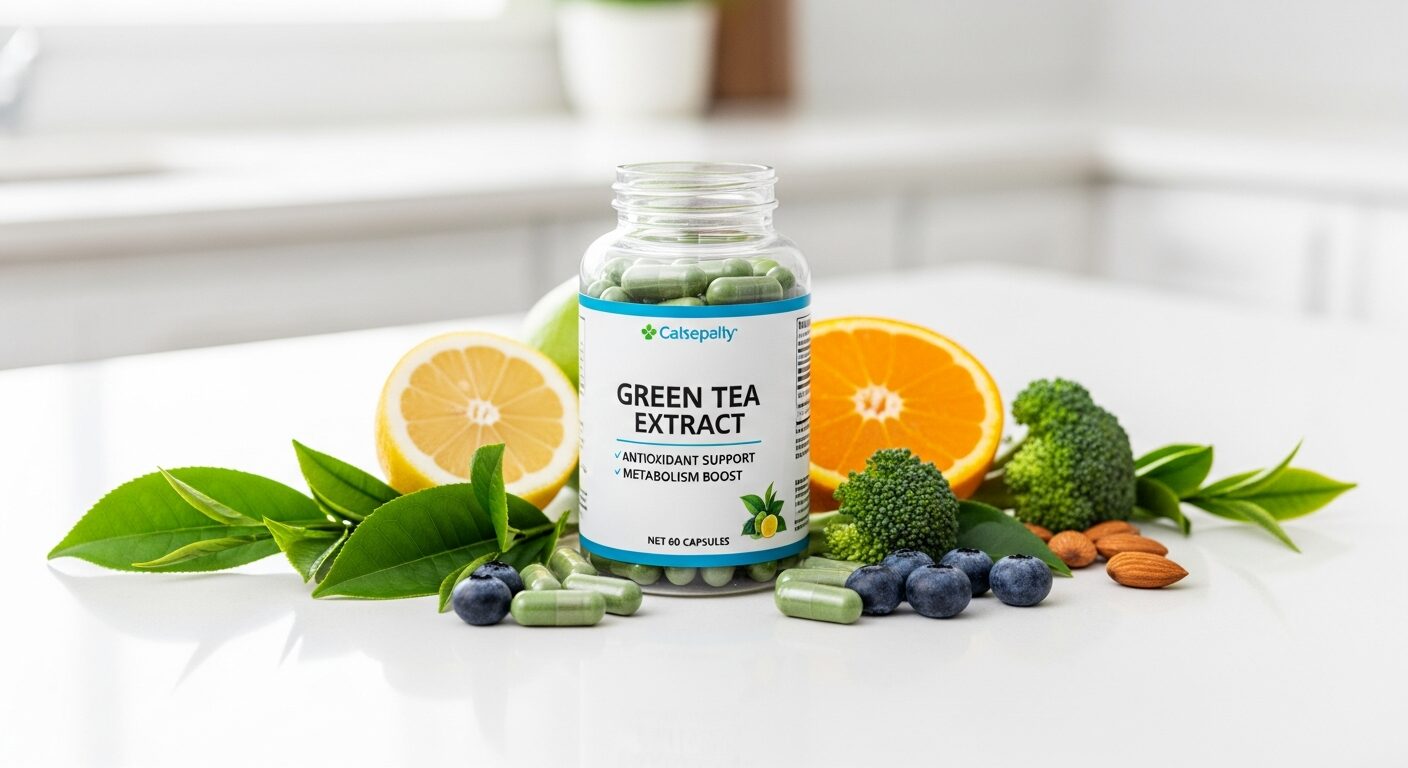
Green tea extract has emerged as one of the most researched and popular natural supplements in the wellness industry, yet many people remain confused about what it actually is and how it works. Unlike simply drinking green tea, concentrated green tea extract delivers potent bioactive compounds in standardized doses that can provide therapeutic benefits far beyond what you’d get from your daily cup of tea.
This concentrated form of green tea’s active compounds has been the subject of thousands of scientific studies, revealing impressive effects on metabolism, brain function, heart health, and longevity. However, with popularity comes misinformation, and many misconceptions surround this powerful supplement.
Whether you’re considering adding green tea extract to your supplement routine or simply want to understand the science behind this ancient remedy turned modern nutraceutical, this comprehensive guide will provide you with evidence-based insights to make informed decisions about your health.
🌿 Looking for Green Tea Extract supplements? Shop Amazon →
Contents
What is Green Tea Extract
Green tea extract is a concentrated form of green tea (Camellia sinensis) that captures the plant’s most beneficial compounds in a standardized supplement form. While regular green tea undergoes minimal processing to preserve its natural antioxidants, green tea extract takes this a step further by concentrating these active compounds into a potent, measurable dose.
The primary bioactive compounds in green tea extract include catechins, particularly epigallocatechin gallate (EGCG), which makes up about 50-80% of the total catechins. Other important components include epicatechin (EC), epicatechin gallate (ECG), and epigallocatechin (EGC). These polyphenolic compounds are responsible for most of green tea extract’s health benefits.
Manufacturing processes vary, but most high-quality green tea extracts use water or ethanol extraction methods to concentrate the catechins while removing caffeine and other unwanted compounds. The result is a standardized extract that typically contains 50-98% polyphenols, with EGCG content ranging from 25-50% of the total extract weight.
One key advantage of green tea extract over drinking green tea is bioavailability. The concentration process allows for higher doses of active compounds than would be practical to consume through tea alone. Additionally, many extracts are formulated with absorption enhancers or taken in forms that improve the stability and uptake of these sensitive compounds.
Key Benefits of Green Tea Extract
Scientific research has identified numerous health benefits associated with green tea extract supplementation, backed by both laboratory studies and human clinical trials.
Metabolic Support and Weight Management: Green tea extract has been extensively studied for its effects on metabolism and body composition. Hursel et al., 2009 demonstrated that green tea catechins can increase energy expenditure and fat oxidation, particularly when combined with caffeine. The mechanism involves activation of thermogenesis and inhibition of certain enzymes involved in fat storage.
Cardiovascular Health: The cardioprotective effects of green tea extract are well-documented. Regular supplementation has been shown to improve several cardiovascular risk factors, including reducing LDL cholesterol oxidation, improving endothelial function, and supporting healthy blood pressure levels. The antioxidant properties of EGCG play a crucial role in protecting blood vessels from oxidative damage.
Cognitive Function and Neuroprotection: Green tea extract crosses the blood-brain barrier and provides neuroprotective benefits. Studies suggest it may help maintain cognitive function with aging, support memory formation, and protect neurons from oxidative stress. The combination of L-theanine (when present) and moderate caffeine content also promotes calm alertness and focus.
Antioxidant Activity: With an ORAC (Oxygen Radical Absorbance Capacity) value significantly higher than most other antioxidant-rich foods, green tea extract provides powerful protection against free radical damage. This antioxidant activity supports cellular health throughout the body and may contribute to healthy aging.
Liver Health: Research indicates that green tea extract may support liver function and protect against certain types of liver damage. However, it’s important to note that very high doses have been associated with liver toxicity in some individuals, highlighting the importance of appropriate dosing.
What Most People Get Wrong About Green Tea Extract
Despite its popularity, several persistent myths and misconceptions surround green tea extract that can lead to unrealistic expectations or improper use.
Myth 1: More is Always Better
Many people assume that if green tea extract is beneficial, taking larger doses will provide greater benefits. This is not only incorrect but potentially dangerous. Lambert et al., 2010 found that extremely high doses of EGCG can actually cause liver toxicity and oxidative stress rather than providing antioxidant benefits. The optimal dose appears to follow a bell curve, where moderate amounts provide maximum benefit, but excessive doses can be counterproductive or harmful.
Myth 2: It’s a Magic Weight Loss Solution
While green tea extract can support weight management efforts, it’s not a miracle fat burner that works without lifestyle changes. The metabolic boost from green tea extract is relatively modest, typically increasing energy expenditure by 4-8%. Real weight loss results require combining supplementation with proper diet and exercise. People who expect dramatic weight loss from green tea extract alone are often disappointed and may abandon otherwise beneficial supplementation.
Myth 3: All Green Tea Extracts are the Same
The supplement market contains vastly different green tea extract products, with quality and potency varying dramatically between brands. Some products contain primarily caffeine with minimal catechins, while others provide high levels of EGCG but poor bioavailability. Standardization matters enormously – a product standardized to 50% EGCG will have very different effects than one with only 10% EGCG content, even if both are labeled as “green tea extract.”
Myth 4: It’s Completely Safe Because It’s Natural
The “natural equals safe” fallacy is particularly problematic with green tea extract. While generally safe for most people at appropriate doses, concentrated extracts can interact with medications, cause side effects in sensitive individuals, and pose risks when combined with certain health conditions. Natural compounds can be just as bioactive and potentially problematic as synthetic ones when used improperly.
What Happens to Your Body After 30 Days of Taking Green Tea Extract
Understanding the timeline of green tea extract’s effects can help set realistic expectations and optimize supplementation strategies based on scientific research.
Week 1: Initial Adaptation
During the first week, your body begins adapting to the increased antioxidant load and bioactive compounds. Most people notice improved alertness and focus if their extract contains modest amounts of caffeine. Some individuals may experience mild digestive sensitivity as their system adjusts to the concentrated polyphenols. Antioxidant markers in the blood begin to improve within 2-3 days of consistent supplementation, though these changes aren’t typically felt subjectively.
Week 2: Metabolic Adjustments
By the second week, metabolic effects become more apparent. Dulloo et al., 1999 showed that the thermogenic effects of green tea extract become more pronounced with consistent use. Users often report slight improvements in energy levels and may notice subtle changes in appetite regulation. The compounds begin influencing fat oxidation pathways, though visible body composition changes aren’t yet apparent.
Week 3-4: Full Benefit Realization
The third and fourth weeks typically represent when the full spectrum of benefits becomes apparent. Cardiovascular improvements, including better endothelial function and reduced inflammation markers, become measurable. Cognitive benefits stabilize, with many users reporting sustained improvement in mental clarity and focus. For those using green tea extract for weight management support, this is when modest but noticeable changes in body composition might become apparent, particularly when combined with appropriate diet and exercise.
It’s important to note that individual responses vary significantly based on genetics, baseline health status, diet, and lifestyle factors. Some people may experience benefits sooner, while others might require 6-8 weeks to notice significant changes.
Who Should NOT Take Green Tea Extract
While green tea extract is generally safe for healthy adults, several populations should exercise caution or avoid supplementation entirely.
Pregnant and Breastfeeding Women: The safety of concentrated green tea extract during pregnancy and lactation hasn’t been established. High levels of catechins could potentially interfere with folate metabolism and iron absorption, both crucial during pregnancy. The caffeine content, even if reduced, adds another layer of concern.
Individuals with Liver Conditions: People with existing liver disease, hepatitis, or elevated liver enzymes should avoid green tea extract or use it only under medical supervision. Several case reports have linked high-dose green tea extract supplementation to liver toxicity, particularly in individuals with pre-existing liver vulnerability.
Iron Deficiency or Anemia: Green tea catechins can significantly reduce iron absorption from both food and supplements. Individuals with iron deficiency anemia or those at risk should separate green tea extract from iron-containing meals by at least 2 hours or avoid supplementation altogether.
Blood Thinning Medication Users: Green tea extract may enhance the effects of anticoagulant medications like warfarin, potentially increasing bleeding risk. Anyone taking blood thinners should consult their healthcare provider before starting supplementation and may require more frequent monitoring.
Anxiety and Sleep Disorders: Even decaffeinated green tea extract can affect sensitive individuals. Those with anxiety disorders, panic disorder, or sleep disturbances should start with very low doses or avoid products containing any caffeine content.
Before Surgery: Green tea extract should be discontinued at least 2 weeks before scheduled surgery due to potential effects on blood clotting and interactions with anesthesia.
Dosage and Best Forms
Optimal dosing of green tea extract depends on the specific product formulation, individual goals, and tolerance levels.
Standard Dosage Range: Most research supports daily doses providing 200-400mg of EGCG, which typically translates to 400-800mg of total green tea extract (assuming 25-50% EGCG content). This range provides therapeutic benefits while minimizing the risk of adverse effects.
Timing Considerations: Green tea extract is best taken between meals to avoid interference with iron absorption and minimize potential stomach irritation. Taking it 30-60 minutes before exercise may enhance the metabolic benefits, while evening doses should be avoided if the product contains caffeine.
Standardization Matters: Look for products standardized to at least 50% polyphenols and 25% EGCG. This ensures consistent potency and allows for accurate dosing. Avoid products that only list total extract weight without specifying active compound content.
Enhanced Absorption Forms: Some manufacturers use phospholipid complexes, liposomal delivery, or combination with piperine to improve bioavailability. These forms may require lower doses to achieve similar effects but often come at a higher cost.
Caffeine Content: Choose based on caffeine tolerance. Decaffeinated versions (containing less than 4% caffeine) are available for those sensitive to stimulants or taking evening doses.
🌿 Looking for Green Tea Extract Supplements?
Browse top-rated Green Tea Extract supplements, independently tested and recommended by our editorial team.
Shop Green Tea Extract on Amazon →
Affiliate disclosure: We may earn a small commission at no extra cost to you.
Frequently Asked Questions
Can I take green tea extract with other supplements?
Green tea extract generally combines well with most supplements, but some interactions warrant caution. It may enhance the absorption of certain nutrients while potentially interfering with iron and some B vitamins. Avoid combining with other high-dose antioxidant supplements, as this may create pro-oxidant effects. Always separate iron supplements by at least 2 hours.
How long should I take green tea extract?
Green tea extract appears safe for long-term use in healthy individuals when taken at appropriate doses. Many studies have evaluated supplementation periods of 6-12 months without significant adverse effects. However, it’s wise to take periodic breaks (1-2 weeks every few months) to prevent tolerance and allow assessment of continued need.
Will green tea extract keep me awake?
This depends on the caffeine content and your individual sensitivity. Decaffeinated versions typically contain less than 4% caffeine and are unlikely to affect sleep when taken more than 6 hours before bedtime. Even regular green tea extract contains less caffeine than coffee, but sensitive individuals should avoid evening doses.
Can green tea extract replace drinking green tea?
While green tea extract provides concentrated active compounds, whole green tea offers additional benefits including the amino acid L-theanine, which promotes relaxation and may synergize with caffeine for calm alertness. The ritual and hydration aspects of tea consumption also provide value. Consider green tea extract as a complement to, rather than replacement for, green tea consumption.
What should I do if I experience side effects?
Common mild side effects include stomach upset, headache, or jitteriness. These often resolve by taking the supplement with food, reducing the dose, or switching to a decaffeinated version. Discontinue use and consult a healthcare provider if you experience severe stomach pain, yellowing of skin or eyes, dark urine, or any signs of liver problems.
Medical Disclaimer
This article is for informational purposes only and does not constitute medical advice. Green tea extract supplements are not intended to diagnose, treat, cure, or prevent any disease. Individual responses to supplementation can vary significantly based on genetics, health status, and other factors.
Always consult with a qualified healthcare provider before starting any new supplement regimen, especially if you have pre-existing health conditions, take medications, or are pregnant or breastfeeding. Your healthcare provider can assess potential interactions and determine if green tea extract is appropriate for your individual situation.
The information presented here is based on current scientific research but should not replace professional medical guidance. If you experience any adverse effects while taking green tea extract, discontinue use immediately and seek medical attention.