
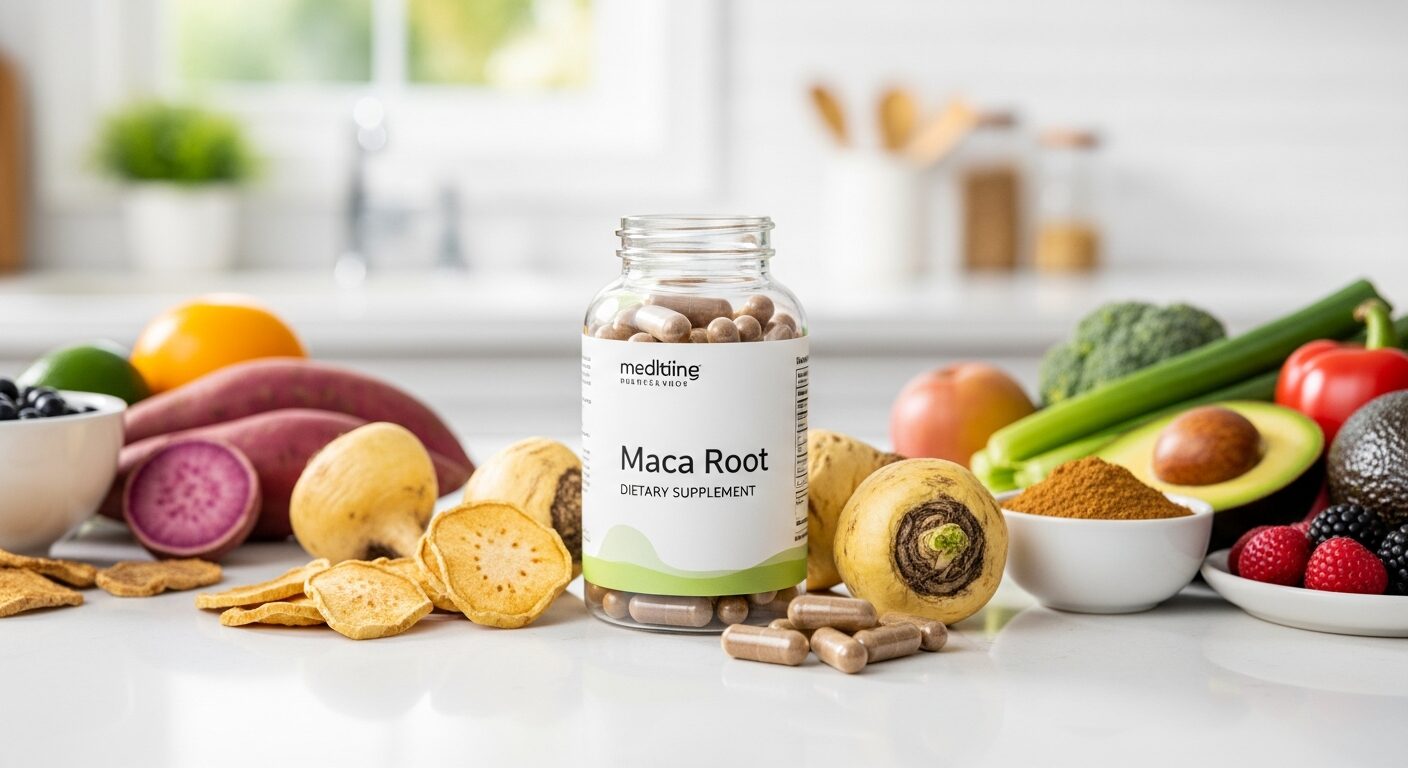
High in the Andes Mountains of Peru, at altitudes where most plants can’t survive, grows a small root that indigenous communities have treasured for over 3,000 years. Maca root, scientifically known as Lepidium meyenii, has gained international attention as a potential superfood and natural health enhancer. From ancient Incan warriors who consumed it before battle to modern athletes seeking natural performance enhancement, this hardy plant has maintained its reputation as a powerful adaptogen.
But what does modern science actually say about maca root? Beyond the marketing hype and traditional claims, researchers have been investigating this Peruvian plant’s effects on everything from hormonal balance to cognitive function. With growing interest in natural health solutions, understanding the evidence-based benefits of maca has become increasingly important for consumers looking to make informed decisions about their wellness routines.
In this comprehensive review, we’ll examine the scientific literature on maca root, separate fact from fiction, and explore what happens in your body when you incorporate this ancient remedy into your daily routine. Whether you’re considering maca for energy, hormonal support, or general wellness, this evidence-based analysis will help you understand what this remarkable root can and cannot do for your health.
Contents
What is Maca
Maca (Lepidium meyenii) is a cruciferous vegetable belonging to the same family as broccoli, cauliflower, and kale. This hardy plant grows exclusively in the harsh conditions of the Peruvian Andes, thriving at altitudes between 11,000 and 14,000 feet where extreme temperature fluctuations, intense UV radiation, and poor soil conditions would kill most other crops.
The maca plant produces a small, turnip-shaped root that comes in several varieties, distinguished primarily by color. Yellow maca is the most common variety, comprising about 60% of the harvest, while red and black varieties are rarer and often considered more potent. Each variety contains slightly different concentrations of bioactive compounds, which may explain why different colors are traditionally used for different purposes.
The root’s nutritional profile is impressive, containing significant amounts of protein, fiber, and essential amino acids. However, maca’s reputation as a health enhancer comes primarily from its unique bioactive compounds, including macamides, macaenes, and glucosinolates. These compounds are thought to be responsible for many of maca’s adaptogenic properties – its ability to help the body adapt to and manage various forms of stress.
Traditional preparation methods involve drying and grinding the root into a powder, though modern processing has introduced concentrated extracts and standardized supplements. The drying process, which has been used for centuries, not only preserves the root but may actually enhance some of its bioactive properties through natural fermentation processes.
Key Benefits of Maca
Scientific research has identified several areas where maca supplementation shows promising effects, though it’s important to note that many studies are still in early stages and more research is needed to fully understand its mechanisms.
Sexual Health and Libido Enhancement
Perhaps the most well-studied benefit of maca is its effect on sexual function and libido. Gonzales et al., 2002 conducted one of the first placebo-controlled studies examining maca’s effects on sexual desire in healthy men. The study found that participants taking maca experienced significant improvements in sexual desire compared to placebo, with effects becoming apparent after eight weeks of supplementation.
What makes this research particularly interesting is that maca appears to work independently of hormonal changes. Unlike many other libido-enhancing substances, maca doesn’t significantly alter testosterone or estrogen levels, suggesting it works through different mechanisms, possibly by affecting neurotransmitter pathways or improving overall energy and mood.
Energy and Athletic Performance
Maca has gained popularity among athletes and fitness enthusiasts, and some research supports its use for energy and endurance. Studies suggest that regular maca consumption may improve exercise performance, reduce fatigue, and support faster recovery times. The mechanisms behind these effects likely involve maca’s adaptogenic properties and its ability to support healthy stress hormone levels.
Mood and Cognitive Function
Emerging research indicates that maca may have positive effects on mood and cognitive function. Some studies have found improvements in symptoms of anxiety and depression, particularly in postmenopausal women. The root’s flavonoids and other bioactive compounds may contribute to these neurological benefits, though more research is needed to understand the precise mechanisms involved.
Hormonal Balance Support
While maca doesn’t directly alter hormone levels like phytoestrogenic plants, it appears to support healthy hormonal balance through its effects on the hypothalamic-pituitary-adrenal axis. This may help explain why both men and women report benefits from maca supplementation, despite having different hormonal needs and challenges.
What Most People Get Wrong About Maca
Despite growing popularity, several misconceptions about maca persist in health and wellness circles. Understanding these myths is crucial for setting realistic expectations and using maca effectively.
Myth 1: Maca is a Natural Testosterone Booster
One of the most persistent myths about maca is that it significantly increases testosterone levels in men. However, research consistently shows that maca doesn’t directly affect testosterone, luteinizing hormone, or follicle-stimulating hormone levels. The confusion likely stems from maca’s effects on sexual function and energy, which people assume must be related to increased testosterone. In reality, maca’s benefits appear to work through other pathways, possibly involving neurotransmitters and stress hormone regulation rather than direct hormonal manipulation.
Myth 2: All Maca Varieties Are the Same
Many consumers assume that yellow, red, and black maca are interchangeable, but scientific analysis reveals significant differences between varieties. Sandoval et al., 2002 found that black maca showed superior effects on learning and memory in animal studies, while red maca appeared more effective for prostate health. Yellow maca, while the most common, may not always be the most appropriate choice depending on your specific health goals.
Myth 3: More Maca is Always Better
Unlike many supplements where higher doses often correlate with greater effects, maca follows a more complex dose-response relationship. Some research suggests that moderate doses (1.5-3 grams daily) may be more effective than higher amounts, and some users report that taking too much maca can actually cause jitters, insomnia, or digestive upset. This challenges the common assumption that natural supplements are always safe in large quantities.
Myth 4: Maca Works Immediately
Marketing claims often suggest that maca provides immediate energy boosts, leading consumers to expect instant results. However, research indicates that maca’s most significant benefits typically develop over several weeks of consistent use. This delayed onset is characteristic of adaptogenic herbs, which work by gradually helping the body optimize its stress response systems rather than providing immediate stimulation like caffeine.
What Happens to Your Body After 30 Days of Taking Maca
Understanding the timeline of maca’s effects can help users maintain realistic expectations and optimize their supplementation routine. Based on clinical research and user reports, maca’s benefits typically unfold in a predictable pattern.
Week 1: Initial Adaptation
During the first week, most people notice subtle changes rather than dramatic effects. Some users report slight improvements in energy levels, particularly in the afternoon when energy typically wanes. Digestive adjustments are common during this period, as your body adapts to maca’s fiber content and bioactive compounds. Some individuals may experience mild stomach upset if taking maca on an empty stomach, which typically resolves as the body adjusts.
Week 2: Emerging Benefits
By the second week, more noticeable changes typically begin to emerge. Energy levels often become more stable throughout the day, with less pronounced afternoon crashes. Sleep quality may begin to improve, with some users reporting more restful sleep and easier morning wake-ups. Mood improvements often become apparent during this timeframe, with reduced irritability and better stress resilience.
Week 3-4: Full Benefits Manifest
Brooks et al., 2008 found that the most significant improvements in sexual function and overall well-being occurred after 12 weeks of consistent maca use, but many benefits become apparent by the end of the first month. Users typically report enhanced libido, improved exercise recovery, and better overall vitality. Cognitive benefits, including improved focus and mental clarity, often become more pronounced during this period.
It’s important to note that individual responses vary significantly based on factors including baseline health status, dosage, maca variety, and individual biochemistry. Some people may notice benefits earlier, while others may require longer periods of consistent use to experience maca’s full effects.
Who Should NOT Take Maca
While maca is generally considered safe for most healthy adults, certain individuals should exercise caution or avoid maca supplementation entirely.
Hormone-Sensitive Conditions
Individuals with hormone-sensitive conditions such as breast cancer, ovarian cancer, endometriosis, or uterine fibroids should consult with their healthcare provider before using maca. Although maca doesn’t directly alter hormone levels, its effects on the endocrine system could potentially influence these conditions.
Thyroid Disorders
Maca contains compounds called goitrogens, which can interfere with thyroid function, particularly in individuals with existing thyroid conditions or iodine deficiency. People with hypothyroidism, hyperthyroidism, or those taking thyroid medications should avoid maca or use it only under medical supervision.
Pregnancy and Breastfeeding
Due to limited safety data, pregnant and breastfeeding women should avoid maca supplementation. While traditional use suggests it may be safe, there isn’t sufficient scientific evidence to confirm its safety during these critical periods.
Blood Pressure Medications
Maca may interact with blood pressure medications, particularly those used to treat hypertension. The root’s effects on cardiovascular function could potentially enhance or interfere with these medications, leading to unpredictable blood pressure changes.
Liver Conditions
Individuals with liver disease or those taking hepatotoxic medications should use maca cautiously, as concentrated herbal supplements can sometimes stress compromised liver function.
Dosage and Best Forms
Determining the optimal maca dosage depends on several factors, including the form of maca used, individual health goals, and personal tolerance levels.
Powder Form
Raw maca powder is the most traditional form and typically requires doses of 1.5-5 grams daily. Most research studies have used doses in the 1.5-3 gram range with good results. The powder can be mixed into smoothies, yogurt, or other foods, though its slightly bitter, nutty flavor may require some adjustment.
Extract and Capsule Forms
Concentrated maca extracts are more potent and typically require smaller doses, usually ranging from 450-1000mg daily. These forms offer convenience and more precise dosing but may be more expensive than powder forms.
Timing and Cycling
Many traditional users recommend cycling maca, taking it for several weeks followed by a break period. Some practitioners suggest taking maca for 3-4 weeks, then taking a week off to prevent tolerance development. Taking maca earlier in the day is generally recommended, as late-day doses may interfere with sleep in sensitive individuals.
🌿 Looking for Maca Supplements?
Browse top-rated Maca supplements, independently tested and recommended by our editorial team.
Affiliate disclosure: We may earn a small commission at no extra cost to you.
Frequently Asked Questions
Can I take maca with other supplements?
Maca is generally compatible with most other supplements, but it’s best to introduce new supplements gradually to monitor for any interactions. Combining maca with other adaptogens like ashwagandha or rhodiola may enhance overall stress resilience, but start with lower doses when combining multiple adaptogens.
How long does maca stay in your system?
As a food-based supplement rather than a pharmaceutical, maca doesn’t have a specific half-life like medications. Its effects are cumulative, building over time with consistent use. Most users need to take maca regularly to maintain its benefits, as stopping supplementation typically results in a gradual return to baseline within a few weeks.
Is it better to take maca with food or on an empty stomach?
Taking maca with food is generally recommended to minimize potential digestive upset and improve absorption. The fiber and nutrients in food can help buffer maca’s compounds and reduce the likelihood of stomach irritation, particularly when first starting supplementation.
Can maca cause weight gain or weight loss?
Maca itself is not directly associated with significant weight changes. However, its effects on energy levels and hormone balance may indirectly influence body composition over time. Some users report improved exercise performance, which could support healthy weight management when combined with appropriate diet and exercise.
What’s the difference between raw and gelatinized maca?
Raw maca powder is simply dried and ground maca root, while gelatinized maca has been heated and pressurized to remove starches, making it more concentrated and potentially easier to digest. Gelatinized maca may be better for people with sensitive digestive systems, though both forms appear to provide similar benefits.
Medical Disclaimer
This article is for informational purposes only and does not constitute medical advice. The information provided should not be used as a substitute for professional medical consultation, diagnosis, or treatment. Always consult with a qualified healthcare provider before starting any new supplement regimen, especially if you have existing health conditions, take medications, or are pregnant or breastfeeding. Individual responses to supplements can vary significantly, and what works for one person may not work for another. The FDA has not evaluated statements about maca root for diagnosing, treating, curing, or preventing any disease.