
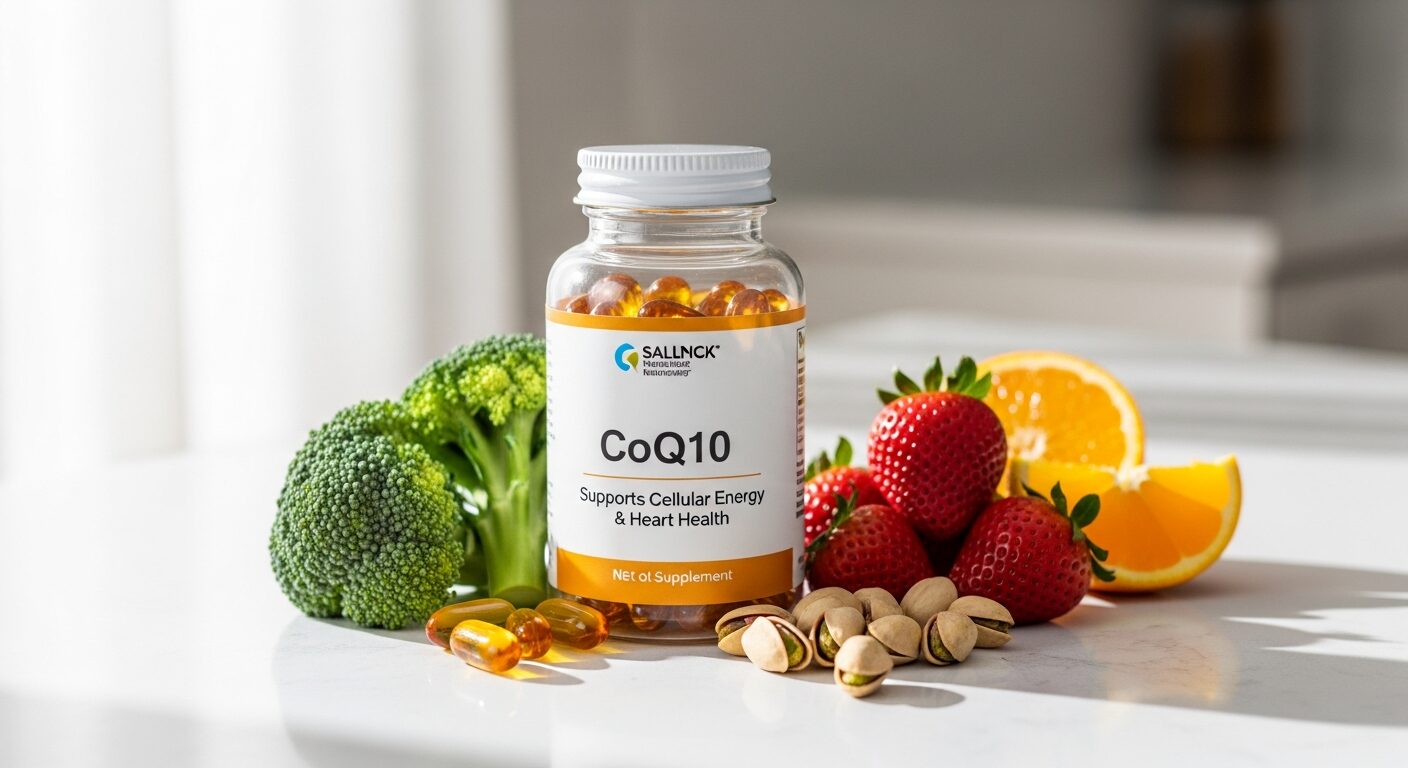
Coenzyme Q10, commonly known as CoQ10, has become one of the most talked-about supplements in the health and wellness community. From celebrities swearing by its anti-aging properties to doctors recommending it for heart health, this naturally occurring compound has captured widespread attention. But with so much conflicting information available, determining the right dosage can feel overwhelming.
The truth is, CoQ10 isn’t a one-size-fits-all supplement. Your optimal dosage depends on numerous factors including your age, health status, specific goals, and even the form of CoQ10 you choose. Getting the dosage wrong doesn’t just waste your money—it could mean missing out on significant health benefits or, in some cases, experiencing unwanted side effects.
This comprehensive guide cuts through the marketing hype and contradictory advice to give you science-based recommendations for CoQ10 dosing. We’ll explore what the research actually shows, debunk common myths, and help you determine the right approach for your individual needs.
Contents
What is CoQ10
Coenzyme Q10 is a vitamin-like compound that exists in every cell of your body. Also known as ubiquinone (reflecting its ubiquitous presence), CoQ10 plays a crucial role in cellular energy production within the mitochondria—the powerhouses of your cells. Think of it as a spark plug for your cellular engines, helping convert the food you eat into usable energy in the form of ATP (adenosine triphosphate).
Your body naturally produces CoQ10, with the highest concentrations found in organs with high energy demands like your heart, liver, kidneys, and muscles. However, CoQ10 production peaks around age 20 and steadily declines thereafter. By age 40, your CoQ10 levels may be 30% lower than in your youth, and this decline continues with age.
Beyond energy production, CoQ10 serves as a powerful antioxidant, protecting your cells from oxidative stress and free radical damage. It exists in two main forms: ubiquinone (the oxidized form) and ubiquinol (the reduced, active form). Your body constantly converts between these two forms as needed, though ubiquinol is often considered more bioavailable as a supplement.
While CoQ10 is present in small amounts in foods like organ meats, fatty fish, and whole grains, obtaining therapeutic levels through diet alone is challenging. This is where supplementation becomes valuable, particularly for individuals with increased needs due to age, health conditions, or medication use.
Key Benefits of CoQ10
Research has identified numerous potential benefits of CoQ10 supplementation, with the strongest evidence supporting its role in cardiovascular health. Studies suggest that CoQ10 may help improve heart function, particularly in individuals with heart failure. The compound appears to enhance the heart’s ability to pump blood efficiently while reducing symptoms like fatigue and shortness of breath.
CoQ10’s antioxidant properties contribute to its anti-aging potential. By neutralizing harmful free radicals, it may help protect against cellular damage that contributes to aging and age-related diseases. Some research indicates that CoQ10 supplementation could support skin health, reducing the appearance of wrinkles and improving skin texture.
Energy and exercise performance represent another area of interest. Since CoQ10 is essential for cellular energy production, supplementation may help reduce fatigue and improve exercise capacity, particularly in individuals with naturally low CoQ10 levels or those taking statin medications, which can deplete CoQ10 stores.
Emerging research also suggests potential benefits for neurological health, with some studies exploring CoQ10’s role in conditions like Parkinson’s disease and migraine prevention. Additionally, CoQ10 may support fertility, particularly in men, by improving sperm quality and motility.
What Most People Get Wrong About CoQ10
One of the biggest misconceptions about CoQ10 is that higher doses always produce better results. Many people assume that if 100mg is good, then 300mg must be three times better. However, research shows that CoQ10 absorption follows a saturation curve—your body can only absorb so much at once. Taking extremely high doses often results in expensive urine rather than enhanced benefits. The key is finding your optimal therapeutic dose, which varies by individual and health goals.
Another common myth is that all CoQ10 supplements are created equal. People often choose the cheapest option, assuming they’re getting the same benefits. In reality, CoQ10 is notoriously difficult to absorb, and supplement quality varies dramatically. Factors like particle size, formulation method, and whether it’s ubiquinone or ubiquinol significantly impact bioavailability. Some low-quality supplements may provide little to no absorbable CoQ10, regardless of the dose on the label.
Many individuals also believe they’ll feel immediate energy boosts from CoQ10, similar to caffeine or other stimulants. This expectation leads to disappointment and discontinued use. CoQ10 works at the cellular level to support fundamental energy production processes, which means benefits typically develop gradually over weeks or months. The effects are more about sustained energy and reduced fatigue rather than an immediate energy rush.
Perhaps the most dangerous misconception is that CoQ10 is safe for everyone in any amount because it’s “natural.” While CoQ10 is generally well-tolerated, it can interact with certain medications, particularly blood thinners like warfarin. Some people also assume that taking CoQ10 negates the need for prescribed heart medications, which can be a life-threatening mistake. Natural doesn’t automatically mean risk-free or appropriate for everyone.
What Happens to Your Body After 30 Days of Taking CoQ10
During the first week of CoQ10 supplementation, you’re unlikely to notice dramatic changes. Your body is beginning to absorb and distribute the CoQ10 to various tissues, with blood levels starting to rise. Some individuals report subtle improvements in sleep quality or slightly reduced fatigue, but these effects are often mild and may be attributed to placebo effect initially. Your cells are gradually incorporating the additional CoQ10 into their energy-producing machinery.
By the second week, CoQ10 levels in your blood typically reach more significant concentrations. This is when some people begin noticing more consistent energy levels throughout the day, with less of the afternoon energy crashes they previously experienced. If you exercise regularly, you might observe slightly improved recovery times or reduced muscle soreness. Those taking statin medications often report that muscle aches begin to diminish around this timeframe.
Weeks three and four represent the period when CoQ10’s benefits become most apparent. Research published in the Journal of Clinical Medicine Research, 2014 demonstrates that tissue levels of CoQ10 continue to increase over several weeks of supplementation. By this point, many users report more sustained energy, improved exercise tolerance, and better overall vitality. Those using CoQ10 for heart health may notice improvements in symptoms like shortness of breath during physical activity.
It’s important to understand that CoQ10 tissue saturation is a gradual process. Unlike water-soluble vitamins that your body can quickly utilize or excrete, CoQ10 is fat-soluble and accumulates slowly in your cells. The full benefits may continue to develop even beyond the first month, with some studies showing continued improvements for up to three months of consistent supplementation. Individual responses vary based on factors like age, baseline CoQ10 levels, overall health status, and the quality of the supplement being used.
Who Should NOT Take CoQ10
Individuals taking warfarin or other blood-thinning medications should exercise extreme caution with CoQ10 supplementation. CoQ10 has a chemical structure similar to vitamin K, which plays a crucial role in blood clotting. While the interaction isn’t as straightforward as once believed, CoQ10 can potentially affect INR levels and bleeding risk. Anyone on anticoagulant therapy must consult their healthcare provider before starting CoQ10 and may require more frequent blood monitoring.
Pregnant and breastfeeding women should avoid CoQ10 supplementation unless specifically recommended by their healthcare provider. While CoQ10 is naturally present in the body and generally considered safe, there isn’t sufficient research on supplementation during pregnancy and lactation to establish safety guidelines. The potential effects on fetal development and nursing infants remain unknown.
People scheduled for surgery should discontinue CoQ10 at least two weeks prior to their procedure. The supplement’s potential effects on blood clotting and blood pressure could complicate surgical procedures and anesthesia. Additionally, CoQ10 might interact with medications used during surgery, making it crucial to inform your surgical team about any supplements you’ve been taking.
Individuals with low blood pressure should monitor their levels carefully when starting CoQ10, as the supplement may cause further blood pressure reductions. While this can be beneficial for those with hypertension, it could be problematic for people who already have low blood pressure. Symptoms like dizziness, fainting, or extreme fatigue warrant immediate medical attention.
Those with diabetes should be aware that CoQ10 might affect blood sugar levels, potentially requiring adjustments to diabetes medications. Regular blood glucose monitoring is essential when starting CoQ10 supplementation. Additionally, people with liver or kidney disease should consult healthcare providers before supplementing, as these organs play crucial roles in CoQ10 metabolism and clearance.
Dosage and Best Forms
Standard dosing for general health maintenance typically ranges from 90-200mg daily, taken with a meal containing fats to enhance absorption. For cardiovascular support, research suggests doses of 200-300mg daily may be more appropriate. A comprehensive study in the European Journal of Heart Failure, 2013 found significant benefits with 300mg daily in heart failure patients. Higher doses up to 600mg daily have been used in specific medical conditions under professional supervision.
The form of CoQ10 you choose significantly impacts absorption and effectiveness. Ubiquinol, the reduced form, is often better absorbed than ubiquinone, particularly in older adults or those with compromised digestive function. However, high-quality ubiquinone formulations with enhanced bioavailability can be equally effective and are typically more affordable.
Timing and administration method matter considerably. CoQ10 is fat-soluble, meaning it requires dietary fats for optimal absorption. Taking your dose with a meal containing healthy fats like avocado, nuts, or olive oil can increase absorption by up to 300%. Dividing larger doses throughout the day may also improve absorption and reduce the risk of digestive upset.
Look for supplements that use advanced delivery systems like nano-emulsification, liposomal encapsulation, or crystal-free formulations. These technologies can significantly enhance bioavailability. Third-party testing for purity and potency is crucial, as CoQ10 is expensive to manufacture and some products may contain insufficient active ingredients.
🌿 Looking for CoQ10 Supplements?
Browse top-rated CoQ10 supplements, independently tested and recommended by our editorial team.
Affiliate disclosure: We may earn a small commission at no extra cost to you.
Frequently Asked Questions
How long does it take to see results from CoQ10?
Most people begin noticing subtle benefits within 2-3 weeks, with more significant effects becoming apparent after 4-6 weeks of consistent supplementation. However, some benefits, particularly for cardiovascular health, may take 2-3 months to fully develop. The timeline varies based on individual factors like age, health status, and baseline CoQ10 levels.
Can I take CoQ10 with other supplements?
CoQ10 generally combines well with most other supplements and may even enhance the effects of certain nutrients like vitamin E and selenium. However, it’s important to space out fat-soluble vitamins to avoid competition for absorption. Always inform your healthcare provider about all supplements you’re taking to avoid potential interactions.
Should I take CoQ10 if I’m on statin medications?
Many healthcare providers recommend CoQ10 supplementation for patients taking statins, as these medications can significantly deplete natural CoQ10 levels. Research in the American Journal of Cardiology, 2015 supports CoQ10 supplementation for reducing statin-associated muscle symptoms. However, you should always consult your prescribing physician before adding CoQ10 to your regimen.
What’s the difference between ubiquinone and ubiquinol?
Ubiquinone is the oxidized form of CoQ10, while ubiquinol is the reduced, active form. Your body naturally converts between these forms as needed. Ubiquinol is often marketed as superior due to better absorption, particularly in older adults, but high-quality ubiquinone supplements can be equally effective and are typically more cost-effective.
Are there any side effects I should watch for?
CoQ10 is generally well-tolerated, but some people may experience mild digestive upset, particularly with higher doses. Rare side effects include headaches, dizziness, or skin rash. Taking CoQ10 with food and starting with lower doses can minimize potential side effects. If you experience any concerning symptoms, discontinue use and consult your healthcare provider.
Medical Disclaimer
The information provided in this article is for educational purposes only and is not intended to replace professional medical advice, diagnosis, or treatment. Always consult with a qualified healthcare provider before starting any new supplement regimen, especially if you have existing health conditions or are taking medications. Individual responses to supplements can vary significantly, and what works for one person may not be appropriate for another. Never discontinue prescribed medications or ignore professional medical advice based on information found in this or any other article. If you experience any adverse effects from supplementation, seek immediate medical attention.