
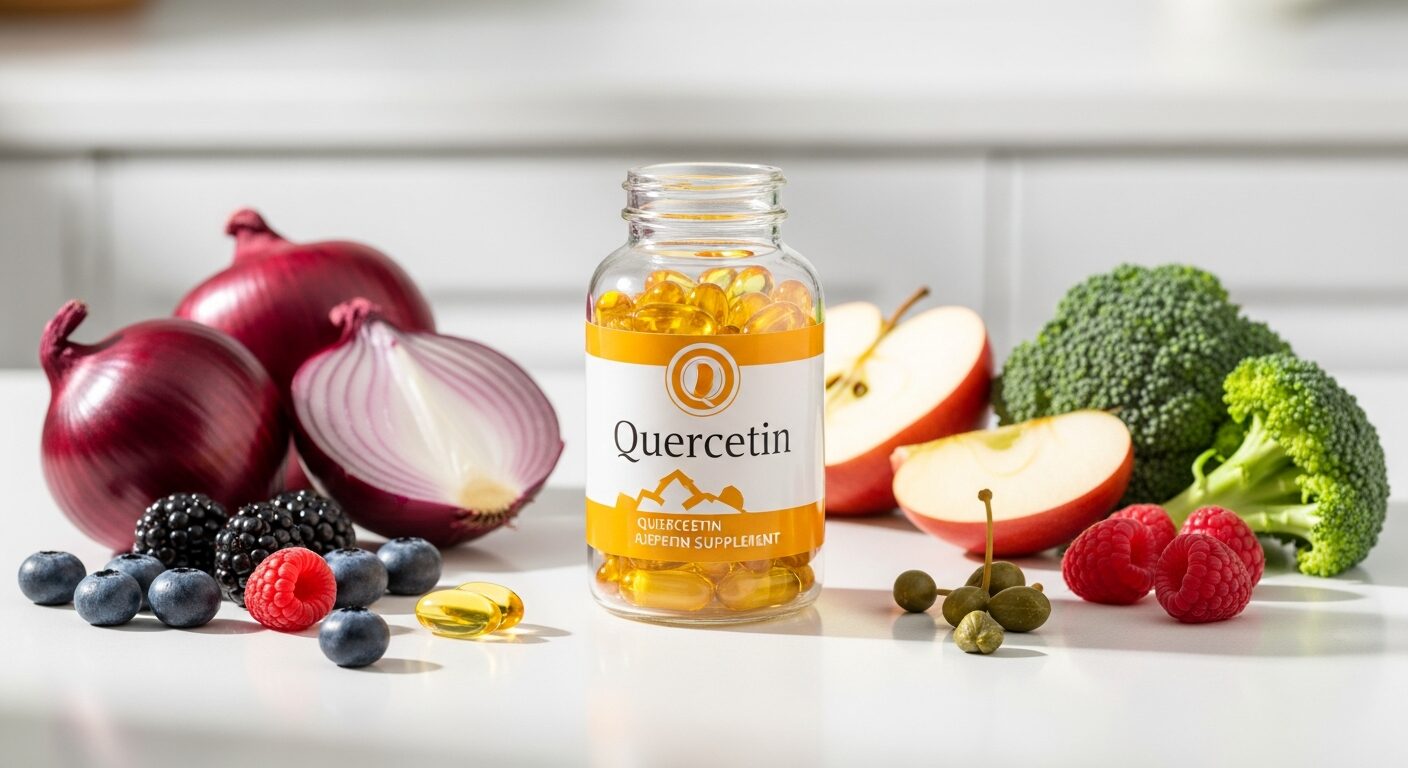
Quercetin, a natural compound found in apples, onions, and green tea, has quietly emerged as one of the most researched flavonoids in modern nutritional science. While many people have never heard of this powerful antioxidant, it’s been the subject of over 5,000 published studies investigating its potential health benefits.
What makes quercetin particularly intriguing to researchers is its unique ability to modulate multiple biological pathways simultaneously. Unlike many compounds that target a single mechanism, quercetin appears to work as a master regulator, influencing inflammation, immune function, and cellular protection all at once. This multi-targeted approach has led scientists to investigate its potential in everything from seasonal allergies to cardiovascular health.
However, despite the growing body of research, much of what circulates online about quercetin is either oversimplified or outright incorrect. This comprehensive analysis cuts through the marketing hype to examine what peer-reviewed science actually tells us about quercetin’s benefits, limitations, and practical applications for human health.
🌿 Looking for Quercetin supplements? Shop Amazon →
Contents
What is Quercetin
Quercetin is a plant pigment belonging to a group of compounds called flavonoids, which are responsible for the vibrant colors in many fruits, vegetables, and flowers. Chemically classified as a flavonol, quercetin is one of the most abundant dietary flavonoids, naturally occurring in foods like red onions, apples, berries, broccoli, capers, and green tea.
From a biochemical perspective, quercetin functions as a potent antioxidant, meaning it neutralizes harmful free radicals that can damage cells and contribute to aging and disease. However, its biological activity extends far beyond simple antioxidant function. Quercetin acts as a natural antihistamine, anti-inflammatory agent, and immune modulator, influencing various cellular processes at the molecular level.
The compound’s structure allows it to interact with multiple enzyme systems and signaling pathways in the body. It can cross the blood-brain barrier, accumulate in various tissues, and even influence gene expression. This versatility explains why quercetin has attracted attention from researchers studying conditions ranging from allergies to neurodegenerative diseases.
One important distinction is between quercetin found naturally in foods versus supplements. Food sources typically contain quercetin bound to sugars (glycosides), while supplements often provide the free form (aglycone) or enhanced formulations designed to improve absorption. This difference significantly impacts bioavailability and therapeutic potential.
Key Benefits of Quercetin
Scientific research has identified several well-documented benefits of quercetin supplementation, supported by both laboratory studies and human clinical trials.
Immune System Support
One of quercetin’s most studied applications is immune system modulation. Research published in the American Journal of Physiology demonstrated that quercetin supplementation significantly reduced illness rates in physically stressed individuals. The study found that participants taking 1000mg daily for three weeks before intense exercise experienced fewer upper respiratory tract infections compared to placebo groups.
Quercetin appears to support immune function through multiple mechanisms. It helps regulate the production of inflammatory cytokines, supports the activity of natural killer cells, and may enhance the body’s antiviral defenses. These effects are particularly pronounced during periods of physical or psychological stress, when the immune system is most vulnerable.
Cardiovascular Health
Multiple studies have examined quercetin’s impact on heart health, with promising results. The compound appears to support healthy blood pressure levels, improve endothelial function (the health of blood vessel linings), and may help maintain healthy cholesterol profiles. These cardiovascular benefits likely stem from quercetin’s ability to reduce oxidative stress and inflammation in blood vessels.
Research indicates that quercetin may also support healthy blood flow by promoting the production of nitric oxide, a compound that helps blood vessels relax and dilate. This mechanism is particularly important for maintaining healthy circulation and supporting overall cardiovascular function.
Seasonal Allergy Relief
Quercetin’s natural antihistamine properties have made it a subject of interest for managing seasonal allergies. The compound appears to stabilize mast cells, the immune cells responsible for releasing histamine during allergic reactions. By reducing histamine release, quercetin may help alleviate symptoms like sneezing, runny nose, and watery eyes.
Clinical studies suggest that quercetin supplementation may be most effective when started before allergy season begins, allowing the compound to build up in tissues and provide preventive benefits. This proactive approach differs from conventional antihistamines, which are typically used reactively to treat symptoms.
Exercise Performance and Recovery
Athletes and fitness enthusiasts have shown particular interest in quercetin’s potential to enhance exercise performance and recovery. Some studies suggest that quercetin supplementation may improve endurance capacity, reduce exercise-induced inflammation, and support faster recovery between training sessions.
The proposed mechanisms include improved mitochondrial function (the cellular powerhouses that produce energy), enhanced oxygen utilization, and reduced oxidative stress from intense physical activity. While results have been mixed across different studies, the most consistent benefits appear in endurance-based activities rather than strength training.
What Most People Get Wrong About Quercetin
Despite growing interest in quercetin, several persistent misconceptions continue to circulate, often leading to unrealistic expectations or suboptimal supplementation strategies.
Myth: All Quercetin Supplements Are Equally Effective
One of the biggest misconceptions is that all quercetin supplements provide the same benefits. In reality, quercetin has notoriously poor bioavailability when taken in its basic form. Standard quercetin supplements are poorly absorbed in the digestive tract, with studies showing that only 2-20% of the ingested dose actually enters the bloodstream.
Advanced formulations address this limitation through various enhancement strategies. Quercetin phytosome combines quercetin with phospholipids to improve absorption. Other formulations include bromelain (a pineapple enzyme) or vitamin C to enhance uptake. Some studies suggest these enhanced formulations can increase bioavailability by 10-20 times compared to standard quercetin.
Myth: Higher Doses Always Mean Better Results
Many people assume that taking massive doses of quercetin will produce superior benefits, but research doesn’t support this approach. Studies showing positive effects typically use doses between 500-1000mg daily, and increasing beyond this range doesn’t necessarily provide additional benefits.
Moreover, quercetin exhibits what scientists call a “biphasic response” in some biological systems, meaning that moderate doses may actually be more effective than very high doses. This phenomenon occurs because quercetin can act as both an antioxidant and a pro-oxidant depending on concentration and cellular conditions.
Myth: Quercetin Works Immediately
Unlike some supplements that produce rapid effects, quercetin typically requires consistent daily supplementation over several weeks to build up therapeutic levels in tissues. Many people discontinue use after a few days when they don’t experience immediate changes, missing the compound’s true potential.
Research indicates that quercetin accumulates slowly in various body tissues, including the lungs, liver, and kidneys. Peak tissue concentrations may not be reached until after 2-4 weeks of consistent supplementation, explaining why many clinical studies use protocols lasting several weeks to months.
Myth: Food Sources Provide Adequate Therapeutic Doses
While quercetin-rich foods are certainly beneficial for overall health, they typically don’t provide the concentrated doses used in clinical research. For example, a large apple contains approximately 10mg of quercetin, while therapeutic studies often use doses of 500-1000mg daily.
To obtain research-level doses from food alone, one would need to consume unrealistic quantities of quercetin-rich foods. Additionally, the quercetin in foods is bound to sugars, which may affect absorption differently than supplement forms. This doesn’t diminish the value of including quercetin-rich foods in the diet, but it explains why supplementation may be necessary for therapeutic applications.
What Happens to Your Body After 30 Days of Taking Quercetin
Understanding the timeline of quercetin’s effects can help set realistic expectations and optimize supplementation strategies. Based on clinical research, here’s what typically occurs during the first month of consistent quercetin supplementation.
Week 1: Initial Cellular Changes
During the first week, quercetin begins accumulating in blood plasma and various tissues, though concentrations remain relatively low. At the cellular level, the compound starts interacting with enzyme systems and may begin modulating inflammatory pathways. Most people won’t notice obvious changes during this initial period, as tissue levels haven’t reached therapeutic thresholds.
Some individuals with sensitive systems might experience mild digestive adjustments as their bodies adapt to the supplement. Research in the Journal of Nutrition indicates that quercetin begins appearing in plasma within hours of ingestion, but steady-state concentrations require consistent daily dosing.
Week 2: Building Therapeutic Levels
By the second week, quercetin concentrations in tissues begin approaching therapeutic ranges. Individuals supplementing for seasonal allergies might start noticing subtle improvements in symptoms, particularly if they began supplementation before peak allergy season. Those using quercetin for exercise support may observe minor improvements in recovery between workouts.
The immune-modulating effects also become more apparent during this timeframe. Some people report feeling more resilient to minor stressors or notice that they’re not experiencing the fatigue that typically follows intense physical or mental demands.
Week 3-4: Full Therapeutic Benefits
The most significant changes typically become apparent during weeks three and four, when tissue concentrations reach peak levels. This is when the compound’s multi-targeted effects become fully expressed. Individuals supplementing for cardiovascular support may notice improvements in energy levels and overall vitality.
For those managing seasonal allergies, this period often brings the most noticeable symptom relief. The mast cell stabilizing effects are now fully active, providing natural antihistamine support. Athletes and active individuals frequently report their best results during this timeframe, with improvements in endurance capacity and recovery becoming more consistent.
A study published in the International Journal of Sports Nutrition and Exercise Metabolism found that the most significant improvements in exercise performance occurred after three to four weeks of supplementation, supporting this timeline for optimal benefits.
It’s important to note that individual responses can vary significantly based on factors like body weight, metabolism, overall health status, and the specific quercetin formulation used. Some people may experience benefits sooner, while others might require longer to notice significant changes.
Who Should NOT Take Quercetin
While quercetin is generally well-tolerated by most healthy adults, certain individuals should exercise caution or avoid supplementation entirely.
Medication Interactions
Quercetin can interact with several types of medications, most notably blood thinners like warfarin. The compound may enhance the effects of anticoagulant medications, potentially increasing bleeding risk. Individuals taking any blood-thinning medications should consult their healthcare provider before starting quercetin supplementation.
The compound may also affect the metabolism of certain drugs processed by liver enzymes, particularly those metabolized by the cytochrome P450 system. This includes some antibiotics, chemotherapy drugs, and immunosuppressants. Anyone taking prescription medications should discuss potential interactions with their pharmacist or physician.
Special Populations
Pregnant and breastfeeding women should avoid quercetin supplements due to insufficient safety data. While quercetin from food sources is considered safe during pregnancy, concentrated supplement doses haven’t been adequately studied in pregnant or lactating women.
Individuals with kidney disease should use caution with quercetin supplementation, as the compound is processed by the kidneys. Those with compromised kidney function may not clear quercetin efficiently, potentially leading to accumulation.
Autoimmune Conditions
People with autoimmune conditions should consult their healthcare provider before using quercetin. While the compound’s immune-modulating effects are generally beneficial, they could theoretically interfere with immunosuppressive treatments or alter disease activity in unpredictable ways.
When to Consult a Doctor
Medical consultation is recommended for anyone with chronic health conditions, those taking multiple medications, or individuals who experience unusual symptoms after starting quercetin supplementation. Signs that warrant immediate medical attention include severe digestive upset, unusual bleeding or bruising, or any allergic reactions.
Dosage and Best Forms
Optimal quercetin dosing depends on the intended use and individual factors. Most clinical research uses doses between 500-1000mg daily, typically divided into two doses with meals to improve absorption and reduce potential digestive upset.
For general health maintenance, 500mg daily is often sufficient. Those seeking support for seasonal allergies or exercise performance may benefit from 1000mg daily, preferably started 2-4 weeks before the anticipated need.
Enhanced absorption formulations are strongly recommended due to quercetin’s poor bioavailability. Look for products containing quercetin phytosome, or combinations with bromelain, vitamin C, or other absorption enhancers. These formulations may allow for effective results at lower doses compared to standard quercetin.
Timing matters for optimal results. Taking quercetin with meals, particularly those containing some fat, can improve absorption. For allergy support, consistent daily dosing is more important than timing around symptom occurrence.
🌿 Looking for Quercetin Supplements?
Browse top-rated Quercetin supplements, independently tested and recommended by our editorial team.
Affiliate disclosure: We may earn a small commission at no extra cost to you.
Frequently Asked Questions
Can I take quercetin with other supplements?
Quercetin generally combines well with other antioxidants like vitamin C, vitamin E, and zinc. In fact, some research suggests these combinations may be synergistic. However, avoid combining with other supplements that affect blood clotting, such as high-dose fish oil or ginkgo biloba, without medical supervision.
How long does it take to see results from quercetin?
Most people begin noticing benefits after 2-3 weeks of consistent supplementation, with peak effects typically occurring after 4-6 weeks. For seasonal allergies, starting supplementation 4-6 weeks before allergy season provides the best preventive benefits.
Is quercetin safe for long-term use?
Current research suggests that quercetin is safe for long-term use at recommended doses in healthy adults. Studies lasting up to one year have shown no significant adverse effects. However, periodic breaks or cycling may be prudent for very long-term use.
Should I take quercetin on an empty stomach?
No, quercetin is better absorbed and less likely to cause digestive upset when taken with food. Taking it with a meal containing some fat can further enhance absorption, particularly for standard (non-enhanced) formulations.
Can children take quercetin supplements?
Quercetin supplements are not recommended for children without specific medical supervision. Children can safely obtain quercetin from food sources, but concentrated supplement doses haven’t been adequately studied in pediatric populations. Always consult a pediatrician before giving any supplements to children.
Medical Disclaimer
This article is for informational purposes only and does not constitute medical advice. The information provided is based on current scientific research but should not be used to diagnose, treat, cure, or prevent any disease or medical condition. Individual responses to supplements can vary significantly based on genetics, health status, medications, and other factors.
Always consult with a qualified healthcare professional before starting any new supplement regimen, particularly if you have existing health conditions, take medications, or are pregnant or breastfeeding. Your healthcare provider can help determine if quercetin supplementation is appropriate for your individual circumstances and can monitor for potential interactions or adverse effects.
The statements in this article have not been evaluated by the Food and Drug Administration. Quercetin supplements are not intended to diagnose, treat, cure, or prevent any disease. If you experience any adverse effects while taking quercetin, discontinue use immediately and consult your healthcare provider.