
Spring arrives, and with it comes the familiar symphony of sneezing, watery eyes, and congestion that affects millions worldwide. While antihistamines line pharmacy shelves promising relief, a growing body of research points to a natural compound that may offer a more comprehensive approach to managing allergic reactions: quercetin.
This powerful flavonoid, abundant in onions, apples, and berries, has captured the attention of researchers for its remarkable ability to stabilize mast cells—the immune system’s overzealous guardians responsible for releasing histamine during allergic reactions. Unlike conventional treatments that merely block histamine after it’s released, quercetin appears to address the root cause by preventing the inflammatory cascade from beginning.
What makes quercetin particularly intriguing is its dual action: it functions both as a natural antihistamine and a potent anti-inflammatory agent. This combination suggests it may offer relief not just from seasonal allergies, but from the broader spectrum of allergic conditions that plague modern life.
🌿 Looking for Quercetin supplements? Shop Amazon →
Contents
What is Quercetin
Quercetin belongs to a class of plant compounds called flavonoids, specifically a subgroup known as flavonols. These molecules serve as natural defense systems in plants, protecting them from environmental stressors like UV radiation and pathogens. When we consume quercetin-rich foods, we inherit some of these protective benefits.
Chemically, quercetin is distinguished by its unique molecular structure featuring multiple hydroxyl groups that give it powerful antioxidant properties. This structure allows quercetin to neutralize free radicals while simultaneously modulating immune system responses—a dual action that proves particularly valuable in managing allergic conditions.
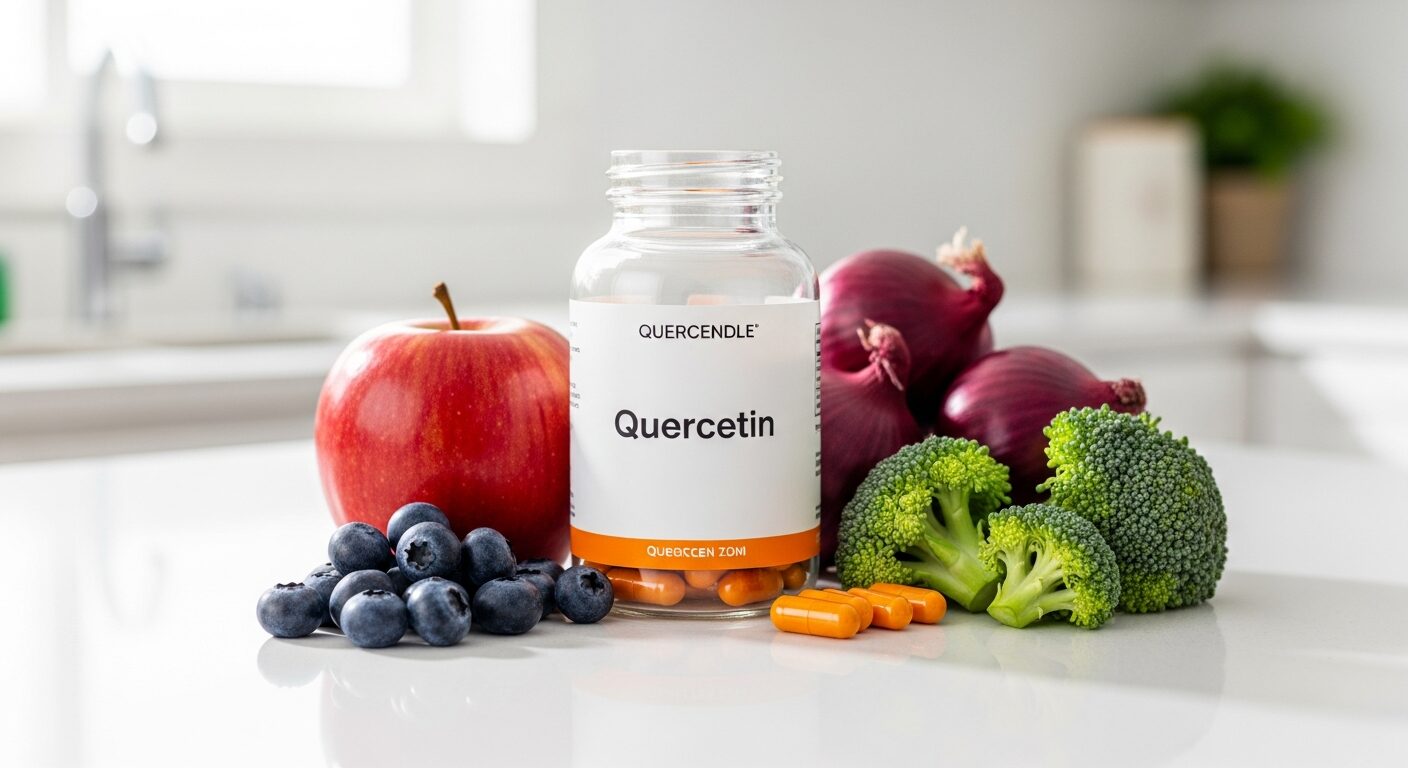
The human body doesn’t produce quercetin naturally, making dietary intake essential. Common food sources include red onions, capers, berries, grapes, broccoli, and green tea. However, the bioavailability of quercetin from food sources is relatively low, with absorption rates typically ranging from 2-20%, which explains why supplementation has gained popularity among those seeking therapeutic benefits.
What sets quercetin apart from other flavonoids is its specific affinity for mast cells and basophils—the immune cells primarily responsible for allergic reactions. Research indicates that quercetin can penetrate these cells and stabilize their membranes, preventing the degranulation process that releases histamine and other inflammatory mediators into surrounding tissues.
Key Benefits of Quercetin
The scientific literature reveals several mechanisms through which quercetin may provide allergy relief. Its primary action involves mast cell stabilization, essentially calming these immune cells before they can trigger the inflammatory cascade that leads to allergic symptoms. Studies demonstrate that quercetin inhibits both the early and late phases of allergic reactions, offering more comprehensive relief than traditional antihistamines.
Beyond mast cell stabilization, quercetin exhibits potent anti-inflammatory properties by inhibiting several key inflammatory enzymes, including cyclooxygenase and lipoxygenase. These enzymes play crucial roles in producing inflammatory compounds like leukotrienes and prostaglandins, which contribute to the swelling, congestion, and discomfort associated with allergic reactions.
Quercetin also demonstrates significant antioxidant activity, with studies showing it can reduce oxidative stress markers in individuals with allergic conditions. This antioxidant action helps protect tissues from the cellular damage that occurs during prolonged inflammatory responses, potentially reducing the severity and duration of allergic episodes.
Research has specifically examined quercetin’s effects on respiratory allergies, with promising results for conditions like allergic rhinitis and asthma. The compound appears to reduce bronchial hyperresponsiveness while improving overall lung function in individuals with allergic asthma. Additionally, quercetin may help stabilize the gut barrier function, which is increasingly recognized as important in preventing food allergies and sensitivities.
What Most People Get Wrong About Quercetin
One of the most persistent misconceptions about quercetin is that it works immediately like conventional antihistamines. Many people expect rapid relief within hours of taking their first dose, but quercetin’s mechanisms require time to build therapeutic levels in tissues. Unlike synthetic antihistamines that block histamine receptors almost immediately, quercetin must accumulate in mast cells and gradually stabilize their membranes—a process that typically takes several days to weeks.
Another common myth suggests that eating quercetin-rich foods provides the same benefits as supplementation for therapeutic purposes. While foods like onions and apples contain quercetin, the concentrations are relatively low, and bioavailability is poor. Research indicates that achieving therapeutic blood levels of quercetin through diet alone would require consuming impractically large quantities of these foods daily. Furthermore, cooking methods and food processing can significantly reduce quercetin content.
Many people also believe that quercetin is completely safe because it’s “natural,” leading to the misconception that it has no interactions or contraindications. This assumption can be dangerous, as quercetin can interact with several medications, particularly those metabolized by certain liver enzymes. Research shows that quercetin can inhibit cytochrome P450 enzymes, potentially affecting the metabolism of prescription drugs like blood thinners, antibiotics, and blood pressure medications.
Perhaps the most misleading belief is that quercetin alone will cure severe allergies or replace necessary medical treatments. While research supports quercetin’s anti-allergic properties, it should be viewed as a complementary approach rather than a replacement for established medical treatments. Individuals with severe allergies, especially those requiring emergency medications like epinephrine, should never discontinue prescribed treatments in favor of quercetin supplementation without medical supervision.
What Happens to Your Body After 30 Days of Taking Quercetin
Week 1: Initial Cellular Changes
During the first week of quercetin supplementation, the most significant changes occur at the cellular level, though most individuals won’t notice obvious symptoms relief yet. Quercetin begins accumulating in tissues, particularly in areas rich in mast cells such as the respiratory tract, digestive system, and skin. Blood levels of quercetin and its metabolites start rising, typically reaching detectable concentrations within 2-3 days of consistent supplementation.
At this stage, some sensitive individuals might notice subtle improvements in energy levels due to quercetin’s antioxidant effects reducing oxidative stress. The compound begins its work stabilizing mast cell membranes, though this process is gradual and won’t yet translate to noticeable allergy symptom relief for most people.
Week 2: Early Symptomatic Improvements
By the second week, many individuals begin experiencing their first noticeable improvements in allergy symptoms. This timing aligns with research showing that quercetin’s mast cell stabilizing effects become more pronounced after 7-14 days of consistent intake. Common early improvements include reduced nasal congestion, fewer sneezing episodes, and less severe reactions to known allergen exposures.
The anti-inflammatory effects become more apparent during this period, with some individuals reporting reduced joint stiffness or muscle soreness that may have been related to chronic inflammatory processes. Sleep quality often improves as nighttime congestion and breathing difficulties decrease.
Week 3-4: Full Therapeutic Benefits
The third and fourth weeks typically represent the period when quercetin’s full therapeutic potential becomes evident. Clinical studies suggest that maximum anti-allergic effects are achieved after 3-4 weeks of consistent supplementation, as tissue levels reach optimal concentrations and mast cell stabilization becomes most effective.
During this phase, individuals often report significant improvements in overall allergy symptom severity and frequency. Seasonal allergy sufferers may notice they can spend more time outdoors without triggering severe reactions, while those with food sensitivities might experience improved digestive comfort. The compound’s effects on immune system modulation become more pronounced, potentially leading to fewer respiratory infections and improved overall immune function.
Some individuals also report improvements in skin conditions like eczema or dermatitis, reflecting quercetin’s systemic anti-inflammatory and antihistamine effects. However, it’s important to note that response varies significantly among individuals based on factors like genetics, baseline inflammatory status, and the severity of underlying allergic conditions.
Who Should NOT Take Quercetin
Certain populations should exercise caution or avoid quercetin supplementation entirely. Pregnant and breastfeeding women should avoid quercetin supplements, as safety data is insufficient for these populations. While quercetin is naturally present in foods, the concentrated amounts in supplements haven’t been adequately studied for safety during pregnancy and lactation.
Individuals taking blood-thinning medications like warfarin, heparin, or newer anticoagulants should consult their healthcare provider before starting quercetin. The flavonoid may enhance anticoagulant effects, potentially increasing bleeding risk. Similarly, those scheduled for surgery should discontinue quercetin at least two weeks beforehand due to potential bleeding complications.
People with kidney disease or a history of kidney stones should use quercetin cautiously, as high doses may theoretically contribute to oxalate stone formation. Additionally, individuals with low blood pressure should monitor their levels closely when starting quercetin, as the compound may have mild hypotensive effects that could be problematic in those already prone to low blood pressure.
Those taking certain antibiotics (particularly fluoroquinolones), chemotherapy drugs, or immunosuppressive medications should discuss quercetin use with their healthcare provider. The supplement may interfere with drug absorption or metabolism, potentially reducing medication effectiveness or increasing side effects.
Individuals with severe allergies requiring emergency medications like epinephrine auto-injectors should never consider quercetin a replacement for their prescribed emergency treatments. While quercetin may help with general allergy management, it cannot prevent or treat severe anaphylactic reactions.
Dosage and Best Forms
Research suggests that effective quercetin doses for allergy management typically range from 500-1000mg daily, divided into two doses taken with meals to improve absorption. Most clinical studies showing anti-allergic benefits have used doses in this range, though some research has utilized higher doses up to 1500mg daily for specific conditions.
Bioavailability remains the biggest challenge with quercetin supplementation. Standard quercetin has poor water solubility and is rapidly metabolized by the liver, resulting in low blood levels. Several enhanced forms have been developed to address this issue, including quercetin phytosome (bound to phospholipids), quercetin with bromelain (an enzyme that may improve absorption), and liposomal quercetin formulations.
Timing of supplementation matters significantly. Taking quercetin with meals, particularly those containing some fat, can improve absorption. Some practitioners recommend starting supplementation 4-6 weeks before known allergy seasons to allow for optimal tissue accumulation and mast cell stabilization.
For individuals new to quercetin, starting with lower doses (250-500mg daily) and gradually increasing can help minimize potential digestive side effects like stomach upset or diarrhea, which occasionally occur with higher initial doses.
🌿 Looking for Quercetin Supplements?
Browse top-rated Quercetin supplements, independently tested and recommended by our editorial team.
Affiliate disclosure: We may earn a small commission at no extra cost to you.
Frequently Asked Questions
Can I take quercetin with other allergy medications?
Quercetin can generally be taken alongside most conventional allergy medications like antihistamines or nasal corticosteroids, but it’s essential to consult with a healthcare provider first. The combination may actually provide complementary benefits, as quercetin works through different mechanisms than standard allergy drugs. However, close monitoring is important to avoid over-suppressing immune responses or experiencing unexpected interactions.
How long does it take for quercetin to start working for allergies?
Most people begin noticing improvements in allergy symptoms after 1-2 weeks of consistent supplementation, with full benefits typically achieved after 3-4 weeks. This delayed onset occurs because quercetin needs time to accumulate in tissues and exert its mast cell stabilizing effects. Unlike conventional antihistamines that work within hours, quercetin’s benefits build gradually over time.
What’s the difference between quercetin from food and supplements?
While foods like onions, apples, and berries contain quercetin, the concentrations are much lower than therapeutic supplements, and bioavailability from food sources is poor. To achieve the doses used in clinical research (500-1000mg daily), you would need to consume enormous quantities of quercetin-rich foods. Supplements provide concentrated, standardized amounts that are more likely to reach therapeutic blood levels.
Are there any side effects from taking quercetin?
Quercetin is generally well-tolerated, but some individuals may experience mild digestive side effects like stomach upset, nausea, or diarrhea, particularly at higher doses or when taken on an empty stomach. Rare cases of headaches or tingling sensations have been reported. These side effects are typically mild and can often be minimized by taking quercetin with food or reducing the dose.
Can children take quercetin for allergies?
While quercetin is naturally present in many foods that children eat safely, there’s limited research on quercetin supplementation specifically in pediatric populations. Most clinical studies have been conducted in adults, making it difficult to establish appropriate dosing guidelines for children. Parents should consult with a pediatrician before giving quercetin supplements to children, as dosing would need to be adjusted based on body weight and individual health factors.
Medical Disclaimer
This article is for educational and informational purposes only and should not be considered medical advice. The information presented is not intended to diagnose, treat, cure, or prevent any disease or health condition. Individual responses to quercetin supplementation may vary significantly, and what works for one person may not work for another.
Before starting any new supplement regimen, including quercetin, it is essential to consult with a qualified healthcare professional, especially if you have existing health conditions, take prescription medications, or have severe allergies requiring medical management. Never discontinue prescribed allergy medications or treatments without medical supervision.
Pregnant or breastfeeding women, individuals with kidney disease, those taking blood-thinning medications, or anyone scheduled for surgery should seek medical advice before using quercetin supplements. The statements in this article have not been evaluated by the Food and Drug Administration.