
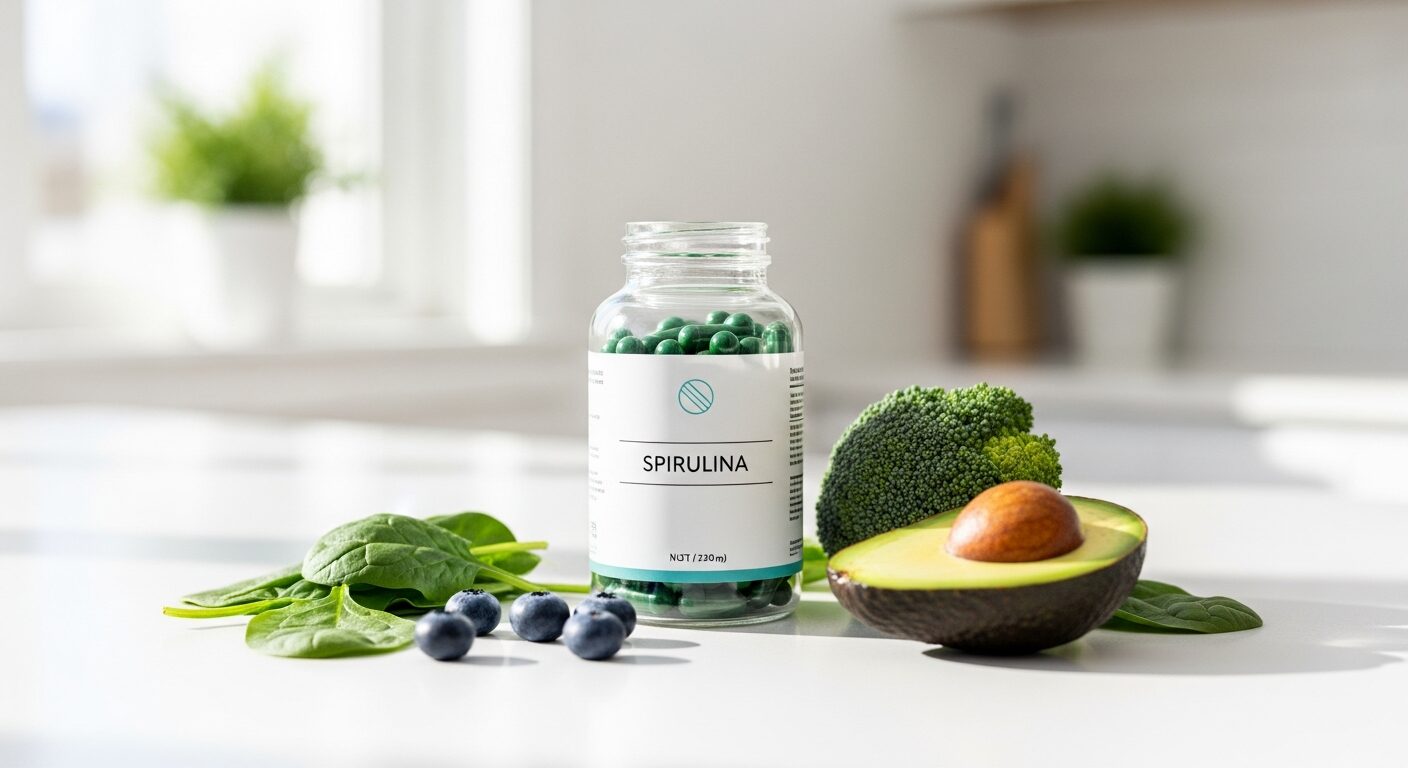
In the vast ocean of health supplements, few have captured the attention of researchers and health enthusiasts quite like spirulina. This microscopic blue-green algae, which has sustained civilizations for centuries, is now being hailed as one of nature’s most complete nutritional powerhouses. From NASA considering it as a space food to modern athletes using it for performance enhancement, spirulina’s journey from ancient superfood to cutting-edge supplement is nothing short of remarkable.
But beyond the marketing hype and superfood claims lies a fascinating organism with genuine scientific backing. Spirulina isn’t just another trendy supplement – it’s a complete protein source containing all essential amino acids, packed with vitamins, minerals, and unique compounds that offer real health benefits. Understanding what spirulina actually is, how it works in your body, and who can benefit from it most is crucial for making an informed decision about incorporating this ancient algae into your modern wellness routine.
🌿 Looking for Spirulina supplements? Shop Amazon →
Contents
What is Spirulina
Spirulina is a type of blue-green microalgae that belongs to the cyanobacteria family, scientifically known as Arthrospira platensis and Arthrospira maxima. Despite being called an algae, spirulina is technically a bacterium that performs photosynthesis like plants, thriving in warm, alkaline waters with high pH levels. This unique organism has been consumed by humans for over 1,000 years, with historical evidence showing that the Aztecs harvested it from Lake Texcoco in Mexico.
What sets spirulina apart from other supplements is its exceptional nutritional density. It contains approximately 60-70% protein by weight, making it one of the richest protein sources in nature. This complete protein profile includes all nine essential amino acids that the human body cannot produce on its own. Additionally, spirulina is rich in B vitamins, particularly B12, iron, beta-carotene, gamma-linolenic acid (GLA), and unique pigments like phycocyanin, which gives it its distinctive blue-green color.
Today, spirulina is commercially cultivated in controlled environments using sophisticated bioreactor systems or open pond systems in countries like China, India, the United States, and Chile. The cultivation process involves maintaining specific temperature, pH, and nutrient conditions to optimize growth and nutritional content. After harvesting, the biomass is dried and processed into various forms including powder, tablets, and capsules for human consumption.
Key Benefits of Spirulina
Scientific research has identified numerous health benefits associated with spirulina supplementation, many of which stem from its unique nutritional profile and bioactive compounds. The antioxidant properties of spirulina are particularly noteworthy, primarily due to phycocyanin, a powerful pigment-protein complex that gives spirulina its blue color and provides significant protection against oxidative stress.
One of the most well-documented benefits is spirulina’s ability to support immune function. Effects of Spirulina supplementation on immune function in humans, 2008 demonstrated that regular spirulina consumption can enhance immune cell activity and increase the production of antibodies. The study showed significant improvements in natural killer cell function and increased levels of immunoglobulin A, suggesting enhanced immune surveillance capabilities.
Cardiovascular health represents another area where spirulina shows promise. Research indicates that spirulina supplementation can help reduce total cholesterol and LDL cholesterol levels while increasing HDL cholesterol. The algae’s high content of gamma-linolenic acid, an omega-6 fatty acid, contributes to cardiovascular health by supporting healthy inflammatory responses and improving lipid profiles.
Energy and endurance benefits are frequently reported by spirulina users, and these effects have scientific backing. The high protein content, combined with iron, B vitamins, and other energy-supporting nutrients, can help combat fatigue and support physical performance. Some studies suggest that spirulina may help improve exercise tolerance and reduce exercise-induced oxidative stress, making it popular among athletes and active individuals.
Blood sugar regulation is another area where spirulina demonstrates potential benefits. Some research suggests that spirulina supplementation may help improve insulin sensitivity and glucose metabolism, though more human studies are needed to fully establish these effects. The algae’s protein content and fiber-like properties may contribute to more stable blood sugar levels when consumed as part of a balanced diet.
What Most People Get Wrong About Spirulina
Despite its legitimate health benefits, spirulina is surrounded by several persistent myths and misconceptions that can lead to unrealistic expectations or inappropriate use. Understanding these misconceptions is crucial for making informed decisions about spirulina supplementation.
Myth 1: Spirulina is a Complete Vitamin B12 Source for Vegans
One of the most dangerous misconceptions is that spirulina provides adequate vitamin B12 for vegans and vegetarians. While spirulina does contain compounds that appear to be B12 in laboratory tests, much of this is actually pseudovitamin B12 – analogs that cannot be effectively utilized by the human body. In fact, these analogs may actually interfere with true B12 absorption and mask B12 deficiency symptoms while allowing the underlying deficiency to worsen. Vegans should never rely solely on spirulina for their B12 needs and should use proper B12 supplements or fortified foods.
Myth 2: All Spirulina Products Are the Same
Many consumers assume that spirulina quality is consistent across all products, but this couldn’t be further from the truth. The growing conditions, harvesting methods, processing techniques, and storage all significantly impact the final product’s nutritional content and safety. Spirulina grown in contaminated water or processed under poor conditions can contain harmful heavy metals, microcystins, or other toxins. High-quality spirulina should come from controlled cultivation environments with third-party testing for contaminants.
Myth 3: More Spirulina Equals More Benefits
The “more is better” mentality is particularly problematic with spirulina. Some people assume that taking large doses will accelerate benefits, but this approach can actually be counterproductive and potentially harmful. Excessive spirulina intake can cause digestive upset, allergic reactions in sensitive individuals, and may interfere with certain medications. The body can only absorb and utilize a certain amount of nutrients at once, making moderate, consistent dosing more effective than sporadic high doses.
Myth 4: Spirulina Can Replace a Balanced Diet
Perhaps the most pervasive myth is that spirulina is so nutritionally complete that it can serve as a meal replacement or substitute for a varied diet. While spirulina is indeed nutrient-dense, it lacks many essential nutrients found in whole foods, including adequate amounts of vitamin C, vitamin D, calcium, and healthy fats. It should be viewed as a nutritional supplement that enhances a balanced diet, not as a replacement for diverse, whole food nutrition.
What Happens to Your Body After 30 Days of Taking Spirulina
Understanding the timeline of spirulina’s effects can help set realistic expectations and optimize supplementation strategies. The progression of benefits follows a predictable pattern based on the supplement’s bioavailability and the body’s adaptation to increased nutrient intake.
Week 1: Initial Adaptation
During the first week of spirulina supplementation, your body begins adapting to the increased nutrient influx. Many users report slight digestive changes as their system adjusts to the high protein and fiber-like content. Some individuals experience mild detoxification symptoms such as slight fatigue or headaches, which typically resolve as the body adapts. The antioxidant compounds begin circulating in your system, though noticeable effects may not yet be apparent. It’s during this period that starting with a lower dose and gradually increasing is most important to minimize any adjustment symptoms.
Week 2: Emerging Benefits
By the second week, most users begin noticing the first tangible benefits. Energy levels often show the most dramatic improvement during this period, as the B vitamins, iron, and complete protein profile begin supporting cellular energy production more effectively. Many people report feeling more sustained energy throughout the day, with fewer afternoon crashes. Sleep quality may also begin to improve as the body’s nutritional status enhances overall physiological function. Digestive adaptation typically completes during this week, and any initial adjustment symptoms usually resolve.
Week 3-4: Full Benefit Realization
The third and fourth weeks represent when spirulina’s full benefits typically become apparent. Antioxidant and anti-inflammatory effects of spirulina consumption, 2009 showed that significant improvements in antioxidant markers typically occur after 3-4 weeks of consistent supplementation. Users often report enhanced exercise recovery, improved mental clarity, and better overall vitality. Immune function improvements may become noticeable, with some users reporting fewer minor illnesses or faster recovery from physical stress. Skin health improvements are sometimes observed during this period, likely due to the combined effects of improved nutrition and reduced oxidative stress.
It’s important to note that individual responses vary significantly based on factors including baseline nutritional status, diet quality, lifestyle factors, and genetic variations in nutrient metabolism. Those with existing nutrient deficiencies may notice benefits more quickly and dramatically than those with already optimal nutritional status.
Who Should NOT Take Spirulina
While spirulina is generally safe for most healthy adults, several groups should exercise caution or avoid spirulina supplementation entirely. Understanding these contraindications is essential for safe supplementation.
Individuals with autoimmune conditions such as multiple sclerosis, rheumatoid arthritis, or lupus should avoid spirulina due to its immune-stimulating properties. Spirulina and autoimmune conditions: safety considerations, 2005 highlighted concerns that spirulina’s immune-enhancing effects could potentially exacerbate autoimmune conditions by further stimulating an already overactive immune system.
People with phenylketonuria (PKU) must avoid spirulina because it contains phenylalanine, an amino acid that individuals with PKU cannot properly metabolize. This can lead to dangerous accumulation of phenylalanine in the blood, potentially causing intellectual disability and other serious health problems.
Those taking immunosuppressive medications, including organ transplant recipients and individuals undergoing chemotherapy, should consult their healthcare provider before using spirulina. The supplement’s immune-stimulating properties may interfere with immunosuppressive therapies, potentially reducing their effectiveness.
Pregnant and breastfeeding women should exercise caution with spirulina supplementation. While not definitively harmful, insufficient safety data exists for these populations. The potential for contamination with heavy metals or toxins in some spirulina products poses additional risks during pregnancy and lactation.
Individuals with bleeding disorders or those taking anticoagulant medications should be cautious, as spirulina may have mild blood-thinning effects. Similarly, people with hypotension should monitor their blood pressure closely, as spirulina may have modest blood pressure-lowering effects.
Anyone with known allergies to seafood, seaweed, or other algae products should start with very small doses or avoid spirulina entirely, as cross-reactivity is possible. Symptoms of allergic reactions can include skin rashes, difficulty breathing, or gastrointestinal distress.
Dosage and Best Forms
Optimal spirulina dosage varies depending on individual health goals, body weight, and tolerance levels. Most research studies have used doses ranging from 1 to 10 grams daily, with 3-5 grams being the most common therapeutic range for healthy adults. Beginners should start with 1 gram daily and gradually increase to assess tolerance and effectiveness.
Spirulina is available in several forms, each with distinct advantages. Powder form offers the highest bioavailability and can be easily mixed into smoothies, juices, or yogurt. However, the strong taste can be off-putting for some users. Tablets and capsules provide convenience and eliminate taste concerns but may have slightly lower bioavailability due to processing and binding agents.
Timing of spirulina consumption can influence its effectiveness. Taking spirulina on an empty stomach may enhance absorption but can cause nausea in sensitive individuals. Many users find taking it with meals reduces digestive upset while still providing benefits. For energy support, morning consumption is often preferred, while those using spirulina for recovery might benefit from post-workout timing.
Quality considerations are paramount when selecting spirulina products. Look for organic certification, third-party testing for heavy metals and contaminants, and products from reputable manufacturers with transparent sourcing information. Avoid products with unnecessary additives, artificial colors, or excessive processing.
🌿 Looking for Spirulina Supplements?
Browse top-rated Spirulina supplements, independently tested and recommended by our editorial team.
Affiliate disclosure: We may earn a small commission at no extra cost to you.
Frequently Asked Questions
Can spirulina help with weight loss?
Spirulina may support weight management through several mechanisms, including its high protein content which can increase satiety and metabolic rate. The supplement’s nutrient density may also help reduce cravings for less nutritious foods. However, spirulina is not a weight loss miracle and works best when combined with a balanced diet and regular exercise. Any weight loss effects are typically modest and occur as part of overall lifestyle improvements.
How long does it take to see results from spirulina?
Most users begin experiencing energy improvements within 1-2 weeks of consistent use, while more significant benefits like enhanced immune function and improved exercise recovery typically become apparent after 3-4 weeks. However, individual responses vary greatly depending on baseline health status, diet quality, and lifestyle factors. Consistency is key – sporadic use is unlikely to produce noticeable benefits.
Can children take spirulina safely?
Spirulina can be safe for children when used appropriately and under healthcare guidance. Doses should be significantly lower than adult doses, typically 1-2 grams daily for older children. However, children with any health conditions, allergies, or those taking medications should only use spirulina under medical supervision. The high nutrient density makes it potentially beneficial for children with poor appetites or limited diets.
Does spirulina interact with medications?
Spirulina can interact with several types of medications. Its immune-stimulating effects may interfere with immunosuppressive drugs, while its mild blood-thinning properties could enhance the effects of anticoagulant medications. The high vitamin K content may affect blood clotting medications like warfarin. Anyone taking prescription medications should consult their healthcare provider before starting spirulina supplementation.
What’s the difference between spirulina and chlorella?
While both are nutrient-dense algae, spirulina and chlorella have distinct differences. Spirulina is technically a cyanobacteria with higher protein content and more easily digestible cell walls. Chlorella is a true algae with higher chlorophyll content and requires cell wall processing for optimal absorption. Spirulina has a more complete amino acid profile, while chlorella may have superior detoxification properties. Both offer health benefits, but spirulina is generally better tolerated and more bioavailable.
Medical Disclaimer
The information provided in this article is for educational purposes only and is not intended to replace professional medical advice, diagnosis, or treatment. Always consult with qualified healthcare providers before starting any new supplement regimen, especially if you have existing health conditions, are pregnant or nursing, or are taking medications. Individual responses to supplements can vary significantly, and what works for one person may not be appropriate for another. The statements regarding spirulina have not been evaluated by the Food and Drug Administration, and spirulina is not intended to diagnose, treat, cure, or prevent any disease. If you experience any adverse reactions while taking spirulina, discontinue use immediately and consult your healthcare provider.