
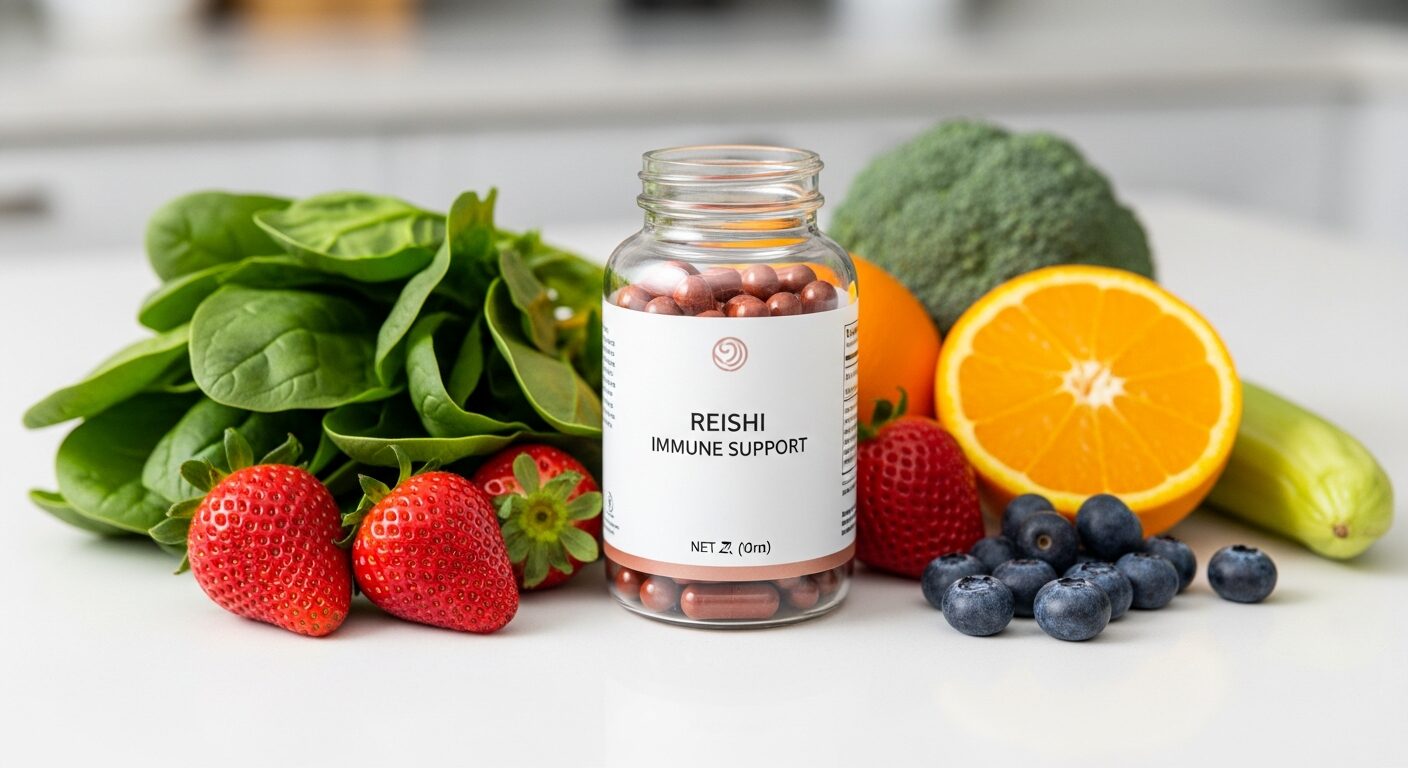
For over 4,000 years, practitioners of traditional Chinese medicine have revered Ganoderma lucidum—commonly known as reishi or the “mushroom of immortality”—as one of nature’s most potent healing remedies. This glossy, woody fungus has earned its legendary status not through folklore alone, but increasingly through rigorous scientific research that validates many of its traditional uses.
Modern research has revealed that reishi contains a complex array of bioactive compounds, including triterpenes, polysaccharides, and peptidoglycans, which work synergistically to support immune function, reduce inflammation, and promote overall wellness. As interest in evidence-based natural health solutions continues to grow, reishi has emerged as one of the most thoroughly studied medicinal mushrooms, with over 400 published research papers examining its therapeutic potential.
Understanding how reishi works in the body, its proven benefits, and the proper way to incorporate it into your health regimen requires separating scientific fact from marketing hype. This comprehensive guide examines the current research on reishi supplementation, addresses common misconceptions, and provides practical guidance for those considering adding this remarkable fungus to their wellness routine.
🌿 Looking for Reishi supplements? Shop Amazon →
Contents
What is Reishi
Reishi (Ganoderma lucidum) is a polypore mushroom that grows on decaying hardwood trees throughout Asia, Europe, and North America. Unlike culinary mushrooms, reishi has a bitter taste and woody texture that makes it unsuitable for direct consumption. Instead, it’s typically processed into powders, extracts, or capsules to concentrate its active compounds.
The mushroom’s distinctive glossy, varnish-like appearance has earned it names like “lingzhi” in Chinese (meaning “spiritual potency”) and “mannentake” in Japanese (meaning “10,000-year mushroom”). These names reflect the high regard traditional cultures have held for reishi’s health-promoting properties.
Reishi’s therapeutic effects stem from its unique chemical composition. The mushroom contains over 400 bioactive compounds, with the most studied being beta-glucans (complex polysaccharides that support immune function), triterpenes (compounds responsible for the bitter taste and liver-protective effects), and ganoderic acids (which contribute to the mushroom’s adaptogenic properties).
Modern cultivation techniques have made high-quality reishi more accessible than ever before. Producers can now control growing conditions to optimize the concentration of specific bioactive compounds, resulting in standardized extracts that deliver consistent therapeutic benefits.
Key Benefits of Reishi
Scientific research has identified several key areas where reishi supplementation may provide significant health benefits. The most well-established benefits include immune system modulation, stress reduction, and cardiovascular support.
Immune system support represents reishi’s most extensively studied benefit. Immunomodulatory effects of Ganoderma lucidum, 2005 demonstrated that reishi’s beta-glucans can enhance immune cell activity while also preventing overactive immune responses. This dual action helps maintain immune system balance rather than simply boosting immune function indiscriminately.
The mushroom’s adaptogenic properties help the body manage stress more effectively. Regular reishi supplementation has been shown to reduce cortisol levels, improve sleep quality, and enhance overall resilience to both physical and mental stressors. These effects appear to be mediated by reishi’s influence on the hypothalamic-pituitary-adrenal axis, the body’s primary stress response system.
Cardiovascular benefits include improved cholesterol profiles, reduced blood pressure, and enhanced circulation. Reishi’s triterpenes appear to inhibit cholesterol synthesis while promoting the breakdown of existing cholesterol deposits. Additionally, the mushroom’s anti-inflammatory properties may help protect blood vessel walls from damage.
Liver health support is another well-documented benefit. Reishi has demonstrated hepatoprotective effects in both animal and human studies, helping to protect liver cells from damage caused by toxins, alcohol, and oxidative stress. This makes it particularly valuable for individuals with existing liver conditions or those exposed to environmental toxins.
What Most People Get Wrong About Reishi
Despite its growing popularity, several persistent misconceptions about reishi continue to circulate, often leading to unrealistic expectations or improper use.
Myth: All Reishi Products Are Created Equal
Many consumers assume that any product labeled “reishi” will provide the same benefits, but this couldn’t be further from the truth. The concentration of active compounds varies dramatically between products, depending on factors like cultivation methods, extraction techniques, and processing standards. Whole mushroom powders contain significantly lower concentrations of bioactive compounds compared to standardized extracts. Research consistently shows that products standardized for specific compounds like beta-glucans and triterpenes deliver more predictable therapeutic effects.
Myth: Reishi Works Immediately Like Pharmaceutical Drugs
Unlike pharmaceutical medications that often produce rapid effects, reishi works gradually to support the body’s natural functions. Many people discontinue supplementation after a few days or weeks, expecting immediate dramatic changes. However, research indicates that reishi’s most significant benefits typically emerge after 4-8 weeks of consistent use. This timeline reflects the mushroom’s mechanism of action, which involves gradually modulating immune function and supporting cellular health rather than providing acute symptom relief.
Myth: More is Always Better
The assumption that higher doses automatically translate to better results is particularly problematic with reishi supplementation. Studies have shown that excessive doses can actually reduce effectiveness and increase the risk of side effects. Reishi works as an immune modulator, meaning it helps balance immune function rather than simply boosting it. Taking too much can disrupt this delicate balance and potentially suppress immune responses when they’re needed most.
Myth: Reishi is Safe for Everyone
While generally well-tolerated, reishi is not universally safe for all individuals. This misconception has led to problematic interactions and adverse effects in certain populations. People taking anticoagulant medications, those with autoimmune conditions, and individuals scheduled for surgery need to exercise particular caution. The belief that “natural equals safe” has resulted in some people failing to consult healthcare providers before starting supplementation, potentially leading to dangerous interactions.
What Happens to Your Body After 30 Days of Taking Reishi
Understanding the timeline of reishi’s effects helps set realistic expectations and ensures consistent supplementation during the initial adaptation period.
Week 1: Initial Adaptation
During the first week of reishi supplementation, most people experience subtle changes that are easily overlooked. The body begins adapting to the mushroom’s bioactive compounds, with initial effects typically manifesting as improved sleep quality and slightly enhanced stress tolerance. Some individuals may notice mild digestive changes as their system adjusts to the new supplement. Research suggests that immune cells begin responding to reishi’s beta-glucans within 72 hours, though these changes aren’t immediately perceptible.
Week 2: Emerging Benefits
By the second week, more noticeable effects typically emerge. Sleep patterns often improve significantly, with many users reporting deeper, more restorative rest. Energy levels may stabilize throughout the day, with fewer afternoon crashes or energy dips. Stress resilience begins to improve, with many people finding they react less intensely to daily stressors. Effects of Ganoderma lucidum on chronic fatigue syndrome, 2005 documented similar improvements in energy and well-being within two weeks of starting supplementation.
Week 3-4: Full Therapeutic Benefits
The third and fourth weeks typically represent when reishi’s full therapeutic potential becomes apparent. Immune function reaches optimal modulation, providing better protection against minor illnesses while maintaining balanced responses. Cardiovascular benefits, including improved circulation and blood pressure regulation, become more pronounced. Mental clarity and emotional stability often reach their peak during this period, reflecting reishi’s comprehensive adaptogenic effects.
Long-term users frequently report that benefits continue to build beyond the 30-day mark, with some effects becoming more pronounced after 2-3 months of consistent use. This extended timeline reflects reishi’s ability to support fundamental cellular processes and gradually optimize physiological function.
Who Should NOT Take Reishi
While reishi is generally safe for most adults, certain individuals should avoid supplementation or use it only under medical supervision.
Individuals taking anticoagulant or antiplatelet medications should exercise extreme caution with reishi supplementation. The mushroom can enhance the effects of blood-thinning medications, potentially increasing bleeding risk. This includes prescription medications like warfarin and clopidogrel, as well as over-the-counter supplements like fish oil and vitamin E.
People with autoimmune conditions require careful evaluation before starting reishi supplementation. While the mushroom’s immune-modulating effects can be beneficial for some autoimmune conditions, it may exacerbate others. Individuals with multiple sclerosis, rheumatoid arthritis, lupus, or other autoimmune disorders should consult with their healthcare provider before beginning supplementation.
Pregnant and breastfeeding women should avoid reishi supplementation due to insufficient safety data. While no specific harm has been documented, the lack of controlled studies in these populations makes supplementation inadvisable. The developing fetus and nursing infant may be particularly sensitive to reishi’s bioactive compounds.
Individuals scheduled for surgery should discontinue reishi supplementation at least two weeks prior to their procedure. The mushroom’s effects on blood clotting and immune function could complicate surgical outcomes and interfere with post-operative healing.
People with low blood pressure should monitor their blood pressure closely when starting reishi supplementation, as the mushroom can have hypotensive effects. Similarly, individuals with liver disease should use reishi only under medical supervision, despite its hepatoprotective properties, as individual responses can vary significantly.
Dosage and Best Forms
Effective reishi supplementation requires understanding both proper dosing and product selection. Most research supports daily doses between 1,000-3,000mg of standardized extract, though optimal dosing can vary based on individual factors and health goals.
Standardized extracts represent the most reliable form of reishi supplementation. Look for products standardized to contain specific percentages of beta-glucans (typically 10-30%) and triterpenes (1-5%). These standardization markers ensure consistent potency and therapeutic effects.
Whole mushroom powders are less concentrated but may provide a broader spectrum of compounds. If choosing powder forms, higher doses (3,000-9,000mg daily) are typically necessary to achieve therapeutic effects equivalent to standardized extracts.
Liquid extracts offer rapid absorption but often have inconsistent potency. Dual-extracted products, which use both water and alcohol extraction methods, capture the full range of reishi’s bioactive compounds and represent the gold standard for supplementation.
Timing can influence effectiveness. Many people prefer taking reishi in the evening due to its calming properties, though it can be taken at any time of day. Consistency is more important than specific timing, with daily supplementation producing better results than sporadic use.
🌿 Looking for Reishi Supplements?
Browse top-rated Reishi supplements, independently tested and recommended by our editorial team.
Affiliate disclosure: We may earn a small commission at no extra cost to you.
Frequently Asked Questions
Can I take reishi with other supplements?
Reishi generally combines well with other supplements, particularly other medicinal mushrooms, adaptogens, and immune-supporting nutrients. However, avoid combining with supplements that have similar blood-thinning effects without medical supervision. Ganoderma lucidum interactions with drugs, 2015 provides detailed information about potential supplement interactions.
How long should I take reishi?
Reishi can be taken long-term as it’s considered a tonic herb in traditional medicine systems. Many people use it continuously for months or years without adverse effects. However, some practitioners recommend periodic breaks (1-2 weeks every 3-6 months) to prevent tolerance, though scientific evidence for this approach is limited.
Will reishi interfere with my sleep medication?
Reishi’s calming effects may enhance the sedative effects of sleep medications. While this isn’t necessarily dangerous, it could result in excessive sedation. Consult your healthcare provider before combining reishi with prescription sleep aids, and consider starting with lower doses to assess your individual response.
Can children take reishi supplements?
There’s insufficient research on reishi supplementation in children to establish safety guidelines. Most manufacturers recommend their products only for adults. Children’s immune systems are still developing, and immune modulators like reishi could potentially interfere with normal immune system maturation.
What should I do if I experience side effects?
Common mild side effects include digestive upset, dizziness, or skin rash. These typically resolve by reducing the dose or temporarily discontinuing supplementation. More serious side effects like severe allergic reactions, persistent digestive issues, or unusual bleeding require immediate medical attention and permanent discontinuation of the supplement.
Medical Disclaimer
The information provided in this article is for educational purposes only and is not intended to replace professional medical advice, diagnosis, or treatment. Always consult with a qualified healthcare provider before starting any new supplement regimen, especially if you have existing health conditions, take medications, or are pregnant or breastfeeding. Individual responses to supplements can vary significantly, and what works for one person may not be appropriate for another. The FDA has not evaluated statements about dietary supplements for treating, preventing, or curing diseases. Never disregard professional medical advice or delay seeking treatment based on information from this article.