
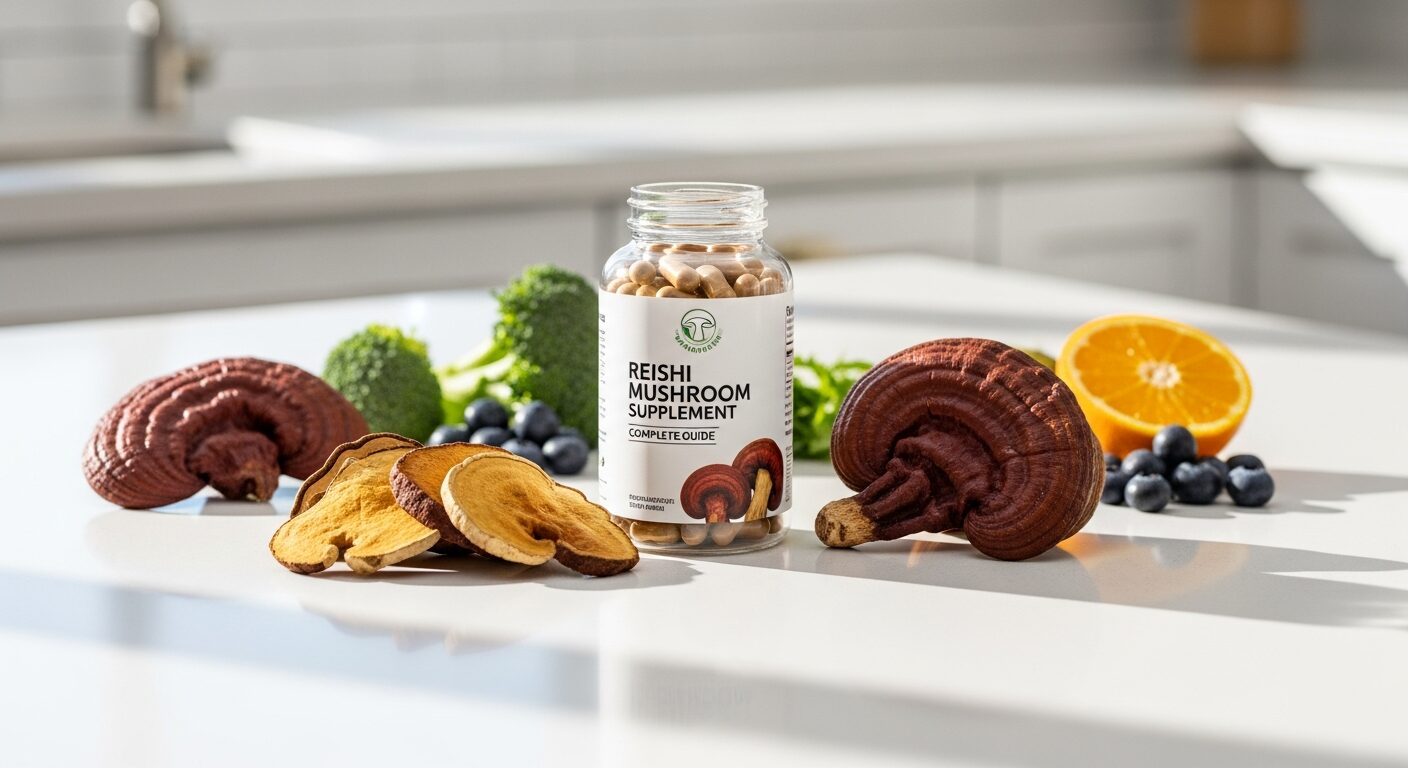
Known as the “mushroom of immortality” in ancient Chinese medicine, Reishi (Ganoderma lucidum) has captivated health enthusiasts for over 4,000 years. This glossy, reddish-brown fungus was once so rare and prized that it was reserved exclusively for royalty and the wealthy elite. Today, modern science is validating what traditional healers have long believed – that Reishi possesses remarkable properties that can profoundly impact human health and longevity.
What makes Reishi particularly fascinating is its unique bioactive compounds, including triterpenes, polysaccharides, and ganoderic acids, which work synergistically to support multiple body systems simultaneously. Unlike many supplements that target a single health concern, Reishi functions as an adaptogen – helping your body adapt to stress while promoting overall balance and wellness.
Despite its growing popularity, misconceptions about Reishi abound, and many people don’t understand how to use it effectively or what realistic expectations to have. This comprehensive guide will cut through the confusion, providing you with science-based insights into this remarkable fungus and how it might fit into your wellness routine.
🌿 Looking for Reishi supplements? Shop Amazon →
Contents
What is Reishi
Reishi (Ganoderma lucidum) is a woody mushroom that grows on decaying hardwood trees, primarily in Asia, Europe, and North America. Unlike culinary mushrooms you might find in your local grocery store, Reishi has a bitter, woody taste and tough texture that makes it unsuitable for direct consumption. Instead, it’s processed into powders, extracts, or capsules to concentrate its beneficial compounds.
The mushroom’s distinctive appearance – featuring a shiny, lacquered surface that ranges from reddish-brown to mahogany – earned it the nickname “lingzhi” in Chinese, meaning “spiritual potency.” In traditional Chinese medicine, Reishi is classified as a superior herb, meaning it can be taken continuously without adverse effects while providing long-term health benefits.
What sets Reishi apart from other medicinal mushrooms is its complex chemical profile. The mushroom contains over 400 bioactive compounds, with the most significant being beta-glucans (immune-supporting polysaccharides), triterpenes (responsible for the bitter taste and liver-protective effects), and ganoderic acids (unique compounds that support cardiovascular health and may help regulate cholesterol).
Key Benefits of Reishi
Scientific research has identified numerous health benefits associated with regular Reishi consumption, though it’s important to note that most studies have been conducted on animals or in laboratory settings, with human clinical trials still emerging.
Immune System Support: Reishi’s beta-glucans can help modulate immune function, potentially enhancing the body’s ability to fight off infections while preventing overactive immune responses. Immunomodulating Activities of Ganoderma lucidum, 2003 demonstrated that Reishi extracts could significantly enhance immune cell activity in healthy subjects.
Stress and Sleep Quality: The triterpenes in Reishi may help calm the nervous system, potentially improving sleep quality and reducing anxiety. Many users report feeling more relaxed and experiencing deeper, more restorative sleep after consistent use.
Liver Health: Reishi has shown hepatoprotective properties, meaning it may help protect the liver from damage caused by toxins, alcohol, or medications. The ganoderic acids appear to support liver detoxification processes and may help improve overall liver function.
Cardiovascular Support: Some studies suggest that Reishi may help support healthy cholesterol levels, blood pressure regulation, and overall heart health. The mushroom’s compounds appear to have anti-inflammatory effects that benefit the cardiovascular system.
Energy and Fatigue: Despite its calming effects, many users report improved energy levels and reduced fatigue over time. This seemingly contradictory effect is typical of adaptogens, which help restore balance rather than providing stimulation.
What Most People Get Wrong About Reishi
Despite its popularity, several persistent myths about Reishi continue to circulate, leading to unrealistic expectations and improper use.
Myth 1: Reishi Works Like a Stimulant for Immediate Energy
Many people expect Reishi to provide immediate energy boosts similar to caffeine or other stimulants. This misconception leads to disappointment when users don’t feel an instant surge of energy. In reality, Reishi works as an adaptogen, gradually helping to restore natural energy levels by supporting adrenal function and improving sleep quality. The energy benefits typically emerge after weeks of consistent use as your body’s natural rhythms become more balanced.
Myth 2: All Reishi Supplements Are the Same
This couldn’t be further from the truth. The quality and potency of Reishi supplements vary dramatically based on cultivation methods, extraction processes, and standardization. Some products contain mostly mycelium (the root-like structures) grown on grain, while others use the actual fruiting body of the mushroom. The concentration of active compounds like triterpenes and beta-glucans can vary by as much as 1000% between products, making quality sourcing crucial.
Myth 3: More Reishi Equals Better Results
Many users assume that taking larger doses will accelerate benefits, but research suggests that Reishi follows a bell curve response – meaning there’s an optimal dose range beyond which benefits may actually decrease. Taking excessive amounts can sometimes lead to digestive upset, dizziness, or skin reactions. The key is finding your individual sweet spot, which typically falls within established dosage guidelines.
Myth 4: Reishi is Safe for Everyone Without Exception
While Reishi has an excellent safety profile for most people, the belief that it’s universally safe can be dangerous. Some individuals may experience allergic reactions, and Reishi can interact with certain medications, particularly blood thinners and immunosuppressive drugs. Additionally, people with autoimmune conditions should consult healthcare providers before use, as immune-modulating effects could potentially exacerbate certain conditions.
What Happens to Your Body After 30 Days of Taking Reishi
Understanding the timeline of Reishi’s effects can help set realistic expectations and ensure you give the supplement adequate time to work.
Week 1: Initial Adaptation
During the first week, your body begins adapting to Reishi’s bioactive compounds. Some users report subtle changes in sleep patterns – either feeling slightly more drowsy in the evening or experiencing more vivid dreams. A small percentage of users may experience mild digestive changes as their system adjusts. These initial effects are generally mild and indicate that the compounds are being absorbed and beginning to interact with your body’s systems.
Week 2: Early Noticeable Effects
By the second week, many users begin noticing more consistent sleep patterns and may wake up feeling more refreshed. Stress responses might start to feel less intense, with some people reporting that daily stressors don’t seem as overwhelming. Ganoderma lucidum improves sleep quality in patients with neurasthenia, 2005 found that participants experienced significant improvements in sleep quality within two weeks of supplementation.
Week 3-4: Full Benefits Emergence
The third and fourth weeks typically represent when users experience the full range of Reishi’s benefits. Energy levels often stabilize and improve, not through stimulation but through better rest and recovery. Many users report enhanced mental clarity and emotional balance. Immune function benefits, while not immediately noticeable, are likely occurring at the cellular level during this period. Some users may notice improvements in skin appearance, as better sleep and reduced stress often reflect in complexion.
It’s important to note that individual responses vary significantly. Some people may notice benefits earlier, while others might need 6-8 weeks to experience the full effects. Consistency is key – sporadic use is unlikely to produce meaningful results.
Who Should NOT Take Reishi
While Reishi is generally well-tolerated, certain individuals should exercise caution or avoid it entirely.
Blood Clotting Disorders: Reishi may have anticoagulant effects, potentially increasing bleeding risk. Individuals taking blood-thinning medications like warfarin, or those with bleeding disorders should consult their healthcare provider before use.
Autoimmune Conditions: People with autoimmune diseases such as multiple sclerosis, lupus, or rheumatoid arthritis should be cautious, as Reishi’s immune-modulating effects could potentially worsen symptoms or interfere with treatments.
Scheduled Surgery: Due to its potential effects on blood clotting, Reishi should be discontinued at least two weeks before any scheduled surgery.
Pregnancy and Breastfeeding: There’s insufficient research on Reishi’s safety during pregnancy and lactation. Pregnant and nursing women should avoid use unless specifically recommended by their healthcare provider.
Low Blood Pressure: Reishi may lower blood pressure in some individuals. Those with hypotension or taking blood pressure medications should monitor their levels closely and consult their doctor.
Allergic Reactions: Some people may be allergic to Reishi or other mushrooms. Signs include skin rashes, difficulty breathing, or digestive upset. Discontinue use immediately if allergic reactions occur.
Dosage and Best Forms
The optimal Reishi dosage varies depending on the form and concentration of the supplement. Pharmacological and clinical properties of Ganoderma lucidum, 2004 suggests that effective doses typically range from 1.5 to 9 grams of dried mushroom equivalent daily, though most standardized extracts require much smaller doses.
Standardized Extracts: Look for products standardized to contain specific percentages of triterpenes (typically 2-5%) and beta-glucans (10-30%). These concentrated forms usually require doses of 500-1500mg daily.
Powder Form: Whole mushroom powder typically requires higher doses (3-9 grams daily) but may provide a broader spectrum of compounds. Mix into smoothies, teas, or other beverages.
Spore Oil: This highly concentrated form contains the reproductive cells of the mushroom and is particularly rich in triterpenes. Doses are typically much smaller (100-500mg daily).
Timing: Many users find taking Reishi in the evening beneficial due to its calming effects, though it can be taken any time of day. Consistency in timing helps maintain steady levels in your system.
Quality Considerations: Choose products that specify the extraction ratio, test for heavy metals and contaminants, and preferably use organic mushrooms. Third-party testing certificates add another layer of quality assurance.
🌿 Looking for Reishi Supplements?
Browse top-rated Reishi supplements, independently tested and recommended by our editorial team.
Affiliate disclosure: We may earn a small commission at no extra cost to you.
Frequently Asked Questions
How long does it take for Reishi to start working?
Most people begin noticing subtle effects within 1-2 weeks, with more pronounced benefits typically appearing after 3-4 weeks of consistent use. However, some individuals may require 6-8 weeks to experience the full range of benefits. Consistency is crucial – taking Reishi sporadically is unlikely to produce meaningful results.
Can I take Reishi with other supplements or medications?
Reishi generally plays well with other supplements, but caution is needed with certain medications. It may enhance the effects of blood thinners, diabetes medications, and blood pressure drugs. Always consult your healthcare provider before combining Reishi with prescription medications, especially if you have existing health conditions.
Should I cycle Reishi or take it continuously?
Unlike stimulants or some nootropics, Reishi doesn’t require cycling and can be taken continuously. In fact, consistent long-term use is often more beneficial than intermittent supplementation. Traditional Chinese medicine has used Reishi continuously for thousands of years without reported tolerance issues.
Is it better to take Reishi on an empty stomach or with food?
Reishi can be taken either way, though taking it with food may reduce the likelihood of any digestive upset, particularly when first starting. Some users find that taking it with a small amount of fat can improve absorption of fat-soluble compounds.
What’s the difference between Reishi fruiting body and mycelium?
The fruiting body is the actual mushroom that grows above ground and contains the highest concentration of beneficial compounds like triterpenes. Mycelium is the root-like structure that grows underground and is often cultivated on grain substrates. Fruiting body extracts are generally considered superior, though some products combine both for a broader compound profile.
Medical Disclaimer
The information provided in this article is for educational purposes only and is not intended to diagnose, treat, cure, or prevent any disease. Reishi supplements have not been evaluated by the Food and Drug Administration for their safety or efficacy. Individual results may vary, and this information should not replace professional medical advice.
Before starting any new supplement regimen, especially if you have existing health conditions, take medications, or are pregnant or nursing, consult with a qualified healthcare provider. If you experience any adverse reactions while taking Reishi, discontinue use immediately and seek medical attention if symptoms persist or worsen.
The studies referenced in this article represent ongoing research, and more clinical trials are needed to fully establish the therapeutic potential and safety profile of Reishi mushroom supplements in humans.