
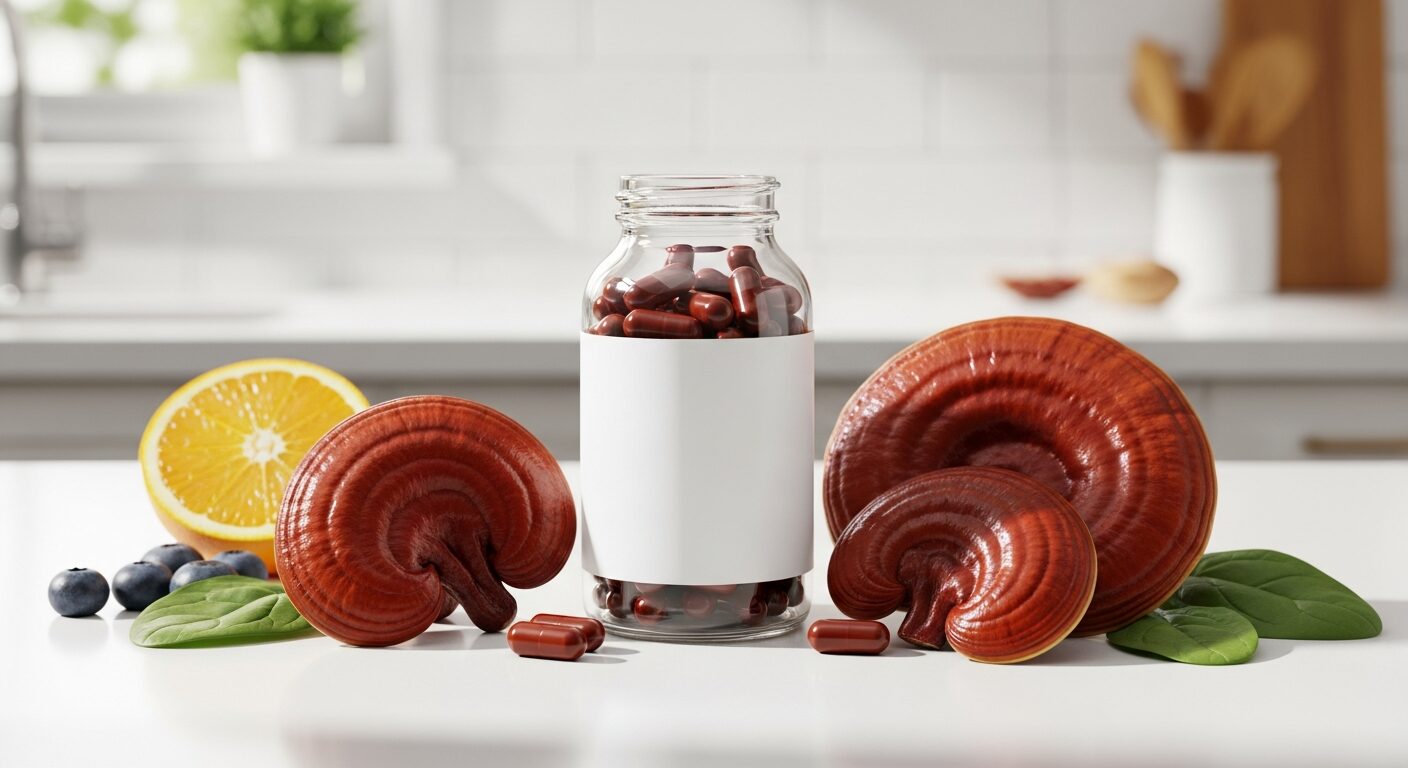
For over 4,000 years, the reishi mushroom has been revered in Traditional Chinese Medicine as the “mushroom of immortality” and the “divine fungus.” Today, this glossy, reddish-brown adaptogen is experiencing a renaissance in Western wellness circles, with millions turning to reishi supplements for everything from better sleep to enhanced immune function. But beyond the ancient wisdom and modern marketing claims lies a growing body of scientific research that’s beginning to validate what practitioners have known for millennia.
What makes reishi particularly fascinating to researchers is its unique collection of bioactive compounds, including triterpenes, polysaccharides, and ganoderic acids, which appear to work synergistically to support multiple body systems. Unlike many trendy supplements that promise quick fixes, reishi’s effects tend to be subtle yet profound, working gradually to help the body adapt to stress and maintain homeostasis.
This comprehensive analysis examines what peer-reviewed science actually reveals about reishi’s benefits, separates fact from fiction regarding common misconceptions, and provides evidence-based guidance on dosage, timing, and safety considerations. Whether you’re a healthcare practitioner, supplement enthusiast, or simply curious about this remarkable fungus, understanding the research can help you make informed decisions about incorporating reishi into your wellness routine.
🌿 Looking for Reishi supplements? Shop Amazon →
Contents
What is Reishi
Reishi (Ganoderma lucidum) is a polypore fungus that grows on decaying hardwood trees, particularly in Asia, Europe, and North America. Unlike culinary mushrooms, reishi has a bitter taste and woody texture that makes it unsuitable for direct consumption, which is why it’s typically processed into powders, extracts, or tinctures.
The mushroom’s distinctive lacquered appearance comes from its high concentration of triterpenes, the same compounds responsible for its bitter taste and many of its therapeutic properties. Wild reishi is relatively rare and can take years to mature, which historically made it more valuable than gold in ancient China. Today, commercial cultivation techniques have made reishi widely available, though quality can vary significantly between products.
What sets reishi apart from other medicinal mushrooms is its classification as an adaptogen—a substance that helps the body maintain balance during physical, chemical, or biological stress. This adaptogenic quality, combined with its unique phytochemical profile, makes reishi particularly effective for supporting long-term health rather than addressing acute conditions.
Key Benefits of Reishi
Scientific research has identified several well-documented benefits of reishi supplementation, with immune system modulation being perhaps the most extensively studied. Multiple studies have demonstrated that reishi can enhance immune function in healthy individuals while helping to regulate overactive immune responses, making it valuable for both immune support and autoimmune conditions.
Sleep quality improvement represents another major area where reishi shows consistent benefits. The triterpenes in reishi, particularly ganoderic acids, appear to have mild sedative effects that can help reduce the time it takes to fall asleep and improve overall sleep quality without causing morning grogginess. Many users report feeling more refreshed upon waking after consistent reishi use.
Stress adaptation and cortisol regulation constitute core benefits of reishi’s adaptogenic properties. Research indicates that regular reishi supplementation can help normalize cortisol patterns, reduce subjective feelings of stress, and improve stress-related symptoms like irritability and fatigue. This makes reishi particularly valuable for individuals dealing with chronic stress or high-pressure lifestyles.
Liver health support is another well-documented benefit, with studies showing that reishi can help protect liver cells from damage and support the organ’s natural detoxification processes. The hepatoprotective effects appear to stem from reishi’s antioxidant properties and its ability to reduce inflammation in liver tissue.
Additionally, emerging research suggests potential benefits for cardiovascular health, including modest improvements in cholesterol profiles and blood pressure regulation, though more human studies are needed to confirm these effects definitively.
What Most People Get Wrong About Reishi
Despite reishi’s growing popularity, several persistent misconceptions continue to circulate, often leading to unrealistic expectations or improper use. Understanding these myths is crucial for anyone considering reishi supplementation.
Myth: Reishi Works Immediately Like Pharmaceutical Sleep Aids
Many people expect reishi to knock them out like prescription sleep medications, leading to disappointment when they don’t feel dramatically sleepy after their first dose. In reality, reishi’s sleep benefits typically develop gradually over 1-3 weeks of consistent use. Rather than acting as a sedative, reishi helps regulate the body’s natural sleep-wake cycle and reduces the mental chatter that often prevents restful sleep. This gentler approach means the effects build over time as the body’s stress response systems rebalance.
Myth: All Reishi Products Are Created Equal
The supplement market is flooded with reishi products that vary dramatically in quality, potency, and bioactive compound content. Many consumers assume that any product labeled “reishi” will provide the same benefits, but this couldn’t be further from the truth. The extraction method, cultivation conditions, and part of the mushroom used (fruiting body vs. mycelium) all significantly impact the final product’s therapeutic potential. Products made from mycelium grown on grain often contain more starch than actual mushroom compounds, while poorly extracted powders may have minimal bioavailable triterpenes.
Myth: More Reishi Always Means Better Results
The “more is better” mentality leads many people to take excessive doses of reishi, expecting faster or stronger effects. However, research suggests that reishi follows a bell curve response pattern, where moderate doses often produce better results than high doses. Studies have shown that very high doses can sometimes suppress rather than enhance immune function, and may increase the risk of side effects like digestive upset or dizziness. The key with adaptogens like reishi is finding the optimal dose for individual needs, which is typically much lower than many people assume.
Myth: Reishi Is Just a Placebo Effect
Skeptics often dismiss reishi’s benefits as purely psychological, assuming that any improvements are simply due to the placebo effect. While the placebo effect certainly exists in supplement research, multiple double-blind, placebo-controlled studies have demonstrated measurable physiological changes with reishi supplementation, including improved sleep quality scores, reduced inflammatory markers, and enhanced immune cell activity. The gradual, subtle nature of reishi’s effects may make them seem psychological, but objective measurements consistently show real biological changes.
What Happens to Your Body After 30 Days of Taking Reishi
Understanding reishi’s timeline of effects can help set realistic expectations and prevent premature discontinuation. Based on clinical research and user reports, reishi’s benefits typically unfold in distinct phases over the first month of consistent supplementation.
Week 1: Initial Adaptation Phase
During the first week, most people notice subtle changes rather than dramatic improvements. Some individuals report feeling slightly more relaxed in the evening or experiencing less mental chatter before bed. A small percentage may notice mild digestive changes as their system adapts to the new supplement. Energy levels might fluctuate slightly as the body begins responding to reishi’s adaptogenic compounds. It’s important to note that some people may feel slightly drowsy during the day initially, as their sleep-wake cycle begins to regulate.
Week 2: Noticeable Sleep Improvements
By the second week, sleep quality improvements typically become more apparent. Many users report falling asleep more easily and experiencing fewer middle-of-the-night awakenings. Morning grogginess often decreases, and some people notice improved dream recall. Stress resilience may begin to improve, with daily stressors feeling slightly more manageable. However, the effects are still building, and consistency remains crucial during this phase.
Weeks 3-4: Full Adaptogenic Benefits Emerge
The third and fourth weeks typically represent when reishi’s full spectrum of benefits becomes apparent. Sleep quality scores in clinical studies show the most significant improvements after 3-4 weeks of consistent use, with participants reporting deeper, more restorative sleep. Stress response improvements become more noticeable, with many users reporting better emotional balance and reduced anxiety. Energy levels often stabilize at a higher baseline, without the peaks and crashes associated with stimulants. Some people may notice improvements in skin clarity or digestive function as the body’s overall stress load decreases.
It’s worth noting that individual responses can vary significantly based on factors like baseline health status, stress levels, sleep quality, and overall lifestyle. People with higher initial stress levels or sleep problems may notice more dramatic improvements, while those who are already relatively healthy might experience more subtle benefits.
Who Should NOT Take Reishi
While reishi is generally considered safe for most healthy adults, several important contraindications and precautions warrant careful consideration before beginning supplementation.
Individuals taking anticoagulant medications should exercise extreme caution with reishi, as it may enhance the blood-thinning effects of medications like warfarin or heparin, potentially increasing bleeding risk. Similarly, those scheduled for surgery should discontinue reishi at least two weeks beforehand due to its potential effects on blood clotting.
People with autoimmune conditions requiring immunosuppressive therapy should consult their healthcare provider before using reishi. While reishi can help modulate immune function, its immune-enhancing properties might potentially interfere with immunosuppressive medications used to treat conditions like rheumatoid arthritis, multiple sclerosis, or following organ transplantation.
Pregnant and breastfeeding women should avoid reishi supplementation due to insufficient safety data in these populations. While traditional use suggests safety, modern safety studies specifically examining reishi’s effects during pregnancy and lactation are lacking.
Individuals with low blood pressure should monitor their levels closely when starting reishi, as it may have mild hypotensive effects. Those taking blood pressure medications may need dosage adjustments under medical supervision.
People with severe liver disease should consult their hepatologist before using reishi, despite its hepatoprotective properties. While reishi generally supports liver health, those with advanced liver disease need medical oversight for any supplement regimen.
Children under 12 should not take reishi without pediatric medical supervision, as safety and appropriate dosing in pediatric populations haven’t been established through clinical research.
Dosage and Best Forms
Optimal reishi dosing depends on the specific form and concentration of the supplement, as well as individual factors like body weight, health status, and desired effects. Most clinical studies have used doses ranging from 1.5 to 3 grams daily of standardized extract, typically divided into two doses taken with meals.
Extract forms generally provide the most concentrated and bioavailable compounds. Look for products standardized to contain specific percentages of triterpenes (typically 2-4%) and polysaccharides (10-20%). These standardized extracts ensure consistent potency and therapeutic compounds.
Powder forms made from whole fruiting bodies can be effective but require higher doses, typically 3-5 grams daily, due to lower concentration of active compounds. When choosing powders, verify that they’re made from actual fruiting bodies rather than mycelium grown on grain substrates.
Tinctures offer good bioavailability and allow for easy dose adjustment. Alcohol-based tinctures typically extract triterpenes more effectively, while water-based preparations may contain more polysaccharides. Some products combine both extraction methods for full-spectrum benefits.
Timing can influence effectiveness. Many people find taking reishi 30-60 minutes before bedtime enhances sleep benefits, while others prefer splitting doses between morning and evening to support all-day stress resilience. Taking reishi with food can help reduce potential digestive upset in sensitive individuals.
Start with the lower end of the dosage range and gradually increase as needed. Most people find their optimal dose within the standard range, and taking more doesn’t necessarily produce better results.
🌿 Looking for Reishi Supplements?
Browse top-rated Reishi supplements, independently tested and recommended by our editorial team.
Affiliate disclosure: We may earn a small commission at no extra cost to you.
Frequently Asked Questions
How long does it take to see results from reishi?
Most people begin noticing subtle effects within the first week, with more significant improvements in sleep quality and stress resilience becoming apparent after 2-3 weeks of consistent daily use. Full adaptogenic benefits typically develop over 4-8 weeks, though individual responses vary. Unlike pharmaceutical medications, reishi works gradually to support the body’s natural regulatory systems rather than producing immediate dramatic effects.
Can I take reishi with other supplements or medications?
Reishi generally combines well with other adaptogenic herbs and most supplements. However, it’s important to consult healthcare providers when taking medications, particularly blood thinners, immunosuppressants, or blood pressure medications. Reishi may enhance the effects of other sleep-promoting supplements, so dosages may need adjustment when combining products. Always inform your healthcare provider about all supplements you’re taking.
Is it safe to take reishi long-term?
Traditional use spanning thousands of years suggests excellent long-term safety for most people. Modern research supports this, with studies showing no significant adverse effects from extended use in healthy adults. Many people take reishi continuously for months or years without problems. However, it’s wise to take occasional breaks (1-2 weeks every few months) to assess ongoing benefits and prevent tolerance.
Will reishi make me drowsy during the day?
Quality reishi products shouldn’t cause daytime drowsiness in most people when taken at appropriate doses. The initial week of supplementation may cause mild daytime sleepiness as your sleep-wake cycle adjusts, but this typically resolves quickly. If persistent daytime drowsiness occurs, try reducing the dose or taking it earlier in the evening. True daytime sedation is more likely to indicate either an excessive dose or a low-quality product with added sedating compounds.
What’s the difference between reishi mushroom powder and extract?
Extracts are concentrated forms that use water, alcohol, or both to pull specific beneficial compounds from the raw mushroom material. This concentration process increases the bioavailability and potency of key compounds like triterpenes and polysaccharides. Powders made from dried whole mushrooms contain the full spectrum of compounds but in lower concentrations, requiring higher doses to achieve therapeutic effects. Extracts are generally more convenient and cost-effective for therapeutic purposes, while powders may offer a broader range of compounds in smaller amounts.
Medical Disclaimer
This article is for informational purposes only and is not intended to diagnose, treat, cure, or prevent any disease. The information provided should not be considered medical advice or used as a substitute for consultation with qualified healthcare professionals. Individual responses to supplements can vary significantly, and what works for one person may not be appropriate for another.
Before starting any new supplement regimen, especially if you have existing health conditions, take medications, or are pregnant or nursing, consult with your healthcare provider. They can help determine whether reishi supplementation is appropriate for your specific situation and can monitor for potential interactions with existing treatments.
While the research cited in this article comes from peer-reviewed scientific sources, supplement research is ongoing and evolving. New studies may provide additional insights or modify current understanding of reishi’s effects and safety profile. Always choose high-quality supplements from reputable manufacturers and follow dosing instructions carefully.