
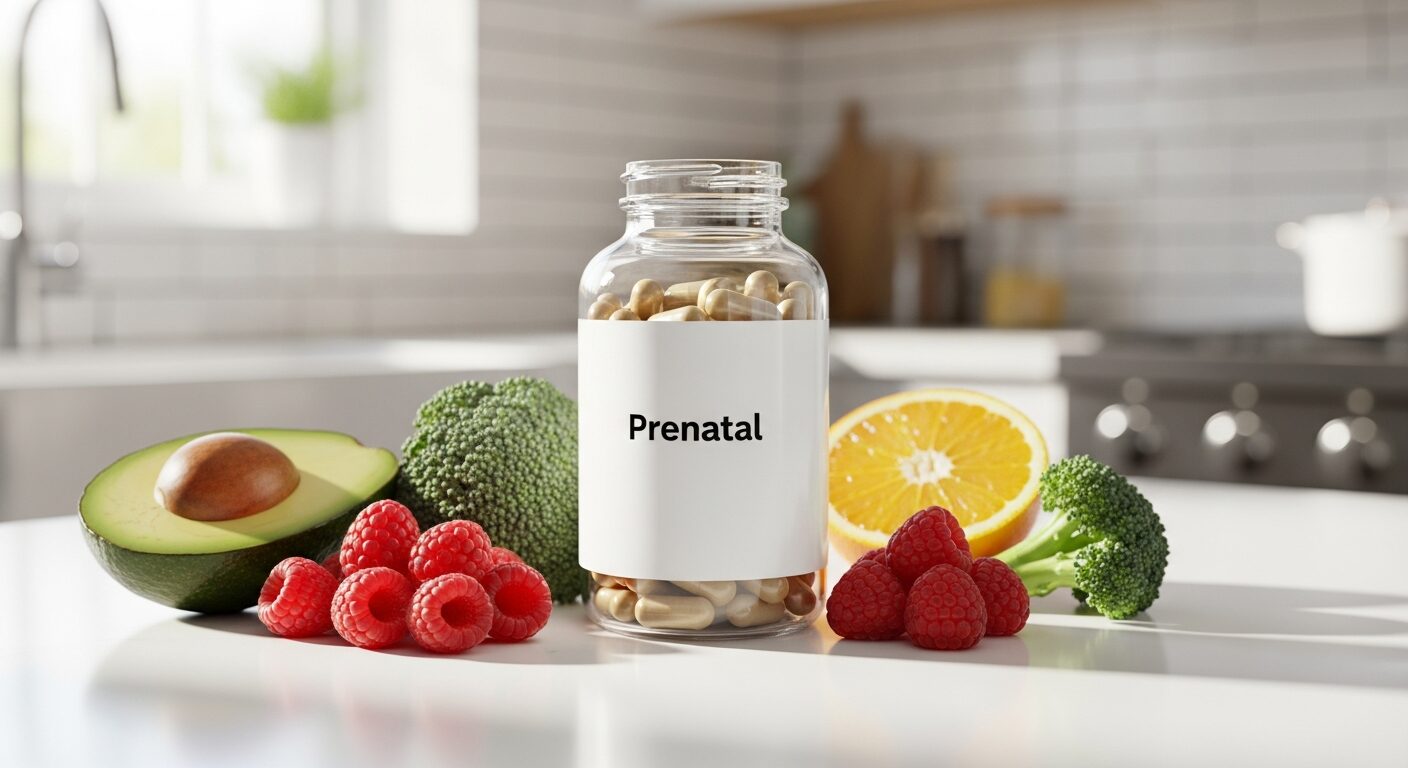
Pregnancy represents one of the most nutritionally demanding periods in a woman’s life, with her body requiring increased amounts of essential vitamins and minerals to support both maternal health and optimal fetal development. While a balanced diet forms the foundation of prenatal nutrition, the reality is that even the most carefully planned meals may not provide adequate amounts of all critical nutrients needed during this transformative time.
The modern diet, combined with factors such as soil depletion, food processing, and individual absorption variations, often creates nutritional gaps that can impact pregnancy outcomes. Research consistently shows that strategic supplementation during pregnancy can significantly reduce the risk of birth defects, support healthy fetal brain development, and maintain maternal well-being throughout all three trimesters.
Understanding which supplements are essential, which are beneficial, and which should be avoided during pregnancy empowers expectant mothers to make informed decisions about their prenatal health regimen. This comprehensive guide examines the science behind the most important pregnancy supplements, helping you navigate the complex landscape of prenatal nutrition with confidence.
🌿 Looking for supplements supplements? Shop Amazon →
Contents
- 1 What is supplements
- 2 Key Benefits of supplements
- 3 What Most People Get Wrong About supplements
- 4 What Happens to Your Body After 30 Days of Taking supplements
- 5 Who Should NOT Take supplements
- 6 Dosage and Best Forms
- 7 Frequently Asked Questions
- 7.1 When should I start taking pregnancy supplements?
- 7.2 Can I take my regular multivitamin instead of a prenatal supplement?
- 7.3 Why do prenatal vitamins cause nausea and how can I prevent it?
- 7.4 Are gummy prenatal vitamins as effective as traditional pills?
- 7.5 How long should I continue taking prenatal supplements after giving birth?
- 8 Medical Disclaimer
What is supplements
Pregnancy supplements are specially formulated nutritional products designed to bridge the gap between dietary intake and the increased nutritional demands of pregnancy. These supplements typically contain higher concentrations of specific vitamins and minerals that are crucial for fetal development and maternal health, such as folic acid, iron, calcium, and omega-3 fatty acids.
Unlike general multivitamins, pregnancy supplements are specifically calibrated to provide nutrients in forms and amounts that align with the physiological changes occurring during pregnancy. For instance, the folate requirement increases by 50% during pregnancy to support rapid cell division and DNA synthesis in the developing fetus. Similarly, iron needs nearly double to support the expansion of maternal blood volume and fetal tissue growth.
The most common forms of pregnancy supplements include comprehensive prenatal multivitamins that combine multiple nutrients in one tablet or capsule, as well as individual supplements targeting specific nutritional needs. Quality pregnancy supplements undergo rigorous testing for purity, potency, and bioavailability to ensure optimal absorption and utilization by both mother and developing baby.
Key Benefits of supplements
The primary benefit of pregnancy supplements lies in their ability to prevent neural tube defects, with folic acid supplementation reducing the risk by up to 70% when taken before conception and during early pregnancy. This B-vitamin plays a crucial role in DNA synthesis and cell division, making it indispensable during the rapid embryonic development phase when the neural tube forms into the brain and spinal cord.
Iron supplementation during pregnancy provides essential support for the dramatic increase in blood volume that occurs to supply oxygen to the growing fetus. Adequate iron intake helps prevent maternal anemia, which affects approximately 32% of pregnant women globally and can lead to complications such as preterm birth, low birth weight, and maternal fatigue. Studies show that consistent iron supplementation can reduce the risk of iron deficiency anemia by 70%.
Omega-3 fatty acids, particularly DHA (docosahexaenoic acid), contribute significantly to fetal brain and eye development. Research demonstrates that mothers who maintain adequate DHA levels during pregnancy have children with enhanced cognitive development, improved visual acuity, and better attention spans during early childhood. Additionally, omega-3 supplementation may reduce the risk of preterm birth and support maternal mental health during pregnancy and postpartum periods.
Calcium and vitamin D work synergistically to support fetal bone development and maintain maternal bone density during pregnancy. The developing baby requires approximately 30 grams of calcium for skeletal formation, and if maternal dietary intake is insufficient, the body will mobilize calcium from maternal bones to meet fetal needs. Adequate supplementation ensures both maternal and fetal calcium requirements are met without compromising long-term maternal bone health.
What Most People Get Wrong About supplements
One of the most pervasive misconceptions about pregnancy supplements is that “more is always better,” leading many women to combine multiple prenatal vitamins or add individual supplements without considering total nutrient intake. This approach can actually be counterproductive and potentially harmful, as excessive intake of certain vitamins like vitamin A can cause birth defects, while too much iron can lead to gastrointestinal distress and interfere with the absorption of other essential minerals like zinc and copper.
Another common myth is that expensive supplements are automatically superior to more affordable options. In reality, the price of a supplement often reflects marketing costs, packaging, and brand positioning rather than nutritional quality or bioavailability. Many reasonably priced prenatal vitamins contain the same active ingredients in identical forms as premium brands. What matters most is choosing supplements that meet third-party testing standards and contain nutrients in their most bioavailable forms, such as methylfolate instead of synthetic folic acid for women with MTHFR gene variants.
Many women incorrectly believe that they only need to start taking supplements after discovering they’re pregnant. However, neural tube development occurs within the first 28 days of pregnancy, often before a woman realizes she’s pregnant. The CDC recommends that all women of reproductive age take 400 micrograms of folic acid daily, regardless of pregnancy plans, because nearly half of all pregnancies are unplanned and the critical period for neural tube formation occurs so early.
A particularly dangerous misconception is that herbal supplements are automatically safe during pregnancy because they’re “natural.” Many herbs can stimulate uterine contractions, interfere with hormone levels, or cross the placental barrier to affect fetal development. For example, popular herbs like ginkgo biloba, ginseng, and high doses of certain essential oils should be avoided during pregnancy despite their safety in non-pregnant populations.
What Happens to Your Body After 30 Days of Taking supplements
During the first week of consistent supplement intake, your body begins to replenish depleted nutrient stores, particularly if you started with any deficiencies. Iron levels begin to stabilize, and women who previously experienced fatigue may notice subtle improvements in energy levels. Folic acid quickly elevates folate status in the blood, providing crucial building blocks for DNA synthesis and cell division that are essential during early pregnancy when organ formation is most active.
By the second week, the benefits of supplementation become more noticeable as nutrient absorption and utilization optimize. Women taking omega-3 supplements often report improvements in mood stability and mental clarity, as DHA supports neurotransmitter function and helps regulate inflammatory processes in the brain. Iron supplementation continues to build red blood cell production, gradually improving oxygen delivery throughout the body and reducing symptoms of iron deficiency such as restless leg syndrome and ice cravings.
During weeks three and four, the full benefits of supplementation typically manifest as your body reaches optimal nutrient status. Research published in the Cochrane Database shows that consistent prenatal supplementation for 30 days significantly improves maternal nutritional biomarkers and reduces the risk of pregnancy complications, 2013. Energy levels stabilize at higher baselines, immune function strengthens due to adequate zinc and vitamin D status, and many women report improved sleep quality and reduced morning sickness symptoms.
The cumulative effect of 30 days of proper supplementation creates a strong nutritional foundation that supports both maternal health and optimal fetal development throughout pregnancy. Blood tests at this point typically show normalized levels of key nutrients like folate, iron, and vitamin D, indicating that supplementation has successfully addressed common nutritional gaps in the modern diet.
Who Should NOT Take supplements
Women with certain medical conditions require careful evaluation before starting pregnancy supplements, particularly those with hemochromatosis or other iron overload disorders. These individuals should avoid iron-containing prenatal vitamins as additional iron can exacerbate their condition and lead to organ damage. Similarly, women with Wilson’s disease, a rare genetic disorder affecting copper metabolism, need specialized supplementation protocols and should avoid standard prenatal vitamins containing copper.
Certain medications can interact significantly with pregnancy supplements, requiring dosage adjustments or alternative formulations. Women taking anticonvulsant medications may need higher doses of folic acid (up to 5mg daily) as these drugs interfere with folate metabolism. Conversely, women on blood-thinning medications like warfarin should consult their healthcare provider before taking supplements containing vitamin K or omega-3 fatty acids, which can affect blood clotting mechanisms.
Women with a history of kidney stones, particularly calcium oxalate stones, require modified supplementation approaches. High-dose calcium supplements may increase stone formation risk in susceptible individuals, and these women may benefit from dividing calcium intake throughout the day or choosing calcium citrate over calcium carbonate. Additionally, vitamin C supplementation should be limited to no more than 1000mg daily in these individuals, as excess vitamin C can be converted to oxalate.
Pregnant women with severe morning sickness (hyperemesis gravidarum) may be unable to tolerate oral supplements and require intravenous or intramuscular nutrient administration under medical supervision. Studies indicate that alternative delivery methods may be necessary for women who cannot maintain oral supplementation due to severe nausea and vomiting, 2017. These women should work closely with healthcare providers to ensure adequate nutrition through modified approaches rather than forcing oral supplement intake that may worsen their condition.
Dosage and Best Forms
The optimal dosage for pregnancy supplements varies by nutrient and individual needs, but established guidelines provide a solid foundation for most women. Folic acid should be taken at 400-800 micrograms daily, with higher doses (up to 5mg) recommended for women with a history of neural tube defects or those taking certain medications. Methylfolate represents the most bioactive form and is particularly beneficial for women with MTHFR genetic variants who cannot efficiently convert synthetic folic acid.
Iron supplementation typically ranges from 18-27mg daily, preferably in the form of ferrous sulfate, ferrous gluconate, or bisglycinate chelate for optimal absorption. Taking iron with vitamin C enhances absorption, while calcium, coffee, and tea can inhibit iron uptake and should be consumed separately. Women with iron deficiency anemia may require higher therapeutic doses (60-120mg daily) under medical supervision.
Omega-3 fatty acids should provide at least 200-300mg of DHA daily, with many experts recommending up to 600mg for optimal fetal brain development. Molecular distilled fish oil offers the highest concentration and purity, while algae-based omega-3s provide an excellent vegetarian alternative. EPA content should be balanced with DHA, typically in a 2:1 or 3:2 ratio for maximum anti-inflammatory benefits.
Calcium requirements during pregnancy increase to 1200mg daily, best met through a combination of dietary sources and supplementation. Calcium carbonate offers the highest elemental calcium content but requires acid for absorption, making it best taken with meals. Calcium citrate absorbs more readily and can be taken on an empty stomach, making it preferable for women with low stomach acid or those taking acid-reducing medications.
🌿 Looking for supplements Supplements?
Browse top-rated supplements supplements, independently tested and recommended by our editorial team.
Affiliate disclosure: We may earn a small commission at no extra cost to you.
Frequently Asked Questions
When should I start taking pregnancy supplements?
Ideally, women should begin taking prenatal supplements at least one month before attempting to conceive, as neural tube development occurs within the first 28 days of pregnancy. If you discover you’re pregnant and haven’t been taking supplements, start immediately, as it’s never too late to provide nutritional support for your developing baby and your own health throughout pregnancy.
Can I take my regular multivitamin instead of a prenatal supplement?
Regular multivitamins typically don’t contain adequate amounts of pregnancy-specific nutrients like folic acid, iron, and calcium. They may also contain ingredients that should be limited during pregnancy, such as high levels of vitamin A. Prenatal supplements are specifically formulated to meet the unique nutritional demands of pregnancy and are the safer, more effective choice.
Why do prenatal vitamins cause nausea and how can I prevent it?
Nausea from prenatal vitamins is commonly caused by iron content and the size of the pills. Taking supplements with food, choosing smaller capsules over large tablets, or switching to a slow-release formula can help. Some women find that taking their prenatal vitamin before bed reduces morning nausea, while others benefit from splitting the dose throughout the day.
Are gummy prenatal vitamins as effective as traditional pills?
Gummy prenatal vitamins can be easier to tolerate but often contain lower amounts of key nutrients, particularly iron and calcium, due to formulation limitations. They also typically contain added sugars and may lack some important nutrients found in traditional prenatal vitamins. If gummies are the only form you can tolerate, they’re better than no supplementation, but you may need additional individual supplements.
How long should I continue taking prenatal supplements after giving birth?
If you’re breastfeeding, continue taking prenatal supplements throughout the entire nursing period, as nutrient demands remain elevated to support milk production and quality. Research shows that maternal supplementation during lactation significantly impacts breast milk nutrient content and infant nutritional status, 2020. If you’re not breastfeeding, you can transition to a regular multivitamin after delivery, though many women choose to continue prenatals while their bodies recover from pregnancy and childbirth.
Medical Disclaimer
This article is for informational purposes only and should not be considered medical advice. Always consult with your healthcare provider before starting any supplement regimen during pregnancy, as individual needs may vary based on your health status, medical history, and specific pregnancy circumstances. Your doctor can recommend appropriate dosages and identify any potential interactions with medications you may be taking. Never discontinue prescribed medications or ignore professional medical advice in favor of supplementation. If you experience any adverse effects from supplements, discontinue use and consult your healthcare provider immediately.