
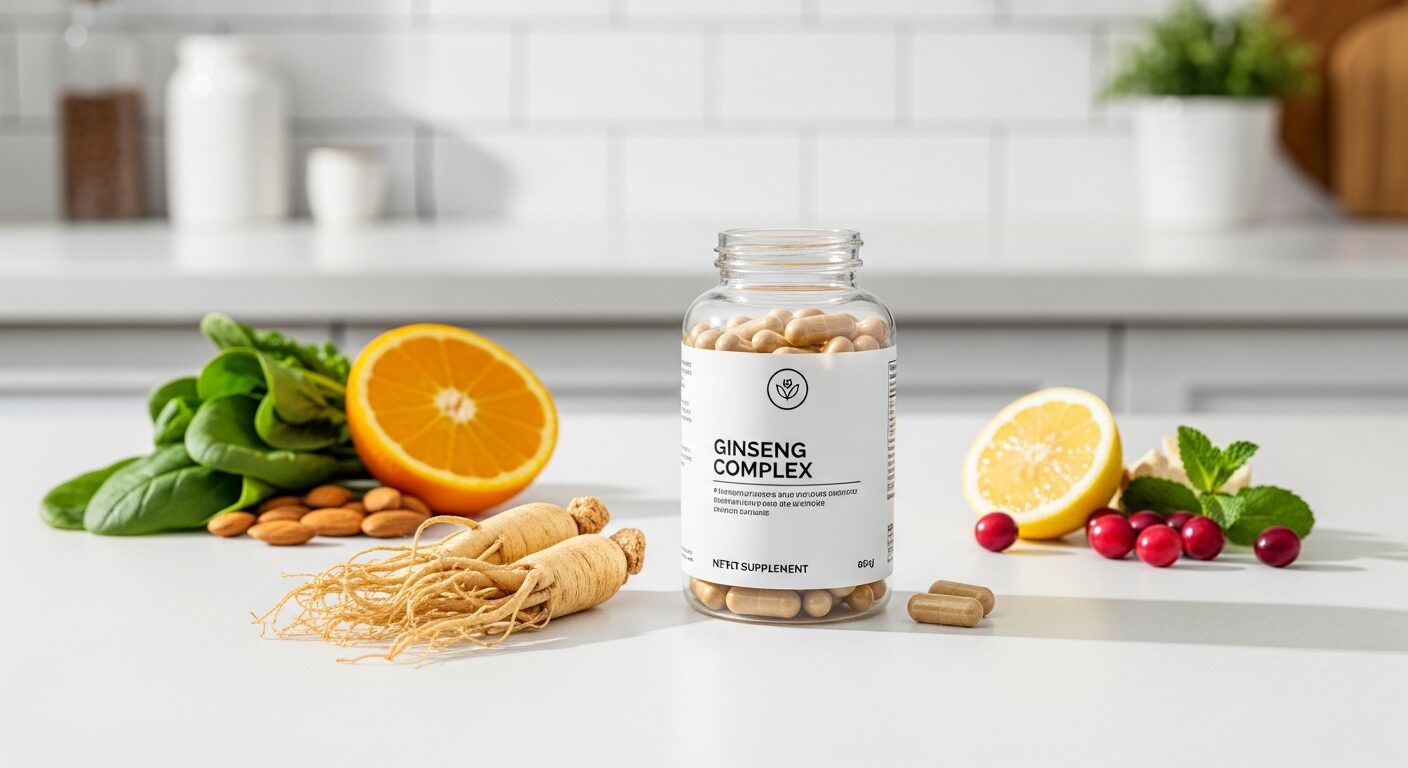
For over 2,000 years, ginseng has been revered as the “king of herbs” in traditional Asian medicine, earning a reputation as nature’s most powerful adaptogen. This remarkable root has captured the attention of researchers worldwide, leading to hundreds of clinical studies that validate many of its traditional uses while uncovering surprising new benefits that extend far beyond what ancient healers ever imagined.
What makes ginseng truly fascinating isn’t just its impressive list of health benefits, but how dramatically it can transform your body’s response to stress, fatigue, and cognitive challenges. From Silicon Valley executives seeking mental clarity to elderly patients fighting age-related decline, ginseng has become one of the most scientifically studied and widely used natural supplements in the world. Yet despite its popularity, most people harbor serious misconceptions about how ginseng works, when to take it, and what results they can realistically expect.
This comprehensive guide will cut through the marketing hype and ancient folklore to give you evidence-based insights into ginseng’s true potential, helping you understand whether this legendary herb deserves a place in your wellness routine.
Contents
What is Ginseng
Ginseng refers to a group of perennial plants belonging to the genus Panax, characterized by their distinctive fleshy roots and potent bioactive compounds called ginsenosides. The name “Panax” derives from the Greek words “pan” (all) and “akos” (cure), literally meaning “cure-all,” reflecting the herb’s traditional reputation as a universal remedy.
There are several species of true ginseng, with Asian ginseng (Panax ginseng) and American ginseng (Panax quinquefolius) being the most extensively studied and commercially available. Asian ginseng, also known as Korean red ginseng when processed, is considered more stimulating and “warming” according to traditional Chinese medicine principles. American ginseng, by contrast, is viewed as more cooling and calming, making it suitable for different constitutional types and health goals.
The therapeutic power of ginseng lies primarily in its unique ginsenosides, a class of steroid glycosides that act as adaptogens in the human body. These compounds help regulate the hypothalamic-pituitary-adrenal (HPA) axis, supporting the body’s ability to maintain homeostasis under stress. Unlike stimulants that provide temporary energy followed by crashes, ginseng works by optimizing cellular energy production and enhancing the body’s natural resilience mechanisms.
Wild ginseng, which takes 15-20 years to fully mature, is extremely rare and commands astronomical prices, sometimes reaching tens of thousands of dollars per root. Most commercial ginseng is cultivated and harvested after 4-6 years, though the concentration of active compounds continues to increase with age, explaining why older roots are more prized and expensive.
Key Benefits of Ginseng
Scientific research has validated many traditional uses of ginseng while uncovering new therapeutic applications. The most well-established benefits center around cognitive enhancement, stress adaptation, and metabolic support.
Cognitive function represents one of ginseng’s most impressive areas of impact. A randomized controlled trial published in 2010 demonstrated that ginseng supplementation significantly improved working memory, attention, and mental arithmetic performance in healthy adults. The ginsenosides appear to enhance neurotransmitter function, particularly acetylcholine and dopamine pathways, while protecting neurons from oxidative stress and inflammation.
Ginseng’s adaptogenic properties make it exceptionally effective for managing various forms of stress and fatigue. Clinical studies show it can reduce cortisol levels during chronic stress while simultaneously improving energy levels and physical performance. This dual action helps explain why ginseng users often report feeling both more energetic and more relaxed.
For individuals with diabetes or prediabetes, ginseng offers significant metabolic benefits. Research indicates it can improve insulin sensitivity, reduce fasting glucose levels, and enhance glucose uptake by cells. The mechanism involves ginsenosides mimicking insulin action and protecting pancreatic beta cells from damage.
Immune system modulation represents another well-documented benefit. Rather than simply boosting immunity, ginseng helps balance immune responses, potentially reducing the risk of both infections and autoimmune reactions. Studies have shown reduced frequency and severity of upper respiratory infections in regular ginseng users.
Emerging research also suggests benefits for cardiovascular health, sexual function, and even cancer prevention, though these areas require additional investigation to establish definitive therapeutic protocols.
What Most People Get Wrong About Ginseng
Despite ginseng’s popularity, several persistent myths continue to mislead consumers and limit their potential benefits from this remarkable herb.
Myth 1: All Ginseng Products Are Created Equal
Perhaps the most dangerous misconception is that all ginseng supplements provide similar benefits. In reality, the quality, potency, and even authenticity of ginseng products vary dramatically. Many products labeled as “ginseng” contain little to no actual Panax ginseng, instead using cheaper alternatives like Siberian ginseng (Eleutherococcus senticosus), which belongs to an entirely different plant family and contains different active compounds.
Even among legitimate Panax ginseng products, ginsenoside content can vary by more than 10-fold depending on cultivation methods, processing techniques, age of roots, and extraction methods. This explains why some people experience dramatic benefits while others notice nothing despite taking “ginseng” supplements.
Myth 2: Ginseng Works Immediately Like Caffeine
Many people expect ginseng to provide instant energy similar to coffee or energy drinks, leading to disappointment and discontinuation when immediate stimulation doesn’t occur. Unlike stimulants that work within minutes, ginseng’s benefits typically emerge gradually over weeks of consistent use as it helps restore optimal physiological function.
This misconception stems from marketing that positions ginseng as a natural energy booster, when in fact it’s more accurately described as an energy optimizer and stress buffer. The most profound benefits—improved stress resilience, enhanced cognitive function, and better overall vitality—require time to manifest as the body’s systems recalibrate.
Myth 3: More is Always Better
The assumption that higher doses automatically provide greater benefits doesn’t apply to ginseng. Research shows that ginseng follows a biphasic dose response, meaning that moderate doses often prove more effective than high doses. Excessive amounts can actually cause restlessness, insomnia, and anxiety in sensitive individuals.
Traditional Chinese medicine has long recognized this principle, recommending specific doses based on individual constitution and health status. Modern pharmacology confirms that ginsenosides can have opposing effects at different concentrations, with some compounds being stimulating at low doses but sedating at higher amounts.
Myth 4: Ginseng is Safe for Everyone
The widespread belief that natural automatically means safe has led many people to use ginseng without considering potential contraindications or interactions. While generally well-tolerated, ginseng can interact with numerous medications and may be inappropriate for certain health conditions, as detailed in the contraindications section below.
What Happens to Your Body After 30 Days of Taking Ginseng
Understanding the timeline of ginseng’s effects can help set realistic expectations and maintain consistent supplementation during the initial period when benefits may not be immediately apparent.
Week 1: Subtle Foundations
During the first week, most people notice minimal overt changes, though important physiological adaptations are already beginning. Research published in 2013 using biomarkers showed that ginsenosides begin accumulating in tissues within days, starting to influence cellular energy production and stress response pathways.
Some individuals may experience mild improvements in sleep quality or slight changes in energy patterns, but these effects are often so subtle they’re attributed to placebo or lifestyle factors. Sensitive individuals might notice reduced afternoon energy crashes or slightly improved mood stability.
Week 2: Emerging Benefits
By the second week, more noticeable changes typically emerge. Mental clarity and focus often improve first, with users reporting better concentration during work or study sessions. Physical energy becomes more stable throughout the day, with fewer peaks and valleys compared to the first week.
Stress responses begin to shift during this period. While stressful situations still occur, many people report feeling less overwhelmed and more capable of handling challenges. Sleep quality improvements become more consistent, with some users experiencing deeper, more restorative rest.
Weeks 3-4: Full Therapeutic Effect
The third and fourth weeks typically represent the period when ginseng’s full benefits become apparent. Cognitive improvements plateau at their maximum effect, with working memory, processing speed, and mental stamina reaching optimal levels for most users.
Physical benefits become more pronounced during this period. Exercise recovery improves noticeably, with reduced muscle soreness and faster return to baseline energy levels. Immune function enhancement becomes evident, with some users reporting fewer minor illnesses or faster recovery from viral infections.
Metabolic benefits, particularly blood sugar regulation, typically reach their peak effectiveness around week four. Individuals monitoring glucose levels often observe more stable readings and improved insulin sensitivity markers.
It’s important to note that benefits continue to accumulate beyond 30 days, with some studies showing peak effects occurring after 8-12 weeks of consistent use. The initial month represents the foundation period rather than the ultimate therapeutic potential.
Who Should NOT Take Ginseng
While ginseng is generally well-tolerated by healthy adults, several important contraindications and precautions must be considered before beginning supplementation.
Cardiovascular Conditions
Individuals with certain heart conditions should exercise extreme caution with ginseng. Those taking warfarin or other blood thinners may experience altered clotting times, as ginseng can enhance anticoagulant effects. People with hypertension should monitor blood pressure closely, as ginseng can either raise or lower blood pressure depending on individual physiology and dosage.
Anyone with a history of heart arrhythmias should consult a cardiologist before using ginseng, as some case reports have linked high-dose ginseng use to cardiac rhythm disturbances in susceptible individuals.
Hormonal Disorders
Ginseng’s hormone-modulating effects make it potentially problematic for individuals with hormone-sensitive conditions. Women with breast cancer, endometriosis, or uterine fibroids should avoid ginseng unless specifically recommended by an oncologist, as some ginsenosides may have estrogenic activity.
Men with prostate cancer or benign prostatic hyperplasia should similarly exercise caution, as ginseng may influence testosterone levels and prostate tissue sensitivity.
Autoimmune Conditions
While ginseng can help balance immune function, individuals with autoimmune diseases like rheumatoid arthritis, lupus, or multiple sclerosis should consult their rheumatologist before use. Ginseng’s immune-modulating effects could potentially interfere with immunosuppressive medications or unpredictably alter disease activity.
Psychiatric Medications
Ginseng can interact with several classes of psychiatric medications. It may enhance the effects of stimulants used for ADHD, potentially causing anxiety or insomnia. Conversely, it might interfere with sedatives or antipsychotic medications. Anyone taking psychiatric medications should work with their prescribing physician to monitor for interactions.
Special Populations
Pregnant and breastfeeding women should avoid ginseng due to insufficient safety data and potential effects on fetal development or infant health through breast milk. Children and adolescents under 18 should not use ginseng unless under medical supervision, as effects on developing systems remain unclear.
Adults over 65 may be more sensitive to ginseng’s effects and should start with lower doses while monitoring for side effects like insomnia, anxiety, or changes in blood pressure or blood sugar levels.
Dosage and Best Forms
Optimal ginseng dosing depends on the specific form, standardization, age of the user, and intended therapeutic goals. Most clinical research has used doses between 200-400mg daily of standardized extracts containing 4-7% ginsenosides.
Standardized extracts represent the most reliable form for consistent therapeutic effects. Look for products standardized to specific ginsenoside content, typically ranging from 4-15%. Higher standardization isn’t necessarily better, as the full spectrum of compounds contributes to ginseng’s effects.
Whole root powder requires higher doses, typically 1-3 grams daily, due to lower concentration of active compounds. While some traditionalists prefer whole root preparations, extracts offer better consistency and convenience for most users.
Timing matters significantly with ginseng supplementation. Most people benefit from taking ginseng in the morning with breakfast to align with natural cortisol rhythms and avoid potential sleep interference. A 2012 study confirmed that morning administration optimizes cognitive benefits while minimizing sleep disruption.
Cycling protocols may enhance long-term effectiveness. Some practitioners recommend taking ginseng for 2-3 months followed by a 2-4 week break to prevent tolerance, though scientific evidence for this approach remains limited.
🌿 Looking for Ginseng Supplements?
Browse top-rated Ginseng supplements, independently tested and recommended by our editorial team.
Affiliate disclosure: We may earn a small commission at no extra cost to you.
Frequently Asked Questions
How long does it take for ginseng to work?
While some acute effects may occur within hours, therapeutic benefits typically emerge gradually over 2-4 weeks of consistent use. Cognitive improvements often appear first, followed by energy and stress-related benefits. Maximum effects usually occur after 8-12 weeks of regular supplementation.
Can I take ginseng with coffee?
Yes, ginseng and coffee can generally be taken together, though sensitive individuals might experience overstimulation. Ginseng’s adaptogenic properties may actually help smooth out caffeine’s peaks and crashes. However, if you experience anxiety, jitters, or sleep problems, consider separating doses by several hours or reducing caffeine intake.
What’s the difference between red and white ginseng?
The difference lies in processing methods, not plant variety. White ginseng is peeled and dried naturally, while red ginseng is steamed before drying, creating a reddish color and altering the ginsenoside profile. Red ginseng is generally considered more potent and warming, while white ginseng is milder with a different therapeutic emphasis.
Should I take ginseng on an empty stomach?
Taking ginseng with food is generally recommended to minimize potential stomach upset and improve absorption. The presence of fats can enhance absorption of fat-soluble ginsenosides. However, some people tolerate ginseng well on an empty stomach and may prefer this approach for faster absorption.
Can ginseng cause dependency or withdrawal?
Ginseng does not cause physical dependency like stimulants or drugs. However, some people may experience a temporary return of previous energy or stress symptoms when discontinuing after long-term use. This represents the body readjusting to functioning without ginseng’s supportive effects rather than true withdrawal.
Medical Disclaimer
The information provided in this article is for educational purposes only and is not intended to diagnose, treat, cure, or prevent any disease. Ginseng supplements have not been evaluated by the Food and Drug Administration for safety or efficacy. Individual results may vary, and the effects described may not occur in all users.
Before starting any new supplement regimen, including ginseng, consult with a qualified healthcare professional, especially if you have pre-existing medical conditions, take prescription medications, are pregnant or nursing, or have concerns about potential interactions. Your healthcare provider can help determine whether ginseng is appropriate for your individual health status and goals.
If you experience any adverse effects while taking ginseng, discontinue use immediately and consult your healthcare provider. This article does not constitute medical advice and should not replace professional medical consultation, diagnosis, or treatment.