
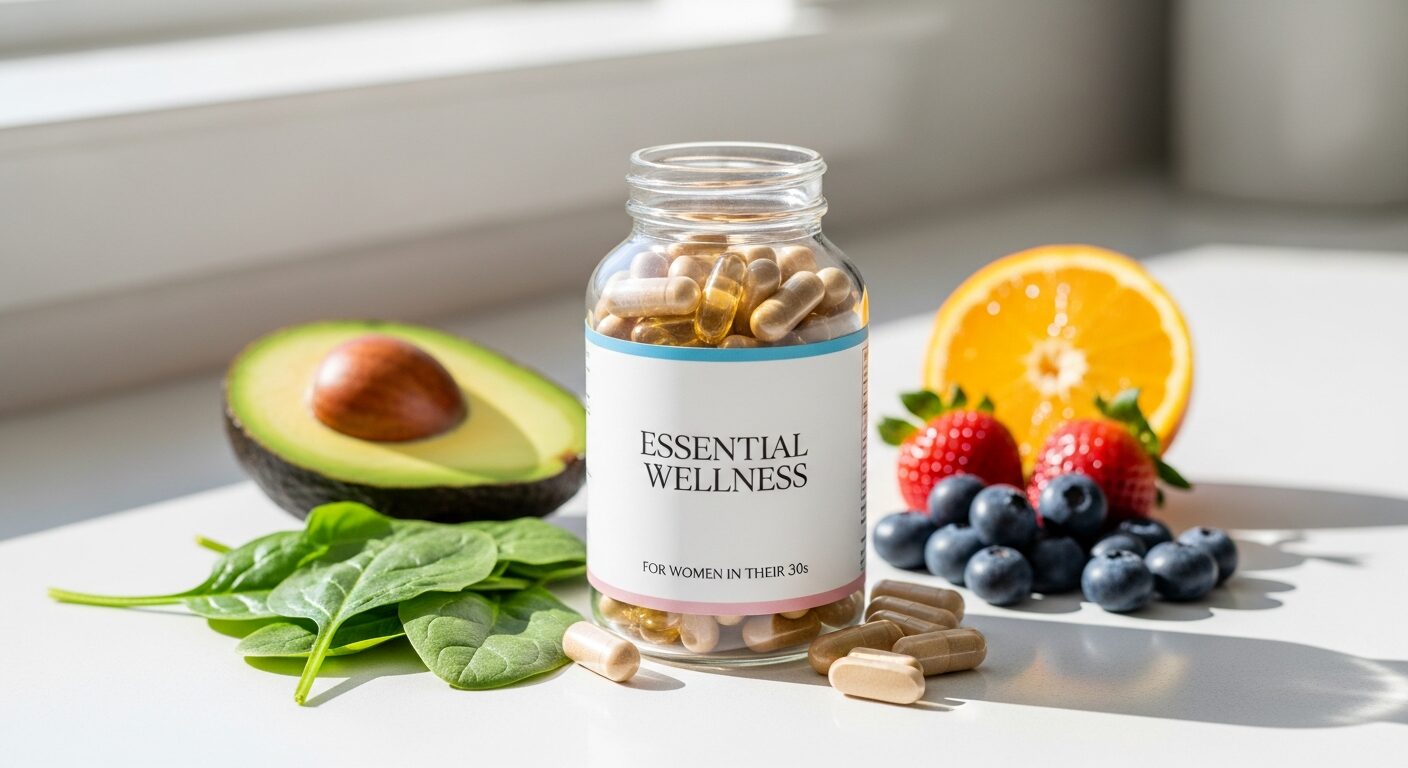
Your thirties mark a pivotal decade where your body begins to change in subtle but significant ways. Hormonal fluctuations become more noticeable, metabolism starts to slow, bone density peaks and begins its gradual decline, and the demands of career and potentially motherhood create unique nutritional challenges. For many women, this is when the gap between what their bodies need and what they’re actually getting from diet alone becomes most apparent.
While a balanced diet should always be the foundation of good health, the reality is that even the most conscientious eaters often fall short of optimal nutrient levels. Modern agricultural practices, food processing, stress, and busy lifestyles all contribute to potential deficiencies that can impact everything from energy levels to long-term disease prevention. Understanding which supplements can bridge these gaps isn’t just about feeling better today—it’s about investing in your health for decades to come.
The supplement industry is worth billions, but it’s also filled with confusion, conflicting information, and products that promise more than they deliver. This guide cuts through the noise to focus on evidence-based supplementation strategies specifically tailored to the unique physiological needs of women in their thirties, helping you make informed decisions about what your body truly needs.
🌿 Looking for supplements supplements? Shop Amazon →
Contents
What is supplements
Supplements are concentrated forms of nutrients, herbs, or other bioactive compounds designed to complement your regular diet. Unlike medications, which are intended to treat, cure, or prevent disease, supplements are meant to support normal physiological functions and help maintain optimal health when dietary intake alone may be insufficient.
The supplement category encompasses a wide range of products: vitamins (both water-soluble like vitamin C and B-complex, and fat-soluble like vitamins A, D, E, and K), minerals (such as calcium, magnesium, and iron), amino acids, fatty acids, probiotics, and botanical extracts. Each serves different functions in the body, from supporting cellular energy production to maintaining immune function and hormonal balance.
For women in their thirties, the most relevant supplements typically address the physiological changes and increased demands of this life stage. These include nutrients that support reproductive health, bone density, cardiovascular function, stress response, and metabolic efficiency. The key is understanding that supplements work best as part of a comprehensive approach to health that includes proper nutrition, regular exercise, adequate sleep, and stress management.
Quality matters significantly in the supplement world. Unlike prescription drugs, supplements aren’t subject to the same rigorous testing requirements before reaching market. This means choosing products from reputable manufacturers who conduct third-party testing, follow Good Manufacturing Practices (GMP), and provide transparent labeling with bioavailable forms of nutrients.
Key Benefits of supplements
The scientific evidence supporting targeted supplementation for women in their thirties spans multiple areas of health, with some of the most compelling research focusing on bone health, cardiovascular protection, and reproductive wellness. Calcium and vitamin D supplementation, for instance, has been extensively studied for its role in maintaining peak bone mass during the crucial years before natural bone loss accelerates.
Folate supplementation provides one of the clearest examples of science-backed benefits for women of reproductive age. Even women who aren’t actively trying to conceive benefit from adequate folate levels, as neural tube defects occur in the earliest weeks of pregnancy, often before a woman knows she’s pregnant. Prevention of neural tube defects: results of the Medical Research Council Vitamin Study, 1991 established the foundation for current recommendations that all women of reproductive age maintain adequate folate status.
Iron supplementation addresses one of the most common nutritional deficiencies among women, particularly those with heavy menstrual periods. Iron deficiency anemia affects cognitive function, exercise performance, and overall energy levels. Research shows that even mild iron deficiency without anemia can significantly impact quality of life, making targeted supplementation valuable for many women in their thirties.
Omega-3 fatty acids represent another area where supplementation can provide measurable benefits. These essential fats support cardiovascular health, brain function, and may help regulate inflammatory processes throughout the body. Since most Western diets are heavily skewed toward omega-6 fatty acids, omega-3 supplementation helps restore a more favorable balance.
Vitamin D supplementation has gained significant attention as research reveals its far-reaching effects beyond bone health. Adequate vitamin D status supports immune function, mood regulation, and may play a role in reducing the risk of various chronic diseases. Given that many people, especially those living in northern climates or spending limited time outdoors, have suboptimal vitamin D levels, supplementation often proves beneficial.
What Most People Get Wrong About supplements
One of the most pervasive misconceptions about supplements is that “natural” automatically means “safe” and “more is always better.” This thinking leads many women to assume that because vitamins and minerals are essential nutrients, taking large doses will provide proportionally greater benefits. In reality, many nutrients follow a U-shaped curve where both deficiency and excess can be harmful. Fat-soluble vitamins like A, D, E, and K can accumulate in body tissues, potentially reaching toxic levels with excessive supplementation.
Another common myth is that expensive supplements are always superior to less costly options. While quality does matter, price often reflects marketing costs and packaging rather than bioavailability or potency. Some of the most effective supplements are relatively inexpensive generic versions of well-researched nutrients. The key is looking for third-party testing, appropriate dosages, and bioavailable forms rather than focusing on brand prestige or price point.
Many women also believe that they can “supplement their way out of” poor dietary habits. This misconception overlooks the complex synergistic relationships between nutrients as they occur in whole foods. Supplements work best when they complement a nutrient-dense diet rather than attempting to replace it. Whole foods provide not just vitamins and minerals, but also fiber, antioxidants, and thousands of phytocompounds that work together in ways that isolated supplements cannot replicate.
Perhaps the most dangerous misconception is that supplements don’t interact with medications or medical conditions. In reality, some supplements can significantly affect drug metabolism, absorption, or effectiveness. For example, calcium can interfere with the absorption of certain antibiotics and thyroid medications, while vitamin K can counteract blood-thinning medications. This is why consulting with healthcare providers before starting new supplements, especially when taking medications, is crucial for safety.
What Happens to Your Body After 30 Days of Taking supplements
Week 1: During the first week of starting a well-chosen supplement regimen, most changes occur at the cellular level and may not be immediately noticeable. Water-soluble vitamins like B-complex and vitamin C begin circulating in your system within hours, supporting energy metabolism and antioxidant defenses. If you were deficient in any of these nutrients, you might start experiencing subtle improvements in energy levels or mental clarity, though these effects can be difficult to distinguish from placebo effects in the early days.
Week 2: By the second week, more consistent changes often become apparent. If you were taking iron supplements for deficiency, improvements in energy and exercise tolerance may become noticeable as your red blood cells begin carrying oxygen more efficiently. Iron supplementation improves progressive fatigue and other quality-of-life measures in iron-deficient women, 2003 demonstrates that significant improvements in fatigue and cognitive function can occur within two weeks of starting iron supplementation in deficient individuals.
Week 3-4: The full month mark typically represents when most supplements reach their peak effectiveness for addressing deficiencies. Vitamin D levels, for instance, respond relatively quickly to supplementation, with meaningful increases in blood levels often achieved within 4-6 weeks. Omega-3 fatty acids begin incorporating into cell membranes, potentially improving cardiovascular markers and reducing inflammatory indicators. Probiotic supplements may show their effects on digestive health and immune function around this timeframe as beneficial bacteria establish themselves in the gut microbiome.
It’s important to note that some benefits of supplementation are cumulative and may not be immediately perceptible. Calcium and vitamin D work together to support bone health, but the benefits of maintaining adequate levels throughout your thirties won’t be fully apparent until later in life when bone density becomes a more pressing concern. Similarly, folate’s most critical benefits relate to supporting healthy pregnancy outcomes, which may not be immediately relevant but are crucial for reproductive planning.
Who Should NOT Take supplements
Certain medical conditions create contraindications for specific supplements that otherwise might be beneficial. Women with hemochromatosis or other iron-overload conditions should avoid iron supplements entirely, as excess iron can damage organs including the liver, heart, and pancreas. Similarly, individuals with kidney stones, particularly calcium oxalate stones, may need to avoid high-dose calcium supplementation and should work closely with their healthcare providers to determine appropriate intake levels.
Pregnant and breastfeeding women represent a special population where supplement needs change dramatically. While prenatal vitamins are generally recommended, many other supplements haven’t been tested for safety during pregnancy and breastfeeding. High-dose vitamin A supplements, for example, can cause birth defects, while herbs and botanical supplements may have unknown effects on fetal development. Women who are pregnant, trying to conceive, or breastfeeding should only take supplements specifically recommended by their healthcare providers.
Drug interactions present another significant concern that many people underestimate. Women taking anticoagulant medications like warfarin must be extremely cautious with vitamin K supplements, as this nutrient directly affects blood clotting. Calcium supplements can interfere with the absorption of thyroid medications, antibiotics, and bisphosphonates used for osteoporosis prevention. Even seemingly innocuous supplements like magnesium can affect the absorption and effectiveness of certain medications.
Individuals scheduled for surgery should typically discontinue most supplements at least two weeks before their procedure. Many supplements can affect blood clotting, blood pressure, or interact with anesthesia in unpredictable ways. Vitamin E, fish oil, ginkgo, and many herbal supplements can increase bleeding risk, while others might interfere with medications used during surgery.
Dosage and Best Forms
Understanding optimal dosages requires balancing effectiveness with safety, and the “Recommended Daily Allowance” (RDA) often represents the minimum amount needed to prevent deficiency rather than the optimal amount for thriving health. For women in their thirties, key supplement dosages typically include: vitamin D3 at 1000-2000 IU daily (depending on blood levels and sun exposure), calcium citrate at 500-600mg daily (preferably split into two doses), and magnesium glycinate at 200-400mg daily.
The form of a supplement can significantly impact its absorption and effectiveness. Calcium citrate, for example, is better absorbed than calcium carbonate, especially in individuals with lower stomach acid. Similarly, vitamin D3 (cholecalciferol) is more effective at raising blood levels than vitamin D2 (ergocalciferol). Iron bisglycinate tends to cause fewer digestive side effects than ferrous sulfate while maintaining good bioavailability.
Timing matters as much as dosage for many supplements. Fat-soluble vitamins (A, D, E, K) should be taken with meals containing some fat to enhance absorption. Iron supplements absorb best on an empty stomach but can cause nausea, so many people tolerate them better with food despite reduced absorption. Calcium absorption from supplements and its relationship to calcium intake from food, 2010 shows that calcium absorption is optimized when intake is limited to 500mg or less at one time, supporting the practice of splitting doses.
Quality indicators include third-party testing by organizations like NSF International, USP, or ConsumerLab, which verify that supplements contain what their labels claim without harmful contaminants. Look for supplements that use chelated minerals, methylated B vitamins for better absorption, and avoid unnecessary fillers, artificial colors, or allergens that don’t serve a functional purpose.
🌿 Looking for supplements Supplements?
Browse top-rated supplements supplements, independently tested and recommended by our editorial team.
Affiliate disclosure: We may earn a small commission at no extra cost to you.
Frequently Asked Questions
Can I take all my supplements at the same time?
While convenient, taking all supplements simultaneously isn’t always optimal. Some nutrients compete for absorption, such as calcium and iron, or zinc and copper. It’s generally better to space these competing nutrients by at least two hours. Fat-soluble vitamins should be taken with meals, while some supplements like magnesium are better tolerated in the evening as they can promote relaxation.
How do I know if I actually need supplements?
The most accurate way to determine supplement needs is through blood testing for key nutrients like vitamin D, B12, iron (including ferritin), and folate. However, some deficiencies are common enough in women that supplementation makes sense even without testing, particularly vitamin D in northern climates and iron in women with heavy menstrual periods. A registered dietitian can help analyze your diet to identify potential gaps.
Are gummy vitamins as effective as pills or capsules?
Gummy vitamins often contain lower doses of nutrients due to space constraints and may not include certain nutrients that don’t taste good or remain stable in gummy form. They also typically contain added sugars and may stick to teeth, contributing to dental problems. While they’re better than no supplementation if compliance is an issue, traditional forms are generally more comprehensive and cost-effective.
Should I stop taking supplements if I’m eating a healthy diet?
Even excellent diets can fall short of optimal levels for certain nutrients. Modern agricultural practices, food storage, and preparation methods can reduce nutrient density. Additionally, some nutrients like vitamin D are difficult to obtain in adequate amounts from food alone. A healthy diet should always be the foundation, but targeted supplementation can help optimize nutrient status.
How long should I take supplements before expecting results?
Timeline varies significantly by nutrient and individual deficiency status. Water-soluble vitamins may show effects within days to weeks, while minerals and fat-soluble vitamins often require 6-12 weeks for blood levels to optimize. Some benefits, like bone health support, are cumulative over years rather than immediately apparent. If you’re taking supplements for specific symptoms, give them at least 8-12 weeks before evaluating effectiveness.
Medical Disclaimer
The information provided in this article is for educational purposes only and is not intended to replace professional medical advice, diagnosis, or treatment. Always consult with a qualified healthcare provider before starting any supplement regimen, especially if you have existing medical conditions, take medications, are pregnant or breastfeeding, or have concerns about potential interactions. Individual nutritional needs vary significantly, and what works for one person may not be appropriate for another. Blood testing and professional guidance can help determine your specific supplement needs and ensure safe, effective supplementation tailored to your unique health profile.