
When it comes to supporting your immune system, two nutrients consistently dominate the conversation: vitamin C and zinc. Walk into any pharmacy during cold and flu season, and you’ll find shelves lined with supplements promising to boost your immunity with these powerful compounds. But which one actually delivers better results?
The truth is more nuanced than most people realize. While both vitamin C and zinc play crucial roles in immune function, they work through different mechanisms and offer unique advantages. Understanding these differences can help you make informed decisions about which supplement might be most beneficial for your specific health goals.
In this comprehensive guide, we’ll examine the science behind vitamin C, explore what most people get wrong about this essential nutrient, and provide you with the evidence-based information you need to optimize your immune health strategy.
🌿 Looking for Vitamin C supplements? Shop Amazon →
Contents
What is Vitamin C
Vitamin C, also known as ascorbic acid, is a water-soluble vitamin that serves as one of the most important antioxidants in the human body. Unlike many animals that can produce their own vitamin C, humans lack the enzyme L-gulonolactone oxidase, which means we must obtain this essential nutrient from our diet or supplements.
First discovered in the 1930s as the compound that prevents scurvy, vitamin C has since been recognized for its wide-ranging biological functions. It acts as a cofactor for numerous enzymatic reactions, particularly those involved in collagen synthesis, neurotransmitter production, and immune cell function.
The vitamin exists in several forms, with L-ascorbic acid being the most bioactive. In the body, vitamin C is rapidly absorbed in the small intestine and distributed to tissues throughout the body, with the highest concentrations found in the adrenal glands, brain, and white blood cells.
Key Benefits of Vitamin C
Research has established vitamin C as a multifaceted nutrient with several evidence-based health benefits. Its primary role as an antioxidant helps protect cells from oxidative stress caused by free radicals, which can damage cellular components and contribute to aging and disease.
For immune function specifically, vitamin C enhances both innate and adaptive immune responses. It stimulates the production and function of white blood cells, particularly neutrophils, lymphocytes, and phagocytes, which are essential for fighting off pathogens. The vitamin also helps maintain the integrity of epithelial barriers, your body’s first line of defense against infections.
Collagen synthesis represents another critical function of vitamin C. This protein provides structure to skin, blood vessels, bones, and connective tissues. Without adequate vitamin C, collagen production becomes impaired, leading to weakened tissues and poor wound healing.
Additionally, vitamin C plays a vital role in iron absorption, converting iron from plant sources into a more absorbable form. This function is particularly important for individuals following vegetarian or vegan diets who rely primarily on non-heme iron sources.
What Most People Get Wrong About Vitamin C
Despite its popularity, several persistent myths surround vitamin C supplementation. Understanding these misconceptions can help you use this nutrient more effectively.
Myth 1: More is Always Better
Many people believe that taking massive doses of vitamin C will provide superior immune benefits. However, research published in the Cochrane Database of Systematic Reviews, 2013 demonstrates that vitamin C absorption decreases significantly as doses increase. At doses of 200mg or less, absorption rates reach nearly 100%, but this drops to about 50% at 1000mg doses and continues declining with higher amounts.
The excess vitamin C is simply excreted in urine, making megadoses both wasteful and potentially counterproductive. Some individuals may experience gastrointestinal upset, including nausea and diarrhea, when taking excessive amounts.
Myth 2: Vitamin C Prevents All Colds
The idea that vitamin C prevents common colds has been popularized since the 1970s, but scientific evidence tells a more complex story. While regular vitamin C supplementation may reduce cold duration by about 8% in adults and 14% in children, it doesn’t significantly reduce the incidence of colds in the general population.
The exception occurs in individuals exposed to extreme physical stress or cold environments, such as marathon runners or soldiers in subarctic conditions, where vitamin C supplementation can reduce cold incidence by up to 50%.
Myth 3: All Vitamin C Forms are Identical
Supplement manufacturers often promote various forms of vitamin C as superior to standard ascorbic acid, but the evidence doesn’t support significant differences in bioavailability for most forms. Buffered vitamin C or vitamin C with bioflavonoids may be gentler on the stomach, but they don’t necessarily provide better immune benefits.
The exception is liposomal vitamin C, which may offer improved absorption and cellular uptake compared to traditional forms, though more research is needed to confirm these advantages.
Myth 4: You Can’t Get Enough from Food Alone
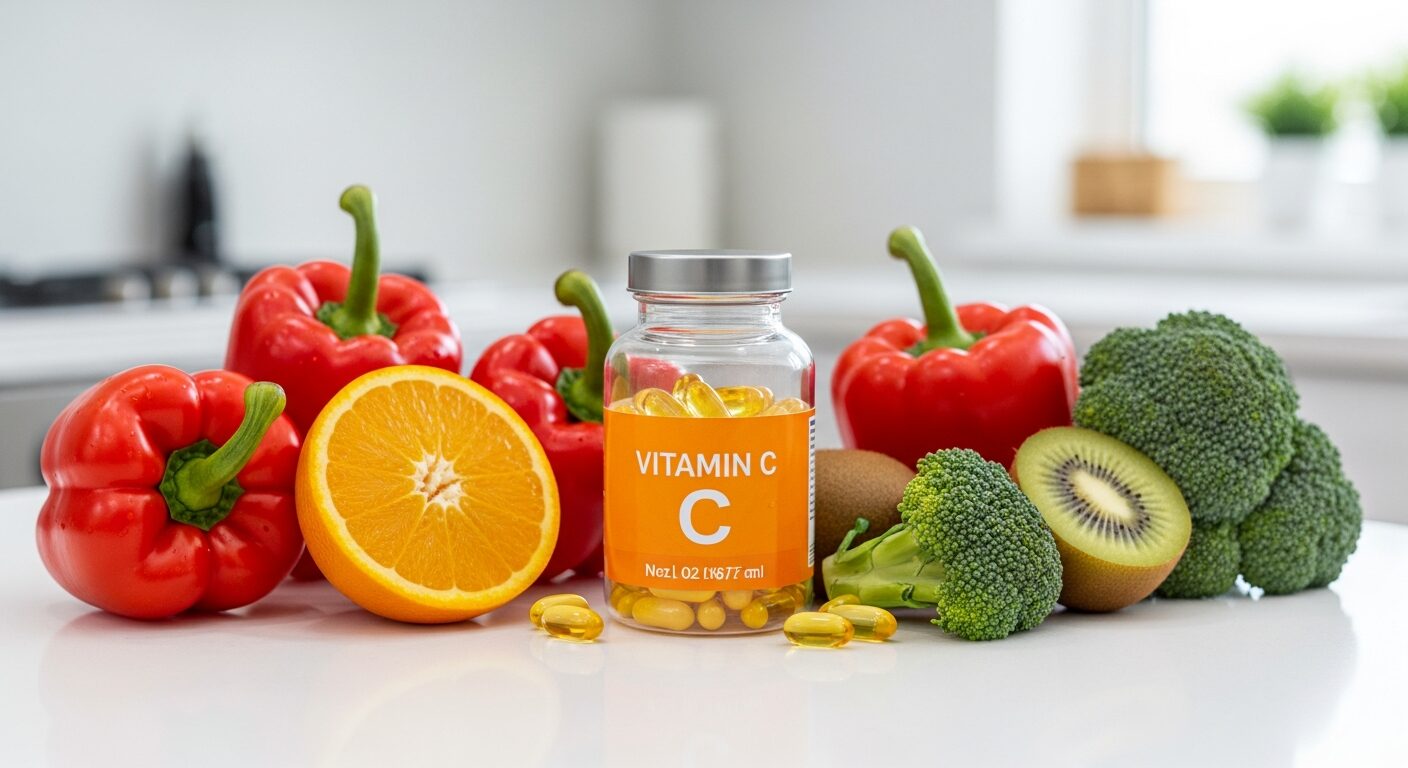
While many people assume they need supplements to meet their vitamin C needs, numerous whole foods provide abundant amounts of this nutrient. A single medium orange contains about 70mg of vitamin C, while one cup of chopped red bell pepper provides over 190mg. Other excellent sources include strawberries, kiwi fruit, broccoli, and Brussels sprouts.
Most individuals following a varied diet rich in fruits and vegetables can easily meet their vitamin C requirements without supplementation.
What Happens to Your Body After 30 Days of Taking Vitamin C
Understanding the timeline of vitamin C’s effects can help set realistic expectations for supplementation benefits.
Week 1: Initial Cellular Changes
During the first week of consistent vitamin C supplementation, your body begins replenishing depleted stores in various tissues. Plasma vitamin C levels typically normalize within 1-3 days in individuals with mild deficiency. You may notice improved energy levels as vitamin C supports adrenal function and helps in the synthesis of carnitine, a compound essential for energy production.
At the cellular level, antioxidant protection increases as vitamin C scavenges free radicals and regenerates other antioxidants like vitamin E. However, most people won’t notice dramatic changes during this initial period.
Week 2: Enhanced Immune Response
By the second week, immune system improvements become more apparent. White blood cell function optimizes as vitamin C accumulates in these immune cells at concentrations 10-100 times higher than in plasma. You may find yourself feeling more resilient against minor stressors and environmental challenges.
Skin health may also begin improving during this period as vitamin C supports collagen synthesis and helps repair oxidative damage. Some individuals report a subtle improvement in skin texture and appearance.
Weeks 3-4: Full Benefits Manifest
After three to four weeks of consistent supplementation, most of vitamin C’s benefits reach their full potential. Studies indicate that tissue saturation occurs within this timeframe, maximizing the vitamin’s protective and therapeutic effects.
Wound healing may improve, and you might notice that minor cuts and scrapes heal more quickly. Iron absorption enhancement becomes more pronounced if you’re consuming vitamin C with iron-rich meals, potentially improving energy levels in individuals with iron deficiency.
Individuals with initially low vitamin C status typically experience the most noticeable improvements, while those with adequate baseline levels may observe more subtle changes.
Who Should NOT Take Vitamin C
While vitamin C is generally safe for most people, certain individuals should exercise caution or avoid supplementation altogether.
Kidney Stone Risk
People with a history of kidney stones, particularly calcium oxalate stones, should be cautious with high-dose vitamin C supplementation. The body can convert vitamin C to oxalate, potentially increasing stone formation risk. Individuals with kidney disease should consult their healthcare provider before supplementing.
Iron Overload Conditions
Those with hereditary hemochromatosis or other iron overload disorders should avoid vitamin C supplements, as the vitamin enhances iron absorption and could worsen iron accumulation. This includes individuals with thalassemia or sideroblastic anemia.
Blood Clotting Medications
High doses of vitamin C may interfere with certain blood-thinning medications, though the evidence is mixed. Patients taking warfarin or other anticoagulants should inform their healthcare provider about vitamin C supplementation and monitor their clotting times more frequently.
Chemotherapy Patients
Cancer patients undergoing chemotherapy should discuss vitamin C supplementation with their oncologist. While some research suggests potential benefits, antioxidants might theoretically interfere with certain chemotherapy drugs that work by creating oxidative stress in cancer cells.
Special Populations
Pregnant and breastfeeding women should stick to recommended dietary allowances unless advised otherwise by their healthcare provider. While vitamin C is essential during pregnancy, excessive amounts aren’t beneficial and could potentially cause complications.
Individuals with glucose-6-phosphate dehydrogenase (G6PD) deficiency should use caution with high-dose vitamin C, as it may trigger hemolytic anemia in severe cases.
Dosage and Best Forms
The recommended dietary allowance (RDA) for vitamin C varies by age and gender. Adult men need 90mg daily, while adult women require 75mg. Smokers should add an additional 35mg due to increased oxidative stress from tobacco use.
For immune support purposes, research suggests that doses between 200-1000mg daily provide optimal benefits without significant side effects. Clinical studies have shown that doses in this range effectively support immune function while maintaining good tolerability.
Timing matters for vitamin C supplementation. Since it’s water-soluble and rapidly excreted, dividing your dose throughout the day maintains more consistent blood levels compared to taking a single large dose.
Regarding forms, standard ascorbic acid remains the most cost-effective and well-researched option. Buffered forms like sodium ascorbate or calcium ascorbate may be gentler for those with sensitive stomachs. Ester-C, while more expensive, may offer slightly better retention in white blood cells.
Taking vitamin C with food reduces the risk of gastrointestinal upset and may slightly improve absorption. Combining it with bioflavonoids from whole food sources may provide additional antioxidant benefits.
🌿 Looking for Vitamin C Supplements?
Browse top-rated Vitamin C supplements, independently tested and recommended by our editorial team.
Affiliate disclosure: We may earn a small commission at no extra cost to you.
Frequently Asked Questions
Can I take vitamin C and zinc together?
Yes, vitamin C and zinc can be taken together and may work synergistically to support immune function. They don’t interfere with each other’s absorption when taken in appropriate doses. Many immune support formulas combine these nutrients effectively.
How long should I take vitamin C supplements?
Vitamin C supplementation can be continued long-term safely within recommended dosage ranges. Since the body doesn’t store vitamin C efficiently, consistent daily intake is more important than cycling on and off the supplement. However, reassess your needs periodically with a healthcare provider.
Does vitamin C lose potency over time?
Vitamin C is sensitive to heat, light, and air, which can cause degradation over time. Store supplements in a cool, dry place and check expiration dates regularly. Liquid forms of vitamin C tend to degrade faster than tablets or capsules.
Can vitamin C cause kidney stones?
While high doses of vitamin C can theoretically increase oxalate production, the risk of kidney stone formation remains low for most healthy individuals taking moderate doses (under 2000mg daily). People with a history of kidney stones should consult their doctor before supplementing.
Is natural vitamin C better than synthetic?
Chemically, natural and synthetic vitamin C are identical molecules. The body cannot distinguish between ascorbic acid derived from acerola cherries and that synthesized in a laboratory. However, whole food sources may provide additional beneficial compounds like bioflavonoids that work alongside vitamin C.
Medical Disclaimer
The information provided in this article is for educational purposes only and should not be considered as medical advice. Always consult with a qualified healthcare professional before starting any new supplement regimen, especially if you have pre-existing health conditions, are taking medications, or are pregnant or breastfeeding. Individual responses to supplements may vary, and what works for one person may not be appropriate for another. The statements in this article have not been evaluated by the Food and Drug Administration, and the products mentioned are not intended to diagnose, treat, cure, or prevent any disease.