
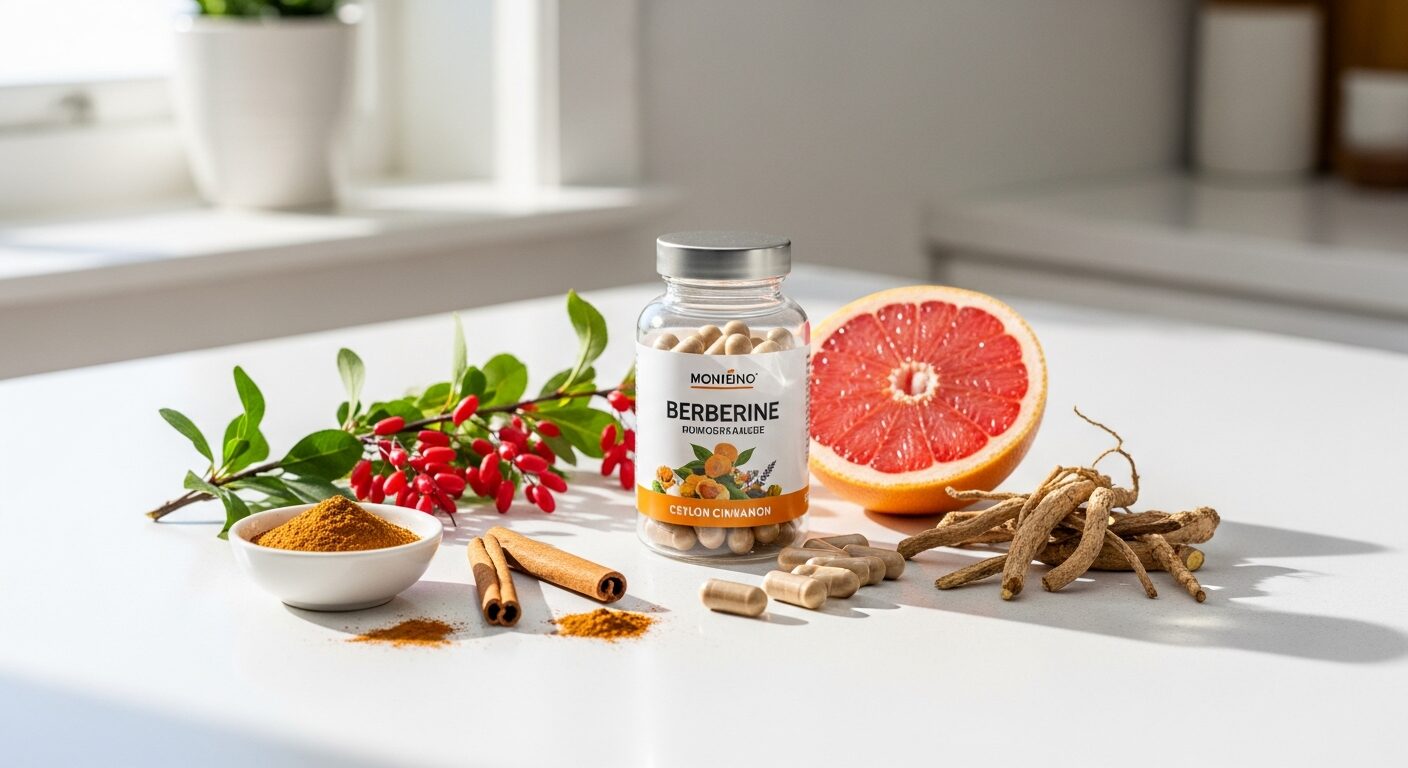
In the world of natural health supplements, few compounds have generated as much scientific interest as berberine. This golden-yellow alkaloid, extracted from various plants including goldenseal and Oregon grape, has emerged as a powerhouse supplement with effects so profound that researchers often compare it to prescription medications. Unlike many trendy supplements that rely on anecdotal evidence, berberine boasts an impressive portfolio of peer-reviewed studies demonstrating its impact on everything from blood sugar control to cardiovascular health.
What makes berberine particularly fascinating is how it works at the cellular level, activating an enzyme called AMPK (adenosine monophosphate-activated protein kinase) that acts as a master metabolic regulator. This mechanism of action sets it apart from other natural supplements and explains why its effects can be so dramatic. However, with great power comes great responsibility, and berberine isn’t suitable for everyone. Understanding who should avoid it, what to expect during the first month of supplementation, and separating fact from fiction about its benefits is crucial for anyone considering adding this potent compound to their health regimen.
🌿 Looking for Berberine supplements? Shop Amazon →
Contents
What is Berberine
Berberine is a bioactive compound classified as an isoquinoline alkaloid, naturally found in several plant species including Berberis vulgaris (barberry), Coptis chinensis (Chinese goldthread), and Hydrastis canadensis (goldenseal). For over 3,000 years, traditional Chinese and Ayurvedic medicine systems have utilized berberine-containing plants to treat various ailments, particularly digestive issues and infections.
From a biochemical perspective, berberine’s distinctive yellow color comes from its unique molecular structure, which allows it to easily cross cell membranes and interact with various cellular targets. Once inside cells, berberine primarily works by activating AMPK, often called the body’s “metabolic master switch.” This enzyme plays a crucial role in regulating energy metabolism, glucose uptake, and fatty acid oxidation.
Modern extraction and purification techniques have made it possible to isolate berberine in highly concentrated forms, typically as berberine hydrochloride or berberine sulfate. These standardized extracts contain 97-98% pure berberine, allowing for precise dosing and consistent therapeutic effects. The supplement industry has embraced berberine not only for its potency but also for its excellent safety profile when used appropriately.
Key Benefits of Berberine
Scientific research has identified several well-documented benefits of berberine supplementation, with blood sugar regulation being the most extensively studied. Clinical trials have consistently shown that berberine can lower fasting blood glucose levels by 15-25% and reduce HbA1c (a marker of long-term blood sugar control) by 0.5-2.0%. This effect occurs through multiple mechanisms: berberine increases insulin sensitivity, reduces glucose production in the liver, and enhances glucose uptake by muscle cells.
Cardiovascular health represents another major area where berberine demonstrates significant benefits. Studies indicate that berberine can reduce total cholesterol by 12-29%, lower LDL (bad) cholesterol by 9-28%, and decrease triglycerides by 23-35%. Additionally, berberine appears to have modest blood pressure-lowering effects, typically reducing systolic pressure by 7-12 mmHg in individuals with elevated levels.
Weight management and metabolic health also benefit from berberine supplementation. Research shows that individuals taking berberine typically lose 3-5 pounds over 12 weeks, with notable reductions in waist circumference and body mass index. The weight loss appears to result from improved insulin sensitivity, increased fat oxidation, and enhanced metabolic rate rather than appetite suppression.
Emerging research suggests additional benefits for gut health, with berberine demonstrating antimicrobial properties against harmful bacteria while promoting beneficial microorganisms. Some studies also indicate potential benefits for liver health, inflammation reduction, and even cognitive function, though these areas require further investigation.
What Most People Get Wrong About Berberine
Despite its growing popularity, several persistent myths and misconceptions surround berberine supplementation. Understanding these misconceptions is crucial for setting realistic expectations and using berberine safely and effectively.
Myth 1: Berberine is a “natural metformin” with identical effects. While berberine and metformin both activate AMPK and can lower blood sugar, they work through different pathways and have distinct pharmacological profiles. Yin et al., 2008 demonstrated that while both compounds improve glucose metabolism, berberine has additional effects on lipid metabolism and gut microbiota that metformin lacks. More importantly, berberine cannot and should not replace prescribed diabetes medications without medical supervision.
Myth 2: Higher doses always produce better results. Many people assume that if 500mg of berberine is good, 1500mg must be better. However, research indicates that berberine follows a dose-response curve with an optimal therapeutic window. Doses above 1500mg daily don’t significantly improve benefits but substantially increase the risk of gastrointestinal side effects. The body’s absorption capacity for berberine is limited, meaning excess amounts are simply eliminated without additional benefit.
Myth 3: Berberine works immediately like a pharmaceutical drug. Unlike prescription medications that often show effects within hours, berberine’s benefits develop gradually over weeks to months. This slower onset leads many people to discontinue supplementation prematurely, thinking it’s ineffective. The cellular changes triggered by AMPK activation require time to translate into measurable improvements in blood markers and physical symptoms.
Myth 4: All berberine supplements are essentially the same. Significant differences exist between berberine products in terms of bioavailability, purity, and absorption rates. Standard berberine has relatively poor bioavailability, with only 0.36-5% reaching systemic circulation. Some manufacturers have developed enhanced formulations using phospholipid complexes or sustained-release technologies that can improve absorption by 5-10 fold, making supplement selection crucial for optimal results.
What Happens to Your Body After 30 Days of Taking Berberine
Understanding the timeline of berberine’s effects helps set appropriate expectations and encourages consistent supplementation during the initial period when benefits aren’t yet apparent.
Week 1: Cellular Activation During the first week, berberine begins accumulating in tissues and activating AMPK pathways. Most users don’t notice significant changes, though some may experience mild gastrointestinal effects as their digestive system adjusts. At the cellular level, important changes are already occurring: improved insulin signaling, increased glucose uptake by muscles, and enhanced fatty acid oxidation. Some individuals report subtle improvements in energy levels or reduced post-meal blood sugar spikes, though these changes are often too mild to notice without glucose monitoring.
Week 2: Early Metabolic Shifts By the second week, the metabolic effects of berberine become more apparent. Users often report improved energy stability throughout the day, with fewer energy crashes after meals. Those monitoring blood glucose may see 10-15% reductions in fasting levels and improved post-meal readings. Weight may begin to decrease slightly, typically 1-2 pounds, though this often represents early fluid loss rather than fat reduction. Some users notice improved regularity in bowel movements as berberine’s effects on gut bacteria become established.
Week 3-4: Established Benefits The final two weeks of the first month typically bring the most noticeable improvements. Zhang et al., 2010 showed that significant improvements in glucose tolerance and lipid profiles become apparent around this timeframe. Fasting blood glucose levels often drop by 15-25%, and users frequently report feeling more energetic and experiencing fewer cravings for sugary foods. Weight loss becomes more consistent, averaging 2-4 pounds by month’s end. Sleep quality may improve, and some individuals notice enhanced mental clarity and focus.
Laboratory markers show the most dramatic changes during this period, with improvements in cholesterol levels, triglycerides, and inflammatory markers becoming measurable. However, it’s important to note that the full benefits of berberine continue developing beyond the first month, with maximum effects typically reached after 8-12 weeks of consistent supplementation.
Who Should NOT Take Berberine
While berberine has an excellent safety profile for most people, several groups should avoid or approach its use with extreme caution. Understanding these contraindications is essential for safe supplementation.
Individuals Taking Diabetes Medications: Berberine can significantly enhance the blood sugar-lowering effects of diabetes medications, potentially causing dangerous hypoglycemia. This interaction is particularly concerning with insulin, sulfonylureas (glipizide, glyburide), and other glucose-lowering drugs. Anyone taking diabetes medications must consult their healthcare provider before adding berberine and may require medication dose adjustments and increased blood glucose monitoring.
Pregnant and Breastfeeding Women: Berberine crosses the placental barrier and can cause uterine contractions, potentially leading to premature labor or miscarriage. It can also cause kernicterus (a type of brain damage) in newborns by displacing bilirubin from protein binding sites. No studies have established the safety of berberine during pregnancy or lactation, making it inadvisable for these populations.
Individuals with Cardiovascular Conditions: People taking blood pressure medications or those with heart rhythm disorders should exercise caution with berberine. The supplement can enhance the effects of antihypertensive drugs, potentially causing excessive blood pressure drops. Additionally, berberine may interact with certain heart medications and could affect cardiac rhythm in sensitive individuals.
Those with Liver or Kidney Disease: Since berberine is metabolized by the liver and eliminated through the kidneys, individuals with compromised liver or kidney function may accumulate higher levels of the compound, increasing the risk of side effects. These populations require medical supervision and potentially reduced doses.
People Taking Multiple Medications: Berberine can affect the activity of several cytochrome P450 enzymes responsible for drug metabolism, potentially altering the effectiveness or toxicity of other medications. This is particularly concerning for drugs with narrow therapeutic windows, such as warfarin, digoxin, or immunosuppressive agents.
Dosage and Best Forms
Optimal berberine dosing requires careful consideration of individual factors, supplement form, and therapeutic goals. The most extensively studied and effective dose range is 900-1500mg daily, typically divided into two or three doses taken with meals. This dosing schedule helps minimize gastrointestinal side effects while maximizing absorption and maintaining steady blood levels throughout the day.
Standard berberine hydrochloride, the most common form, should be taken as 500mg three times daily with meals. Taking berberine with food significantly improves tolerability and may enhance absorption. Starting with a lower dose (300-500mg daily) for the first week allows the digestive system to adapt and reduces the likelihood of stomach upset or diarrhea.
Several enhanced formulations offer improved bioavailability compared to standard berberine. Phytosome berberine, which combines berberine with phospholipids, can increase absorption by 5-10 fold, allowing for lower doses (300-500mg daily) while maintaining effectiveness. Derosa et al., 2017 demonstrated that enhanced bioavailability formulations provide superior glucose control compared to standard berberine at equivalent doses.
Sustained-release berberine formulations help maintain steady blood levels and often reduce gastrointestinal side effects. These products typically require twice-daily dosing (500mg with breakfast and dinner) rather than three times daily.
Quality considerations are paramount when selecting berberine supplements. Look for products that specify “berberine hydrochloride” or “berberine HCl” with at least 97% purity. Third-party testing for heavy metals, pesticides, and potency ensures product quality and safety. Avoid products that don’t specify the exact form of berberine or fail to provide detailed potency information.
🌿 Looking for Berberine Supplements?
Browse top-rated Berberine supplements, independently tested and recommended by our editorial team.
Affiliate disclosure: We may earn a small commission at no extra cost to you.
Frequently Asked Questions
Can I take berberine with other supplements?
Berberine generally combines well with other supplements, though some interactions deserve attention. It pairs particularly well with chromium, alpha-lipoic acid, and cinnamon extract for enhanced glucose control. However, avoid combining berberine with other potent glucose-lowering supplements without medical supervision, as this may cause excessive blood sugar reduction. Berberine may reduce the absorption of some nutrients, so consider taking a high-quality multivitamin at a different time of day.
How long should I take berberine?
Berberine appears safe for long-term use in healthy individuals, with studies documenting safe use for up to two years. However, it’s wise to take periodic breaks (2-4 weeks every 3-6 months) to prevent potential tolerance development and give your system a reset. Long-term users should have regular blood work to monitor glucose, lipid levels, and liver function. Always consult with a healthcare provider for guidance on duration, especially if you have underlying health conditions.
What are the most common side effects?
Gastrointestinal effects are the most common side effects, occurring in 10-15% of users. These include stomach upset, diarrhea, constipation, and abdominal cramping. Most digestive issues resolve within 1-2 weeks as the body adapts. Starting with lower doses and taking berberine with meals significantly reduces these effects. Rarely, some individuals may experience headaches, dizziness, or skin rash, which typically indicate the need to discontinue use.
Does berberine interact with birth control pills?
While no direct studies have examined berberine’s interaction with hormonal contraceptives, berberine can affect liver enzymes responsible for hormone metabolism. This theoretical interaction could potentially reduce the effectiveness of birth control pills. Women using hormonal contraceptives should discuss berberine supplementation with their healthcare provider and consider additional contraceptive methods during the initial months of use.
Can berberine help with PCOS?
Research suggests berberine can be beneficial for polycystic ovary syndrome (PCOS) by improving insulin sensitivity, reducing testosterone levels, and supporting healthy ovulation. Studies show berberine may be as effective as metformin for managing PCOS symptoms, with additional benefits for weight management and lipid profiles. However, women with PCOS should work with their healthcare provider to integrate berberine into their treatment plan, as it may affect hormone levels and interact with other PCOS medications.
Medical Disclaimer
This article is for informational and educational purposes only and does not constitute medical advice. The information provided should not be used for diagnosing or treating any health condition or disease. Berberine can interact with medications and may not be appropriate for everyone. Always consult with a qualified healthcare professional before starting any new supplement regimen, especially if you have existing health conditions, are taking medications, or are pregnant or breastfeeding. Individual results may vary, and what works for one person may not work for another. If you experience any adverse effects while taking berberine, discontinue use and consult your healthcare provider immediately.