
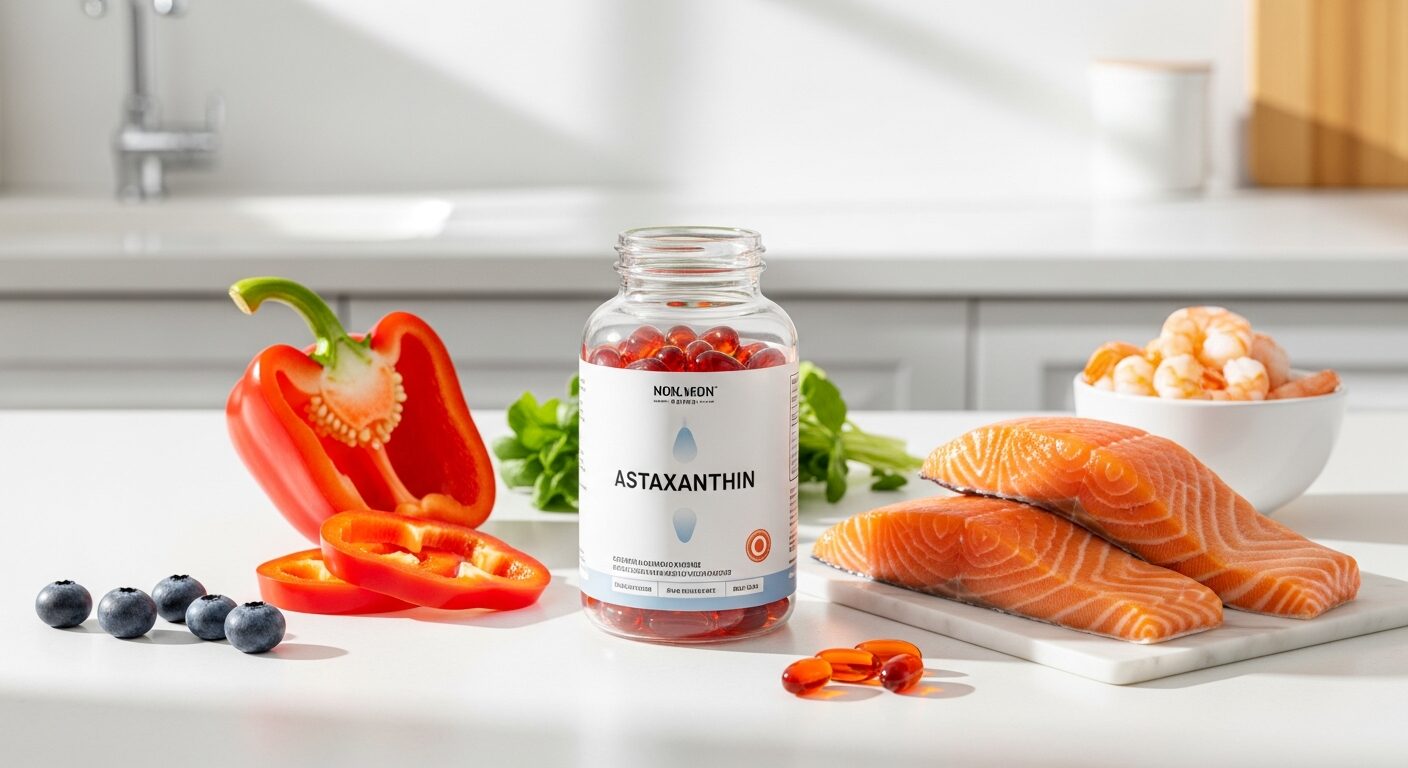
In the world of antioxidants, one powerful compound has been quietly making waves among researchers and health enthusiasts alike. Astaxanthin, often called “the king of carotenoids,” is a naturally occurring pigment that gives salmon, shrimp, and flamingos their distinctive pink-red color. But this vibrant compound offers far more than just aesthetic appeal—it’s emerging as one of nature’s most potent antioxidants, with research suggesting it may be up to 6000 times more powerful than vitamin C.
Despite its impressive potential, astaxanthin remains relatively unknown to the general public. This comprehensive guide will explore everything you need to know about this remarkable compound, from its science-backed benefits to common misconceptions that might be preventing you from experiencing its full potential. Whether you’re seeking to enhance your athletic performance, protect your skin from aging, or support your overall health, understanding astaxanthin could be the key to unlocking significant improvements in your well-being.
🌿 Looking for Astaxanthin supplements? Shop Amazon →
Contents
- 1 What is Astaxanthin
- 2 Key Benefits of Astaxanthin
- 3 What Most People Get Wrong About Astaxanthin
- 4 What Happens to Your Body After 30 Days of Taking Astaxanthin
- 5 Who Should NOT Take Astaxanthin
- 6 Dosage and Best Forms
- 7 Frequently Asked Questions
- 7.1 Can astaxanthin replace other antioxidants in my supplement regimen?
- 7.2 How long can I safely take astaxanthin supplements?
- 7.3 Will astaxanthin interact with my other supplements or medications?
- 7.4 Can I get enough astaxanthin from food alone?
- 7.5 What should I do if I don’t notice any effects after a month of supplementation?
- 8 Medical Disclaimer
What is Astaxanthin
Astaxanthin is a naturally occurring carotenoid—a class of pigments that give many plants, algae, and animals their vibrant colors. Unlike other carotenoids such as beta-carotene or lycopene, astaxanthin has a unique molecular structure that makes it exceptionally powerful as an antioxidant. Its chemical composition includes two additional hydroxyl groups and ketone functions, which allow it to neutralize free radicals more effectively than most other antioxidants.
This compound is primarily produced by microalgae, particularly Haematococcus pluvialis, as a protective mechanism against environmental stress, UV radiation, and nutrient depletion. When these algae are consumed by marine animals like salmon, krill, and shrimp, astaxanthin accumulates in their tissues, giving them their characteristic coloration. Interestingly, wild salmon can contain 26-38 mg of astaxanthin per kilogram of flesh, while farmed salmon typically contains much less due to their different diet.
What sets astaxanthin apart from other antioxidants is its unique ability to span the entire cell membrane, protecting both the water-soluble and fat-soluble parts of cells. This positioning allows it to provide comprehensive cellular protection that few other compounds can match. Additionally, unlike some antioxidants that can become pro-oxidants under certain conditions, astaxanthin maintains its protective properties without causing oxidative damage.
Key Benefits of Astaxanthin
Scientific research has revealed numerous potential benefits of astaxanthin supplementation, making it an increasingly popular choice among health-conscious individuals. One of the most well-documented benefits is its powerful anti-inflammatory properties. Chronic inflammation has been linked to numerous health conditions, and astaxanthin’s ability to reduce inflammatory markers may help support overall health and longevity.
Cardiovascular health is another area where astaxanthin shows significant promise. Studies suggest that regular supplementation may help improve blood flow, reduce oxidative stress in blood vessels, and support healthy cholesterol levels. The compound appears to enhance the function of the endothelium—the inner lining of blood vessels—which is crucial for cardiovascular health.
For those concerned about skin health and aging, astaxanthin offers impressive benefits. Research indicates that it can help protect skin from UV damage, reduce the appearance of fine lines and wrinkles, and improve skin moisture and elasticity. Unlike topical skincare products that only affect the surface, astaxanthin works from within to provide comprehensive skin protection.
Athletic performance and recovery represent another significant area of benefit. Astaxanthin may help reduce exercise-induced oxidative stress, improve endurance, and accelerate recovery times. Some studies suggest that athletes taking astaxanthin supplements experience less muscle fatigue and soreness after intense training sessions.
Eye health is also supported by astaxanthin supplementation. The compound can cross the blood-retinal barrier and accumulate in the eye tissues, where it may help protect against age-related macular degeneration, reduce eye strain from digital screens, and support overall visual function.
Recommended by our team
Top-rated Astaxanthin supplements on Amazon
Affiliate disclosure: small commission at no extra cost to you
What Most People Get Wrong About Astaxanthin
Despite growing interest in astaxanthin, several misconceptions persist that can limit its effectiveness or create unrealistic expectations. Understanding these myths is crucial for anyone considering astaxanthin supplementation.
Myth 1: All Astaxanthin Sources Are Equal
Many people assume that synthetic astaxanthin is identical to natural astaxanthin, but this couldn’t be further from the truth. Natural astaxanthin, derived from Haematococcus pluvialis algae, exists primarily in the ester form and is accompanied by other beneficial compounds like lutein, beta-carotene, and canthaxanthin. Synthetic astaxanthin, commonly used in aquaculture, has a different molecular structure and lacks these supporting compounds. Research consistently shows that natural astaxanthin is more bioavailable and effective than its synthetic counterpart.
Myth 2: Higher Doses Always Mean Better Results
Another common misconception is that taking massive doses of astaxanthin will accelerate benefits. However, research suggests that astaxanthin follows a bell-curve response, where moderate doses (typically 4-12mg daily) often produce optimal results. Studies have shown that the body has natural saturation limits, and excessive doses may not provide additional benefits while potentially causing unnecessary expense.
Myth 3: Astaxanthin Works Immediately
Many supplement users expect instant results, but astaxanthin works differently. Unlike stimulants or quick-acting compounds, astaxanthin needs time to accumulate in tissues and exert its protective effects. Most research indicates that significant benefits become apparent after 2-4 weeks of consistent supplementation, with peak effects often occurring after 8-12 weeks.
Myth 4: Taking Astaxanthin on an Empty Stomach is Best
Contrary to some supplement advice, astaxanthin is a fat-soluble compound that requires dietary fats for optimal absorption. Taking it on an empty stomach can significantly reduce bioavailability. For maximum effectiveness, astaxanthin should be consumed with a meal containing healthy fats or taken with a high-quality fish oil supplement.
What Happens to Your Body After 30 Days of Taking Astaxanthin
Understanding the timeline of astaxanthin’s effects can help set realistic expectations and ensure you don’t discontinue supplementation prematurely. The compound’s benefits typically unfold in distinct phases based on how it accumulates in different body tissues.
Week 1: Initial Cellular Protection
During the first week of supplementation, astaxanthin begins to accumulate in your bloodstream and starts providing initial antioxidant protection. While you likely won’t notice dramatic changes, your cells are beginning to experience reduced oxidative stress. Some individuals report subtle improvements in energy levels or sleep quality, though these effects can vary significantly between people. The compound starts incorporating into cell membranes, beginning its protective work at the cellular level.
Week 2: Noticeable Physical Changes
By the second week, many users begin to notice more tangible benefits. Skin may start to appear more radiant, and some people report reduced muscle soreness after exercise. Research indicates that astaxanthin levels in plasma reach significant concentrations around this time, allowing for more pronounced antioxidant effects. Eye strain from computer work may begin to diminish, and some individuals notice improved visual comfort during prolonged screen time.
Weeks 3-4: Full Therapeutic Benefits
The final weeks of the first month typically bring the most noticeable improvements. Skin elasticity and moisture levels often show measurable improvements, with some studies documenting reduced fine lines and wrinkles. Athletic performance benefits become more apparent, with many users reporting improved endurance and faster recovery times. Cardiovascular benefits, such as improved circulation and reduced blood pressure in some individuals, may become evident. The compound has now had sufficient time to accumulate in various tissues, including the eyes, skin, and muscles, providing comprehensive protection.
It’s important to note that individual responses can vary significantly based on factors like age, overall health status, diet quality, exercise habits, and the specific astaxanthin formulation used. Some people may notice benefits earlier, while others might require 6-8 weeks to experience the full effects.
Who Should NOT Take Astaxanthin
While astaxanthin is generally considered safe for most people, certain individuals should exercise caution or avoid supplementation altogether. Understanding these contraindications is essential for safe and effective use.
Pregnant and breastfeeding women should consult with their healthcare provider before taking astaxanthin supplements. While no specific adverse effects have been documented, there is insufficient research on astaxanthin’s safety during pregnancy and lactation to make definitive recommendations.
Individuals with hormone-sensitive conditions, particularly those affecting estrogen levels, should be cautious. Some preliminary research suggests that astaxanthin might have mild effects on hormone levels, though more research is needed to establish definitive interactions.
People taking blood-thinning medications such as warfarin, aspirin, or clopidogrel should consult their physician before supplementing with astaxanthin. The compound’s anti-inflammatory properties might theoretically enhance the effects of anticoagulant medications, potentially increasing bleeding risk.
Those with autoimmune conditions should discuss astaxanthin supplementation with their healthcare provider. While the compound’s immune-modulating effects are generally considered beneficial, individuals with conditions like multiple sclerosis, rheumatoid arthritis, or lupus should ensure that supplementation won’t interfere with their treatment protocols.
People scheduled for surgery should discontinue astaxanthin at least two weeks before the procedure due to its potential effects on blood clotting. Additionally, individuals with known allergies to algae, seafood, or other carotenoids should avoid astaxanthin or start with very small doses under medical supervision.
Dosage and Best Forms
Determining the optimal astaxanthin dosage depends on your specific health goals, age, and overall health status. Most clinical studies have used doses ranging from 2mg to 12mg daily, with 4-8mg being the most common effective range for general health benefits.
For skin health and anti-aging benefits, studies typically use 4-6mg daily. Athletic performance and recovery benefits often require slightly higher doses, with research supporting 6-12mg daily for active individuals. Eye health benefits have been demonstrated with doses as low as 2-4mg daily, while cardiovascular benefits typically require 6-18mg daily.
When selecting an astaxanthin supplement, prioritize natural astaxanthin derived from Haematococcus pluvialis over synthetic versions. Look for products that include phospholipids or are formulated with oils to enhance absorption, as astaxanthin’s fat-soluble nature requires lipids for optimal bioavailability.
Soft gel capsules are generally preferred over tablets or powders because they typically contain oil-based formulations that improve absorption. Some manufacturers offer astaxanthin combined with other complementary antioxidants like vitamin E or omega-3 fatty acids, which can enhance its stability and effectiveness.
Timing of supplementation can impact effectiveness. Taking astaxanthin with your largest meal of the day, preferably one containing healthy fats, will maximize absorption. Consistency is crucial—daily supplementation produces better results than sporadic use.
🌿 Looking for Astaxanthin Supplements?
Browse top-rated Astaxanthin supplements, independently tested and recommended by our editorial team.
Affiliate disclosure: We may earn a small commission at no extra cost to you.
Frequently Asked Questions
Can astaxanthin replace other antioxidants in my supplement regimen?
While astaxanthin is exceptionally powerful, it works best as part of a comprehensive antioxidant network rather than a replacement for other antioxidants. Different antioxidants work in various parts of the cell and have unique mechanisms of action. Astaxanthin pairs particularly well with vitamin E, vitamin C, and omega-3 fatty acids, as they can help regenerate and enhance each other’s effectiveness.
How long can I safely take astaxanthin supplements?
Long-term astaxanthin supplementation appears to be safe for most people, with studies lasting up to several years showing no significant adverse effects. The compound is naturally consumed through seafood in many diets, and populations with high seafood consumption have safely consumed astaxanthin for generations. However, it’s always wise to periodic breaks or consult with a healthcare provider for personalized guidance on long-term supplementation.
Will astaxanthin interact with my other supplements or medications?
Astaxanthin has relatively few known interactions, but it can potentially enhance the effects of blood-thinning medications due to its anti-inflammatory properties. It generally works synergistically with other antioxidants and doesn’t compete with them for absorption. However, if you’re taking multiple supplements or medications, it’s best to consult with a healthcare provider to ensure there are no potential interactions specific to your situation.
Can I get enough astaxanthin from food alone?
While wild-caught salmon, shrimp, and other seafood contain astaxanthin, achieving therapeutic doses through food alone can be challenging and expensive. You would need to consume approximately 150-300g of wild salmon daily to match a 4-6mg supplement dose. For most people, supplementation is the most practical way to achieve consistent, therapeutic levels of astaxanthin.
What should I do if I don’t notice any effects after a month of supplementation?
If you don’t notice benefits after 30 days, consider several factors: ensure you’re taking the supplement with fats for proper absorption, verify that you’re using natural rather than synthetic astaxanthin, and consider whether your dosage is appropriate for your goals. Some people may need 6-8 weeks to notice significant effects, particularly for skin and eye health benefits. If you still don’t notice improvements after two months, consult with a healthcare provider to determine if astaxanthin is right for you.
Medical Disclaimer
The information provided in this article is for educational purposes only and should not be considered medical advice. Astaxanthin supplements are not intended to diagnose, treat, cure, or prevent any disease. Individual results may vary, and the effects described may not apply to all users. Before starting any new supplement regimen, especially if you have existing health conditions, take medications, or are pregnant or nursing, consult with a qualified healthcare professional. This article does not replace professional medical consultation, diagnosis, or treatment. Always seek the advice of your physician or other qualified health provider with any questions you may have regarding a medical condition or supplement use.