
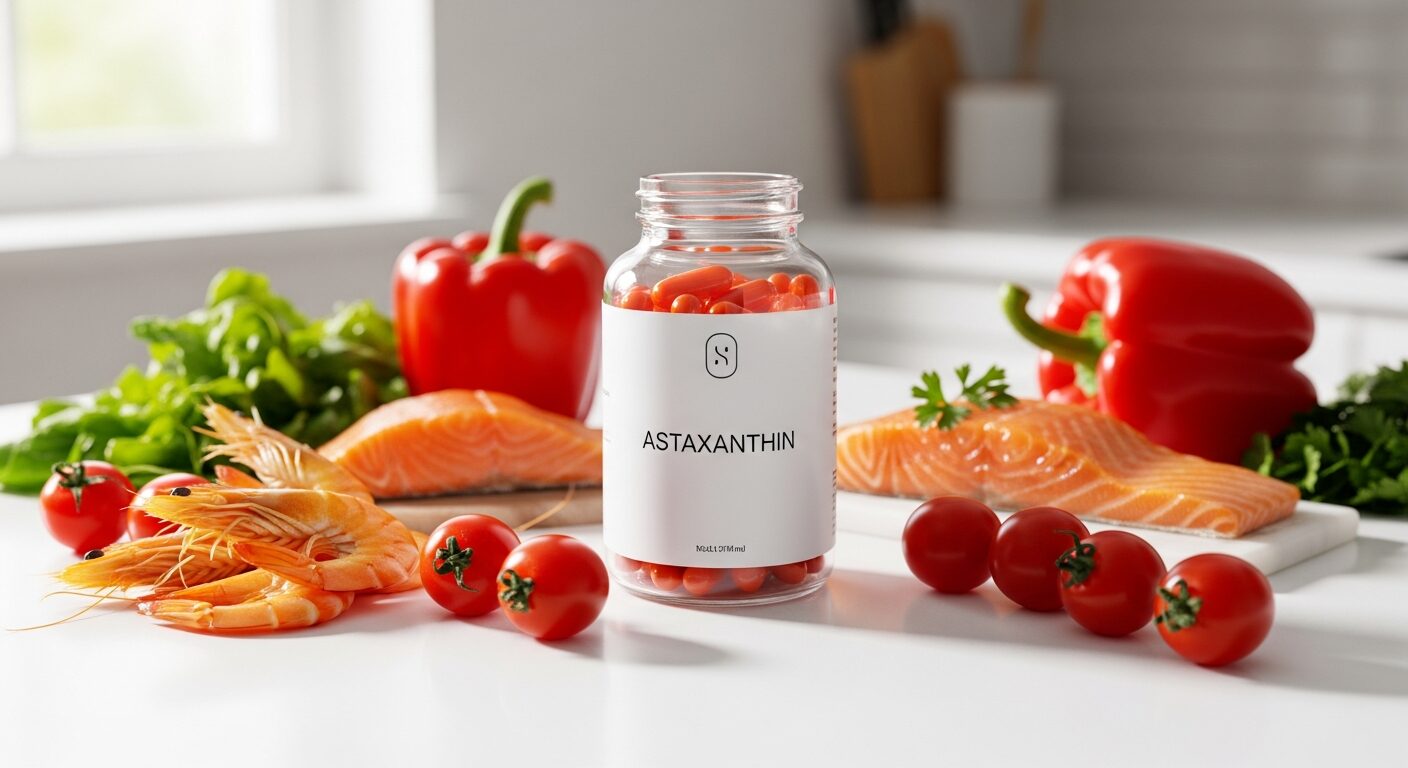
In the world of antioxidants, we’ve long heard about the power of vitamin C, vitamin E, and beta-carotene. But there’s a lesser-known compound that’s quietly revolutionizing our understanding of cellular protection: astaxanthin. This vibrant red pigment, responsible for the pink hue in salmon and flamingos, is making waves in the scientific community for its extraordinary antioxidant capabilities.
What makes astaxanthin so special? Research suggests it may be up to 6,000 times more powerful than vitamin C and 800 times stronger than CoQ10 in neutralizing free radicals. Unlike many antioxidants that work in either water or fat-soluble environments, astaxanthin uniquely spans cell membranes, providing comprehensive protection from the inside out.
But beyond the impressive numbers lies a compound with real-world applications for human health. From protecting your skin against UV damage to supporting cardiovascular health and potentially slowing the aging process, astaxanthin is earning its reputation as nature’s most potent antioxidant. Let’s dive into the science behind this remarkable compound and discover why it might be the missing piece in your wellness routine.
🌿 Looking for Astaxanthin supplements? Shop Amazon →
Contents
What is Astaxanthin
Astaxanthin is a naturally occurring carotenoid, a class of pigments responsible for the red, orange, and yellow colors found in many plants and animals. Structurally, it belongs to a subgroup called xanthophylls, which are oxygenated carotenoids that possess unique antioxidant properties.
In nature, astaxanthin is primarily produced by microalgae, particularly Haematococcus pluvialis, as a protective mechanism against environmental stress, UV radiation, and nutrient deficiency. This microorganism creates astaxanthin as a survival strategy, essentially putting itself into a protective cyst-like state surrounded by this powerful antioxidant.
The compound then travels up the food chain, accumulating in marine animals that consume these algae. This is why salmon, krill, shrimp, crab, and lobster all display that characteristic reddish-pink coloration. Interestingly, flamingos get their pink feathers from consuming astaxanthin-rich crustaceans and algae.
What sets astaxanthin apart from other carotenoids is its unique molecular structure. It contains both hydroxyl and ketone functional groups, which allow it to span the entire width of cell membranes. This positioning enables it to provide antioxidant protection to both the water-soluble interior of cells and the fat-soluble membrane structures simultaneously—a capability that most other antioxidants lack.
Key Benefits of Astaxanthin
The scientific literature on astaxanthin reveals an impressive array of health benefits, backed by both laboratory studies and clinical trials. Here are the most well-documented advantages of this powerful antioxidant:
Skin Health and UV Protection: Astaxanthin acts as an internal sunscreen, helping protect skin cells from UV-induced damage. Studies show it can improve skin elasticity, reduce fine lines, and enhance moisture levels. The compound helps prevent the breakdown of collagen and elastin, two proteins essential for youthful-looking skin.
Eye Health: The eyes are particularly vulnerable to oxidative stress due to constant light exposure. Astaxanthin crosses the blood-retinal barrier and accumulates in the eye tissues, where it helps protect against age-related macular degeneration, reduces eye fatigue, and may improve visual acuity. Effects of astaxanthin on accommodation, critical flicker fusion, and pattern visual evoked potential in visual display terminal workers, 2012
Cardiovascular Support: Research indicates astaxanthin may help reduce LDL cholesterol oxidation, lower blood pressure, and improve overall heart health. It supports healthy circulation and may reduce inflammatory markers associated with cardiovascular disease.
Exercise Performance and Recovery: Athletes and fitness enthusiasts may benefit from astaxanthin’s ability to reduce exercise-induced oxidative stress, decrease muscle damage, and improve endurance. Some studies suggest it can enhance fat burning during exercise while preserving muscle glycogen stores.
Brain Health: Astaxanthin can cross the blood-brain barrier, potentially offering neuroprotective benefits. Early research suggests it may support cognitive function, memory, and could play a role in protecting against neurodegenerative diseases.
Immune System Support: The compound appears to enhance immune function by protecting immune cells from oxidative damage and supporting the production of antibodies and other immune factors.
Recommended by our team
Top-rated Astaxanthin supplements on Amazon
Affiliate disclosure: small commission at no extra cost to you
What Most People Get Wrong About Astaxanthin
Despite growing interest in astaxanthin, several misconceptions persist that can lead to unrealistic expectations or improper use. Let’s address the most common myths:
Myth 1: “All astaxanthin supplements are the same”
This couldn’t be further from the truth. The source and form of astaxanthin dramatically affect its bioavailability and potency. Natural astaxanthin from Haematococcus pluvialis exists primarily in the esterified form, which is more stable and bioavailable than synthetic versions. Synthetic astaxanthin, often used in fish farming, has a different stereochemical structure and may not provide the same benefits as the natural form. Additionally, astaxanthin is fat-soluble, so supplements formulated with oils or taken with fat-containing meals are absorbed much better than dry powder forms.
Myth 2: “You can get enough astaxanthin from eating salmon”
While wild salmon is indeed a good source of astaxanthin, you’d need to consume unrealistic amounts to match supplement doses used in research studies. Wild salmon contains approximately 4-5mg of astaxanthin per 100g serving, but therapeutic doses in studies often range from 4-12mg daily. This would require eating 100-300g of wild salmon every day, which is neither practical nor economical for most people. Farm-raised salmon contains significantly less natural astaxanthin, as it’s often supplemented with synthetic versions for color enhancement.
Myth 3: “More is always better with antioxidants”
There’s a widespread belief that if some antioxidants are good, massive doses must be better. However, astaxanthin research shows a dose-response relationship with diminishing returns. Dose-response study of astaxanthin on oxidative stress and inflammation, 2008 Most studies showing significant benefits use doses between 4-12mg daily. Megadoses don’t necessarily provide proportionally greater benefits and may even interfere with the body’s natural antioxidant systems. The key is consistency over intensity.
Myth 4: “Astaxanthin works immediately like a drug”
Many people expect to feel dramatic changes within days of starting astaxanthin, similar to how pharmaceutical drugs work. In reality, astaxanthin builds up gradually in tissues over weeks to months. Its benefits are cumulative and often subtle, working at the cellular level to prevent damage rather than providing immediate symptomatic relief. The most dramatic results typically appear in studies lasting 8-12 weeks or longer.
What Happens to Your Body After 30 Days of Taking Astaxanthin
Understanding the timeline of astaxanthin’s effects can help set realistic expectations and encourage consistency. Here’s what research tells us about the progression of benefits:
Week 1: Foundation Building
During the first week, astaxanthin begins accumulating in your bloodstream and tissues. Most people won’t notice dramatic changes yet, but cellular protection is already beginning. Some individuals with high oxidative stress may experience subtle improvements in energy levels or reduced muscle soreness after exercise. The compound starts integrating into cell membranes, particularly in areas with high metabolic activity like the brain, heart, and muscles.
Week 2: Early Adaptations
By the second week, tissue concentrations are becoming more significant. Some people begin noticing improvements in exercise recovery, with less post-workout fatigue and faster bounce-back between training sessions. Skin may start showing subtle improvements in texture or reduced sensitivity to sun exposure. Sleep quality sometimes improves as oxidative stress decreases. Eye strain from computer work may begin to diminish, though this varies significantly between individuals.
Week 3-4: Noticeable Benefits Emerge
This is typically when the most apparent changes become evident. Cosmetic benefits of astaxanthin on human subjects, 2009 Skin improvements become more pronounced, with enhanced elasticity, moisture retention, and a subtle improvement in skin tone. Exercise performance may noticeably improve, with better endurance and reduced perceived exertion during workouts. Cognitive benefits like improved focus and reduced mental fatigue may become apparent, especially during demanding mental tasks.
Beyond 30 Days: Long-term Adaptations
While significant benefits emerge within a month, astaxanthin’s most profound effects often require 2-3 months of consistent use. This extended timeline allows for complete tissue saturation and maximum antioxidant protection. Long-term users often report sustained energy levels, improved stress tolerance, and cumulative skin health benefits that become more apparent over time.
Who Should NOT Take Astaxanthin
While astaxanthin is generally well-tolerated, certain individuals should exercise caution or avoid supplementation entirely:
Pregnant and Breastfeeding Women: Limited safety data exists for astaxanthin use during pregnancy and lactation. While no adverse effects have been reported, the lack of comprehensive studies means pregnant and nursing mothers should avoid supplementation unless specifically recommended by their healthcare provider.
Individuals with Autoimmune Conditions: Since astaxanthin can modulate immune function, people with autoimmune diseases like rheumatoid arthritis, lupus, or multiple sclerosis should consult their doctor before use. While some research suggests potential benefits, immune system stimulation could theoretically worsen autoimmune conditions in sensitive individuals.
Those Taking Blood-Thinning Medications: Astaxanthin may have mild anticoagulant properties. Individuals taking warfarin, heparin, or other blood-thinning medications should monitor their INR levels closely and consult their healthcare provider before starting supplementation.
People with Hormone-Sensitive Cancers: Some carotenoids can interact with hormone pathways. While astaxanthin doesn’t appear to have strong hormonal effects, individuals with hormone-sensitive cancers (breast, prostate, ovarian) should discuss supplementation with their oncologist.
Children Under 18: Safety data for astaxanthin in children is limited. While no adverse effects are expected, parents should consult with a pediatrician before giving astaxanthin supplements to children.
Individuals with Seafood Allergies: Most astaxanthin supplements are derived from algae, not shellfish, making them generally safe for those with seafood allergies. However, some products may be processed in facilities that handle shellfish or fish-derived ingredients. Always check labels carefully and start with a small dose to assess tolerance.
Dosage and Best Forms
Research-backed dosing for astaxanthin typically ranges from 4-12mg daily, with 6-8mg being the most common therapeutic dose. Clinical studies showing significant benefits have used various dosing schedules:
Standard Dose: 4-6mg daily for general antioxidant support and preventive health benefits. This dose is suitable for most healthy adults looking to enhance their antioxidant intake.
Therapeutic Dose: 8-12mg daily for specific health concerns like intense exercise training, significant sun exposure, or targeted skin health support. Higher doses should be used under healthcare supervision.
Best Forms and Timing: Natural astaxanthin from Haematococcus pluvialis is superior to synthetic versions. Look for supplements that include oil (such as sunflower or olive oil) or phospholipids to enhance absorption. Take astaxanthin with fat-containing meals to maximize bioavailability. Consistency is more important than timing, but many people prefer taking it with breakfast or lunch to avoid any potential sleep disruption, though this is rarely reported.
Quality Considerations: Choose supplements from reputable manufacturers that provide third-party testing for purity and potency. Look for products that specify the source (Haematococcus pluvialis) and avoid those with artificial colors or unnecessary additives.
🌿 Looking for Astaxanthin Supplements?
Browse top-rated Astaxanthin supplements, independently tested and recommended by our editorial team.
Affiliate disclosure: We may earn a small commission at no extra cost to you.
Frequently Asked Questions
Can I take astaxanthin with other supplements?
Yes, astaxanthin generally combines well with other supplements. It may actually enhance the effectiveness of other antioxidants like vitamin C and vitamin E through synergistic effects. It’s commonly combined with omega-3 fatty acids, CoQ10, and other carotenoids. However, if you’re taking multiple fat-soluble vitamins (A, D, E, K), space them throughout the day to optimize absorption.
Will astaxanthin turn my skin orange like beta-carotene can?
No, astaxanthin does not cause the orange skin discoloration (carotenemia) that can occur with high-dose beta-carotene supplementation. While astaxanthin is a carotenoid, its different chemical structure and the typical supplementation doses don’t lead to visible skin color changes. Any skin improvements from astaxanthin are related to enhanced health and protection, not pigmentation.
How long should I take astaxanthin to see results?
Most people begin noticing benefits within 2-4 weeks of consistent daily supplementation. However, maximum benefits typically develop over 2-3 months as tissue levels become fully saturated. For skin health benefits, studies often show the most significant improvements after 6-12 weeks of continuous use. Consistency is key—intermittent use won’t provide the same cumulative benefits.
Is synthetic astaxanthin just as good as natural astaxanthin?
No, natural astaxanthin from algae sources appears to be superior to synthetic versions. Natural astaxanthin has a different stereochemical configuration (3S,3’S) compared to synthetic astaxanthin, which is typically a mixture of different forms. Studies consistently show better bioavailability and more potent antioxidant activity with natural astaxanthin. Additionally, natural astaxanthin is often in esterified form, which provides better stability and absorption.
Can astaxanthin help with exercise performance immediately?
While some people report improved exercise tolerance within 1-2 weeks, the most significant performance benefits typically develop over 4-8 weeks of consistent supplementation. Astaxanthin works by reducing oxidative stress and inflammation rather than providing acute performance enhancement like caffeine. The benefits are more about improved recovery, reduced muscle damage, and enhanced endurance capacity over time rather than immediate performance boosts.
Medical Disclaimer
The information provided in this article is for educational purposes only and is not intended to replace professional medical advice, diagnosis, or treatment. Always consult with a qualified healthcare provider before starting any new supplement regimen, especially if you have pre-existing medical conditions, are taking medications, or are pregnant or breastfeeding.
Individual responses to astaxanthin may vary, and the benefits described are based on available scientific research but cannot be guaranteed for every person. This article does not constitute medical advice, and NaturStack does not assume responsibility for any adverse effects that may result from the use of astaxanthin or any other supplement mentioned.
If you experience any adverse reactions while taking astaxanthin, discontinue use immediately and consult your healthcare provider. Never stop or modify prescription medications without consulting your doctor first.