
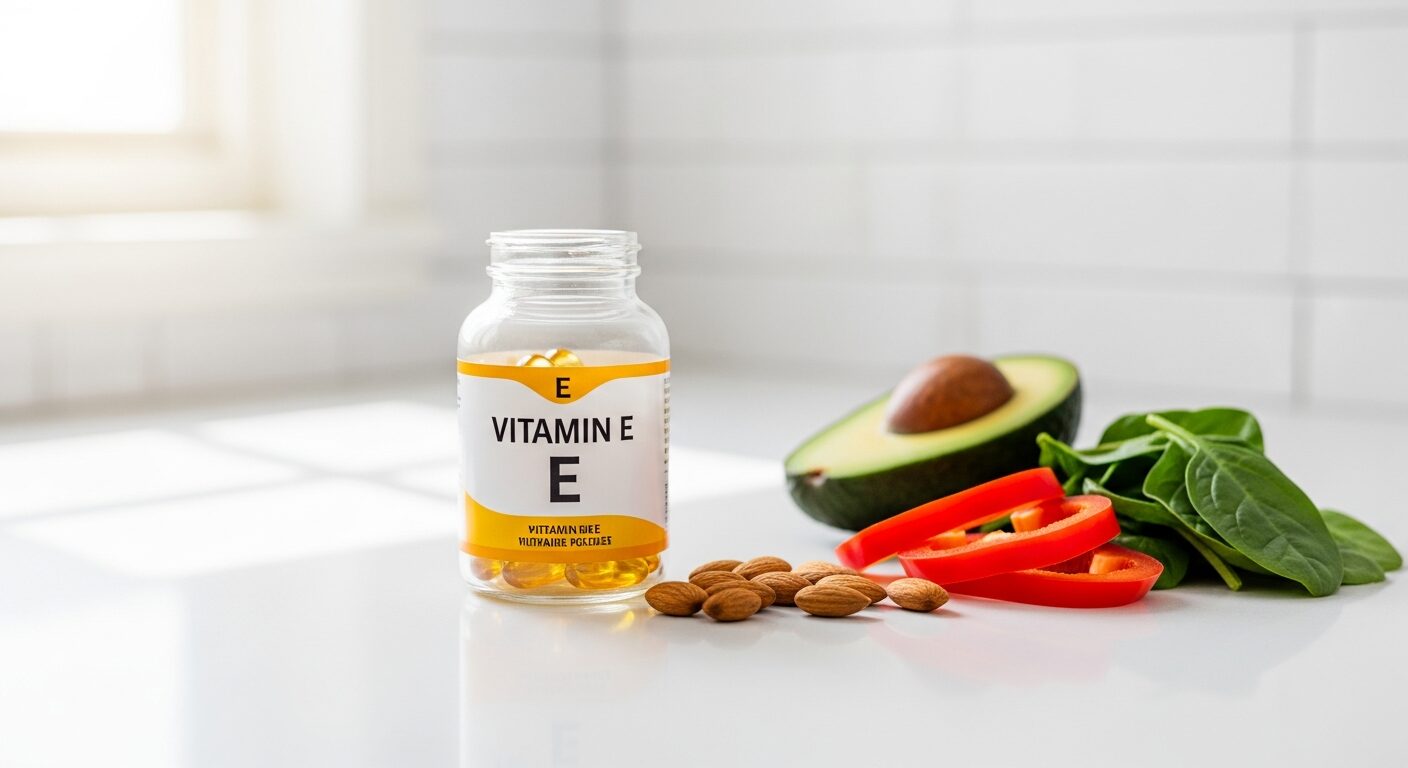
Vitamin E is a powerful antioxidant that plays a crucial role in maintaining healthy skin and supporting overall wellness. This fat-soluble vitamin exists in eight different forms, with alpha-tocopherol being the most biologically active and widely recognized. While many people associate vitamin E primarily with skincare products, its benefits extend far beyond topical applications, supporting cardiovascular health, immune function, and cellular protection throughout the body.
As an essential nutrient, vitamin E cannot be produced by the human body and must be obtained through diet or supplementation. Found naturally in foods like nuts, seeds, vegetable oils, and leafy green vegetables, vitamin E serves as a frontline defender against oxidative stress and free radical damage that can accelerate aging and contribute to various health conditions.
Contents
- 1 Understanding Vitamin E and Its Forms
- 2 Vitamin E Benefits for Skin Health
- 3 Overall Health Benefits of Vitamin E
- 4 Optimal Dosage and Sources
- 5 Safety Considerations and Potential Interactions
- 6 Frequently Asked Questions
- 6.1 Can I get enough vitamin E from food alone?
- 6.2 Is topical vitamin E better than oral supplements for skin health?
- 6.3 How long does it take to see results from vitamin E supplementation?
- 6.4 Can vitamin E supplements cause side effects?
- 6.5 Should I choose natural or synthetic vitamin E supplements?
- 7 Medical Disclaimer
Understanding Vitamin E and Its Forms
Vitamin E encompasses a group of compounds called tocopherols and tocotrienols, each with unique properties and benefits. Alpha-tocopherol is the most abundant form in human tissues and is the standard used to determine vitamin E requirements. However, gamma-tocopherol, which is more prevalent in the American diet, also provides significant antioxidant benefits.
The body’s ability to absorb vitamin E depends on the presence of dietary fat, as it’s a fat-soluble vitamin. This characteristic makes it particularly effective at protecting cell membranes, which are composed primarily of fatty acids. When incorporated into cell membranes, vitamin E acts as a shield against lipid peroxidation, a process that can damage cellular structures and lead to premature aging.
Vitamin E Benefits for Skin Health
Antioxidant Protection and Anti-Aging
Vitamin E’s primary benefit for skin health lies in its potent antioxidant properties. By neutralizing free radicals generated by UV radiation, pollution, and normal metabolic processes, vitamin E helps prevent premature skin aging. Photoprotective properties of topical vitamin E have been demonstrated in multiple studies, showing reduced erythema and DNA damage from UV exposure, 2004. This protection translates to fewer fine lines, wrinkles, and age spots over time.
The vitamin also supports the skin’s natural repair processes by promoting collagen synthesis and maintaining skin elasticity. Regular vitamin E supplementation or topical application can help maintain a youthful appearance by supporting the skin’s structural integrity and moisture retention capabilities.
Moisturizing and Barrier Function
Vitamin E enhances the skin’s barrier function by strengthening the lipid layer that prevents moisture loss. This makes it particularly beneficial for individuals with dry or sensitive skin conditions. The vitamin’s ability to improve skin hydration occurs both through direct moisturizing effects and by supporting the production of natural moisturizing factors within the skin.
Additionally, vitamin E can help reduce inflammation and soothe irritated skin, making it useful for managing conditions like eczema or dermatitis. Its gentle nature makes it suitable for most skin types, including sensitive skin that may react poorly to harsher anti-aging ingredients.
Wound Healing and Scar Reduction
Research has shown that vitamin E can accelerate wound healing and potentially reduce scar formation. The vitamin supports the skin’s natural healing processes by promoting cell regeneration and reducing inflammatory responses that can interfere with proper healing. While more research is needed to fully understand optimal dosing and application methods, many dermatologists recommend vitamin E for minor cuts, scrapes, and surgical scars.
Overall Health Benefits of Vitamin E
Cardiovascular Health Support
Vitamin E’s antioxidant properties extend significant benefits to cardiovascular health. By preventing the oxidation of low-density lipoprotein (LDL) cholesterol, vitamin E may help reduce the risk of atherosclerosis and heart disease. Large-scale epidemiological studies have shown inverse relationships between vitamin E intake and coronary heart disease risk, 1993. The vitamin also supports healthy blood vessel function and may help maintain normal blood pressure levels.
Furthermore, vitamin E’s anti-inflammatory properties can help reduce chronic inflammation throughout the cardiovascular system, which is increasingly recognized as a key factor in heart disease development. Regular vitamin E intake through diet or supplementation may contribute to long-term cardiovascular health when combined with other heart-healthy lifestyle practices.
Immune System Enhancement
Vitamin E plays a vital role in maintaining a robust immune system, particularly as we age. The vitamin enhances the function of T-cells and other immune cells, helping the body mount effective responses to infections and diseases. This immune-supporting effect is especially important for older adults, who may experience age-related decline in immune function.
Studies have shown that vitamin E supplementation can improve vaccine responses in elderly individuals and may help reduce the duration and severity of respiratory infections. The vitamin’s ability to protect immune cells from oxidative damage helps maintain their effectiveness throughout life.
Eye Health Protection
The antioxidant properties of vitamin E extend important benefits to eye health, particularly in preventing age-related macular degeneration (AMD) and cataracts. The Age-Related Eye Disease Study showed that high-dose antioxidant supplementation including vitamin E reduced AMD progression by 25% in high-risk individuals, 2001. The vitamin protects the delicate tissues of the retina from oxidative damage caused by light exposure and metabolic processes.
Vitamin E works synergistically with other antioxidants like vitamin C and beta-carotene to provide comprehensive eye protection. Regular intake of adequate vitamin E through diet or supplementation may help maintain clear vision and healthy eyes throughout life.
Optimal Dosage and Sources
The recommended dietary allowance (RDA) for vitamin E is 15 mg (22.4 IU) daily for adults. However, therapeutic doses for specific health conditions may be higher, typically ranging from 100-400 IU daily. It’s important to consult with a healthcare provider before taking high-dose vitamin E supplements, as excessive intake can interfere with blood clotting and may interact with certain medications.
Natural food sources of vitamin E include almonds, sunflower seeds, wheat germ, spinach, and vegetable oils like sunflower and safflower oil. When choosing supplements, look for natural vitamin E (d-alpha-tocopherol) rather than synthetic forms (dl-alpha-tocopherol), as the natural form is more readily absorbed and utilized by the body.
Safety Considerations and Potential Interactions
While vitamin E is generally safe for most people when taken in recommended doses, high doses may increase the risk of bleeding, particularly in individuals taking blood-thinning medications. The upper tolerable limit for vitamin E is 1,000 mg (1,500 IU) daily from supplements. Exceeding this amount may lead to adverse effects including nausea, fatigue, and increased bleeding risk.
Individuals with bleeding disorders, those scheduled for surgery, or people taking anticoagulant medications should consult their healthcare provider before starting vitamin E supplementation. Additionally, vitamin E may enhance the effects of chemotherapy and radiation therapy, so cancer patients should discuss supplementation with their oncologist.
🌿 Looking for Vitamin E Supplements?
Browse top-rated Vitamin E supplements, independently tested and recommended by our editorial team.
Affiliate disclosure: We may earn a small commission at no extra cost to you.
Frequently Asked Questions
Can I get enough vitamin E from food alone?
Most people can meet their basic vitamin E needs through a balanced diet rich in nuts, seeds, and vegetable oils. However, achieving therapeutic levels for specific health benefits may require supplementation, especially for individuals with limited dietary intake of vitamin E-rich foods.
Is topical vitamin E better than oral supplements for skin health?
Both topical and oral vitamin E offer benefits for skin health. Topical application provides direct antioxidant protection to the skin surface, while oral supplementation supports skin health from within by protecting cell membranes throughout the body. Many experts recommend combining both approaches for optimal results.
How long does it take to see results from vitamin E supplementation?
Results vary depending on the specific benefit sought. Skin improvements may be noticeable within 4-6 weeks of consistent use, while cardiovascular and immune benefits may take several months to become apparent. Consistency is key for achieving optimal results.
Can vitamin E supplements cause side effects?
When taken in recommended doses, vitamin E supplements are generally well-tolerated. However, high doses may cause nausea, fatigue, headaches, and increased bleeding risk. Always follow dosage recommendations and consult a healthcare provider if you experience any adverse effects.
Should I choose natural or synthetic vitamin E supplements?
Natural vitamin E (d-alpha-tocopherol) is generally preferred over synthetic forms (dl-alpha-tocopherol) because it’s more readily absorbed and retained by the body. Natural vitamin E provides approximately twice the biological activity of synthetic forms.
Medical Disclaimer
This article is for educational purposes only and is not intended to replace professional medical advice, diagnosis, or treatment. Always consult with a qualified healthcare provider before starting any new supplement regimen, especially if you have existing health conditions or take medications. Individual results may vary, and the information provided should not be used to diagnose or treat any health condition.