
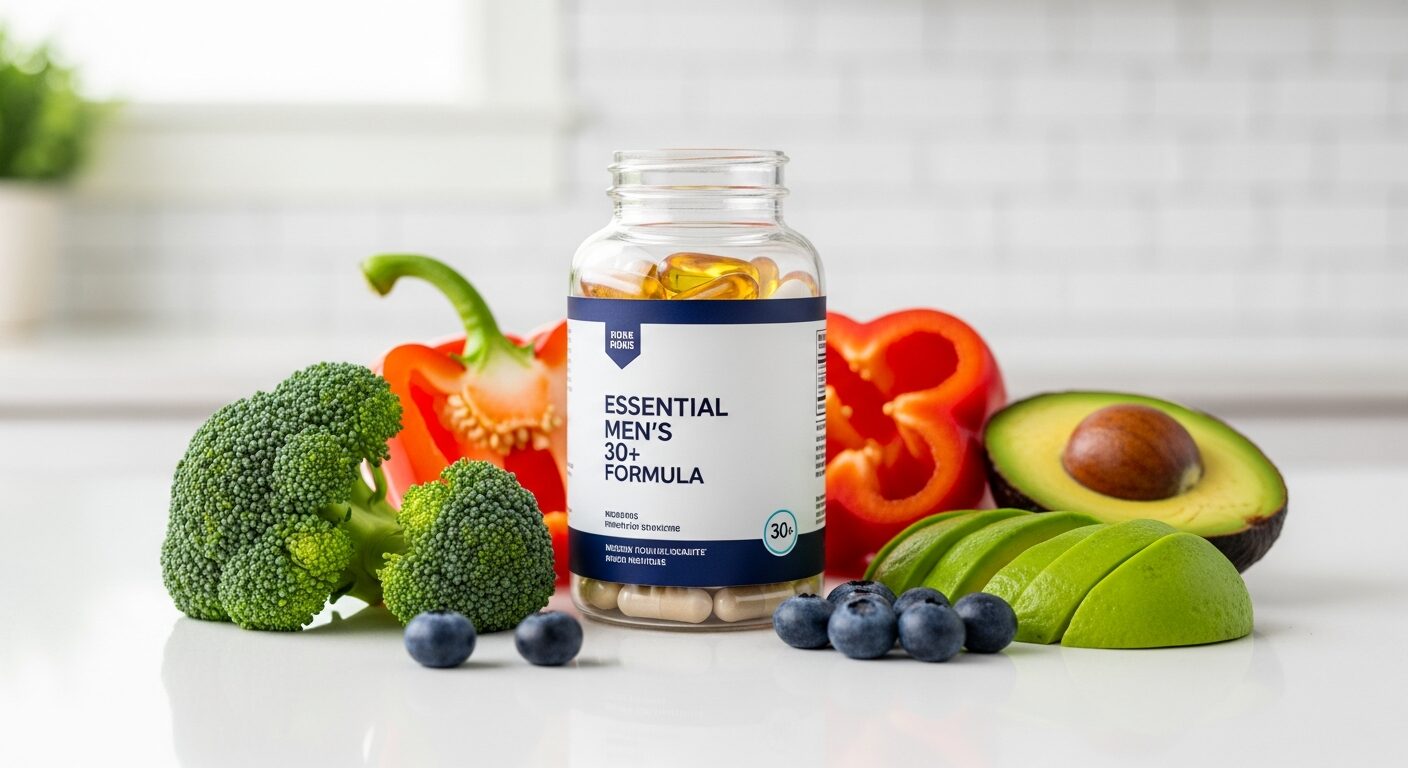
Your thirties mark a pivotal decade in men’s health. While you may still feel invincible from your twenties, your body is beginning subtle but significant changes that will impact your long-term wellbeing. Testosterone levels start their gradual decline, metabolism begins to slow, and the demands of career and family life can leave you feeling drained and nutritionally depleted.
This is precisely when strategic supplementation becomes not just beneficial, but essential. Unlike the shotgun approach of taking every vitamin on the shelf, men in their thirties need a targeted strategy that addresses the specific physiological changes occurring during this decade. The right supplements can help maintain energy levels, support hormonal balance, protect against age-related decline, and lay the foundation for healthy aging.
Understanding which supplements truly matter—and which are just marketing hype—can mean the difference between thriving in your thirties and simply surviving them. Let’s explore the science-backed supplementation strategy that can help you optimize your health during this crucial decade.
🌿 Looking for supplements supplements? Shop Amazon →
Contents
What Are Supplements
Dietary supplements are products designed to enhance your diet by providing nutrients that may be missing or insufficient in your regular food intake. They come in various forms including tablets, capsules, powders, gummies, and liquids, containing vitamins, minerals, herbs, amino acids, enzymes, or other dietary substances.
For men in their thirties, supplements serve as a targeted approach to address specific nutritional gaps and physiological changes. Unlike generic multivitamins, strategic supplementation focuses on compounds that directly support the health challenges most relevant to this age group: maintaining muscle mass, supporting cognitive function, optimizing hormone production, and preventing chronic diseases.
The key distinction between food and supplements lies in concentration and bioavailability. While whole foods should always form the foundation of good nutrition, certain nutrients are difficult to obtain in therapeutic doses through diet alone. For instance, achieving optimal vitamin D levels through food sources is nearly impossible, especially for men with limited sun exposure due to indoor careers.
Quality supplements undergo rigorous testing for purity, potency, and bioavailability. Third-party testing ensures that what’s on the label matches what’s in the bottle, while advanced delivery systems can enhance absorption rates beyond what traditional food sources might provide.
Key Benefits of Supplements
The strategic use of supplements in your thirties provides numerous scientifically-validated benefits that directly address the physiological changes occurring during this decade. Research consistently demonstrates that targeted supplementation can significantly impact both immediate wellbeing and long-term health outcomes.
Hormonal optimization represents one of the most crucial benefits. Vitamin D supplementation and testosterone levels, 2021 shows that adequate vitamin D levels are essential for maintaining healthy testosterone production, which begins declining by approximately 1% annually after age 30. Zinc and magnesium also play critical roles in supporting optimal hormone synthesis.
Cognitive enhancement and stress management become increasingly important as career demands intensify. Omega-3 fatty acids, particularly DHA, support brain health and cognitive function while reducing inflammation. B-complex vitamins aid in neurotransmitter production and help combat the mental fatigue associated with high-stress lifestyles.
Metabolic support is another key advantage. As metabolism naturally slows in your thirties, specific nutrients can help maintain healthy weight management and energy levels. Chromium supports glucose metabolism, while CoQ10 enhances cellular energy production at the mitochondrial level.
Immune system fortification becomes crucial as lifestyle factors and stress can compromise immune function. Vitamin C, zinc, and vitamin D work synergistically to maintain robust immune responses, reducing the frequency and severity of common illnesses.
Cardiovascular protection through supplementation provides long-term benefits that compound over time. Omega-3 fatty acids support heart health, while magnesium helps maintain healthy blood pressure levels. These preventive measures are far more effective when started in your thirties rather than waiting until problems develop.
What Most People Get Wrong About Supplements
One of the most pervasive myths is that “more is always better” when it comes to supplementation. Many men assume that doubling or tripling recommended doses will accelerate results, but this approach can actually be counterproductive and potentially harmful. Fat-soluble vitamins like A, D, E, and K can accumulate to toxic levels, while excessive doses of water-soluble vitamins are simply expensive urine. The body has specific absorption limits and feedback mechanisms that optimize nutrient utilization at therapeutic, not megadoses.
Another dangerous misconception is that supplements work immediately like medications. Men often expect to feel dramatic changes within days and discontinue supplementation when instant results don’t materialize. In reality, most supplements work at the cellular level, requiring weeks or months to produce noticeable effects. Vitamin D deficiency correction, for example, requires 8-12 weeks of consistent supplementation to normalize blood levels and additional time for physiological benefits to manifest.
The belief that expensive supplements are automatically superior represents another costly mistake. Price often reflects marketing budgets and fancy packaging rather than actual efficacy. Some of the most effective supplements are relatively inexpensive commodities like magnesium glycinate or basic fish oil. Third-party testing certificates and bioavailability studies matter far more than premium pricing or celebrity endorsements.
Perhaps most surprisingly, many men believe that taking supplements gives them permission to neglect their diet. This “insurance policy” mentality leads to poor food choices justified by supplement intake. However, supplements are designed to complement, not replace, a healthy diet. Whole foods provide thousands of beneficial compounds, fiber, and synergistic nutrients that isolated supplements cannot replicate. The most effective approach combines high-quality nutrition with targeted supplementation for specific health goals.
What Happens to Your Body After 30 Days of Taking Supplements
Week 1: Initial Physiological Adaptations
During the first seven days, your body begins adapting to increased nutrient availability. Water-soluble vitamins like B-complex start influencing enzyme systems almost immediately, potentially improving energy metabolism and reducing fatigue. However, most men won’t notice dramatic subjective changes yet. Digestive adjustments are common as your system adapts to new compounds, and some people experience mild nausea if taking supplements on an empty stomach.
Week 2: Cellular Integration and Early Benefits
By the second week, nutrients begin integrating into cellular processes more effectively. Men taking vitamin D often report improved sleep quality as this hormone-like vitamin influences circadian rhythm regulation. Omega-3 fatty acids start incorporating into cell membranes, beginning their anti-inflammatory effects. Energy levels may start stabilizing as B-vitamins optimize cellular energy production, though dramatic changes are still uncommon.
Week 3: Noticeable Physiological Changes
The third week typically marks when men begin experiencing tangible benefits. Magnesium supplementation effects on exercise performance, 2020 demonstrates that magnesium levels optimize around this timeframe, potentially improving exercise performance and recovery. Sleep quality improvements become more consistent, and stress management may feel easier as nutrient-dependent neurotransmitter systems stabilize.
Week 4: Full Integration and Sustained Benefits
By day 30, most nutrients have reached steady-state levels in your system. This is when the full benefits of supplementation typically manifest. Men often report sustained energy throughout the day without afternoon crashes, improved mood stability, and better recovery from workouts. Immune function may feel more robust, with some noticing they’re less susceptible to minor illnesses. However, it’s important to note that some benefits, particularly those related to bone health, cardiovascular protection, and hormonal optimization, continue improving over months rather than weeks.
Who Should NOT Take Supplements
Men with existing kidney disease should exercise extreme caution with supplementation, particularly protein-based supplements and minerals like phosphorus and potassium. The kidneys play a crucial role in filtering excess nutrients, and compromised kidney function can lead to dangerous accumulations of certain compounds. Always consult a nephrologist before beginning any supplementation regimen if you have chronic kidney disease.
Those taking blood-thinning medications like warfarin must avoid certain supplements that can enhance anticoagulant effects. Omega-3 fatty acids, vitamin E, and garlic supplements can increase bleeding risk when combined with prescription blood thinners. Similarly, men taking medications for diabetes should be cautious with supplements that affect blood sugar, such as chromium or alpha-lipoic acid, as they may enhance glucose-lowering effects.
Individuals with autoimmune conditions should approach immune-supporting supplements with caution. While zinc, vitamin D, and vitamin C benefit healthy immune systems, they may potentially overstimulate already hyperactive immune responses in conditions like rheumatoid arthritis or lupus. Consulting with a rheumatologist or immunologist is essential before beginning supplementation.
Men scheduled for surgery should discontinue most supplements at least two weeks beforehand. Many supplements can interfere with anesthesia, affect blood clotting, or interact with surgical medications. Vitamin E, fish oil, ginkgo, and garlic are particularly problematic and should be avoided pre-operatively.
Those with a history of kidney stones, particularly calcium oxalate stones, should avoid high-dose vitamin C and calcium supplements. Vitamin C and kidney stone risk, 2013 indicates that excessive vitamin C can increase oxalate production, potentially promoting stone formation in susceptible individuals.
Always consult healthcare providers before beginning supplementation if you’re taking prescription medications, have chronic health conditions, or experience unusual symptoms after starting new supplements. Professional guidance ensures safe, effective supplementation tailored to your individual health profile.
Dosage and Best Forms
Vitamin D3 should be taken at 2000-4000 IU daily, preferably with a fat-containing meal to enhance absorption. Cholecalciferol (D3) is superior to ergocalciferol (D2) for raising blood levels. Consider getting baseline blood work to determine your starting level and adjust dosage accordingly.
Omega-3 fatty acids require 1000-2000mg of combined EPA and DHA daily. Look for molecularly distilled fish oil or algae-based alternatives for vegetarians. Triglyceride form fish oil offers superior bioavailability compared to ethyl ester forms, though it’s typically more expensive.
Magnesium glycinate or magnesium bisglycinate provides the best absorption at 300-400mg daily. Avoid magnesium oxide, which has poor bioavailability and can cause digestive upset. Take magnesium in the evening as it can promote relaxation and better sleep quality.
Zinc picolinate offers excellent absorption at 15-25mg daily. Take on an empty stomach if tolerated, or with food if it causes nausea. Avoid taking zinc with calcium or iron supplements as they compete for absorption.
B-complex vitamins should provide active forms like methylcobalamin (B12) and methylfolate (B9) rather than synthetic versions. Take with breakfast to avoid potential sleep disruption from B-vitamin energy effects.
Vitamin K2 (MK-7 form) at 100-200mcg daily works synergistically with vitamin D for bone and cardiovascular health. Take with vitamin D and dietary fats for optimal absorption.
CoQ10 requires 100-200mg daily of ubiquinol form for better bioavailability, especially for men over 35. Take with meals containing fats to enhance absorption.
🌿 Looking for supplements Supplements?
Browse top-rated supplements supplements, independently tested and recommended by our editorial team.
Affiliate disclosure: We may earn a small commission at no extra cost to you.
Frequently Asked Questions
Should I take supplements with food or on an empty stomach?
Most supplements are best absorbed with food, particularly fat-soluble vitamins (A, D, E, K) and minerals like zinc and iron. However, some nutrients like amino acids are better absorbed on an empty stomach. Follow specific supplement instructions, and if you experience nausea, try taking with a small amount of food.
Can I take all my supplements at once or should I space them out?
While convenient, taking all supplements simultaneously isn’t optimal. Minerals like calcium, zinc, and iron compete for absorption. Space these apart by 2-3 hours. Fat-soluble vitamins can be taken together with a meal, while water-soluble vitamins can be taken anytime but are often better absorbed when split throughout the day.
How long before I see results from supplementation?
Timeline varies significantly by nutrient and individual status. Water-soluble vitamins may show effects within days to weeks, while fat-soluble vitamins and minerals often require 4-12 weeks for noticeable benefits. Vitamin D deficiency correction typically takes 8-12 weeks, while omega-3 benefits may require 2-3 months of consistent use.
Are generic supplements as effective as brand names?
Generic supplements can be equally effective if they meet the same quality standards. Look for third-party testing certificates, proper storage conditions, and appropriate bioavailable forms regardless of brand. However, avoid extremely cheap supplements from unknown manufacturers, as quality control may be inadequate.
Do I need to cycle supplements or take breaks?
Most essential vitamins and minerals don’t require cycling and can be taken continuously. However, some herbal supplements or higher-dose nutrients may benefit from periodic breaks to prevent tolerance or accumulation. Iron supplements should only be taken when deficient and monitored regularly. Consult healthcare providers for personalized cycling recommendations.
Medical Disclaimer
The information provided in this article is for educational purposes only and should not be considered medical advice. Individual nutritional needs vary significantly based on health status, lifestyle, genetics, and existing medical conditions. Before beginning any supplementation regimen, consult with qualified healthcare professionals, particularly if you have chronic health conditions, take prescription medications, or are planning surgical procedures.
Supplements are not intended to diagnose, treat, cure, or prevent any disease. The FDA does not regulate supplements with the same stringency as pharmaceutical drugs, and product quality can vary between manufacturers. Always choose reputable brands with third-party testing and consult healthcare providers for personalized recommendations based on your individual health profile and laboratory values.