
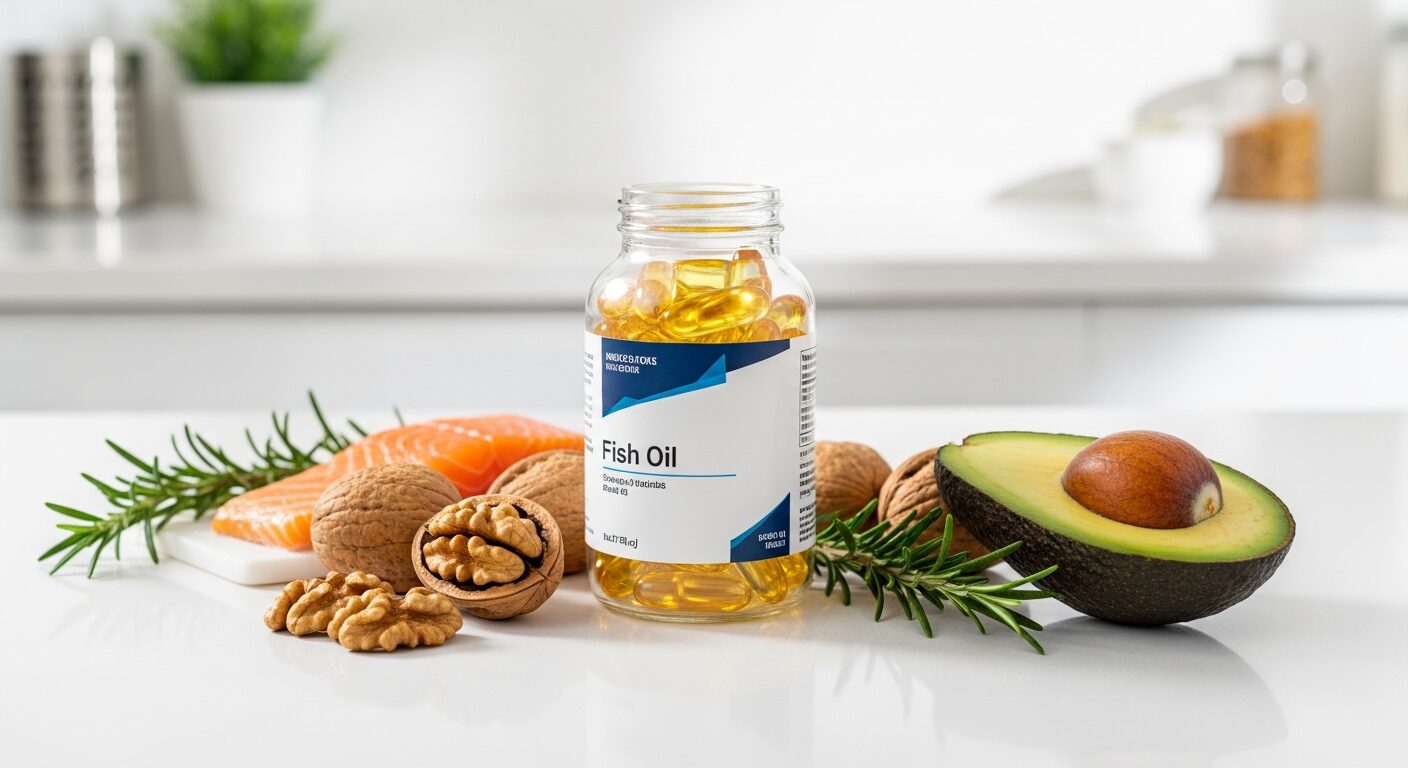
When it comes to omega-3 fatty acids, two supplements dominate the conversation: fish oil and flaxseed oil. Both promise impressive health benefits, from supporting heart health to reducing inflammation, but they work in fundamentally different ways in your body. While marketing claims often treat them as interchangeable, the science tells a more nuanced story that could dramatically impact which supplement delivers the results you’re seeking.
The choice between fish oil and flaxseed oil isn’t just about personal preference or dietary restrictions—it’s about understanding how your body processes these different types of omega-3s and which form provides the most bioavailable nutrients for your specific health goals. With Americans spending over $1.2 billion annually on omega-3 supplements, making an informed decision has never been more important for both your health and your wallet.
🌿 Looking for Fish Oil supplements? Shop Amazon →
Contents
- 1 What is Fish Oil
- 2 Key Benefits of Fish Oil
- 3 What Most People Get Wrong About Fish Oil
- 4 What Happens to Your Body After 30 Days of Taking Fish Oil
- 5 Who Should NOT Take Fish Oil
- 6 Dosage and Best Forms
- 7 Frequently Asked Questions
- 7.1 Can I take fish oil and flaxseed oil together?
- 7.2 Why does fish oil sometimes cause fishy burps, and how can I prevent them?
- 7.3 How long does it take to see results from fish oil supplementation?
- 7.4 Is it better to get omega-3s from fish or supplements?
- 7.5 Can fish oil go bad, and how should I store it?
- 8 Medical Disclaimer
What is Fish Oil
Fish oil is a dietary supplement extracted from the tissues of fatty fish such as salmon, mackerel, sardines, anchovies, and herring. These cold-water fish naturally accumulate omega-3 fatty acids in their tissues, primarily in the form of eicosapentaenoic acid (EPA) and docosahexaenoic acid (DHA). Unlike plant-based omega-3 sources, fish oil provides these long-chain fatty acids in their ready-to-use form, meaning your body can immediately utilize them without requiring conversion processes.
The production of fish oil supplements involves extracting oil from whole fish or fish parts, then purifying and concentrating the omega-3 content. High-quality fish oil supplements typically contain 30-50% omega-3 fatty acids, with the remainder consisting of other fatty acids and fat-soluble vitamins. The ratio of EPA to DHA varies depending on the fish source and processing methods, with most supplements containing higher levels of EPA than DHA.
What sets fish oil apart from plant-based omega-3 sources is its direct provision of EPA and DHA. These are the omega-3 fatty acids that have been most extensively studied for their health benefits, and they’re the same compounds that researchers measure when assessing omega-3 status in blood tests. This direct delivery system eliminates the conversion challenges that plague plant-based alternatives, making fish oil a more predictable and efficient source of active omega-3s.
Key Benefits of Fish Oil
Fish oil’s cardiovascular benefits are among the most well-documented, with numerous studies demonstrating its ability to reduce triglyceride levels, lower blood pressure, and decrease the risk of sudden cardiac death. The EPA and DHA in fish oil work by reducing inflammation in blood vessels, improving endothelial function, and decreasing the production of inflammatory compounds that contribute to atherosclerosis. Regular fish oil supplementation can reduce triglycerides by 15-30% in individuals with elevated levels.
Brain health represents another significant area where fish oil excels. DHA, in particular, is a crucial structural component of brain cell membranes, comprising about 40% of the polyunsaturated fatty acids in the brain. Research indicates that adequate DHA levels support cognitive function, memory, and may help protect against age-related cognitive decline. Some studies suggest that fish oil supplementation can improve working memory and processing speed in healthy adults.
The anti-inflammatory properties of fish oil extend throughout the body, potentially benefiting conditions characterized by chronic inflammation. EPA and DHA compete with arachidonic acid in inflammatory pathways, leading to the production of less inflammatory compounds. This mechanism may help reduce symptoms in rheumatoid arthritis, inflammatory bowel disease, and other inflammatory conditions. Additionally, fish oil has shown promise in supporting eye health, particularly in reducing the risk of age-related macular degeneration and dry eye syndrome.
What Most People Get Wrong About Fish Oil
One of the most pervasive myths about fish oil is that all omega-3 supplements are essentially the same. This misconception leads many people to choose flaxseed oil thinking they’ll get identical benefits to fish oil. However, the body’s conversion of plant-based alpha-linolenic acid (ALA) to EPA and DHA is remarkably inefficient—typically less than 10% for EPA and less than 5% for DHA. This means that taking flaxseed oil requires consuming significantly larger amounts to achieve similar blood levels of active omega-3s, and even then, the conversion rate varies dramatically between individuals based on genetics, age, and overall health status.
Another widespread belief is that taking fish oil will immediately solve inflammation problems or provide instant health benefits. While fish oil does have anti-inflammatory properties, the timeline for seeing meaningful changes is much longer than most people expect. It typically takes 6-8 weeks of consistent supplementation to achieve steady-state levels of EPA and DHA in blood and tissues. Some people discontinue supplementation after a few weeks when they don’t notice immediate changes, missing out on the long-term benefits that require sustained use.
Many consumers also believe that more expensive fish oil supplements are automatically better, or conversely, that all fish oil supplements are essentially identical regardless of price. The reality is more complex—quality does matter, but price isn’t always the best indicator. Factors like molecular distillation, third-party testing for contaminants, and the form of omega-3s (triglyceride vs. ethyl ester) significantly impact absorption and efficacy. However, some premium-priced supplements offer minimal advantages over mid-range options that meet basic quality standards.
Perhaps the most dangerous misconception is that fish oil supplements are always safe and don’t interact with medications. Fish oil can significantly enhance the effects of blood-thinning medications, potentially leading to excessive bleeding. Additionally, taking fish oil before surgery can increase bleeding risk. Many people also assume that if some fish oil is good, more must be better, leading to excessive dosing that can suppress immune function and increase oxidative stress.
What Happens to Your Body After 30 Days of Taking Fish Oil
During the first week of fish oil supplementation, your body begins incorporating EPA and DHA into cell membranes, though changes are primarily occurring at the cellular level and aren’t yet noticeable. Some individuals may experience minor digestive adjustments as their system adapts to the increased fat intake. Blood levels of EPA and DHA start to rise gradually, but they’re still far from optimal levels. Interestingly, some people report improved sleep quality within the first few days, though this effect isn’t universal and may be related to fish oil’s influence on neurotransmitter production.
By week two, cellular incorporation of omega-3s becomes more substantial, and some users begin noticing subtle changes in joint comfort and skin appearance. Studies show that measurable changes in omega-3 blood levels typically become apparent around day 14, though they continue climbing for several more weeks. This is when some individuals start experiencing reduced morning stiffness or notice that their skin feels more hydrated. However, these changes are often subtle and may not be immediately attributed to the fish oil supplementation.
Weeks three and four mark the period when fish oil’s benefits become more apparent and measurable. Blood levels of EPA and DHA approach steady-state concentrations, and the anti-inflammatory effects become more pronounced. Many users report improved mood stability and better stress management during this period. Research demonstrates that significant improvements in inflammatory markers typically occur after 4-6 weeks of consistent supplementation. Joint comfort often improves noticeably, and some individuals experience better exercise recovery. Cognitive benefits, such as improved focus and mental clarity, may also become apparent during this timeframe.
After a full month, the foundation is set for fish oil’s long-term benefits, but it’s important to understand that 30 days represents just the beginning of optimization. Blood and tissue levels will continue to improve for another 4-8 weeks with consistent use. The cardiovascular benefits, including improvements in blood pressure and triglyceride levels, typically require 8-12 weeks to fully manifest, highlighting the importance of long-term commitment to supplementation.
Who Should NOT Take Fish Oil
Individuals taking anticoagulant medications such as warfarin, heparin, or newer blood thinners like dabigatran should exercise extreme caution with fish oil supplementation. Fish oil can potentiate the effects of these medications, significantly increasing bleeding risk. Even over-the-counter blood thinners like aspirin can interact with fish oil to create excessive anticoagulation. Anyone on blood-thinning medications should consult their healthcare provider before starting fish oil and may require more frequent monitoring of their clotting parameters.
People scheduled for surgery should discontinue fish oil supplementation at least two weeks before their procedure. The anticoagulant effects can persist even after stopping supplementation, and the increased bleeding risk during and after surgery can lead to serious complications. This applies to both major surgeries and minor procedures, including dental work. Similarly, individuals with bleeding disorders such as hemophilia or von Willebrand disease should avoid fish oil unless specifically recommended and monitored by their hematologist.
Certain populations require special consideration when it comes to fish oil supplementation. Pregnant and breastfeeding women should choose fish oil supplements that have been specifically tested for mercury, PCBs, and other contaminants, as these toxins can cross the placental barrier and appear in breast milk. While omega-3s are beneficial during pregnancy, the source and purity become critically important. Children under 18 should only take fish oil under medical supervision, as their omega-3 needs differ from adults and excessive intake can suppress immune function.
Individuals with seafood allergies may react to fish oil supplements, though reactions are less common than with whole fish consumption since most allergens are proteins rather than oils. However, those with severe fish allergies should consult an allergist before trying fish oil. People with diabetes should monitor their blood sugar more closely when starting fish oil, as it can affect glucose metabolism and may require medication adjustments. Additionally, individuals with compromised immune systems should use caution, as very high doses of fish oil can suppress immune function.
Dosage and Best Forms
The optimal fish oil dosage varies significantly based on individual health goals and existing omega-3 status. For general health maintenance, most research supports a combined EPA and DHA intake of 1-2 grams daily. However, specific conditions may require higher doses: cardiovascular health typically benefits from 2-3 grams daily, while inflammatory conditions may require 3-4 grams. It’s important to focus on the actual EPA and DHA content rather than the total fish oil amount, as supplements vary widely in their concentration of active omega-3s.
The form of fish oil significantly impacts absorption and bioavailability. Triglyceride form fish oil, which closely mimics the natural structure found in fish, generally offers superior absorption compared to ethyl ester forms. However, ethyl ester forms are more concentrated and stable, making them suitable for higher-dose formulations. Taking fish oil with meals, particularly those containing other fats, enhances absorption by 50-60% compared to taking it on an empty stomach.
Quality considerations are paramount when selecting a fish oil supplement. Look for products that have undergone molecular distillation to remove contaminants, and choose supplements that provide third-party testing results for heavy metals, PCBs, and oxidation markers. The TOTOX value, which measures oxidation, should be below 26. Additionally, consider the source of the fish oil—smaller fish like anchovies and sardines typically contain fewer contaminants than larger predatory fish. Enteric-coated capsules can help reduce fishy aftertaste and improve tolerability for sensitive individuals.
🌿 Looking for Fish Oil Supplements?
Browse top-rated Fish Oil supplements, independently tested and recommended by our editorial team.
Affiliate disclosure: We may earn a small commission at no extra cost to you.
Frequently Asked Questions
Can I take fish oil and flaxseed oil together?
Yes, taking fish oil and flaxseed oil together is generally safe and may provide complementary benefits. Fish oil provides ready-to-use EPA and DHA, while flaxseed oil offers ALA and additional plant compounds. However, the flaxseed oil won’t significantly increase your EPA and DHA levels beyond what the fish oil provides, so the primary benefit would come from the fish oil component. If you choose to take both, monitor your total omega-3 intake to avoid excessive dosing.
Why does fish oil sometimes cause fishy burps, and how can I prevent them?
Fishy burps typically result from rancid fish oil or taking supplements on an empty stomach. Research indicates that taking fish oil with meals significantly reduces gastrointestinal side effects. Choose high-quality, fresh fish oil with low oxidation levels, store it properly in the refrigerator, and take it with meals. Enteric-coated capsules or freezing regular capsules before consumption can also help minimize fishy aftertaste and burping.
How long does it take to see results from fish oil supplementation?
Initial cellular changes begin within days, but noticeable benefits typically emerge after 2-4 weeks of consistent use. Blood levels of EPA and DHA reach steady-state around 4-6 weeks, while maximum benefits for cardiovascular health and inflammation reduction often require 8-12 weeks. Individual responses vary based on baseline omega-3 status, overall health, and the specific benefits you’re seeking.
Is it better to get omega-3s from fish or supplements?
Whole fish provides omega-3s along with high-quality protein, vitamins, and minerals, making it the preferred source when possible. However, achieving therapeutic levels of omega-3s through diet alone can be challenging and expensive. Supplements offer a concentrated, convenient alternative, especially for people who don’t regularly eat fatty fish. The key is choosing high-quality supplements that provide similar EPA and DHA levels to what you’d get from 2-3 servings of fatty fish per week.
Can fish oil go bad, and how should I store it?
Fish oil is highly susceptible to oxidation, which reduces its effectiveness and can create harmful compounds. Signs of rancid fish oil include a strong fishy smell, bitter taste, or cloudy appearance. Store fish oil in the refrigerator, away from light and heat, and use within the expiration date. Once opened, most fish oil supplements should be used within 2-3 months. Consider buying smaller bottles if you don’t use supplements quickly, and always check for proper packaging that protects against light and air exposure.
Medical Disclaimer
The information provided in this article is for educational purposes only and is not intended to replace professional medical advice, diagnosis, or treatment. Always consult with a qualified healthcare provider before starting any new supplement regimen, especially if you have pre-existing medical conditions, are taking medications, or are pregnant or breastfeeding. Individual responses to supplements can vary significantly, and what works for one person may not be appropriate for another. The statements in this article have not been evaluated by the Food and Drug Administration, and the products discussed are not intended to diagnose, treat, cure, or prevent any disease. If you experience any adverse reactions while taking fish oil or any supplement, discontinue use immediately and consult your healthcare provider.