
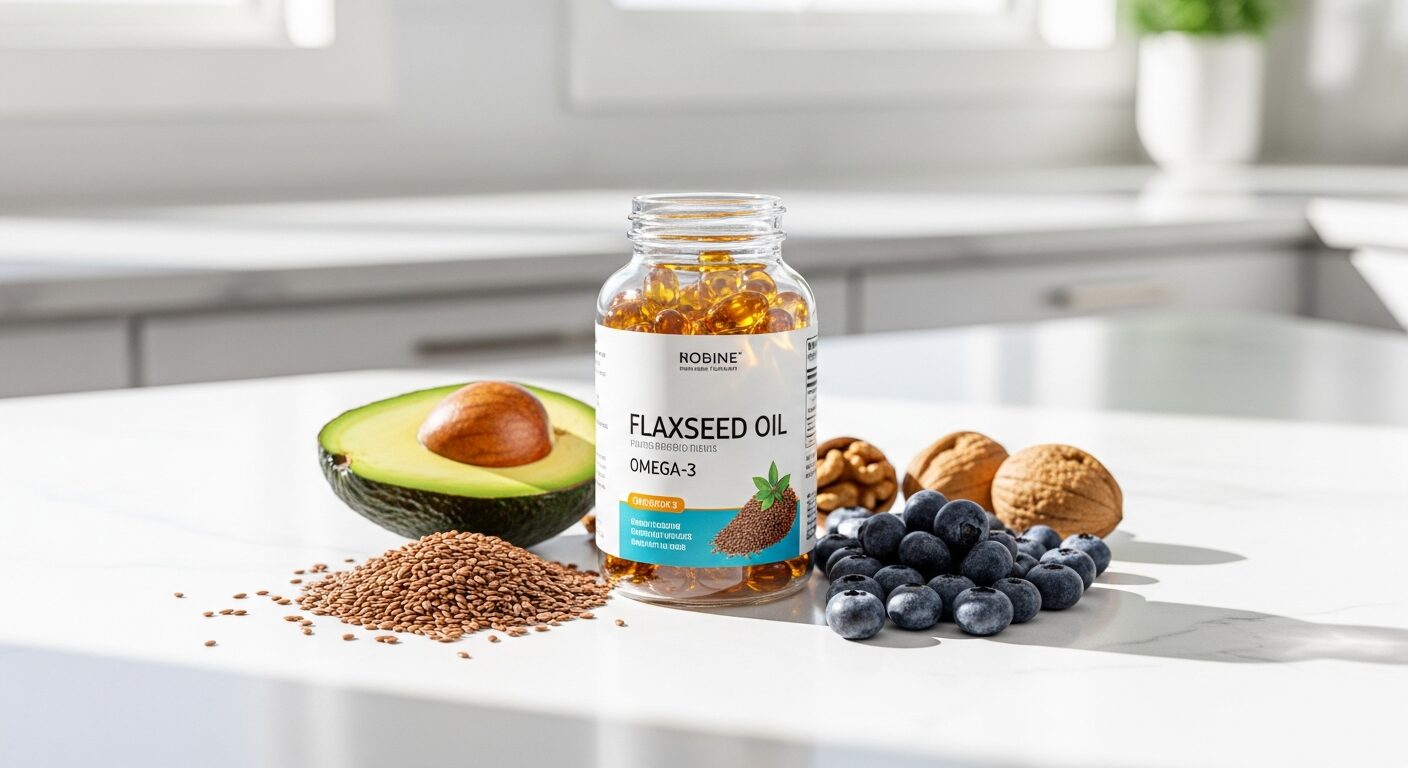
When it comes to omega-3 supplements, most people immediately think of fish oil. But there’s another powerful player in this game that’s been quietly gaining scientific recognition: flaxseed oil. While fish oil has dominated the supplement shelves for decades, flaxseed oil offers a unique plant-based alternative that comes with its own distinct advantages and considerations.
The debate between flaxseed oil and fish oil isn’t just about animal versus plant sources—it’s about understanding two fundamentally different approaches to omega-3 nutrition. Each oil provides different types of omega-3 fatty acids, works through different mechanisms in your body, and offers unique benefits that might make one more suitable for your specific health goals than the other.
What makes this comparison particularly fascinating is how many widespread misconceptions exist about flaxseed oil, leading people to either dismiss it entirely or expect results it simply cannot deliver. Understanding the real science behind flaxseed oil—including what happens in your body during the first 30 days of supplementation—can help you make an informed decision about whether this plant-based omega-3 source deserves a place in your wellness routine.
Contents
What is Flaxseed Oil
Flaxseed oil, also known as linseed oil, is extracted from the seeds of the flax plant (Linum usitatissimum). This golden-colored oil has been used for centuries, but only recently has science begun to fully understand its potential health benefits. The oil is primarily composed of alpha-linolenic acid (ALA), a plant-based omega-3 fatty acid that makes up approximately 50-60% of its total fatty acid content.
Unlike fish oil, which provides the long-chain omega-3s EPA (eicosapentaenoic acid) and DHA (docosahexaenoic acid) directly, flaxseed oil requires your body to convert ALA into these more active forms. This conversion process, while natural, is relatively inefficient in humans—typically converting only 5-10% of ALA to EPA and even less to DHA.
Flaxseed oil is extracted through cold-pressing methods to preserve its delicate fatty acid structure. The oil is highly susceptible to oxidation due to its high concentration of polyunsaturated fats, which is why quality flaxseed oil supplements are often stored in dark containers and may include antioxidants like vitamin E to maintain stability.
Beyond ALA, flaxseed oil contains smaller amounts of oleic acid, linoleic acid, and various other compounds. However, it’s important to note that flaxseed oil doesn’t contain the lignans, fiber, and protein found in whole flaxseeds—these beneficial compounds are removed during the oil extraction process.
Key Benefits of Flaxseed Oil
The primary benefits of flaxseed oil stem from its high ALA content and the various biological processes this omega-3 fatty acid influences. Research has identified several key areas where flaxseed oil supplementation may provide significant health advantages.
Cardiovascular health represents one of the most well-documented benefits of flaxseed oil. ALA has been shown to help reduce inflammation in blood vessels, improve arterial flexibility, and support healthy cholesterol levels. Studies have demonstrated that flaxseed oil supplementation can significantly reduce blood pressure in hypertensive individuals, with effects comparable to some pharmaceutical interventions.
Skin health is another area where flaxseed oil shows particular promise. The omega-3 fatty acids help maintain skin barrier function, reduce transepidermal water loss, and may help manage inflammatory skin conditions. Many users report improvements in skin hydration, reduced sensitivity, and a more balanced complexion after consistent flaxseed oil supplementation.
Anti-inflammatory effects throughout the body represent a core benefit of flaxseed oil. ALA helps modulate the production of pro-inflammatory compounds, potentially reducing chronic inflammation that contributes to various health conditions. This anti-inflammatory action may support joint health, reduce exercise-induced inflammation, and contribute to overall wellness.
Hormonal balance, particularly in women, may also benefit from flaxseed oil supplementation. Some research suggests that ALA can influence hormone metabolism and may help manage symptoms related to hormonal fluctuations, though more research is needed to fully understand these effects.
What Most People Get Wrong About Flaxseed Oil
Myth 1: Flaxseed Oil is a Direct Substitute for Fish Oil
Perhaps the most pervasive misconception about flaxseed oil is that it provides the same benefits as fish oil. While both are omega-3 sources, they function very differently in your body. Flaxseed oil provides ALA, which your body must convert to EPA and DHA—the same omega-3s found directly in fish oil. However, this conversion is highly inefficient, with most people converting less than 10% of consumed ALA.
This means that if you’re specifically seeking the brain, heart, and anti-inflammatory benefits associated with EPA and DHA research, flaxseed oil alone may not provide adequate amounts. The oils are complementary rather than interchangeable, and some people benefit from using both strategically.
Myth 2: More ALA Always Means Better Results
Another common mistake is assuming that higher doses of flaxseed oil will automatically lead to better outcomes. In reality, the ALA conversion pathway can become saturated, meaning that consuming excessive amounts doesn’t proportionally increase EPA and DHA production. Additionally, very high ALA intake may actually compete with other fatty acid conversion pathways.
Research suggests there’s an optimal range for ALA supplementation—typically 1-3 grams daily—beyond which benefits plateau and potential side effects may increase. The key is consistency rather than megadoses.
Myth 3: Flaxseed Oil Works the Same for Everyone
Genetic variations significantly influence how effectively individuals convert ALA to EPA and DHA. Factors including age, sex, overall health status, and specific genetic polymorphisms can dramatically affect conversion efficiency. Women generally convert ALA more efficiently than men, and conversion rates tend to decrease with age.
This means that two people taking identical flaxseed oil supplements may experience vastly different results. Some individuals with poor conversion genetics may see minimal benefits from flaxseed oil alone, while others may respond very well.
Myth 4: Plant-Based Always Means Safer
While flaxseed oil is generally well-tolerated, the assumption that plant-based automatically means risk-free is dangerous. Flaxseed oil can interact with blood-thinning medications, may affect hormone-sensitive conditions, and can cause digestive issues in some people. Additionally, the oil’s instability means that rancid or poorly stored flaxseed oil can actually be harmful, potentially promoting oxidative stress rather than reducing it.
What Happens to Your Body After 30 Days of Taking Flaxseed Oil
Week 1: Initial Adaptations
During the first week of flaxseed oil supplementation, your body begins incorporating ALA into cell membranes and starting the conversion process to longer-chain omega-3s. Most people don’t notice dramatic changes during this period, though some may experience mild digestive adjustments as their system adapts to the increased fat intake.
At the cellular level, ALA begins influencing inflammatory pathways and membrane fluidity. Some individuals with very low baseline omega-3 levels might notice subtle improvements in skin hydration or reduced joint stiffness, though these effects are generally mild and may be attributed to placebo effects.
Week 2: Noticeable Effects Begin
By the second week, many people begin experiencing the first tangible benefits. Skin improvements are often among the earliest noticeable changes, with users reporting better hydration, reduced dryness, and improved skin texture. This occurs because ALA helps strengthen the skin’s lipid barrier and reduces transepidermal water loss.
Energy levels may also begin to stabilize as improved fatty acid profiles support better cellular energy production. Some users report feeling less fatigued and experiencing more consistent energy throughout the day, though these effects are typically subtle rather than dramatic.
Week 3-4: Full Benefits Emerge
The third and fourth weeks represent when flaxseed oil’s benefits typically reach their peak for most users. Research shows that it takes approximately 4 weeks of consistent ALA supplementation to significantly alter tissue fatty acid profiles and inflammatory markers.
Cardiovascular improvements become more apparent during this period, with studies showing measurable reductions in blood pressure and improvements in arterial function. Anti-inflammatory effects also become more pronounced, potentially leading to reduced joint discomfort and improved recovery from exercise.
Hormonal effects, particularly in women, may become noticeable around this time. Some women report improvements in PMS symptoms, skin clarity related to hormonal fluctuations, and better overall hormonal balance, though individual responses vary significantly.
It’s important to note that the timeline and intensity of these effects depend heavily on individual factors including baseline omega-3 status, genetic conversion efficiency, dosage, and overall health status. Some people may experience benefits earlier, while others may need longer to see significant changes.
Who Should NOT Take Flaxseed Oil
While flaxseed oil is generally safe for most people, several groups should exercise caution or avoid supplementation entirely. Understanding these contraindications is crucial for safe and effective use.
Individuals taking anticoagulant medications like warfarin, heparin, or newer blood thinners should consult their healthcare provider before using flaxseed oil. The oil’s omega-3 content can enhance blood-thinning effects, potentially increasing bleeding risk. This interaction can be particularly dangerous before surgical procedures or in people with bleeding disorders.
People with hormone-sensitive conditions need special consideration. Flaxseed oil may have mild estrogenic effects, though the research is mixed. Those with estrogen-sensitive breast cancer, endometriosis, or uterine fibroids should discuss flaxseed oil use with their oncologist or gynecologist before starting supplementation.
Pregnant and breastfeeding women should approach flaxseed oil supplementation cautiously. While ALA is beneficial during pregnancy and lactation, the hormonal effects and potential interactions haven’t been thoroughly studied in these populations. The conversion of ALA to DHA—crucial for fetal brain development—is also inefficient, making fish oil or algae-based DHA supplements potentially more appropriate.
Individuals with digestive conditions like inflammatory bowel disease, severe IBS, or fat malabsorption disorders may not tolerate flaxseed oil well. The high fat content can exacerbate symptoms in some people with these conditions.
People scheduled for surgery should stop flaxseed oil at least two weeks beforehand due to bleeding risk. This is particularly important for procedures with high bleeding risk or when combined with other supplements that affect coagulation.
Those with severe kidney or liver disease should consult healthcare providers before supplementation, as these organs play crucial roles in fatty acid metabolism and processing supplements safely.
Dosage and Best Forms
The optimal dosage of flaxseed oil varies based on individual needs, health goals, and conversion efficiency. Most research supports dosages providing 1-3 grams of ALA daily, which typically translates to 1-2 tablespoons of flaxseed oil or 2-4 standard capsules.
For general health maintenance, starting with 1 tablespoon (approximately 1.5 grams of ALA) daily is reasonable. This can be increased to 2 tablespoons for individuals seeking more pronounced benefits or those with higher omega-3 needs. Higher doses should be implemented gradually to assess tolerance and avoid digestive upset.
Liquid flaxseed oil offers the highest potency and is often more economical than capsules. However, it must be stored properly—refrigerated, in a dark container, and used within 6-8 weeks of opening. The oil should never taste bitter or rancid, as this indicates oxidation and potential harmful compounds.
Capsules provide convenience and better stability but typically require taking multiple capsules to achieve therapeutic doses. Look for capsules that are nitrogen-flushed, stored in opaque containers, and include natural antioxidants like vitamin E.
Timing matters less than consistency, though some people find taking flaxseed oil with meals reduces potential digestive effects. The oil can be mixed into smoothies, yogurt, or salad dressings, but should never be heated or cooked, as this destroys the beneficial fatty acids.
Quality indicators include organic certification, cold-pressed extraction, third-party testing for purity and potency, and proper storage conditions. Avoid products that don’t provide clear ALA content information or have been stored improperly.
🌿 Looking for Flaxseed Oil Supplements?
Browse top-rated Flaxseed Oil supplements, independently tested and recommended by our editorial team.
Affiliate disclosure: We may earn a small commission at no extra cost to you.
Frequently Asked Questions
Can I take flaxseed oil and fish oil together?
Yes, flaxseed oil and fish oil can be taken together and may provide complementary benefits. Flaxseed oil provides ALA while fish oil directly supplies EPA and DHA. This combination may be particularly beneficial for individuals with poor ALA conversion genetics. However, monitor total omega-3 intake and consult a healthcare provider if you’re taking multiple supplements or medications.
How long does flaxseed oil last once opened?
Liquid flaxseed oil should be used within 6-8 weeks of opening when stored properly in the refrigerator. Signs of rancidity include a bitter taste, unpleasant smell, or cloudy appearance. Capsules typically have longer shelf lives but should still be stored in cool, dark conditions and used before expiration dates.
Is flaxseed oil better than eating whole flaxseeds?
This depends on your goals. Whole flaxseeds provide fiber, lignans, and protein that are absent in the oil, but the ALA in whole seeds is less bioavailable unless the seeds are ground. For pure omega-3 content, flaxseed oil provides more concentrated ALA, while whole flaxseeds offer broader nutritional benefits. Many people benefit from incorporating both into their diet strategically.
Can flaxseed oil help with weight loss?
Flaxseed oil isn’t a weight loss supplement per se, but it may support weight management indirectly. The omega-3s can help reduce inflammation that interferes with metabolism, and some research suggests ALA may influence fat metabolism. However, flaxseed oil is calorie-dense (120 calories per tablespoon), so it should be factored into overall caloric intake.
Why does my flaxseed oil taste bitter?
Bitter taste indicates oxidation and rancidity, meaning the oil has gone bad and should be discarded. Fresh flaxseed oil should have a mild, nutty flavor. Rancid oil not only lacks benefits but may actually promote oxidative stress in your body. Always store flaxseed oil properly and replace it if it develops off-flavors.
Medical Disclaimer
This article is for informational purposes only and does not constitute medical advice. The information provided should not be used to diagnose, treat, cure, or prevent any disease or health condition. Individual responses to supplements vary significantly, and what works for one person may not work for another.
Before starting any new supplement regimen, including flaxseed oil, consult with a qualified healthcare professional, especially if you have existing health conditions, take medications, or are pregnant or breastfeeding. This is particularly important if you have cardiovascular disease, bleeding disorders, hormone-sensitive conditions, or are scheduled for surgery.
The dosage recommendations and timeline information provided are based on general research and may not apply to your specific situation. Your healthcare provider can help determine appropriate dosages and monitor for potential interactions or adverse effects.
If you experience any adverse reactions while taking flaxseed oil, discontinue use and consult your healthcare provider immediately. This includes digestive upset, allergic reactions, unusual bleeding, or any other concerning symptoms.