
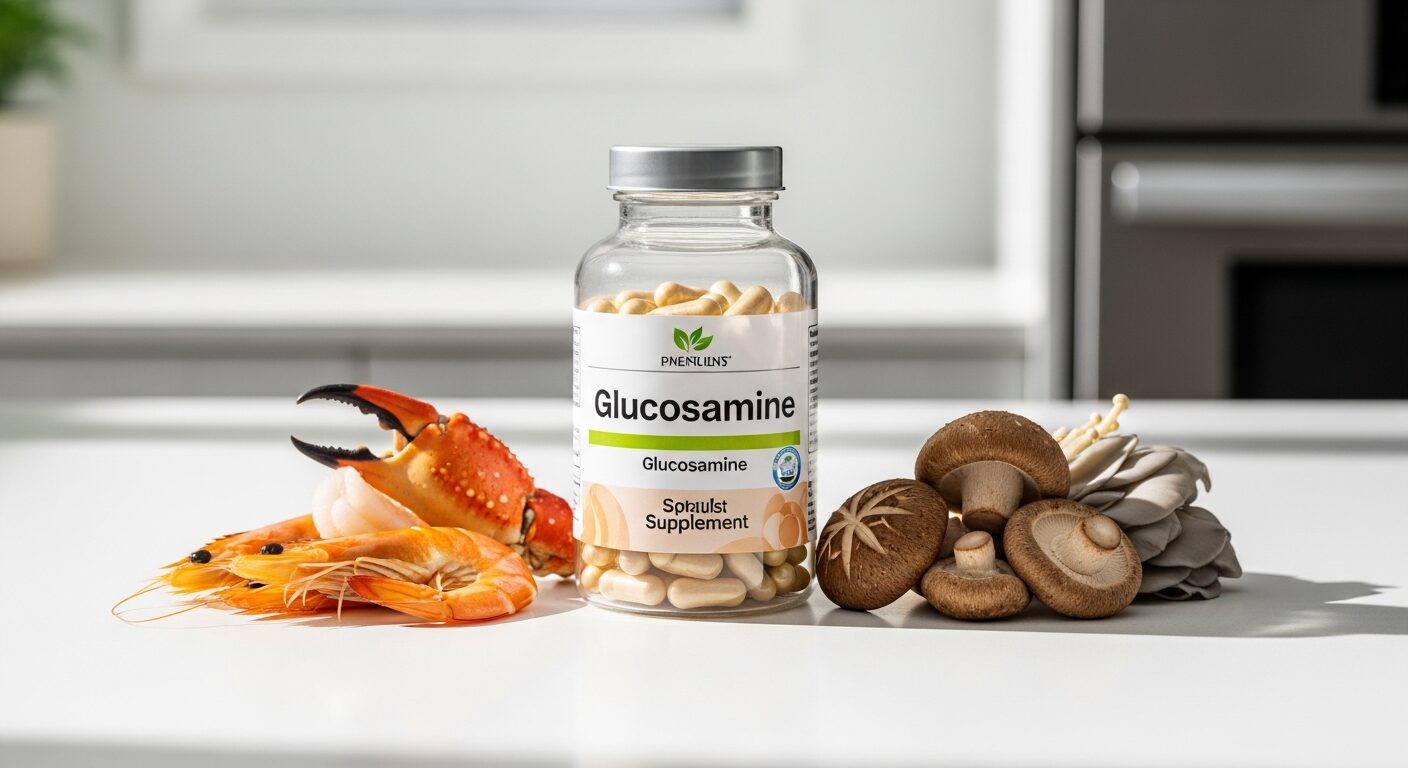
If you’re dealing with joint pain or concerned about maintaining healthy cartilage as you age, you’ve likely encountered the ongoing debate between glucosamine and collagen supplements. Both have passionate advocates, impressive marketing claims, and shelves full of research studies backing their effectiveness. But which one actually delivers better results for your joints?
The truth is more nuanced than most supplement companies want you to believe. While both glucosamine and collagen play important roles in joint health, they work through completely different mechanisms in your body. Understanding these differences—and the surprising misconceptions that surround glucosamine—can help you make an informed decision about which supplement deserves a place in your daily routine.
In this comprehensive analysis, we’ll dive deep into the science behind glucosamine, explore what really happens when you take it consistently, and address the myths that continue to circulate in health communities. By the end, you’ll have a clear understanding of whether glucosamine is the right choice for your specific joint health goals.
🌿 Looking for Glucosamine supplements? Shop Amazon →
Contents
What is Glucosamine
Glucosamine is a naturally occurring amino sugar that serves as a fundamental building block for cartilage, the smooth tissue that cushions your joints. Your body produces glucosamine naturally by combining glucose (sugar) with glutamine (an amino acid), but this production tends to decline with age, potentially contributing to joint deterioration over time.
In supplement form, glucosamine typically comes from shellfish shells or is synthetically manufactured in laboratories. The compound exists in several forms, with glucosamine sulfate and glucosamine hydrochloride being the most common and well-studied versions. These supplements are designed to provide your body with additional raw materials for cartilage repair and maintenance.
What makes glucosamine particularly interesting from a biochemical perspective is its role in stimulating the production of glycosaminoglycans—complex molecules that help maintain the structure and function of cartilage. This isn’t just about providing building blocks; glucosamine may actually signal cellular processes that promote cartilage health and potentially slow its breakdown.
Key Benefits of Glucosamine
The scientific evidence supporting glucosamine’s benefits for joint health spans decades of research, though results have been somewhat mixed depending on the specific condition and population studied. The most consistent benefits appear in people with osteoarthritis, particularly of the knee.
Pain reduction represents one of the most well-documented benefits of glucosamine supplementation. Multiple clinical trials have shown that glucosamine sulfate can significantly reduce joint pain in people with knee osteoarthritis, with effects comparable to some non-steroidal anti-inflammatory drugs but with fewer side effects. This pain relief typically develops gradually over several weeks rather than providing immediate relief like conventional pain medications.
Beyond pain management, glucosamine may help slow the progression of joint space narrowing—a key indicator of cartilage loss in osteoarthritis. Long-term studies suggest that consistent glucosamine use might help preserve cartilage structure, though the effects are generally modest and take months to years to become apparent on imaging studies.
Some research also indicates that glucosamine supplementation could improve joint mobility and function, making daily activities easier for people with joint stiffness. Users often report better morning flexibility and reduced difficulty with tasks like climbing stairs or getting up from chairs after consistent supplementation.
What Most People Get Wrong About Glucosamine
Despite its popularity, glucosamine is surrounded by several persistent misconceptions that can lead to unrealistic expectations or inappropriate use. Understanding these myths is crucial for making informed decisions about supplementation.
Myth 1: Glucosamine works immediately like a pain reliever. This is perhaps the most common misunderstanding about glucosamine supplementation. Unlike ibuprofen or acetaminophen, glucosamine doesn’t provide rapid pain relief. The compound works by potentially supporting cartilage metabolism and structure over time, which means benefits typically take 4-8 weeks to become noticeable. Many people discontinue glucosamine after a few days or weeks, assuming it’s ineffective, when they simply haven’t given it adequate time to work.
Myth 2: All forms of glucosamine are equally effective. The research strongly suggests that glucosamine sulfate is more effective than glucosamine hydrochloride for joint health benefits. The sulfate form has been used in most positive clinical trials, and the sulfate component itself may contribute to cartilage health. Additionally, prescription-grade glucosamine sulfate used in European studies often shows better results than over-the-counter supplements, likely due to differences in bioavailability and quality control.
Myth 3: Glucosamine rebuilds cartilage that’s already lost. While glucosamine may help slow cartilage breakdown and support the health of remaining cartilage, it cannot regenerate significant amounts of cartilage that has already been lost to osteoarthritis or injury. The supplement is better viewed as a maintenance tool rather than a regenerative treatment. People with severe joint damage should have realistic expectations about what glucosamine can and cannot accomplish.
Myth 4: Higher doses always work better. Some people assume that doubling or tripling the recommended glucosamine dose will accelerate benefits, but research doesn’t support this approach. Most studies showing positive effects used doses of 1,500mg per day of glucosamine sulfate. Taking more doesn’t appear to provide additional benefits and may increase the risk of side effects like digestive upset. The body can only utilize a certain amount of glucosamine effectively, making mega-dosing counterproductive.
What Happens to Your Body After 30 Days of Taking Glucosamine
Understanding the timeline of glucosamine’s effects can help set appropriate expectations and encourage consistent use during the initial period when benefits aren’t yet apparent.
Week 1: Metabolic Integration
During the first week of glucosamine supplementation, your body begins incorporating the additional amino sugar into various metabolic pathways. At this stage, most people don’t notice any significant changes in joint comfort or mobility. Your digestive system is adapting to the supplement, and some individuals may experience mild gastrointestinal effects like stomach upset or loose stools, particularly if taking glucosamine on an empty stomach. The compound is being absorbed and distributed to joint tissues, but hasn’t yet accumulated to levels that produce noticeable effects.
Week 2: Early Cellular Changes
By the second week, glucosamine begins influencing the activity of chondrocytes—the cells responsible for maintaining cartilage. Research indicates that glucosamine can modulate the expression of genes involved in cartilage metabolism, potentially reducing inflammatory markers and supporting the synthesis of cartilage components. However, these cellular changes still haven’t translated into symptoms that most people can perceive. Some individuals with mild joint issues might notice subtle improvements in morning stiffness, but these effects are often too minor to be definitively attributed to the supplement.
Week 3-4: Emerging Benefits
The third and fourth weeks typically mark when glucosamine’s benefits become more apparent to users. Joint pain may begin to decrease, particularly the deep, aching discomfort associated with osteoarthritis. Morning stiffness often improves, and some people report better joint mobility during daily activities. These improvements tend to be gradual rather than dramatic, and they’re most noticeable in people with existing joint problems rather than those taking glucosamine preventatively. The anti-inflammatory effects of glucosamine may also contribute to these improvements, as the supplement appears to reduce the production of certain inflammatory molecules in joint tissues.
It’s important to note that not everyone will experience benefits within this timeframe. Some individuals may need 6-8 weeks or longer to notice improvements, while others may not respond to glucosamine supplementation at all. Factors like the severity of joint problems, overall health status, diet, and the quality of the supplement can all influence how quickly and dramatically benefits appear.
Who Should NOT Take Glucosamine
While glucosamine is generally considered safe for most people, several groups should exercise caution or avoid supplementation entirely due to potential health risks or interactions.
People with shellfish allergies need to be particularly careful when selecting glucosamine supplements. Most commercial glucosamine is derived from shellfish shells (chitin), and while the allergenic proteins are typically removed during processing, some individuals may still experience allergic reactions. Those with severe shellfish allergies should opt for synthetic glucosamine or avoid supplementation altogether. Symptoms of an allergic reaction can include hives, difficulty breathing, or digestive upset.
Individuals taking blood-thinning medications should consult their healthcare provider before starting glucosamine. Some case reports suggest that glucosamine might enhance the effects of warfarin and other anticoagulants, potentially increasing bleeding risk. While this interaction isn’t definitively proven, the potential consequences are serious enough to warrant medical supervision if you’re taking blood thinners.
People with diabetes should monitor their blood glucose levels carefully when starting glucosamine supplementation. Although glucosamine is an amino sugar, early concerns about its potential to affect blood glucose have largely been disproven by research. However, individuals with diabetes should still exercise caution and work with their healthcare provider to monitor any changes in glucose control.
Pregnant and breastfeeding women should avoid glucosamine supplementation due to insufficient safety data in these populations. While no specific harm has been documented, the lack of comprehensive safety studies means the potential risks to developing babies remain unknown.
Individuals scheduled for surgery should discontinue glucosamine at least two weeks before any planned procedures due to potential bleeding concerns and possible interactions with anesthesia or other medications used during surgery.
Dosage and Best Forms
The most effective dosage of glucosamine, based on clinical research, is 1,500mg per day of glucosamine sulfate. This can be taken as a single dose or divided into two or three smaller doses throughout the day. Taking glucosamine with food can help reduce the risk of gastrointestinal side effects.
Glucosamine sulfate is generally considered the superior form based on clinical evidence. Most positive studies have used this form, and the sulfate component may contribute additional benefits for cartilage health. Glucosamine hydrochloride is also available and may be suitable for people with shellfish allergies when sourced from synthetic production methods.
Quality matters significantly with glucosamine supplements. Look for products that have been third-party tested for purity and potency, and choose reputable manufacturers with good quality control standards. Some combination products include chondroitin sulfate alongside glucosamine, though the evidence for added benefits from this combination is mixed.
🌿 Looking for Glucosamine Supplements?
Browse top-rated Glucosamine supplements, independently tested and recommended by our editorial team.
Affiliate disclosure: We may earn a small commission at no extra cost to you.
Frequently Asked Questions
How long does it take for glucosamine to work?
Most people begin noticing benefits from glucosamine supplementation after 4-8 weeks of consistent use. However, some individuals may need up to 12 weeks to experience the full effects. Unlike pain medications that work within hours, glucosamine’s benefits develop gradually as it supports cartilage metabolism and reduces inflammation over time.
Can I take glucosamine with other supplements?
Glucosamine is generally safe to combine with most other supplements. Many people take it alongside chondroitin sulfate, omega-3 fatty acids, or vitamin D without issues. However, if you’re taking multiple supplements, it’s wise to consult with a healthcare provider to ensure there are no potential interactions or excessive dosing of any particular nutrient.
Is synthetic glucosamine as effective as shellfish-derived glucosamine?
Current research suggests that synthetic glucosamine can be just as effective as shellfish-derived versions. The molecular structure is identical regardless of the source. Synthetic glucosamine may actually be preferable for people with shellfish allergies or those following vegetarian or vegan diets.
Should I take glucosamine if I don’t have joint problems?
The evidence for preventive use of glucosamine in healthy individuals is limited. Most studies have focused on people with existing osteoarthritis or joint problems. While glucosamine is generally safe, there’s no strong evidence that it prevents joint problems in healthy individuals, and the cost-benefit ratio for preventive use remains unclear.
What are the most common side effects of glucosamine?
Glucosamine is well-tolerated by most people. The most common side effects are mild gastrointestinal issues including stomach upset, nausea, heartburn, and loose stools. These effects are usually temporary and can often be minimized by taking glucosamine with food or reducing the initial dose and gradually increasing it over time.
Medical Disclaimer
This article is for informational purposes only and should not be considered medical advice. The information provided is not intended to diagnose, treat, cure, or prevent any disease or health condition. Individual results with glucosamine supplementation may vary, and what works for one person may not work for another.
Before starting any new supplement regimen, including glucosamine, consult with a qualified healthcare provider, especially if you have existing health conditions, take medications, or are pregnant or breastfeeding. This is particularly important if you have diabetes, take blood-thinning medications, or have a history of shellfish allergies.
The statements in this article have not been evaluated by the Food and Drug Administration. If you experience persistent joint pain or other concerning symptoms, seek professional medical evaluation rather than relying solely on dietary supplements. Always follow the dosing instructions on supplement labels and discontinue use if you experience adverse effects.