
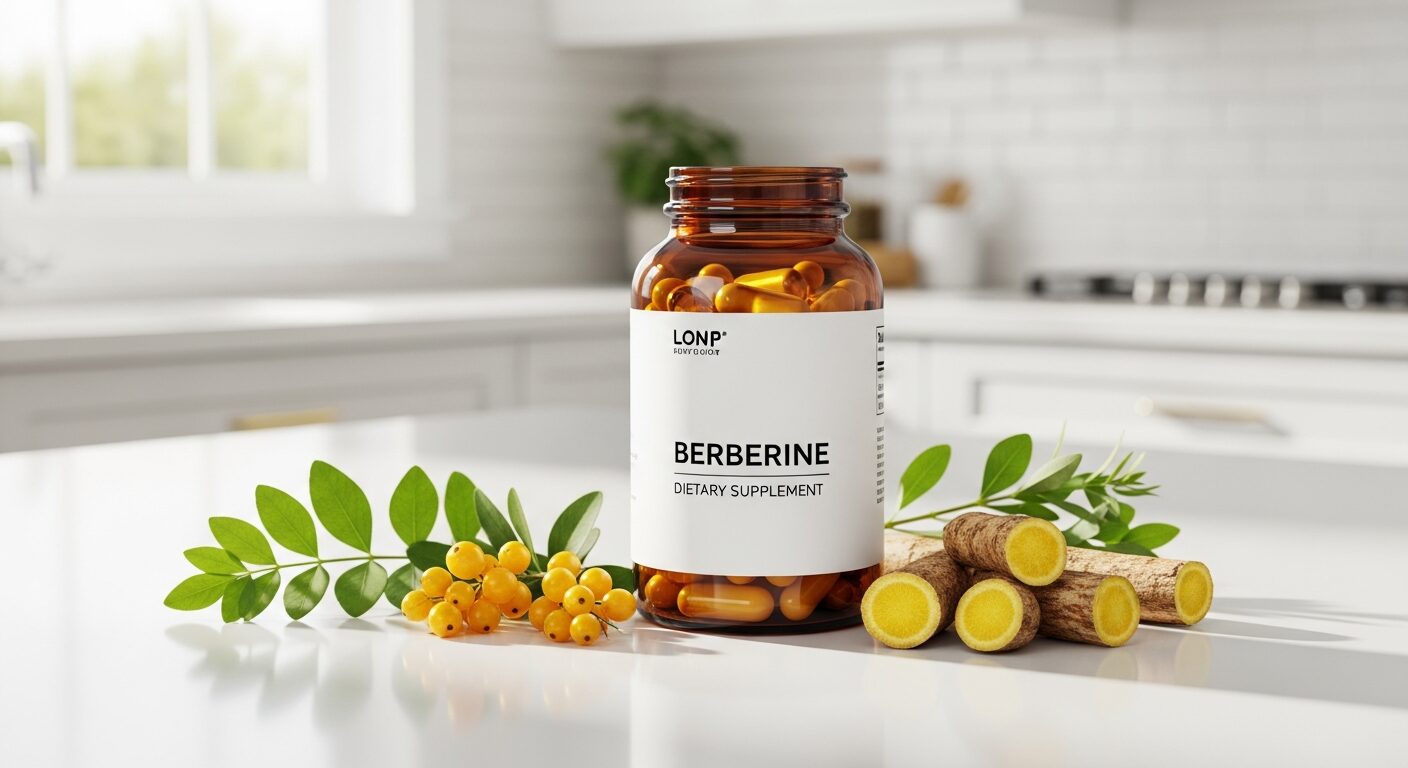
Berberine has emerged as one of the most scientifically studied natural compounds in recent years, earning recognition from researchers worldwide for its remarkable health benefits. This golden-yellow alkaloid, extracted from various plants including goldenseal, barberry, and Oregon grape, has been used in traditional medicine for thousands of years. However, only recently has modern science begun to uncover the mechanisms behind its powerful effects on human health.
What makes berberine particularly fascinating is its ability to activate AMPK (adenosine monophosphate-activated protein kinase), often called the body’s “metabolic master switch.” This cellular pathway regulates energy production, glucose metabolism, and fat burning – essentially acting as a biological thermostat for your metabolism. Unlike many natural supplements that show promise in test tubes but fail in human studies, berberine has demonstrated consistent, measurable benefits in numerous clinical trials.
From blood sugar regulation to cardiovascular health, berberine’s effects are so pronounced that some researchers compare its potency to prescription medications. But with great power comes the need for proper understanding – knowing how to use berberine safely, what to expect during supplementation, and who should avoid it entirely.
🌿 Looking for Berberine supplements? Shop Amazon →
Contents
What is Berberine
Berberine is a bioactive compound belonging to a class of alkaloids known as isoquinolines. It’s naturally found in the roots, rhizomes, and stem bark of several plant species, including Berberis vulgaris (barberry), Hydrastis canadensis (goldenseal), Coptis chinensis (Chinese goldthread), and Phellodendron amurense (Amur cork tree). The compound gives these plants their characteristic bright yellow color and serves as a natural defense mechanism against pathogens.
At the molecular level, berberine works by activating AMPK, an enzyme that plays a crucial role in cellular energy homeostasis. When AMPK is activated, it triggers a cascade of metabolic changes: glucose uptake increases, fatty acid oxidation ramps up, and protein synthesis that consumes energy gets dialed down. This makes berberine particularly effective for metabolic health conditions.
Unlike many plant compounds that are poorly absorbed, berberine has moderate bioavailability, though it’s rapidly metabolized by the liver. This means while it reaches therapeutic levels in the bloodstream, it requires multiple daily doses to maintain consistent effects. The compound has a half-life of approximately 4-6 hours, which explains why most effective protocols involve taking it 2-3 times daily with meals.
Key Benefits of Berberine
The scientific literature on berberine reveals several well-documented health benefits, backed by both animal studies and human clinical trials. The most robust evidence supports its use for metabolic health, cardiovascular function, and digestive wellness.
Blood Sugar and Diabetes Management: Multiple studies have shown berberine’s ability to lower blood glucose levels comparably to metformin, a first-line diabetes medication. Efficacy of berberine in patients with type 2 diabetes mellitus, 2008 demonstrated that berberine reduced HbA1c levels by 2% and fasting blood glucose by approximately 35 mg/dL in diabetic patients over three months.
Cholesterol and Lipid Profile: Berberine has demonstrated significant effects on lipid metabolism, reducing total cholesterol, LDL cholesterol, and triglycerides while potentially raising HDL cholesterol. These effects appear to work through multiple mechanisms, including inhibiting cholesterol synthesis and improving cholesterol clearance from the bloodstream.
Weight Management: Clinical trials have shown modest but consistent weight loss effects with berberine supplementation. The compound appears to influence body composition by reducing fat storage, improving insulin sensitivity, and potentially affecting hormones that regulate appetite and metabolism.
Cardiovascular Health: Beyond its effects on cholesterol, berberine may support heart health through improved endothelial function, reduced inflammation, and better blood pressure regulation. Some studies suggest it may help protect against atherosclerosis and improve overall cardiovascular risk factors.
Digestive Health: Berberine possesses antimicrobial properties and may help rebalance gut microbiota. Research indicates it can be effective against various bacterial overgrowths and may support healthy digestive function, though more research is needed to fully understand these effects.
What Most People Get Wrong About Berberine
Despite berberine’s growing popularity, several persistent misconceptions can lead to unrealistic expectations or improper use. Understanding these myths is crucial for anyone considering berberine supplementation.
Myth 1: Berberine Works Immediately Like a Pharmaceutical Drug
Many people expect berberine to produce dramatic changes within days, similar to prescription medications. In reality, berberine’s effects build gradually over weeks. While some individuals may notice initial changes in energy or digestion within the first week, the most significant metabolic benefits typically require 4-12 weeks of consistent use. This gradual onset occurs because berberine works by influencing cellular pathways and gene expression, processes that take time to produce measurable changes in biomarkers like blood sugar or cholesterol levels.
Myth 2: Higher Doses Always Produce Better Results
The “more is better” mentality doesn’t apply to berberine. Research shows that doses above 1,500mg daily don’t necessarily provide additional benefits and may increase the risk of gastrointestinal side effects. The optimal dose appears to be 900-1,500mg daily, divided into 2-3 doses taken with meals. Taking excessively high doses can overwhelm the body’s ability to absorb and utilize the compound effectively.
Myth 3: Berberine is Just as Effective as Metformin for Everyone
While studies have compared berberine’s glucose-lowering effects to metformin, this doesn’t mean they’re interchangeable for all individuals. Berberine’s effects can vary significantly based on factors like gut microbiome composition, genetic variations in drug metabolism, and individual insulin sensitivity. Some people may respond exceptionally well to berberine, while others may see minimal benefits. Additionally, metformin has decades of safety data and proven cardiovascular benefits that berberine, despite its promise, hasn’t yet matched in long-term studies.
Myth 4: All Berberine Supplements are the Same
Quality and bioavailability vary dramatically between berberine products. Standard berberine HCl has relatively poor absorption, leading some manufacturers to develop enhanced formulations with improved bioavailability. Factors like particle size, formulation additives, and manufacturing quality can significantly impact how much berberine actually reaches your bloodstream. Additionally, some products combine berberine with other compounds that may enhance or interfere with its effects.
What Happens to Your Body After 30 Days of Taking Berberine
Understanding berberine’s timeline of effects can help set realistic expectations and improve adherence to supplementation protocols. Based on clinical research and reported experiences, here’s what typically occurs during the first month.
Week 1: Initial Adaptation
During the first week, your body begins adapting to berberine’s presence. Many people experience mild gastrointestinal effects like stomach discomfort, diarrhea, or nausea, particularly if taking berberine on an empty stomach. These effects usually subside as your digestive system adjusts. Some individuals report subtle changes in energy levels or appetite, though these effects vary widely between people.
At the cellular level, berberine begins activating AMPK pathways, but measurable changes in blood biomarkers are unlikely at this stage. The key during week one is establishing a consistent routine and allowing your body to adjust to the supplement.
Week 2: Early Metabolic Shifts
By the second week, AMPK activation becomes more established, and early metabolic changes begin to manifest. Some people notice improved energy stability throughout the day, possibly due to better glucose regulation. Digestive side effects typically diminish significantly during this period as gut bacteria begin adapting to berberine’s antimicrobial effects.
Post-meal blood sugar spikes may start to moderate during this period, though these changes might not be noticeable without glucose monitoring. Some individuals report subtle improvements in sleep quality or reduced sugar cravings, likely related to improved glucose handling.
Week 3-4: Measurable Benefits Emerge
The third and fourth weeks typically bring the most noticeable changes. Metabolic effects of berberine in patients with polycystic ovary syndrome, 2014 showed significant improvements in insulin sensitivity and glucose metabolism after just four weeks of supplementation.
During this period, blood glucose levels often show measurable improvements, particularly fasting glucose and post-meal readings. Some people experience modest weight changes, typically 1-3 pounds, primarily due to improved insulin sensitivity and reduced water retention rather than dramatic fat loss.
Energy levels often stabilize and improve during weeks 3-4, with many reporting reduced afternoon energy crashes. Cardiovascular markers like blood pressure may begin showing subtle improvements, though significant changes in cholesterol typically require longer supplementation periods.
Who Should NOT Take Berberine
While berberine is generally well-tolerated, certain individuals should avoid it entirely or use it only under medical supervision. Understanding these contraindications is crucial for safe supplementation.
Pregnancy and Breastfeeding
Berberine should be completely avoided during pregnancy and breastfeeding. The compound can cross the placental barrier and has been associated with increased risk of neonatal jaundice and brain damage in newborns. There’s insufficient safety data regarding berberine’s effects on developing fetuses or nursing infants, making avoidance the safest approach.
Drug Interactions
Berberine significantly affects several drug-metabolizing enzymes, particularly CYP3A4 and CYP2D6, potentially altering the effectiveness of numerous medications. Critical interactions include blood thinners like warfarin, diabetes medications, blood pressure medications, and certain antibiotics. Berberine can enhance the effects of diabetes drugs, potentially causing dangerously low blood sugar levels.
The compound also affects P-glycoprotein, a protein that influences drug absorption and elimination, potentially increasing blood levels of medications like digoxin, cyclosporine, and certain statins. Anyone taking prescription medications should consult their healthcare provider before starting berberine.
Specific Medical Conditions
Individuals with severe liver or kidney disease should avoid berberine, as these organs are responsible for metabolizing and eliminating the compound. People with very low blood pressure should use caution, as berberine may further reduce blood pressure to dangerous levels.
Those with severe gastrointestinal conditions like inflammatory bowel disease or severe gastritis may find berberine exacerbates their symptoms due to its effects on gut bacteria and potential irritant properties.
When to Consult a Doctor
Medical consultation is essential if you’re taking any prescription medications, have diabetes or cardiovascular disease, or are considering berberine for managing any medical condition. Additionally, if you experience severe side effects like persistent diarrhea, significant blood pressure changes, or signs of liver dysfunction (yellowing skin, dark urine, persistent fatigue), discontinue use and seek medical attention immediately.
Dosage and Best Forms
Optimal berberine supplementation requires attention to dosage, timing, and formulation. Research-backed protocols typically involve 500mg taken two to three times daily with meals, for a total daily dose of 1,000-1,500mg. Taking berberine with food reduces gastrointestinal side effects and may improve absorption.
The timing of doses is crucial due to berberine’s relatively short half-life. Spreading doses throughout the day maintains more consistent blood levels and maximizes metabolic benefits. Most studies showing significant results used protocols with meals, typically breakfast, lunch, and dinner.
Several forms of berberine are available, each with different characteristics. Standard berberine hydrochloride (HCl) is the most researched and widely available form. Some manufacturers offer enhanced formulations designed to improve bioavailability, such as berberine phytosome or dihydroberberine, though these newer forms have less clinical research supporting their use.
Quality considerations include third-party testing for purity, standardization of berberine content, and manufacturing standards. Look for products that specify the exact amount of berberine per serving and avoid those with excessive fillers or artificial additives.
🌿 Looking for Berberine Supplements?
Browse top-rated Berberine supplements, independently tested and recommended by our editorial team.
Affiliate disclosure: We may earn a small commission at no extra cost to you.
Frequently Asked Questions
How long does it take for berberine to work?
Most people begin noticing subtle effects within 1-2 weeks, but significant metabolic benefits typically require 4-8 weeks of consistent use. Blood sugar improvements may be detectable within 2-4 weeks, while changes in cholesterol levels usually take 8-12 weeks. Individual responses vary based on baseline health status, diet, and genetic factors.
Can I take berberine with other supplements?
Berberine can generally be combined with most other supplements, though some combinations may be particularly beneficial. Berberine combined with red yeast rice for dyslipidemia, 2012 showed enhanced cholesterol-lowering effects when berberine was combined with red yeast rice. However, avoid combining berberine with other supplements that significantly lower blood sugar without medical supervision.
Should I take berberine on an empty stomach?
No, berberine should be taken with meals to reduce gastrointestinal side effects and potentially improve absorption. Taking it on an empty stomach increases the likelihood of nausea, stomach upset, and diarrhea without providing additional benefits.
Is berberine safe for long-term use?
While studies have used berberine safely for up to one year, long-term safety data beyond this timeframe is limited. Most researchers consider berberine safe for extended use in healthy individuals, but periodic monitoring of liver function and blood glucose levels is advisable for long-term users, especially those with pre-existing health conditions.
Will berberine interfere with my diabetes medication?
Berberine can enhance the blood sugar-lowering effects of diabetes medications, potentially causing hypoglycemia. If you’re taking diabetes medications, work with your healthcare provider to monitor blood glucose closely and potentially adjust medication dosages when starting berberine. Never discontinue or modify diabetes medications without medical supervision.
Medical Disclaimer
The information provided in this article is for educational purposes only and is not intended as a substitute for professional medical advice, diagnosis, or treatment. Always seek the advice of your physician or other qualified health provider with any questions you may have regarding a medical condition or before starting any new supplement regimen.
Individual results may vary, and the statements made about berberine have not been evaluated by the Food and Drug Administration. Berberine supplements are not intended to diagnose, treat, cure, or prevent any disease. If you are pregnant, nursing, taking medications, or have a medical condition, consult your healthcare provider before using berberine or any other dietary supplement.