
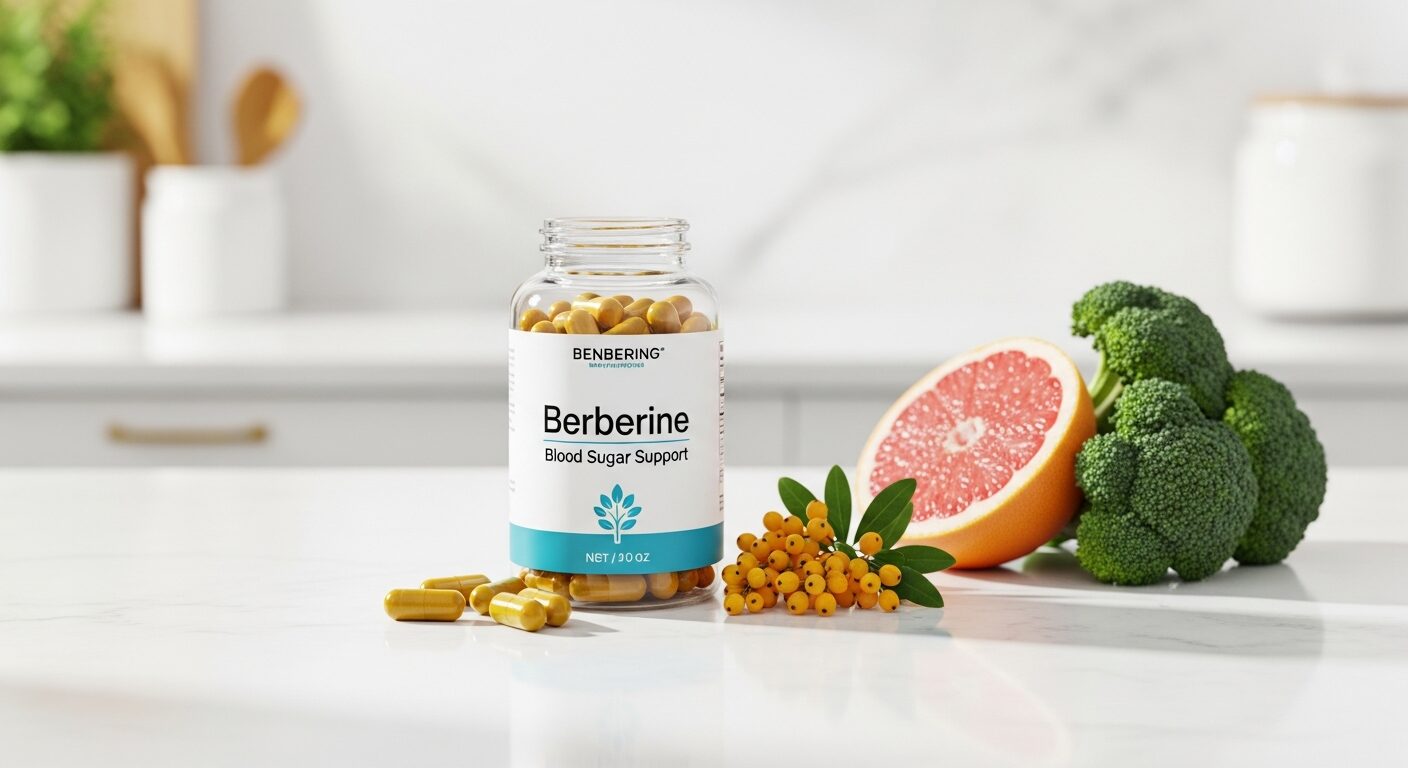
Blood sugar management has become one of the most pressing health concerns of our time, affecting millions worldwide. While conventional medications remain the gold standard, a growing body of research suggests that nature may offer powerful allies in this fight. Among these natural compounds, berberine stands out as perhaps the most promising and scientifically validated option available today.
Extracted from various plants including goldenseal, barberry, and Oregon grape, berberine has been used in traditional medicine for centuries. However, it’s only in recent decades that modern science has begun to uncover the remarkable mechanisms behind its blood sugar-regulating properties. What researchers have discovered is nothing short of extraordinary: this golden-yellow alkaloid appears to work through multiple pathways, offering benefits that rival some prescription medications.
The implications of this research extend far beyond simple blood sugar control. Studies suggest berberine may influence everything from cellular energy production to gut health, creating a cascade of positive effects throughout the body. For anyone seeking science-backed natural approaches to metabolic health, understanding berberine’s potential could be transformative.
🌿 Looking for Berberine supplements? Shop Amazon →
Contents
What is Berberine
Berberine is a bioactive alkaloid compound found naturally in several plant species, most notably in the roots, rhizomes, and bark of plants belonging to the Berberis genus. This bright yellow compound has been a cornerstone of traditional Chinese medicine and Ayurvedic practices for over 2,500 years, where it was primarily used to treat digestive issues and infections.
From a chemical standpoint, berberine belongs to a class of compounds called isoquinoline alkaloids. Its molecular structure allows it to interact with various cellular targets, making it what scientists call a “pleiotropic” compound—meaning it affects multiple biological pathways simultaneously. This unique characteristic explains why berberine can influence such diverse aspects of health, from glucose metabolism to cardiovascular function.
The most common sources of berberine include goldenseal (Hydrastis canadensis), Chinese goldthread (Coptis chinensis), Oregon grape (Mahonia aquifolium), barberry (Berberis vulgaris), and tree turmeric (Berberis aristata). Each source contains varying concentrations of berberine, with Chinese goldthread typically offering the highest levels. Modern extraction techniques allow supplement manufacturers to produce standardized berberine extracts, ensuring consistent potency and bioavailability.
What sets berberine apart from many other natural compounds is its ability to cross cellular membranes and directly influence intracellular processes. Once inside cells, berberine activates an enzyme called AMP-activated protein kinase (AMPK), often referred to as the body’s “metabolic master switch.” This activation triggers a cascade of metabolic changes that can profoundly impact blood sugar regulation, fat metabolism, and overall energy production.
Key Benefits of Berberine
The scientific literature surrounding berberine’s health benefits is both extensive and impressive, with blood sugar regulation leading the charge. Multiple clinical trials have demonstrated berberine’s ability to significantly reduce both fasting blood glucose and hemoglobin A1C levels, with some studies showing improvements comparable to metformin, a first-line diabetes medication.
Yin et al., 2008 conducted a landmark study involving 116 patients with type 2 diabetes, comparing berberine directly to metformin. The results were remarkable: berberine reduced hemoglobin A1C from 9.5% to 7.5%, while also improving fasting blood glucose, postprandial (after-meal) blood glucose, and insulin sensitivity. Perhaps most importantly, these improvements were achieved with fewer side effects than the conventional medication.
Beyond blood sugar control, berberine demonstrates significant cardiovascular benefits. Research indicates it can help lower total cholesterol, reduce LDL (bad) cholesterol levels, and decrease triglycerides while potentially raising HDL (good) cholesterol. These lipid-balancing effects occur through berberine’s influence on liver metabolism and its ability to inhibit cholesterol synthesis pathways.
Weight management represents another area where berberine shines. Clinical studies have shown that berberine supplementation can lead to meaningful weight loss, typically ranging from 3-5 pounds over 12 weeks, along with reductions in body mass index and waist circumference. This weight loss appears to result from improved insulin sensitivity, enhanced fat oxidation, and modifications to gut bacteria composition.
The compound also exhibits impressive anti-inflammatory properties, helping to reduce markers of systemic inflammation such as C-reactive protein and interleukin-6. This anti-inflammatory action may contribute to its metabolic benefits and could explain berberine’s protective effects against various chronic diseases. Additionally, emerging research suggests berberine may support liver health, improve cognitive function, and even possess anti-aging properties through its effects on cellular energy metabolism.
What Most People Get Wrong About Berberine
Despite the growing popularity of berberine supplements, several persistent misconceptions continue to circulate, potentially limiting its effectiveness or creating unrealistic expectations. Understanding these myths is crucial for anyone considering berberine supplementation.
Perhaps the most common misconception is that berberine works immediately, similar to prescription medications. Many people expect to see dramatic blood sugar improvements within days or even hours of their first dose. In reality, berberine’s effects are more gradual and cumulative. While some cellular changes begin almost immediately after ingestion, meaningful clinical improvements in blood sugar levels typically require 2-4 weeks of consistent supplementation. This delayed onset occurs because berberine works by gradually improving insulin sensitivity and cellular metabolism rather than providing acute glucose-lowering effects.
Another widespread myth suggests that berberine is simply a “natural metformin” with identical mechanisms of action. While both compounds activate AMPK and improve glucose metabolism, their pathways and effects differ significantly. Berberine influences gut bacteria composition, affects lipid metabolism more broadly, and has anti-inflammatory properties that metformin lacks. Conversely, metformin has stronger effects on hepatic glucose production. This distinction matters because it means berberine may offer unique benefits that metformin cannot provide, but it also explains why switching from one to the other might produce different results.
A particularly dangerous misconception is that “natural” automatically means “safe for everyone.” Some individuals believe berberine can be taken without regard to other medications or health conditions. However, berberine can interact significantly with various prescription drugs, particularly those metabolized by liver enzymes. It can enhance the effects of blood sugar-lowering medications, potentially causing hypoglycemia, and may interact with blood thinners, antibiotics, and heart medications. Additionally, berberine can inhibit certain cytochrome P450 enzymes, affecting how other medications are processed by the body.
Finally, many people assume that higher doses always produce better results. This “more is better” mentality can actually backfire with berberine. Due to its poor bioavailability, taking large single doses often leads to gastrointestinal side effects without proportional increases in benefits. Research consistently shows that divided doses of 500mg taken 2-3 times daily are more effective than single large doses, as they maintain more stable blood levels while minimizing digestive discomfort.
What Happens to Your Body After 30 Days of Taking Berberine
The timeline of berberine’s effects in the human body follows a predictable pattern, with different benefits emerging at various stages. Understanding this progression can help set realistic expectations and optimize supplementation strategies.
Week 1: Cellular Foundation
During the first week of berberine supplementation, the most significant changes occur at the cellular level, often before any noticeable symptoms appear. Within hours of the first dose, berberine begins activating AMPK in various tissues, particularly in muscle, liver, and fat cells. This activation initiates a shift in cellular energy metabolism, promoting glucose uptake by muscle cells and beginning to improve insulin sensitivity. Many users report mild digestive effects during this initial period, including slight nausea or loose stools, as the compound begins altering gut bacteria composition. These effects typically diminish as the body adapts.
Week 2: Metabolic Momentum
By the second week, the cumulative effects of daily berberine supplementation become more apparent. Users often notice the first measurable improvements in post-meal blood sugar levels, with glucose spikes becoming less pronounced after carbohydrate-rich meals. Energy levels may begin to stabilize as cellular glucose utilization improves. The gut microbiome continues to shift, with beneficial bacteria populations increasing while potentially harmful species decrease. Some individuals report improved digestion and reduced bloating during this phase. Blood pressure may also begin to show modest improvements as vascular function enhances.
Week 3-4: Full Therapeutic Benefits
The final weeks of the first month typically reveal berberine’s full therapeutic potential. Zhang et al., 2011 demonstrated that most participants in their study achieved maximum glucose-lowering effects by week 3-4 of consistent supplementation. Fasting blood glucose levels often show their most significant improvements during this period, with reductions of 20-30% not uncommon in individuals with elevated starting levels. Weight loss may become noticeable, typically ranging from 2-4 pounds, accompanied by slight reductions in waist circumference. Lipid profiles often improve, with decreases in total cholesterol and triglycerides becoming measurable. Many users report enhanced mental clarity and sustained energy levels throughout the day.
The anti-inflammatory effects of berberine also reach their peak during this timeframe, with studies showing significant reductions in inflammatory markers like C-reactive protein. Sleep quality may improve as blood sugar fluctuations stabilize, leading to fewer nighttime awakenings and more restful sleep. Some individuals notice improved exercise tolerance and faster recovery times, likely due to enhanced muscle glucose uptake and improved mitochondrial function.
Who Should NOT Take Berberine
While berberine offers impressive health benefits for many individuals, certain groups should exercise extreme caution or avoid supplementation entirely. Understanding these contraindications is essential for safe and effective use.
Pregnant and breastfeeding women should avoid berberine supplements completely. Berberine can cross the placental barrier and has been associated with increased risk of brain damage in newborns due to its potential to cause kernicterus, a type of brain damage caused by high levels of bilirubin. Additionally, berberine can pass into breast milk and may harm nursing infants. No amount of berberine is considered safe during pregnancy or lactation.
Individuals taking diabetes medications require careful medical supervision before starting berberine. The compound can significantly enhance the glucose-lowering effects of insulin, sulfonylureas, and other antidiabetic drugs, potentially causing dangerous hypoglycemia. This interaction is particularly concerning because berberine’s effects can persist for several hours, making blood sugar management unpredictable. Anyone on diabetes medications should work closely with their healthcare provider to adjust dosages appropriately and monitor blood glucose levels closely during the initial supplementation period.
Those taking blood-thinning medications such as warfarin, heparin, or even aspirin should use berberine with extreme caution. Berberine can enhance anticoagulant effects, increasing the risk of bleeding complications. Similarly, individuals scheduled for surgery should discontinue berberine at least two weeks beforehand to prevent excessive bleeding during and after procedures.
People with severe liver or kidney disease should avoid berberine supplementation. While berberine can support liver health in healthy individuals, those with compromised liver function may not properly metabolize the compound, leading to accumulation and potential toxicity. Similarly, individuals with severe kidney disease may experience altered berberine clearance, affecting both safety and efficacy.
Children and adolescents should not take berberine supplements without explicit medical supervision. Limited safety data exists for these age groups, and the developing metabolic systems of young people may respond unpredictably to berberine’s effects on glucose and lipid metabolism.
Finally, individuals with a history of low blood pressure should monitor their blood pressure closely when starting berberine, as the supplement can cause modest reductions in blood pressure that might be problematic for those already experiencing hypotension.
Dosage and Best Forms
Optimal berberine supplementation requires attention to both dosage timing and formulation quality. The most extensively studied and effective dosing protocol involves 500mg of berberine taken 2-3 times daily, preferably 30 minutes before meals. This divided dosing approach maximizes absorption while minimizing gastrointestinal side effects that commonly occur with larger single doses.
The timing of berberine intake is crucial for optimal effectiveness. Taking berberine before meals allows the compound to be present in the bloodstream when post-meal glucose elevation occurs, enhancing its glucose-regulating effects. The 30-minute pre-meal timing also helps reduce the digestive side effects that some individuals experience when taking berberine on an empty stomach.
When selecting a berberine supplement, standardization is paramount. Look for products that clearly state the berberine content, ideally standardized to 97-98% pure berberine HCl (hydrochloride). This form has been used in most clinical studies and demonstrates superior stability and bioavailability compared to other berberine salts. Avoid products that list only “berberine-containing plant extracts” without specifying the actual berberine content, as these formulations provide inconsistent and often inadequate dosing.
Some manufacturers now offer enhanced absorption formulations that combine berberine with compounds like piperine (from black pepper) or phosphatidylcholine to improve bioavailability. Liu et al., 2016 demonstrated that certain absorption-enhancing formulations can increase berberine bioavailability by up to 40%, potentially allowing for lower effective doses while maintaining therapeutic benefits.
Third-party testing for purity and potency represents another crucial consideration. Reputable manufacturers provide certificates of analysis confirming the absence of heavy metals, pesticides, and microbial contamination while verifying the stated berberine content. Given berberine’s bright yellow color, authentic supplements should have a distinct golden hue, and capsules containing pure berberine powder may temporarily stain fingers yellow when handled.
For individuals who experience persistent digestive side effects with standard berberine, starting with a lower dose of 250mg twice daily and gradually increasing over 1-2 weeks can improve tolerance. Some people also find that taking berberine with a small amount of food, rather than on an empty stomach, reduces nausea and stomach upset without significantly compromising absorption.
🌿 Looking for Berberine Supplements?
Browse top-rated Berberine supplements, independently tested and recommended by our editorial team.
Affiliate disclosure: We may earn a small commission at no extra cost to you.
Frequently Asked Questions
How long does it take for berberine to work?
Most people begin experiencing berberine’s blood sugar-regulating effects within 2-4 weeks of consistent supplementation. However, some cellular changes begin within hours of the first dose, and modest improvements in post-meal glucose levels may be noticeable within 7-10 days. Maximum therapeutic benefits typically emerge after 4-8 weeks of regular use. The timeline can vary based on individual factors including baseline glucose levels, diet, exercise habits, and overall metabolic health.
Can I take berberine with other supplements?
Berberine can generally be safely combined with most vitamins and minerals, but certain combinations require caution. It pairs well with chromium, alpha-lipoic acid, and cinnamon extract for enhanced glucose management. However, avoid combining berberine with other supplements that significantly lower blood sugar unless under medical supervision. Additionally, berberine may affect the absorption of fat-soluble vitamins, so consider spacing doses by at least 2 hours if taking vitamin A, D, E, or K supplements.
Is berberine safe for long-term use?
Current research suggests berberine is safe for long-term use in healthy adults when taken at recommended doses. Studies lasting up to one year have shown continued benefits without serious adverse effects. However, long-term safety data beyond one year remains limited. Most experts recommend periodic breaks from supplementation or regular monitoring with healthcare providers for extended use, particularly for individuals with underlying health conditions or those taking multiple medications.
What are the most common side effects of berberine?
The most frequently reported side effects are gastrointestinal, including nausea, diarrhea, stomach upset, and cramping. These effects typically occur during the first 1-2 weeks of supplementation and often resolve as the body adapts. Taking berberine with food and using divided doses rather than single large doses can minimize these effects. Less common side effects include headache, dizziness, and skin rash. Serious side effects are rare when berberine is used appropriately.
Can berberine replace diabetes medication?
Berberine should never be used as a replacement for prescribed diabetes medications without explicit medical supervision and approval. While research shows berberine can be as effective as some medications for blood sugar control, diabetes management requires careful medical oversight. Some individuals may be able to reduce their medication doses under medical supervision when adding berberine, but this decision must always involve their healthcare provider. Suddenly stopping diabetes medications can lead to dangerous blood sugar elevations and serious complications.
Medical Disclaimer
The information provided in this article is for educational purposes only and is not intended to replace professional medical advice, diagnosis, or treatment. Always consult with a qualified healthcare provider before starting any new supplement regimen, especially if you have existing medical conditions, take prescription medications, or are pregnant or breastfeeding. Individual responses to supplements can vary significantly, and what works for one person may not be appropriate for another.
While the research on berberine is promising and extensive, supplement regulations vary by country, and not all berberine products are created equal. The statements made regarding berberine have not been evaluated by the Food and Drug Administration, and berberine supplements are not intended to diagnose, treat, cure, or prevent any disease. If you experience any adverse effects while taking berberine, discontinue use immediately and consult your healthcare provider.