
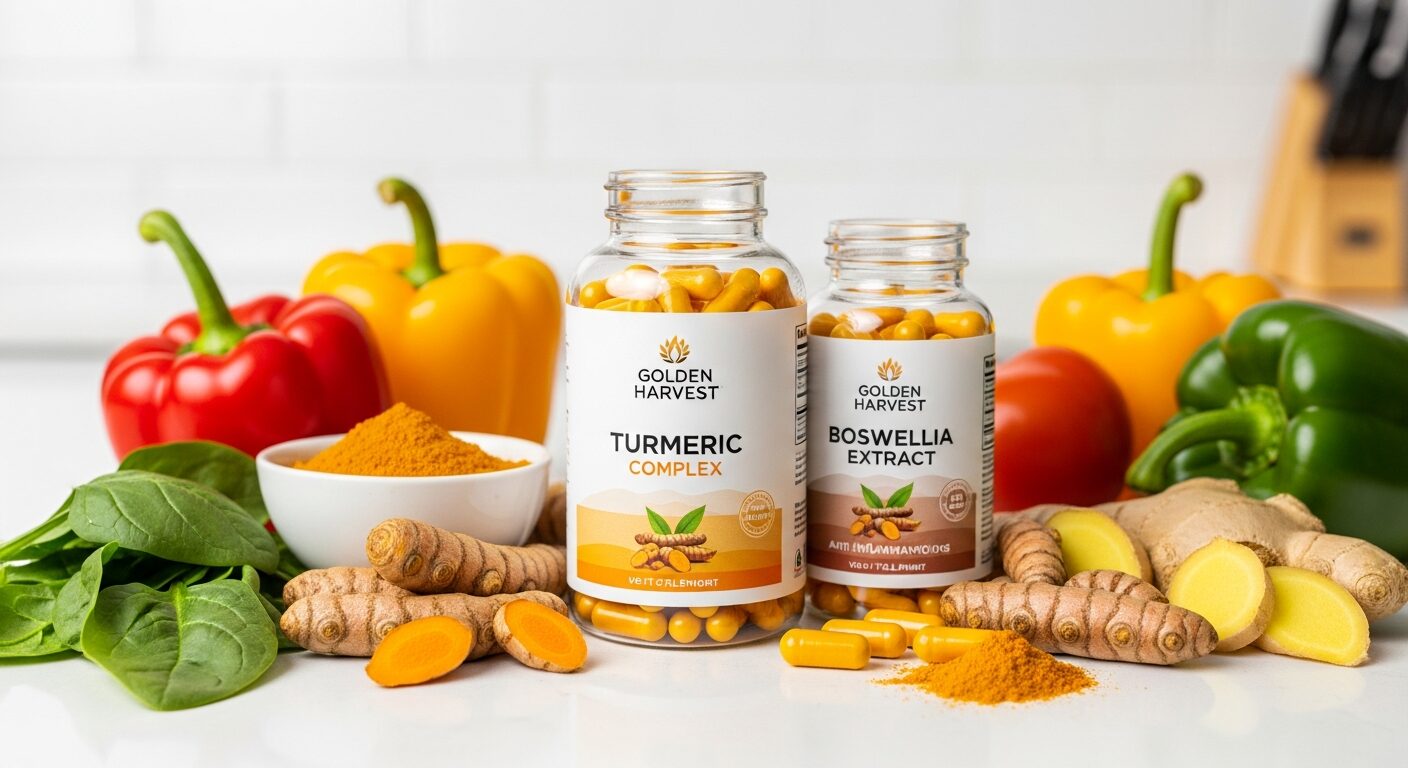
When it comes to natural anti-inflammatory compounds, few ingredients spark as much debate among health enthusiasts as turmeric and boswellia. Both have been used for thousands of years in traditional medicine systems, yet modern science is only beginning to unravel their true potential. While social media influencers and supplement marketing teams often present these compounds as miracle cures, the reality is far more nuanced and fascinating.
The inflammation battle isn’t just about choosing sides – it’s about understanding how these powerful botanicals work in your body, when they’re most effective, and perhaps most importantly, what happens when you actually commit to taking them consistently. Recent clinical research has revealed surprising insights about turmeric that challenge many popular assumptions, while also uncovering potential risks that most people never consider.
This comprehensive analysis will cut through the marketing hype and examine the real science behind turmeric’s anti-inflammatory properties, helping you make an informed decision about whether this golden spice deserves a place in your wellness routine.
🌿 Looking for Turmeric supplements? Shop Amazon →
Contents
What is Turmeric
Turmeric (Curcuma longa) is a flowering plant belonging to the ginger family, native to Southeast Asia. The active compounds responsible for turmeric’s therapeutic effects are called curcuminoids, with curcumin being the most studied and abundant. This bright yellow-orange compound typically comprises 2-8% of most turmeric preparations, though standardized extracts can contain up to 95% curcumin.
The spice has been a cornerstone of Ayurvedic and Traditional Chinese Medicine for over 4,000 years, traditionally used to treat digestive issues, wounds, arthritis, and liver problems. Modern extraction techniques have allowed researchers to isolate and concentrate curcumin, leading to the development of standardized supplements that deliver therapeutic doses far beyond what’s possible through dietary consumption alone.
What makes turmeric particularly interesting from a scientific standpoint is its pleiotropic nature – meaning it affects multiple biological pathways simultaneously. Unlike pharmaceutical drugs that typically target a single mechanism, curcumin modulates various inflammatory mediators, antioxidant enzymes, and cellular signaling pathways, creating a complex web of therapeutic effects throughout the body.
Key Benefits of Turmeric
Clinical research has identified several well-documented benefits of turmeric supplementation, particularly in the realm of inflammation management. The most robust evidence supports its use for joint health, with multiple randomized controlled trials demonstrating significant improvements in arthritis symptoms. A systematic review published in 2014 found that curcumin supplementation provided pain relief comparable to non-steroidal anti-inflammatory drugs (NSAIDs) in osteoarthritis patients, but with fewer gastrointestinal side effects.
Beyond joint health, turmeric shows promise for cardiovascular support through multiple mechanisms. Studies indicate that curcumin can help reduce inflammatory markers like C-reactive protein (CRP) and interleukin-6, both associated with increased heart disease risk. Additionally, research suggests turmeric may help improve endothelial function – the ability of blood vessels to dilate properly – which is crucial for healthy circulation.
Emerging research also points to potential cognitive benefits, particularly in age-related mental decline. The anti-inflammatory and antioxidant properties of curcumin may help protect brain cells from oxidative stress and reduce neuroinflammation, though more human studies are needed to confirm these effects. Some preliminary research suggests regular turmeric consumption might support working memory and attention in healthy older adults.
What Most People Get Wrong About Turmeric
Myth 1: All turmeric supplements are created equal. This is perhaps the most dangerous misconception. Many people assume that grabbing any turmeric supplement off the shelf will provide therapeutic benefits, but the reality is starkly different. Standard turmeric powder contains only 2-8% curcumin, and raw curcumin has notoriously poor bioavailability – meaning your body absorbs and utilizes very little of what you consume. Without proper formulation techniques like piperine enhancement, liposomal delivery, or specialized curcumin forms like Theracurmin or Meriva, you might be getting minimal therapeutic benefit despite taking large doses.
Myth 2: More curcumin always means better results. Contrary to popular belief, mega-dosing curcumin doesn’t necessarily translate to better outcomes. Research shows that enhanced bioavailability formulations can achieve therapeutic blood levels with much smaller doses than standard extracts. Some studies have found that 180mg of a highly bioavailable curcumin form produces better results than 1,500mg of standard curcumin. This matters because higher doses increase the risk of side effects and drug interactions without necessarily providing additional benefits.
Myth 3: Turmeric is completely safe because it’s natural. While generally well-tolerated, turmeric can cause significant problems for certain individuals. It acts as a blood thinner, potentially dangerous for people on anticoagulant medications. High doses can also increase oxalate levels, contributing to kidney stone formation in susceptible individuals. Additionally, turmeric can increase the bioavailability of certain medications, potentially leading to toxic levels of drugs that were previously well-tolerated.
Myth 4: You’ll feel the effects immediately. Unlike pain medications that work within hours, turmeric’s anti-inflammatory effects build gradually over time. Many people discontinue supplementation after a few days or weeks, assuming it’s not working. Clinical trials typically show the most significant benefits after 8-12 weeks of consistent use, as the compound needs time to modulate inflammatory pathways and accumulate in tissues.
What Happens to Your Body After 30 Days of Taking Turmeric
Week 1: Cellular Adaptation During the first week, curcumin begins accumulating in your system and starts modulating key inflammatory pathways. At the cellular level, it begins inhibiting nuclear factor-kappa B (NF-κB), a master regulator of inflammation. You likely won’t notice any dramatic changes yet, but sensitive individuals might experience mild digestive adjustments as their system adapts to the supplement. Some people report feeling slightly more energetic, though this could be placebo effect during the early stages.
Week 2: Inflammatory Marker Changes By the second week, blood markers of inflammation may begin to shift. Research published in 2006 shows that C-reactive protein levels can start declining within 10-14 days of consistent curcumin supplementation. People with chronic joint discomfort might begin noticing subtle improvements in morning stiffness or mobility, though these changes are often so gradual they’re barely perceptible initially.
Week 3-4: Noticeable Benefits Emerge The third and fourth weeks are when most people begin experiencing tangible benefits. Joint comfort typically improves, with many users reporting less stiffness and better range of motion. Digestive health may also improve, as curcumin supports healthy gut bacteria and reduces intestinal inflammation. Some individuals notice improvements in skin appearance, potentially due to reduced systemic inflammation. Sleep quality might also improve, as lower inflammation levels can positively impact sleep architecture.
Beyond 30 Days: Cumulative Effects While 30 days marks the beginning of noticeable benefits, research suggests that turmeric’s full therapeutic potential emerges after 2-3 months of consistent use. Long-term users often report sustained improvements in joint comfort, better recovery from exercise, and an overall sense of well-being that they attribute to reduced chronic inflammation.
Who Should NOT Take Turmeric
Blood Clotting Disorders and Anticoagulant Users: Turmeric significantly increases bleeding risk and should be avoided by anyone taking warfarin, heparin, or other blood-thinning medications. Even over-the-counter medications like aspirin can become problematic when combined with therapeutic doses of turmeric. People with bleeding disorders such as hemophilia should also exercise extreme caution.
Gallbladder Disease: Turmeric can stimulate bile production and cause gallbladder contractions, potentially triggering gallbladder attacks in people with gallstones or bile duct obstruction. Anyone with a history of gallbladder problems should consult their healthcare provider before beginning supplementation.
Kidney Stone History: High-dose turmeric supplements can increase urinary oxalate levels, contributing to calcium oxalate kidney stone formation. People with a personal or family history of kidney stones should either avoid turmeric supplements or work closely with a healthcare provider to monitor their risk.
Pregnancy and Breastfeeding: While culinary amounts of turmeric are generally safe, therapeutic doses haven’t been adequately studied in pregnant or breastfeeding women. High doses might stimulate uterine contractions or affect hormone levels, making supplementation inadvisable during pregnancy.
Upcoming Surgery: Due to its blood-thinning properties, turmeric supplementation should be discontinued at least two weeks before any scheduled surgery to prevent excessive bleeding complications. This includes dental procedures and minor outpatient surgeries.
Iron Deficiency: Turmeric can bind to iron and reduce its absorption, potentially exacerbating existing iron deficiency anemia. People with low iron levels should separate turmeric supplements from iron-rich meals and iron supplements by at least two hours.
Dosage and Best Forms
Effective turmeric supplementation requires careful attention to both dosage and formulation. For general inflammatory support, research supports doses ranging from 500-1000mg of curcuminoids daily, though this varies significantly based on the specific formulation used. Standard curcumin extracts (95% curcuminoids) typically require higher doses due to poor bioavailability, while enhanced formulations can achieve therapeutic effects with lower amounts.
The most effective forms include curcumin with piperine (black pepper extract), which can increase absorption by up to 2000%. Liposomal curcumin preparations encapsulate the compound in fat molecules, improving cellular uptake. Specialized forms like Theracurmin, Meriva (curcumin phytosome), or BCM-95 have demonstrated superior bioavailability in clinical studies.
Timing matters significantly for optimal absorption. Curcumin is fat-soluble, so taking it with meals containing healthy fats improves absorption. Many practitioners recommend splitting the daily dose into 2-3 smaller servings rather than taking one large dose, as this maintains more consistent blood levels throughout the day.
Quality considerations are crucial when selecting a turmeric supplement. Look for products that provide third-party testing results, specify the exact curcuminoid content, and use standardized extraction methods. Organic certification can help ensure the absence of pesticide residues, which is particularly important for turmeric sourced from regions with less stringent agricultural regulations.
🌿 Looking for Turmeric Supplements?
Browse top-rated Turmeric supplements, independently tested and recommended by our editorial team.
Affiliate disclosure: We may earn a small commission at no extra cost to you.
Frequently Asked Questions
Can I take turmeric with other supplements?
Generally yes, but some combinations require caution. Turmeric pairs well with omega-3 fatty acids and vitamin D for enhanced anti-inflammatory effects. However, avoid combining with other blood-thinning supplements like ginkgo or garlic unless supervised by a healthcare provider. Always separate turmeric from iron supplements by at least two hours to prevent absorption interference.
How long does it take to see results from turmeric?
Most people begin noticing subtle improvements within 2-4 weeks, with more significant benefits emerging after 8-12 weeks of consistent use. Joint comfort improvements typically appear first, followed by other inflammatory markers. Some individuals may require up to 3 months to experience full therapeutic benefits.
Is it better to take turmeric supplements or use the spice in cooking?
For therapeutic anti-inflammatory effects, supplements are necessary as culinary amounts provide insufficient curcumin concentrations. However, incorporating turmeric spice into your diet provides additional compounds and supports overall health. The two approaches complement each other rather than competing.
Can turmeric cause stomach upset?
Some people experience mild digestive symptoms, especially when starting supplementation or taking high doses on an empty stomach. Research from 2016 suggests that taking curcumin with food significantly reduces the risk of gastrointestinal side effects while improving absorption.
Should I cycle turmeric supplementation or take it continuously?
Most research supports continuous daily use rather than cycling for chronic inflammatory conditions. However, some practitioners recommend periodic breaks every few months to assess ongoing need and prevent potential tolerance development. Discuss the best approach with your healthcare provider based on your specific health goals.
Medical Disclaimer
This article is for informational purposes only and does not constitute medical advice. The information presented here should not be used to diagnose, treat, cure, or prevent any disease or health condition. Always consult with a qualified healthcare provider before starting any new supplement regimen, especially if you have existing health conditions, take medications, or are pregnant or breastfeeding. Individual results may vary, and the FDA has not evaluated the statements made regarding dietary supplements. Never discontinue prescribed medications or treatments without consulting your healthcare provider first.