
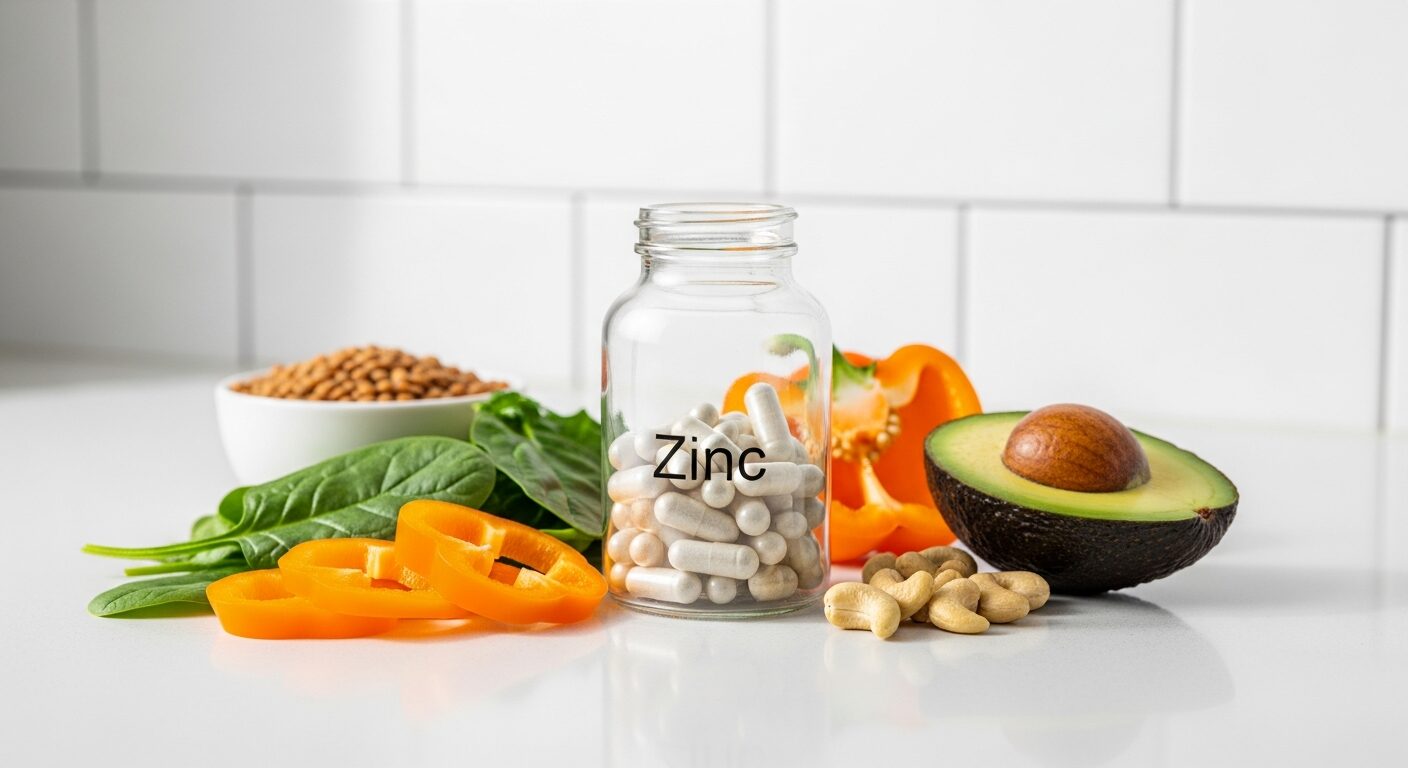
Zinc is an essential trace mineral that plays a crucial role in supporting immune system function, yet many people don’t get enough of this vital nutrient from their diet alone. As one of the most abundant trace elements in the human body, zinc is involved in over 300 enzymatic reactions and serves as a cofactor for numerous biological processes that keep our immune defenses strong and responsive.
Unlike some nutrients that our bodies can produce or store in large quantities, zinc must be obtained regularly through food or supplements since the body has limited storage capacity. This makes understanding zinc’s role in immune health particularly important for maintaining optimal wellness year-round.
Contents
The Science Behind Zinc and Immune Function
Research has consistently demonstrated zinc’s fundamental importance in immune system regulation. This mineral influences both innate and adaptive immunity through multiple pathways, making it one of the most studied micronutrients in immunology research.
Cellular Immune Response
At the cellular level, zinc acts as a signaling molecule that helps coordinate immune responses. It’s essential for the proper development and function of immune cells, including neutrophils, natural killer cells, and T-lymphocytes. When zinc levels are adequate, these cells can respond more effectively to threats like bacteria, viruses, and other pathogens.
Zinc also plays a critical role in maintaining the integrity of physical barriers that prevent pathogens from entering the body. The skin and mucous membranes rely on zinc for proper structure and function, serving as the body’s first line of defense against infection.
Antioxidant Properties
Beyond its direct immune functions, zinc serves as a powerful antioxidant that helps protect cells from oxidative stress. This protection is particularly important for immune cells, which generate reactive oxygen species during their normal function but can be damaged by excessive oxidative stress.
The mineral also supports the activity of antioxidant enzymes like superoxide dismutase, creating a comprehensive protective network that keeps immune cells functioning optimally even during periods of increased activity.
Clinical Evidence for Zinc’s Immune Benefits
Multiple clinical studies have examined zinc’s effects on immune function, with particularly strong evidence emerging in several key areas.
Common Cold Duration and Severity
One of the most well-documented benefits of zinc supplementation is its ability to reduce the duration and severity of common cold symptoms. Cochrane systematic review, 2013 analyzed multiple randomized controlled trials and found that zinc supplementation, when started within 24 hours of symptom onset, significantly reduced cold duration by approximately one day.
The mechanism behind this benefit appears to involve zinc’s ability to inhibit viral replication and reduce inflammation in the respiratory tract. However, the timing of supplementation is crucial – zinc appears most effective when taken at the first signs of illness rather than as a long-term preventive measure for colds.
Respiratory Tract Infections
Research has also shown promising results for zinc in preventing and treating respiratory tract infections beyond the common cold. Studies indicate that adequate zinc status may reduce the incidence of pneumonia and other serious respiratory infections, particularly in populations at higher risk such as elderly individuals and children.
Wound Healing and Recovery
The immune system’s role in wound healing is well-established, and zinc’s contribution to this process demonstrates another aspect of its immune-supporting properties. Clinical studies, 2017 have shown that zinc supplementation can accelerate wound healing in individuals with zinc deficiency, highlighting the mineral’s importance in tissue repair and regeneration.
Zinc Deficiency and Immune Consequences
Zinc deficiency is more common than many people realize, affecting an estimated 2 billion people worldwide according to World Health Organization data. Even mild deficiency can have significant impacts on immune function.
Signs of Zinc Deficiency
Common signs that may indicate zinc deficiency include frequent infections, slow wound healing, hair loss, changes in taste or smell, and skin problems. However, these symptoms can be subtle and easily attributed to other causes, making zinc deficiency often overlooked.
Certain populations are at higher risk for zinc deficiency, including vegetarians and vegans (due to lower bioavailability from plant sources), pregnant and breastfeeding women, elderly individuals, and people with digestive disorders that affect nutrient absorption.
Impact on Immune Function
When zinc levels are insufficient, the immune system cannot function optimally. Research shows that zinc-deficient individuals experience increased susceptibility to infections, delayed wound healing, and impaired vaccine responses. Studies demonstrate, 2007 that even marginal zinc deficiency can compromise immune cell development and function.
Optimal Zinc Intake for Immune Support
The recommended daily allowance (RDA) for zinc varies by age, sex, and life stage. For adults, the RDA is 11 mg for men and 8 mg for women, with increased needs during pregnancy and breastfeeding.
Food Sources vs. Supplements
While zinc can be obtained from food sources like oysters, red meat, poultry, beans, nuts, and whole grains, the bioavailability varies significantly. Animal sources provide zinc in more readily absorbable forms compared to plant sources, which contain compounds that can inhibit zinc absorption.
For individuals who may not meet their zinc needs through diet alone, supplements can be an effective option. However, it’s important to choose the right form and dosage, as excessive zinc intake can interfere with copper absorption and potentially suppress immune function.
Timing and Dosage Considerations
For immune support, research suggests that maintaining consistent zinc levels is more important than mega-dosing during illness, though short-term higher doses may be beneficial at the onset of cold symptoms. Most studies showing immune benefits have used doses ranging from 8-15 mg daily for maintenance, with higher therapeutic doses of 75-150 mg used for short periods during acute illness.
Safety and Interactions
While zinc is generally safe when used appropriately, excessive intake can cause side effects and interfere with other nutrients. The upper limit for zinc intake is set at 40 mg daily for adults, though some therapeutic protocols may exceed this under professional guidance.
Common side effects of excessive zinc intake include nausea, vomiting, loss of appetite, and stomach cramps. Long-term excessive intake can lead to copper deficiency and may actually impair immune function – the opposite of the intended effect.
Zinc can also interact with certain medications, including antibiotics and diuretics, so it’s important to consult with a healthcare provider before starting supplementation, especially if you’re taking other medications.
🌿 Looking for Zinc Supplements?
Browse top-rated Zinc supplements, independently tested and recommended by our editorial team.
Affiliate disclosure: We may earn a small commission at no extra cost to you.
Frequently Asked Questions
How long does it take for zinc supplementation to improve immune function?
Individual responses vary, but studies suggest that immune improvements may be noticeable within 2-4 weeks of consistent supplementation in deficient individuals. For acute illness support, benefits may be seen within 24-48 hours when zinc is taken at symptom onset.
Can I take zinc on an empty stomach?
While zinc can be taken on an empty stomach for better absorption, this may cause nausea in some people. Taking zinc with food can reduce stomach upset but may slightly decrease absorption. If you experience nausea, try taking zinc with a small meal.
Is it better to get zinc from food or supplements?
Both sources can be effective. Food sources provide zinc along with other beneficial nutrients, but supplements ensure consistent dosing and may be necessary for individuals with higher needs or absorption issues. A combination approach often works well.
While zinc supports overall immune function, there’s no evidence that it can prevent specific viral infections like COVID-19. However, maintaining adequate zinc levels may help support your body’s natural immune responses to various pathogens.
Who should avoid zinc supplements?
People taking certain medications (like tetracycline antibiotics), those with Wilson’s disease, or individuals already consuming high amounts of zinc from other sources should consult a healthcare provider before supplementing. Pregnant and breastfeeding women should not exceed recommended doses without medical supervision.
Medical Disclaimer
This article is for informational purposes only and is not intended to diagnose, treat, cure, or prevent any disease. The information provided should not be considered as medical advice or a substitute for professional healthcare consultation. Always consult with a qualified healthcare provider before starting any new supplement regimen, especially if you have existing health conditions, are pregnant or breastfeeding, or are taking medications. Individual responses to supplements may vary, and what works for one person may not be appropriate for another.