
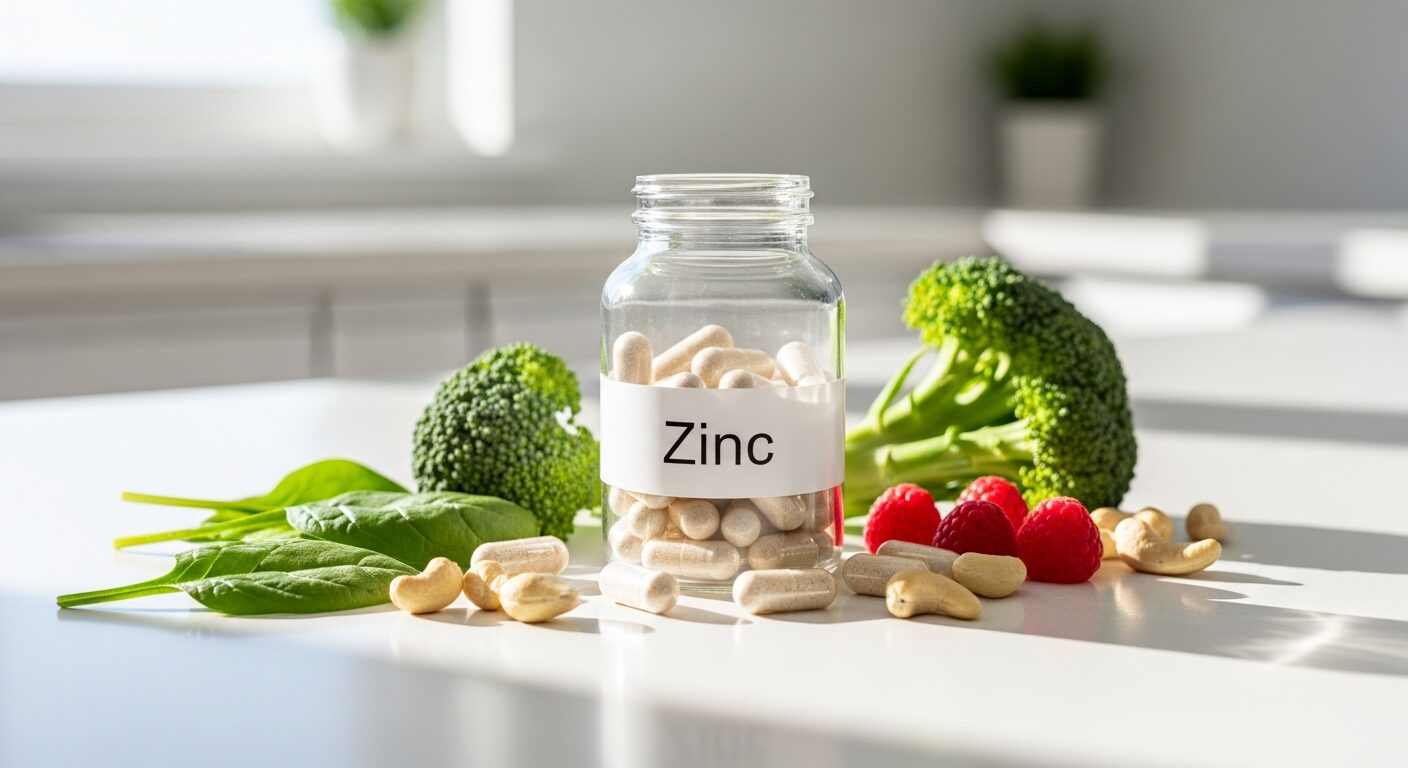
Zinc deficiency affects over 2 billion people worldwide, and emerging research suggests this essential mineral plays a crucial role in maintaining healthy skin and managing acne. As one of the most abundant trace elements in the human body, zinc supports numerous physiological functions, including wound healing, immune response, and skin barrier integrity. For those struggling with persistent acne or seeking to optimize their skin health, understanding zinc’s mechanisms and evidence-based applications can provide valuable insights into this accessible nutritional intervention.
Contents
- 1 Understanding Zinc’s Role in Skin Health
- 2 The Science Behind Zinc and Acne Treatment
- 3 Clinical Evidence and Research Findings
- 4 Choosing the Right Zinc Supplement
- 5 Safety Considerations and Potential Side Effects
- 6 Maximizing Zinc’s Benefits for Skin Health
- 7 Frequently Asked Questions
- 7.1 How long does it take to see results from zinc supplementation for acne?
- 7.2 Can I use topical zinc products alongside oral zinc supplements?
- 7.3 Should I take zinc supplements with or without food?
- 7.4 Are there any foods I should avoid when taking zinc supplements?
- 7.5 Can zinc supplementation help with acne scarring?
- 8 Medical Disclaimer
Understanding Zinc’s Role in Skin Health
Zinc serves as a cofactor for over 300 enzymes throughout the body, with particularly high concentrations found in the skin. The epidermis contains approximately 5-6 times more zinc than the dermis, highlighting its importance in skin function and maintenance. This mineral participates in several key processes that directly impact skin health and appearance.
The skin relies on zinc for proper keratinocyte differentiation, the process by which skin cells mature and form the protective outer barrier. Without adequate zinc levels, this process becomes disrupted, leading to compromised skin barrier function and increased susceptibility to environmental damage and bacterial invasion.
Zinc also demonstrates potent anti-inflammatory properties through its ability to stabilize cell membranes and regulate inflammatory mediators. This anti-inflammatory action proves particularly beneficial for inflammatory skin conditions, including acne, where excessive inflammation contributes to lesion formation and scarring.
The Science Behind Zinc and Acne Treatment
Acne vulgaris affects up to 85% of adolescents and young adults, making it one of the most common dermatological conditions worldwide. The pathophysiology of acne involves four primary factors: excess sebum production, follicular hyperkeratinization, bacterial colonization by Propionibacterium acnes, and inflammation.
Research indicates that individuals with acne often exhibit lower serum zinc levels compared to those with clear skin. Zinc therapy in dermatology: a review, 2013 demonstrated that zinc supplementation can address multiple aspects of acne pathogenesis simultaneously.
Anti-Inflammatory Mechanisms
Zinc’s anti-inflammatory effects occur through several pathways. The mineral inhibits nuclear factor-kappa B (NF-κB), a key transcription factor that regulates inflammatory gene expression. By suppressing NF-κB activation, zinc reduces the production of pro-inflammatory cytokines such as interleukin-1β and tumor necrosis factor-α, which contribute to acne lesion development.
Additionally, zinc enhances the activity of antioxidant enzymes, including superoxide dismutase and catalase, helping to neutralize reactive oxygen species that can exacerbate inflammatory responses in acne-prone skin.
Antimicrobial Properties
Zinc exhibits direct antimicrobial activity against P. acnes, the bacteria primarily responsible for inflammatory acne lesions. The mineral disrupts bacterial cell walls and interferes with bacterial metabolism, reducing colonization within hair follicles. This antimicrobial action complements zinc’s anti-inflammatory effects, providing a dual approach to acne management.
Sebum Regulation
While the exact mechanisms remain under investigation, studies suggest that zinc may help regulate sebaceous gland activity and reduce excessive sebum production. This effect likely occurs through zinc’s influence on hormonal pathways, particularly those involving insulin-like growth factor-1 (IGF-1) and androgens, both of which stimulate sebaceous gland activity.
Clinical Evidence and Research Findings
Multiple clinical trials have evaluated zinc’s effectiveness for acne treatment, with results generally supporting its therapeutic potential. Oral zinc sulfate in the treatment of rosacea: a double-blind, placebo-controlled study, 2011 provided insights into zinc’s broader applications for inflammatory skin conditions.
A comprehensive meta-analysis examining zinc supplementation for acne found that oral zinc therapy significantly reduced inflammatory lesion counts compared to placebo treatments. The studies included in this analysis used various zinc formulations, with zinc gluconate and zinc sulfate being the most commonly investigated forms.
Topical zinc preparations have also demonstrated efficacy in acne management. Zinc oxide and zinc acetate formulations showed comparable results to benzoyl peroxide in some studies, with fewer side effects such as skin irritation and dryness.
Optimal Dosage and Duration
Clinical studies have used zinc doses ranging from 30-150mg daily, with most research supporting doses between 30-40mg of elemental zinc per day for acne treatment. Zinc salts for acne vulgaris, 2001 established important dosage guidelines that continue to inform current clinical practice.
Treatment duration typically ranges from 8-12 weeks before significant improvements become apparent. Some individuals may notice initial benefits within 4-6 weeks, but optimal results generally require consistent supplementation for at least two to three months.
Choosing the Right Zinc Supplement
Not all zinc supplements are created equal, and the form of zinc significantly impacts absorption and bioavailability. Understanding these differences helps ensure optimal therapeutic outcomes.
Zinc Gluconate
Zinc gluconate represents one of the most well-researched and bioavailable forms of zinc. This chelated form demonstrates superior absorption compared to inorganic zinc salts and produces fewer gastrointestinal side effects. Most clinical studies supporting zinc’s benefits for acne have used zinc gluconate formulations.
Zinc Picolinate
Zinc picolinate offers excellent bioavailability due to picolinic acid’s natural role in zinc transport within the small intestine. This form may provide enhanced absorption, particularly for individuals with compromised digestive function.
Zinc Bisglycinate
This chelated form binds zinc to the amino acid glycine, protecting it from interference by other nutrients and reducing the likelihood of digestive upset. Zinc bisglycinate provides good bioavailability while minimizing common side effects.
Safety Considerations and Potential Side Effects
While zinc supplementation is generally safe for most individuals, certain considerations merit attention to ensure safe and effective use.
The tolerable upper intake level for zinc is 40mg daily for adults. Exceeding this amount may lead to adverse effects, including nausea, vomiting, loss of appetite, stomach cramps, and headaches. Chronic excessive zinc intake can interfere with copper absorption, potentially leading to copper deficiency and associated complications.
Zinc supplementation may interact with certain medications, including antibiotics, diuretics, and penicillamine. Taking zinc with food can reduce gastrointestinal irritation but may also decrease absorption. For optimal absorption, zinc supplements are best taken on an empty stomach, though individuals experiencing nausea should take them with food.
Maximizing Zinc’s Benefits for Skin Health
Several strategies can enhance zinc’s effectiveness for acne and skin health beyond simply taking a supplement.
Maintaining adequate vitamin A levels supports zinc utilization and skin cell turnover. Vitamin C enhances zinc absorption and provides complementary antioxidant benefits. Avoiding zinc inhibitors, such as phytates found in grains and legumes, around supplementation times can improve bioavailability.
Combining zinc supplementation with a comprehensive skincare routine that includes gentle cleansing, appropriate moisturizing, and sun protection can amplify results. Additionally, addressing other contributing factors such as stress management, adequate sleep, and dietary modifications may enhance overall outcomes.
🌿 Looking for Zinc Supplements?
Browse top-rated Zinc supplements, independently tested and recommended by our editorial team.
Affiliate disclosure: We may earn a small commission at no extra cost to you.
Frequently Asked Questions
How long does it take to see results from zinc supplementation for acne?
Most individuals begin noticing improvements in acne within 6-8 weeks of consistent zinc supplementation, with optimal results typically achieved after 12 weeks. However, some people may experience benefits sooner, while others may require longer treatment periods.
Can I use topical zinc products alongside oral zinc supplements?
Yes, combining topical and oral zinc treatments is generally safe and may provide enhanced benefits. However, monitor your total zinc intake to avoid exceeding recommended limits, and consult with a healthcare provider if you experience any adverse effects.
Should I take zinc supplements with or without food?
For optimal absorption, zinc is best taken on an empty stomach. However, if you experience nausea or stomach upset, taking zinc with food is acceptable, though absorption may be reduced by 20-30%.
Are there any foods I should avoid when taking zinc supplements?
Avoid taking zinc supplements with calcium-rich foods, iron supplements, or high-fiber meals, as these can interfere with zinc absorption. Coffee and tea may also reduce absorption, so space them at least 2 hours apart from zinc supplementation.
Can zinc supplementation help with acne scarring?
While zinc primarily helps prevent new acne lesions and reduce inflammation, its role in wound healing and collagen synthesis may provide modest benefits for existing scars. However, zinc should not be considered a primary treatment for acne scarring, which typically requires specialized dermatological interventions.
Medical Disclaimer
The information provided in this article is for educational purposes only and is not intended to replace professional medical advice, diagnosis, or treatment. Always consult with a qualified healthcare provider before starting any supplementation regimen, especially if you have existing medical conditions, take medications, or are pregnant or breastfeeding. Individual responses to zinc supplementation may vary, and what works for one person may not be appropriate for another. If you experience severe or persistent acne, seek evaluation from a dermatologist or healthcare professional for proper diagnosis and treatment recommendations.