
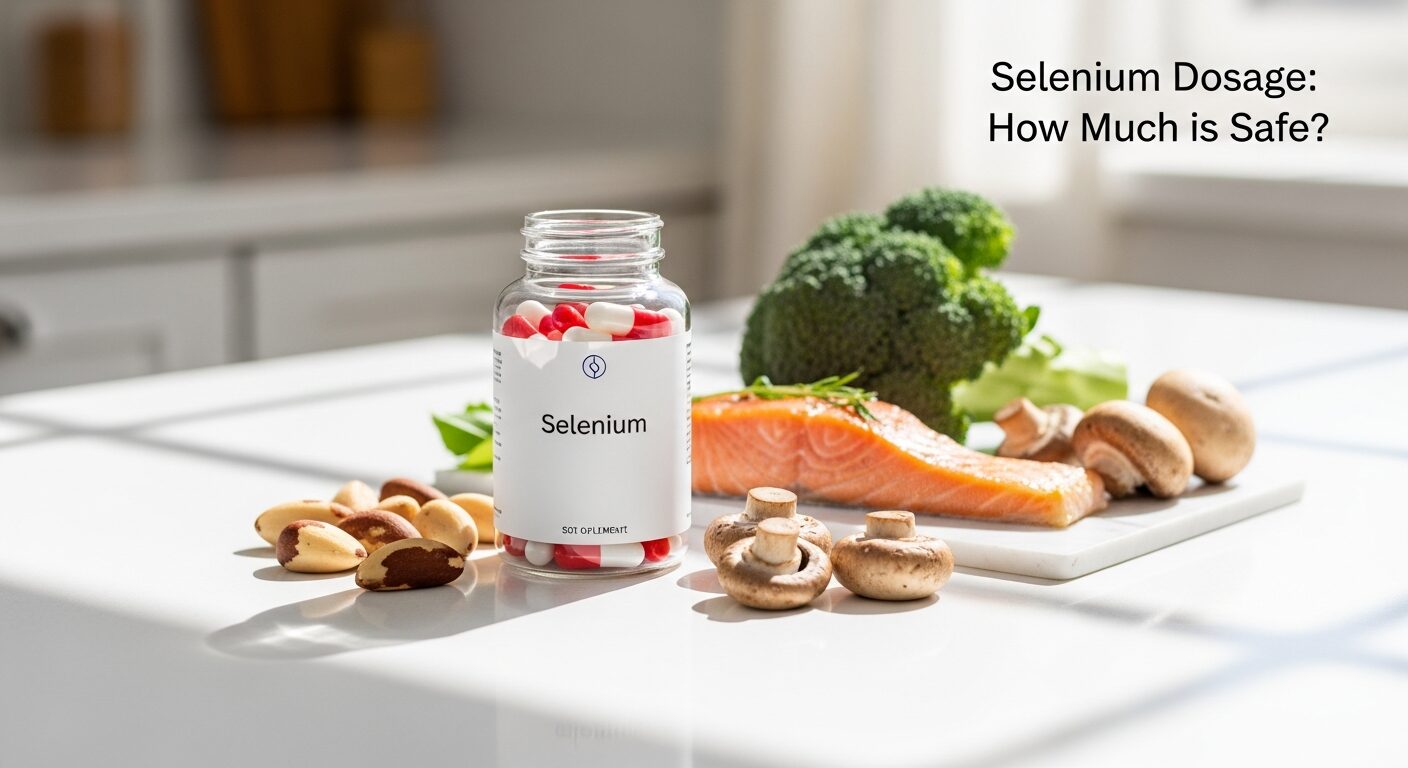
Selenium is one of those essential minerals that most people have heard of but few truly understand. While it’s required in only trace amounts, this powerful micronutrient plays outsized roles in everything from thyroid function to immune health and cellular protection. Yet despite its importance, selenium remains one of the most misunderstood supplements on the market.
The confusion around selenium often centers on dosage—and for good reason. Unlike many nutrients where “more is better” might apply, selenium operates within a remarkably narrow therapeutic window. Too little, and you miss out on its profound health benefits. Too much, and you risk serious side effects including hair loss, nail brittleness, and even neurological problems. This delicate balance makes understanding proper selenium dosage absolutely critical for anyone considering supplementation.
What makes selenium particularly fascinating is how geography plays a role in your needs. Depending on where you live and what you eat, you might be getting too little selenium from food sources alone—or in some rare cases, too much. Understanding these nuances, along with the latest research on optimal dosing, can help you harness selenium’s benefits while avoiding its pitfalls.
Contents
What is Selenium
Selenium is an essential trace mineral that functions primarily as a component of selenoproteins—specialized proteins that act as powerful antioxidants in your body. Unlike vitamins that your body can sometimes produce on its own, selenium must be obtained entirely from external sources, making it a truly essential nutrient.
This mineral is incorporated into at least 25 different selenoproteins, with the most important being glutathione peroxidases and thioredoxin reductases. These enzymes work tirelessly to protect your cells from oxidative damage, support immune function, and regulate inflammation throughout your body.
Selenium content in foods varies dramatically based on soil selenium levels where plants are grown or animals are raised. Brazil nuts are famously high in selenium, containing anywhere from 68 to 91 micrograms per nut. Other good sources include seafood, organ meats, and grains grown in selenium-rich soils. However, many regions worldwide have selenium-deficient soils, making supplementation necessary for optimal intake.
The body maintains selenium homeostasis through sophisticated regulatory mechanisms, primarily via the kidneys. When selenium intake is adequate, excess amounts are efficiently excreted. However, this system can become overwhelmed with excessive intake, leading to selenium toxicity—a condition known as selenosis.
Key Benefits of Selenium
Selenium’s health benefits stem from its role in selenoprotein synthesis and antioxidant enzyme function. Research has established several key areas where adequate selenium intake provides measurable health benefits.
Thyroid function represents one of selenium’s most critical roles. The thyroid gland contains more selenium per gram of tissue than any other organ. Selenium-dependent enzymes called deiodinases convert the inactive thyroid hormone T4 into the active form T3. Additionally, selenoproteins protect the thyroid from oxidative damage during hormone synthesis. Studies show that selenium deficiency can impair thyroid hormone metabolism and contribute to thyroid disorders.
Immune system support is another well-established benefit. Selenium enhances both innate and adaptive immune responses. It helps optimize the function of various immune cells, including T-cells, natural killer cells, and macrophages. Research demonstrates that selenium supplementation can improve immune function in elderly individuals, 2007, showing enhanced vaccine responses and reduced infection rates.
Cardiovascular health benefits emerge from selenium’s antioxidant properties and its role in regulating inflammation. Selenoproteins help prevent the oxidation of LDL cholesterol, a key step in atherosclerosis development. Some studies suggest that adequate selenium status may support healthy blood pressure and reduce cardiovascular disease risk, though results vary by population and baseline selenium status.
Cancer prevention has been extensively studied, with mixed but promising results. Selenium’s antioxidant properties and role in DNA repair mechanisms provide theoretical cancer-protective effects. Some observational studies suggest inverse relationships between selenium status and certain cancer risks, particularly prostate and colorectal cancers, though supplementation trials have shown variable results.
What Most People Get Wrong About Selenium
Despite its importance, several persistent myths and misconceptions surround selenium supplementation. These misunderstandings can lead to ineffective dosing strategies or, worse, potential health risks.
Myth 1: More Selenium is Always Better
Perhaps the most dangerous misconception is that higher selenium doses provide greater benefits. Unlike water-soluble vitamins that are easily excreted, selenium has a narrow therapeutic window. The difference between beneficial and toxic doses is surprisingly small—only about 2.5 times the recommended intake can lead to toxicity symptoms. Research shows that benefits plateau at relatively modest doses, typically between 100-200 micrograms daily, with higher amounts offering no additional advantages and increasing toxicity risk.
Myth 2: All Selenium Supplements Are the Same
Many people assume that selenium form doesn’t matter, but bioavailability varies significantly between different selenium compounds. Selenomethionine, the organic form found in plants, is absorbed at rates of 90% or higher and can be stored in muscle proteins. In contrast, sodium selenite, an inorganic form, has lower absorption rates and cannot be stored as effectively. Selenium yeast, which contains primarily selenomethionine, generally provides superior bioavailability compared to inorganic forms.
Myth 3: Everyone Needs Selenium Supplements
Geographic location plays a huge role in selenium needs, yet this factor is rarely considered. People living in selenium-rich regions like parts of the Great Plains may already consume adequate amounts through food, making supplementation unnecessary or potentially harmful. Conversely, those in selenium-poor regions like parts of Europe, China, and New Zealand may benefit significantly from supplementation. Individual assessment based on diet and geographic factors is essential.
Myth 4: Selenium Deficiency is Rare in Developed Countries
While severe selenium deficiency diseases like Keshan disease are uncommon in developed nations, suboptimal selenium status affects millions of people, particularly in regions with selenium-poor soils. Studies suggest that up to one billion people worldwide may have suboptimal selenium intake. Even in the United States, selenium intake has declined over the past several decades due to changes in food sourcing and agricultural practices.
What Happens to Your Body After 30 Days of Taking Selenium
Understanding selenium’s timeline of effects can help set realistic expectations and identify optimal dosing strategies. The body’s response to selenium supplementation occurs in distinct phases, reflecting how selenoproteins are synthesized and deployed.
Week 1: Cellular Foundation Building
During the first week, selenium begins incorporating into selenoproteins, though changes remain largely invisible. Blood selenium levels start rising within days, but selenoprotein synthesis takes time. Some people report subtle improvements in energy levels, though these may be placebo effects since measurable biological changes are still developing. The body begins ramping up production of key selenoenzymes like glutathione peroxidase.
Week 2: Antioxidant Systems Activate
By week two, selenoprotein levels begin reaching therapeutic thresholds. Studies show that glutathione peroxidase activity increases significantly after 2-3 weeks of selenium supplementation, 2003. This enhanced antioxidant capacity may translate into reduced oxidative stress markers and improved cellular protection. Some individuals notice improvements in hair and nail quality, though dramatic changes are still weeks away.
Weeks 3-4: Full Therapeutic Effects
The most significant changes typically emerge during weeks three and four. Immune function improvements become measurable, with enhanced T-cell responses and natural killer cell activity. Thyroid hormone metabolism optimizes, which may improve energy levels, mood, and metabolic function in those with suboptimal thyroid status. Selenoprotein P levels, a key biomarker of selenium status, typically reach steady-state levels around day 21-28.
Hair and skin improvements often become noticeable during this period, reflecting selenium’s role in protecting these rapidly dividing tissues from oxidative damage. Some research suggests that inflammatory markers may begin declining, though individual responses vary considerably based on baseline selenium status and overall health.
Who Should NOT Take Selenium
While selenium supplementation is generally safe for most people when used appropriately, certain individuals should exercise caution or avoid supplementation entirely.
Individuals with High Baseline Selenium
People living in selenium-rich regions or those consuming selenium-rich diets should avoid supplementation. Regular consumption of Brazil nuts, for example, can easily provide excessive selenium intake. Those eating organ meats frequently or following certain regional diets may already exceed optimal intake levels.
Pregnancy and Breastfeeding Considerations
Pregnant and breastfeeding women have slightly higher selenium needs, but supplementation should be approached cautiously. The tolerable upper limit during pregnancy is lower than for non-pregnant adults, and excessive selenium can potentially harm fetal development. Most prenatal vitamins contain appropriate selenium amounts, making additional supplementation unnecessary and potentially risky.
Drug Interactions and Medical Conditions
Selenium can interact with several medications and medical conditions. It may enhance the effects of anticoagulant medications, potentially increasing bleeding risk. People taking thyroid medications should consult healthcare providers before supplementing, as selenium can affect thyroid hormone metabolism and potentially alter medication effectiveness.
Individuals with autoimmune thyroid conditions like Hashimoto’s thyroiditis may benefit from selenium supplementation, but this should only be done under medical supervision. Some studies suggest selenium supplementation may reduce thyroid antibodies in autoimmune thyroiditis, 2002, but individual responses vary significantly.
Those with Kidney or Liver Disease
Selenium is primarily excreted through the kidneys, so individuals with kidney disease may have impaired selenium clearance and increased toxicity risk. Similarly, those with severe liver disease may have altered selenium metabolism, requiring medical supervision if supplementation is considered.
Dosage and Best Forms
Optimal selenium dosage depends on multiple factors including baseline selenium status, geographic location, diet, and individual health goals. The Recommended Dietary Allowance (RDA) for adults is 55 micrograms daily, but therapeutic supplementation often uses higher amounts.
General Supplementation Guidelines
For most adults, supplemental doses of 100-200 micrograms daily appear optimal for therapeutic benefits. This range provides enough selenium to maximize selenoprotein synthesis without approaching toxicity thresholds. The tolerable upper limit is 400 micrograms daily, but staying well below this level is advisable for long-term use.
Superior Selenium Forms
Selenomethionine represents the gold standard for selenium supplementation due to its superior absorption and storage characteristics. This organic form mimics selenium found in plant foods and can be incorporated into body proteins for long-term storage. Selenium yeast, which contains primarily selenomethionine, offers similar benefits.
Sodium selenite, while less expensive, has lower bioavailability and cannot be stored as effectively. However, it may be preferred for short-term therapeutic use since it’s readily available for immediate selenoprotein synthesis.
Timing and Administration
Selenium can be taken with or without food, though taking it with meals may reduce potential stomach upset. Fat-soluble forms may be better absorbed when taken with dietary fat. Consistency in timing helps maintain steady selenium levels, though daily timing flexibility is acceptable.
🌿 Looking for Selenium Supplements?
Browse top-rated Selenium supplements, independently tested and recommended by our editorial team.
Affiliate disclosure: We may earn a small commission at no extra cost to you.
Frequently Asked Questions
How long does it take to correct selenium deficiency?
Correcting selenium deficiency typically takes 2-3 months of consistent supplementation. While blood selenium levels rise within weeks, tissue selenium stores take longer to replenish. Selenoprotein levels usually normalize within 4-8 weeks, but achieving optimal tissue stores may require 2-3 months of appropriate supplementation.
Can I get enough selenium from food alone?
This depends entirely on your location and diet. People living in selenium-rich regions who regularly eat seafood, organ meats, or Brazil nuts may get adequate selenium from food. However, those in selenium-poor regions or following restrictive diets may struggle to meet optimal intake through food alone. A single Brazil nut provides about 80 micrograms of selenium, making them an excellent food source for those who tolerate them.
What are the signs of selenium toxicity?
Selenium toxicity, or selenosis, typically manifests as hair loss, nail brittleness and discoloration, garlic breath odor, fatigue, and gastrointestinal upset. Severe toxicity can cause neurological symptoms, skin rashes, and mood changes. These symptoms usually develop with chronic intake above 400 micrograms daily, though individual sensitivity varies.
Should I take selenium if I have thyroid problems?
Selenium plays crucial roles in thyroid function, and some thyroid conditions may benefit from supplementation. However, the relationship between selenium and thyroid health is complex and depends on the specific condition, iodine status, and individual factors. Anyone with thyroid disorders should consult their healthcare provider before starting selenium supplementation, as it can potentially alter thyroid hormone levels and medication effectiveness.
Is it safe to take selenium long-term?
Long-term selenium supplementation appears safe when used within appropriate dosage ranges (100-200 micrograms daily for most adults). However, regular monitoring may be advisable for those taking supplements long-term, especially at higher doses. Periodic assessment of selenium status through blood tests can help ensure optimal levels without toxicity risk.
Medical Disclaimer
The information provided in this article is for educational purposes only and is not intended as medical advice. Selenium supplementation can interact with medications and medical conditions, and individual needs vary significantly based on geographic location, diet, and health status. Always consult with a qualified healthcare professional before starting any new supplement regimen, especially if you have existing medical conditions, take medications, or are pregnant or breastfeeding. This article does not replace professional medical advice, diagnosis, or treatment.