
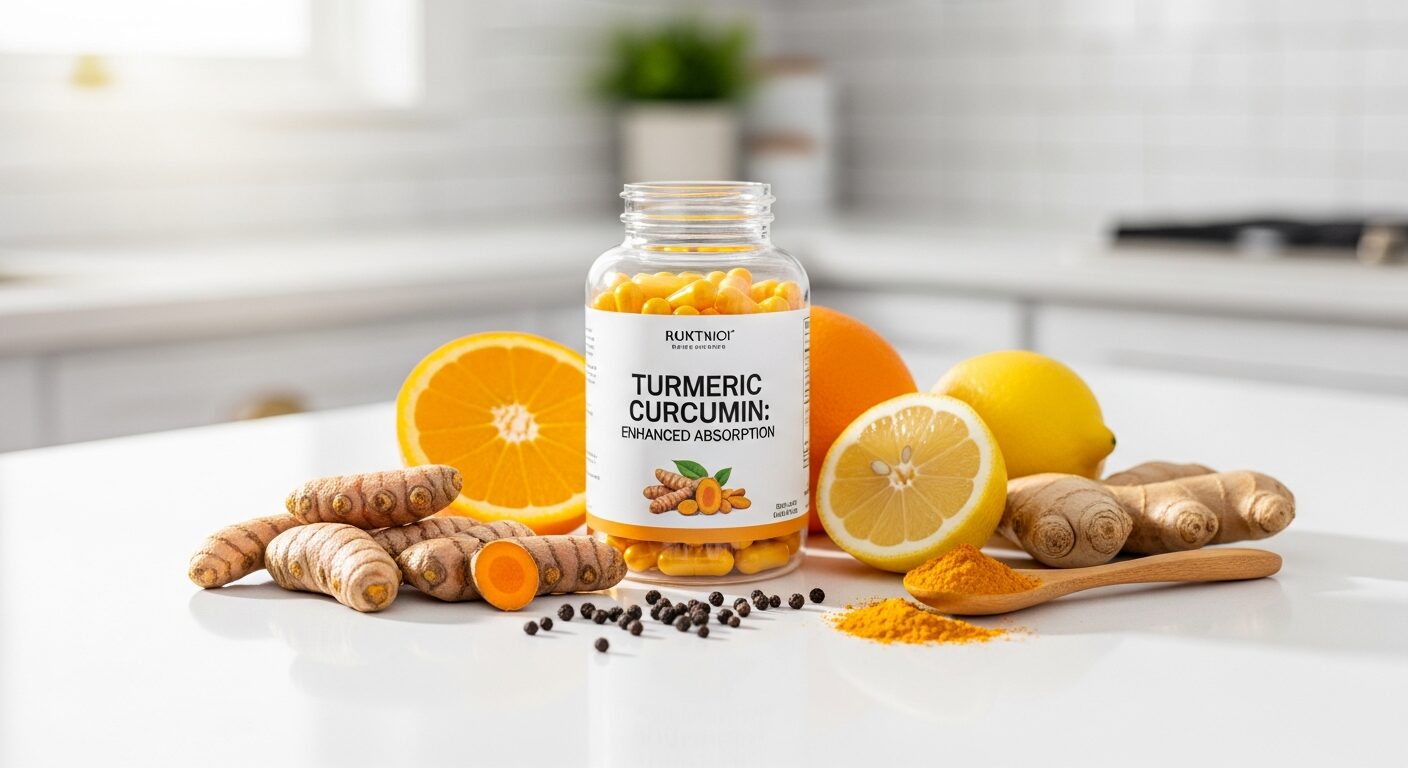
Turmeric, often called the “golden spice,” has captivated researchers and health enthusiasts alike with its remarkable therapeutic properties. This vibrant yellow-orange root, scientifically known as Curcuma longa, has been treasured for over 4,000 years in traditional medicine systems, particularly in India and Southeast Asia. What makes turmeric truly extraordinary isn’t just its culinary appeal, but rather its potent bioactive compound called curcumin, which gives the spice its distinctive color and impressive health benefits.
In recent decades, modern science has begun to validate what ancient civilizations have long understood about turmeric’s healing potential. With thousands of peer-reviewed studies published on its effects, turmeric has emerged as one of the most researched natural compounds in the world. From supporting joint health and cognitive function to promoting cardiovascular wellness and immune system balance, turmeric’s applications seem almost limitless.
However, despite its growing popularity as a dietary supplement, many people remain confused about how turmeric works, what benefits they can realistically expect, and how to use it effectively. This comprehensive guide will explore the science behind turmeric curcumin, debunk common misconceptions, and provide you with evidence-based information to help you make informed decisions about incorporating this powerful compound into your wellness routine.
🌿 Looking for Turmeric supplements? Shop Amazon →
Contents
- 1 What is Turmeric
- 2 Key Benefits of Turmeric
- 3 What Most People Get Wrong About Turmeric
- 4 What Happens to Your Body After 30 Days of Taking Turmeric
- 5 Who Should NOT Take Turmeric
- 6 Dosage and Best Forms
- 7 Frequently Asked Questions
- 7.1 Can I take turmeric if I’m already taking anti-inflammatory medications?
- 7.2 How long does it take to see results from turmeric supplementation?
- 7.3 Is it better to take turmeric capsules or powder?
- 7.4 Can children safely take turmeric supplements?
- 7.5 Will turmeric supplements stain my teeth or stomach?
- 8 Medical Disclaimer
What is Turmeric
Turmeric is a flowering plant belonging to the ginger family, Zingiberaceae. The part we’re most familiar with is the rhizome—the underground stem that’s harvested, dried, and ground into the golden powder found in spice racks worldwide. Native to Southeast Asia, turmeric thrives in warm, humid climates and has been cultivated for millennia across India, Thailand, Malaysia, and other tropical regions.
The magic of turmeric lies in its complex chemical composition. While the rhizome contains over 300 chemical constituents, the most studied and therapeutically significant are the curcuminoids—a group of polyphenolic compounds that include curcumin, demethoxycurcumin, and bisdemethoxycurcumin. Curcumin typically represents 2-8% of most turmeric preparations and is responsible for many of the health benefits associated with turmeric consumption.
Beyond curcuminoids, turmeric contains volatile oils like turmerone, atlantone, and zingiberene, which contribute to its distinctive aroma and may have their own therapeutic properties. The spice also provides essential oils, proteins, resins, and sugars that work synergistically to create turmeric’s overall biological activity. This complex interplay of compounds is why whole turmeric extracts are often considered more beneficial than isolated curcumin alone.
In the supplement industry, you’ll encounter various forms of turmeric products, from basic turmeric powder to highly concentrated curcumin extracts standardized to contain 95% curcuminoids. Understanding these differences is crucial for selecting the right product for your health goals and ensuring you receive therapeutic levels of active compounds.
Key Benefits of Turmeric
Scientific research has identified numerous health benefits associated with regular turmeric consumption, many of which stem from curcumin’s powerful anti-inflammatory and antioxidant properties. These effects work at the cellular level to support various body systems and promote overall wellness.
Anti-Inflammatory Effects: Chronic inflammation is recognized as a root cause of many serious health conditions, including heart disease, cancer, metabolic syndrome, and neurodegenerative disorders. Curcumin has been shown to inhibit multiple inflammatory pathways, including cyclooxygenase-2 (COX-2), lipoxygenase, and nuclear factor kappa B (NF-κB). Curcumin: A Review of Its Effects on Human Health, 2017 demonstrated that curcumin’s anti-inflammatory effects are comparable to some pharmaceutical medications but with significantly fewer side effects.
Joint Health and Mobility: One of turmeric’s most well-documented benefits is its ability to support joint comfort and mobility. Multiple clinical trials have shown that curcumin supplementation can help reduce joint stiffness and improve physical function in adults experiencing joint discomfort. The compound works by modulating inflammatory mediators that affect cartilage and synovial tissue.
Cognitive Function and Brain Health: Curcumin can cross the blood-brain barrier, allowing it to directly benefit brain tissue. Research suggests it may help protect neurons from oxidative stress, support healthy brain aging, and promote cognitive function. Some studies indicate that curcumin might help maintain healthy levels of brain-derived neurotrophic factor (BDNF), a protein crucial for neuron survival and growth.
Cardiovascular Support: Turmeric supports heart health through multiple mechanisms, including helping maintain healthy cholesterol levels, supporting proper blood vessel function, and protecting against oxidative stress in cardiovascular tissues. The endothelium, the thin membrane lining the heart and blood vessels, particularly benefits from curcumin’s protective effects.
Digestive Health: Traditional use of turmeric for digestive support is backed by modern research showing that curcumin can help maintain healthy gut barrier function, support beneficial gut bacteria, and promote comfortable digestion. It may also help protect the gastric mucosa from various irritants.
What Most People Get Wrong About Turmeric
Despite turmeric’s popularity, several persistent myths and misconceptions continue to circulate, leading to unrealistic expectations and suboptimal supplementation strategies.
Myth 1: All Turmeric Products Are the Same
Many consumers believe that turmeric powder from the spice aisle provides the same benefits as concentrated curcumin supplements. This couldn’t be further from the truth. Culinary turmeric typically contains only 2-3% curcumin by weight, meaning you’d need to consume several tablespoons daily to achieve therapeutic levels. Additionally, the curcumin in regular turmeric powder is poorly absorbed by the body. High-quality supplements use specialized extraction methods and absorption enhancers to deliver significantly higher levels of bioavailable curcumin than food-grade turmeric powder.
Myth 2: More Curcumin Always Means Better Results
The supplement industry’s focus on high curcumin percentages has created a misconception that 95% curcumin extracts are automatically superior to whole turmeric preparations. However, research suggests that other compounds in turmeric, including turmerones and other curcuminoids, work synergistically with curcumin to enhance its effects. Some studies indicate that whole turmeric extracts may provide broader benefits than isolated curcumin, supporting the concept of the “entourage effect” in herbal medicine.
Myth 3: Turmeric Works Immediately Like Pain Medication
Perhaps the most common misconception is that turmeric should provide immediate relief similar to over-the-counter pain medications. Unlike pharmaceutical drugs that often work within hours, turmeric’s benefits typically develop gradually over weeks to months of consistent use. This is because curcumin works by modulating underlying inflammatory processes rather than simply masking symptoms. Expecting immediate results often leads to disappointment and premature discontinuation of what could be a beneficial long-term wellness strategy.
Myth 4: Black Pepper is Essential for All Turmeric Supplements
The belief that black pepper (piperine) is necessary for curcumin absorption has become widespread, but this oversimplifies the bioavailability challenge. While piperine can increase curcumin blood levels, it does so by inhibiting liver metabolism rather than improving absorption. Modern supplement technology has developed alternative approaches, such as phytosome complexes, liposomal formulations, and micronized preparations that may be more effective than piperine for enhancing curcumin bioavailability without potential side effects.
What Happens to Your Body After 30 Days of Taking Turmeric
Understanding the realistic timeline for turmeric’s effects can help set appropriate expectations and encourage consistent use during the initial weeks when benefits may not yet be apparent.
Week 1: Initial Adaptation
During the first week of consistent turmeric supplementation, your body begins adapting to the influx of curcumin and other bioactive compounds. At the cellular level, curcumin starts accumulating in tissues and begins modulating inflammatory pathways, though these changes aren’t yet noticeable. Some individuals with sensitive digestive systems might experience mild stomach upset if taking turmeric on an empty stomach, which typically resolves as the body adapts. Most people don’t notice significant changes during this initial period, which is completely normal and expected.
Week 2: Early Biochemical Changes
By the second week, curcumin has begun to meaningfully influence inflammatory markers and antioxidant enzyme activity throughout the body. Bioavailability of Curcumin: Problems and Promises, 2019 shows that consistent daily intake leads to measurable changes in inflammatory biomarkers around this timeframe. Some individuals might begin to notice subtle improvements in recovery after exercise or minor reductions in occasional discomfort, though these effects are often mild and intermittent.
Week 3-4: Noticeable Benefits Emerge
The third and fourth weeks typically mark when most people begin experiencing the benefits that initially motivated their turmeric supplementation. Joint comfort and mobility improvements become more consistent and noticeable. Many users report feeling more energetic and experiencing better sleep quality, likely due to reduced systemic inflammation. Digestive comfort may improve for those who previously experienced occasional stomach irritation or bloating.
Research indicates that maximum tissue saturation of curcumin occurs after several weeks of consistent intake, which explains why benefits become most apparent during this timeframe. Curcumin and Health, 2021 demonstrated that participants in clinical trials typically showed the most significant improvements in inflammatory markers and subjective wellness scores after 4-8 weeks of supplementation.
It’s important to note that individual responses vary significantly based on factors including baseline inflammation levels, absorption capacity, dosage, product quality, and overall health status. Some people may notice benefits sooner, while others might require 6-8 weeks to experience significant improvements.
Who Should NOT Take Turmeric
While turmeric is generally safe for most people when used appropriately, certain individuals should exercise caution or avoid supplementation altogether due to potential health risks or drug interactions.
Blood Thinning Medication Users: Turmeric can enhance the effects of anticoagulant and antiplatelet medications, including warfarin, heparin, aspirin, and clopidogrel. This interaction can increase bleeding risk and bruising. Anyone taking blood-thinning medications should consult their healthcare provider before starting turmeric supplements and may require more frequent monitoring of clotting parameters.
Individuals with Gallstones or Bile Duct Obstruction: Turmeric stimulates bile production and can cause gallbladder contractions, which may worsen existing gallstones or bile duct problems. People with a history of gallstones, cholangitis, or other biliary disorders should avoid turmeric supplements unless specifically approved by their physician.
Pregnant and Breastfeeding Women: While culinary amounts of turmeric are generally safe during pregnancy, therapeutic doses found in supplements haven’t been adequately studied for safety during pregnancy and lactation. High doses of turmeric may stimulate the uterus or promote menstruation, potentially increasing miscarriage risk. Pregnant and nursing women should limit turmeric to normal food amounts.
Pre-Surgical Patients: Due to its blood-thinning properties, turmeric supplementation should be discontinued at least two weeks before scheduled surgery to prevent excessive bleeding complications. This includes both major surgeries and minor procedures like dental work.
Diabetes Medication Users: Turmeric may enhance the blood sugar-lowering effects of diabetes medications, potentially causing hypoglycemia. Diabetics taking medication should monitor blood glucose levels closely when starting turmeric supplementation and may need medication adjustments under medical supervision.
Iron Deficiency Concerns: Some compounds in turmeric can bind to iron and potentially reduce its absorption. Individuals with iron deficiency anemia should space turmeric supplements away from iron supplements and iron-rich meals, or consult with a healthcare provider about appropriate timing and monitoring.
Dosage and Best Forms
Selecting the right turmeric supplement and dosage depends on your health goals, individual tolerance, and the specific product’s concentration and bioavailability enhancement methods.
Standardized Curcumin Extracts: Most clinical research has used curcumin extracts standardized to contain 90-95% curcuminoids. Typical effective dosages range from 500mg to 1000mg of curcumin per day, usually divided into 2-3 doses with meals to minimize stomach upset and improve absorption.
Whole Turmeric Extracts: These products contain the full spectrum of turmeric compounds, including curcuminoids, turmerones, and other beneficial constituents. Effective dosages typically range from 1000mg to 3000mg daily, providing roughly equivalent curcumin content to standardized extracts while including synergistic compounds.
Enhanced Absorption Formulations: Various technologies have been developed to improve curcumin bioavailability, including phytosome complexes (curcumin bound to phosphatidylcholine), liposomal preparations, and micronized formulations. These products often require lower doses than standard curcumin extracts while providing superior absorption.
Timing and Administration: Curcumin is fat-soluble and best absorbed when taken with meals containing some dietary fat. Dividing the daily dose across multiple meals can help maintain more consistent blood levels and reduce the risk of digestive upset. Taking turmeric supplements with black pepper or products that include piperine can enhance absorption, though this isn’t necessary with advanced formulations.
🌿 Looking for Turmeric Supplements?
Browse top-rated Turmeric supplements, independently tested and recommended by our editorial team.
Affiliate disclosure: We may earn a small commission at no extra cost to you.
Frequently Asked Questions
Can I take turmeric if I’m already taking anti-inflammatory medications?
While turmeric is generally safer than pharmaceutical anti-inflammatories, combining them may enhance anti-inflammatory effects and potentially increase side effects. Consult your healthcare provider before combining turmeric with NSAIDs, corticosteroids, or other anti-inflammatory medications. They may recommend adjusting dosages or monitoring for enhanced effects.
How long does it take to see results from turmeric supplementation?
Most people begin noticing benefits between 2-4 weeks of consistent daily use, with optimal results typically developing after 6-8 weeks. However, individual responses vary significantly based on baseline inflammation levels, dosage, product quality, and absorption factors. Consistency is key—sporadic use is unlikely to provide meaningful benefits.
Is it better to take turmeric capsules or powder?
Both forms can be effective, but capsules offer several advantages including standardized dosing, better preservation of active compounds, and elimination of turmeric’s strong taste. Powders can be mixed into foods or beverages but may have lower curcumin concentrations and faster degradation when exposed to light and air. Choose based on your preferences and the product’s quality and standardization.
Can children safely take turmeric supplements?
While turmeric in food amounts is safe for children, therapeutic supplement doses haven’t been adequately studied in pediatric populations. Most supplement manufacturers recommend their products only for adults. Children can safely consume turmeric through cooking, but parents should consult a pediatric healthcare provider before giving turmeric supplements to children.
Will turmeric supplements stain my teeth or stomach?
High-quality turmeric capsules shouldn’t stain teeth since they dissolve in the stomach rather than the mouth. However, turmeric powders mixed into beverages can temporarily stain teeth and should be consumed through a straw or followed by thorough mouth rinsing. Stomach staining isn’t a health concern, though turmeric can temporarily color urine and stool yellow-orange, which is harmless.
Medical Disclaimer
The information provided in this article is for educational purposes only and should not be considered as medical advice. This content is not intended to diagnose, treat, cure, or prevent any disease or health condition. Individual responses to turmeric supplementation may vary significantly, and what works for one person may not be appropriate for another.
Before starting any new supplement regimen, especially if you have existing health conditions, take medications, are pregnant or nursing, or are planning surgery, consult with a qualified healthcare professional. They can provide personalized guidance based on your individual health status and help identify any potential interactions or contraindications.
The statements in this article have not been evaluated by the Food and Drug Administration. Always choose high-quality supplements from reputable manufacturers and follow dosage instructions carefully. If you experience any adverse effects while taking turmeric supplements, discontinue use and consult your healthcare provider immediately.