
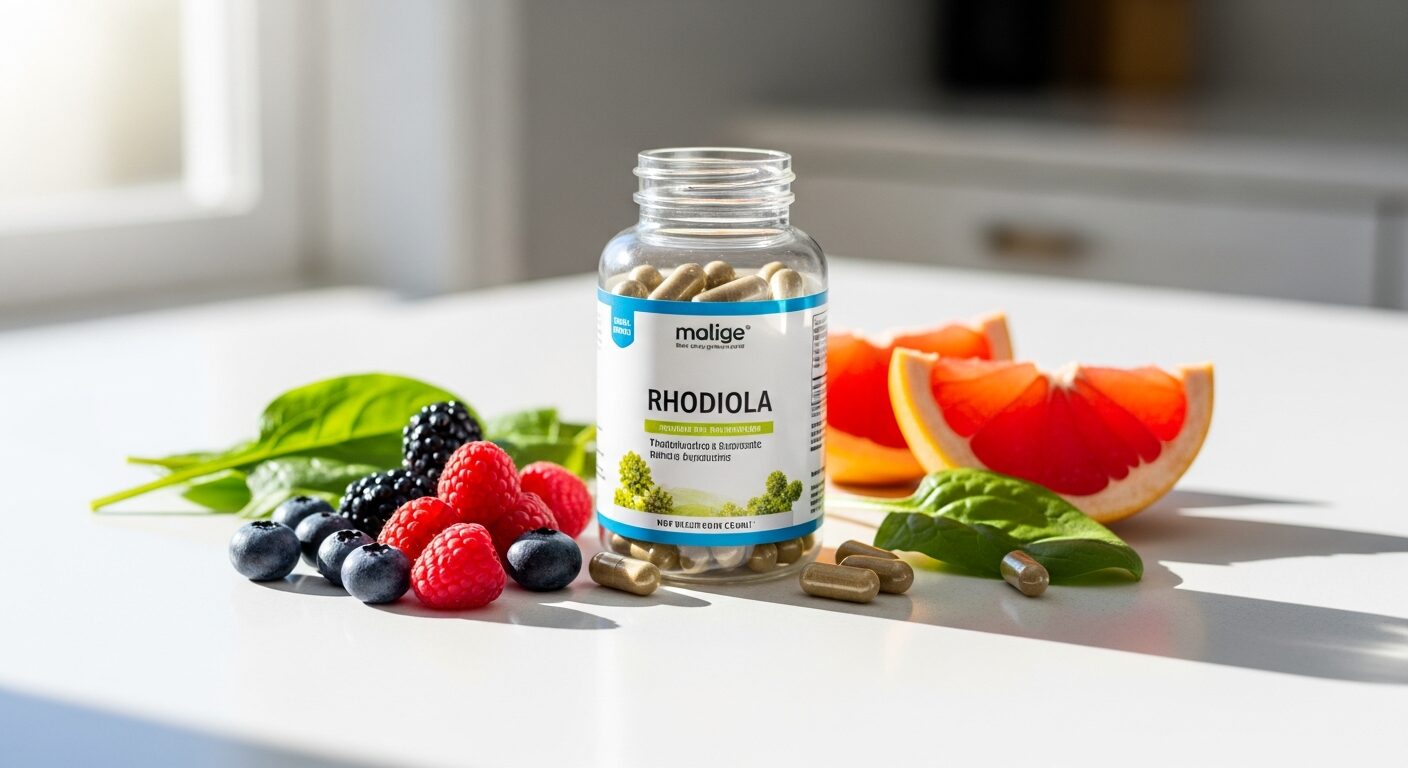
Rhodiola rosea, often called the “golden root,” has captured the attention of researchers and health enthusiasts alike for its remarkable ability to help the body adapt to stress. This hardy Arctic plant has been used for centuries in traditional medicine across Scandinavia and Russia, where it grows in the harsh, mountainous regions. Today, modern science is validating what ancient cultures knew intuitively: rhodiola possesses unique compounds that can significantly impact human health and performance.
However, with the growing popularity of rhodiola supplements comes confusion about proper dosing. Many people are taking too much, too little, or the wrong form entirely, which can lead to disappointing results or unwanted side effects. Understanding the optimal dosage isn’t just about reading the bottle label—it requires knowledge of the specific compounds that make rhodiola effective, your individual health goals, and the quality of the supplement you’re choosing.
This comprehensive guide will cut through the marketing hype and provide you with science-based recommendations for rhodiola dosage, timing, and form selection. Whether you’re seeking stress relief, enhanced mental performance, or improved physical endurance, the right dosing strategy can make the difference between experiencing rhodiola’s full potential and wasting your money on ineffective supplementation.
Contents
What is Rhodiola
Rhodiola rosea is a perennial flowering plant that belongs to the family Crassulaceae. It thrives in cold, mountainous regions of Europe, Asia, and North America, particularly in areas above 3,000 feet in elevation. The plant’s root, which contains the medicinally active compounds, has a distinctive rose-like fragrance when freshly cut, hence its common name “rose root.”
The therapeutic effects of rhodiola are primarily attributed to two key active compounds: rosavin and salidroside. These compounds work synergistically to provide rhodiola’s adaptogenic properties—meaning they help the body maintain homeostasis and resist various forms of stress, whether physical, chemical, or biological. The root also contains other beneficial compounds including rosin, rosarin, and various flavonoids that contribute to its overall therapeutic profile.
As an adaptogen, rhodiola differs from stimulants like caffeine in that it doesn’t simply provide energy through activation of the nervous system. Instead, it works at the cellular level to optimize the body’s stress response system, particularly the hypothalamic-pituitary-adrenal (HPA) axis. This makes rhodiola particularly valuable for individuals dealing with chronic stress, mental fatigue, or the need for sustained cognitive and physical performance.
Key Benefits of Rhodiola
Scientific research has identified several well-documented benefits of rhodiola supplementation. The most robust evidence supports its use for managing stress and improving mental performance. Studies have shown that rhodiola can significantly reduce symptoms of stress-related fatigue and improve cognitive function, particularly during periods of high demand or pressure.
Mental performance enhancement is another well-established benefit. Rhodiola has been shown to improve attention, memory, and mental clarity, especially during stressful situations or periods of mental exhaustion. This makes it particularly valuable for students, professionals, and anyone facing cognitive demands. The adaptogen appears to work by modulating neurotransmitter levels, including serotonin, dopamine, and norepinephrine.
Physical performance and endurance can also benefit from rhodiola supplementation. Research indicates that it may help reduce exercise-induced fatigue, improve oxygen utilization, and enhance overall physical capacity. Some studies suggest it may also support faster recovery from intense physical activity.
Mood regulation represents another significant benefit, with research showing rhodiola’s potential to support emotional well-being and resilience. Darbinyan et al., 2007 demonstrated that rhodiola extract could significantly improve symptoms in individuals with mild to moderate mood disorders, suggesting its value as a natural mood support supplement.
What Most People Get Wrong About Rhodiola
One of the most pervasive misconceptions about rhodiola is that it works like a stimulant, providing immediate energy and alertness similar to caffeine. This belief leads many people to take large doses expecting instant results, which can actually backfire. Rhodiola is an adaptogen that works by gradually optimizing your body’s stress response systems. Taking excessive amounts can overstimulate these pathways, leading to paradoxical effects like increased anxiety, restlessness, or sleep disruption.
Another common myth is that all rhodiola supplements are created equal, regardless of standardization or extraction methods. The truth is that the therapeutic effects depend heavily on the concentration of active compounds, particularly the ratio of rosavins to salidroside. Many commercial supplements contain insufficient amounts of these key compounds or use poor-quality extracts. The most effective supplements are standardized to contain at least 3% rosavins and 1% salidroside, maintaining the natural 3:1 ratio found in the wild plant.
Many people also believe that rhodiola is safe to combine with any medication or supplement without concern. While rhodiola is generally well-tolerated, it can interact with certain medications, particularly those affecting serotonin levels, blood pressure, or diabetes management. The adaptogen’s ability to influence neurotransmitter systems and cortisol levels means it should be used cautiously with psychiatric medications, and its potential effects on blood sugar require monitoring in diabetic individuals.
Perhaps the most dangerous misconception is that “more is better” when it comes to rhodiola dosage. Research consistently shows that rhodiola follows a biphasic dose response, meaning that while moderate doses provide benefits, higher doses can actually reduce effectiveness or cause adverse effects. This phenomenon is common among adaptogens and highlights the importance of finding your optimal individual dose rather than simply maximizing intake.
What Happens to Your Body After 30 Days of Taking Rhodiola
During the first week of rhodiola supplementation, most people experience subtle changes that may not be immediately obvious. Your body begins adapting to the active compounds as they start modulating your stress response systems. Some individuals notice slight improvements in sleep quality or a reduction in the intensity of their stress responses to daily challenges. However, it’s important not to expect dramatic changes during this initial period, as adaptogens work gradually to restore balance.
By the second week, more noticeable effects typically emerge. Spasov et al., 2000 found that participants began experiencing measurable improvements in mental performance and reduced fatigue around this timeframe. You might notice enhanced focus during demanding tasks, improved emotional resilience during stressful situations, and a general sense of having more sustained energy throughout the day without the peaks and crashes associated with stimulants.
Weeks three and four represent the period when rhodiola’s full benefits typically manifest. Your HPA axis has had sufficient time to recalibrate, and the cumulative effects become more pronounced. Many people report significant improvements in their ability to handle stress, enhanced cognitive performance, better mood stability, and improved physical endurance. Sleep quality often continues to improve, and the overall sense of vitality and resilience reaches its peak.
Research suggests that the optimal benefits of rhodiola are maintained with consistent daily use, but some individuals find that cycling the supplement—taking it for 6-8 weeks followed by a 2-week break—helps prevent tolerance and maintains effectiveness over the long term. The sustained benefits depend on continued supplementation, as the adaptogenic effects gradually diminish when rhodiola is discontinued.
Who Should NOT Take Rhodiola
Individuals with bipolar disorder should exercise extreme caution with rhodiola supplementation. The herb’s ability to influence neurotransmitter systems, particularly during manic episodes, could potentially exacerbate symptoms. Anyone with diagnosed mood disorders should consult with their healthcare provider before adding rhodiola to their regimen, especially if they’re taking psychiatric medications.
People taking blood pressure medications need to be aware that rhodiola may have hypotensive effects, potentially enhancing the action of antihypertensive drugs. Similarly, individuals on diabetes medications should monitor their blood glucose levels carefully, as rhodiola may affect blood sugar regulation. The combination could lead to hypoglycemia if not properly managed.
Pregnant and breastfeeding women should avoid rhodiola supplementation due to insufficient safety data. While no specific adverse effects have been documented, the lack of comprehensive studies in these populations makes it prudent to err on the side of caution. Children and adolescents should also avoid rhodiola unless specifically recommended and monitored by a healthcare provider.
Individuals scheduled for surgery should discontinue rhodiola at least two weeks prior to their procedure. The herb’s potential effects on blood pressure, blood sugar, and bleeding risk could complicate anesthesia and surgical outcomes. Those with autoimmune conditions should also consult with their healthcare provider, as adaptogens can sometimes modulate immune system activity in unpredictable ways.
Dosage and Best Forms
The optimal rhodiola dosage varies significantly based on individual factors, health goals, and the specific extract being used. For general stress management and cognitive support, most research supports a daily dose of 200-400mg of standardized extract containing 3% rosavins and 1% salidroside. This dosage should be taken on an empty stomach, preferably 30 minutes before breakfast, to maximize absorption and minimize potential stomach upset.
For more intensive applications, such as supporting performance during high-stress periods or enhancing physical endurance, doses may range from 400-600mg daily. However, it’s crucial to start with lower doses and gradually increase to assess individual tolerance. Edwards et al., 2012 demonstrated that even modest doses of 200mg daily could produce significant benefits in stressed individuals.
The form of rhodiola matters significantly. Look for standardized extracts that clearly state the concentration of active compounds. Avoid products that only list “rhodiola root powder” without standardization, as these are unlikely to provide therapeutic levels of active compounds. Capsules and tablets are the most convenient and reliable forms, though liquid extracts can be effective if properly standardized.
Timing is crucial for rhodiola effectiveness. Taking it too late in the day can interfere with sleep, as the adaptogen can have mildly stimulating effects in some individuals. The optimal timing is typically first thing in the morning on an empty stomach. If taking multiple doses, the second dose should be no later than early afternoon to avoid sleep disruption.
🌿 Looking for Rhodiola Supplements?
Browse top-rated Rhodiola supplements, independently tested and recommended by our editorial team.
Affiliate disclosure: We may earn a small commission at no extra cost to you.
Frequently Asked Questions
How long does it take for rhodiola to start working?
Most people begin noticing subtle effects within 1-2 weeks of consistent daily use, with full benefits typically emerging after 3-4 weeks. However, some individuals may experience initial effects within a few days, particularly regarding sleep quality and stress response. The key is consistent daily supplementation, as adaptogens work cumulatively to optimize physiological systems.
Can I take rhodiola with coffee or other stimulants?
While rhodiola can generally be combined with moderate caffeine intake, it’s important to monitor your response carefully. Some people find that the combination enhances focus and energy without jitters, while others may experience overstimulation. Start with lower doses of both substances and assess your tolerance. Avoid combining rhodiola with multiple stimulants or high doses of caffeine.
Should I cycle rhodiola or take it continuously?
Research supports both continuous use and cycling protocols. For acute stress periods, continuous daily use for 6-12 weeks is often most effective. For long-term maintenance, some practitioners recommend cycling: 6-8 weeks on followed by 2 weeks off to prevent tolerance. Pay attention to your body’s response and adjust accordingly. If benefits seem to diminish over time, a short break may help restore effectiveness.
What’s the difference between rhodiola and other adaptogens?
While all adaptogens help manage stress, rhodiola is particularly noted for its cognitive enhancement and physical performance benefits. Unlike ashwagandha, which tends to be more calming, rhodiola can be mildly energizing. Compared to ginseng, rhodiola is generally better tolerated and less likely to cause overstimulation. Its unique profile makes it ideal for individuals seeking mental clarity and stress resilience without sedation.
Can rhodiola help with weight management?
Some research suggests rhodiola may support weight management indirectly by reducing stress-related cortisol levels, which can contribute to abdominal weight gain. It may also enhance exercise performance, potentially supporting fitness goals. However, rhodiola is not a weight-loss supplement per se, and any weight-related benefits are likely secondary to its stress-management and performance-enhancing effects.
Medical Disclaimer
The information provided in this article is for educational purposes only and is not intended to replace professional medical advice, diagnosis, or treatment. Rhodiola supplementation can interact with various medications and may not be appropriate for everyone. Always consult with a qualified healthcare provider before starting any new supplement regimen, especially if you have existing health conditions, take medications, or are pregnant or breastfeeding. Individual responses to supplements can vary significantly, and what works for one person may not be suitable for another. If you experience any adverse effects while taking rhodiola, discontinue use immediately and consult your healthcare provider.