
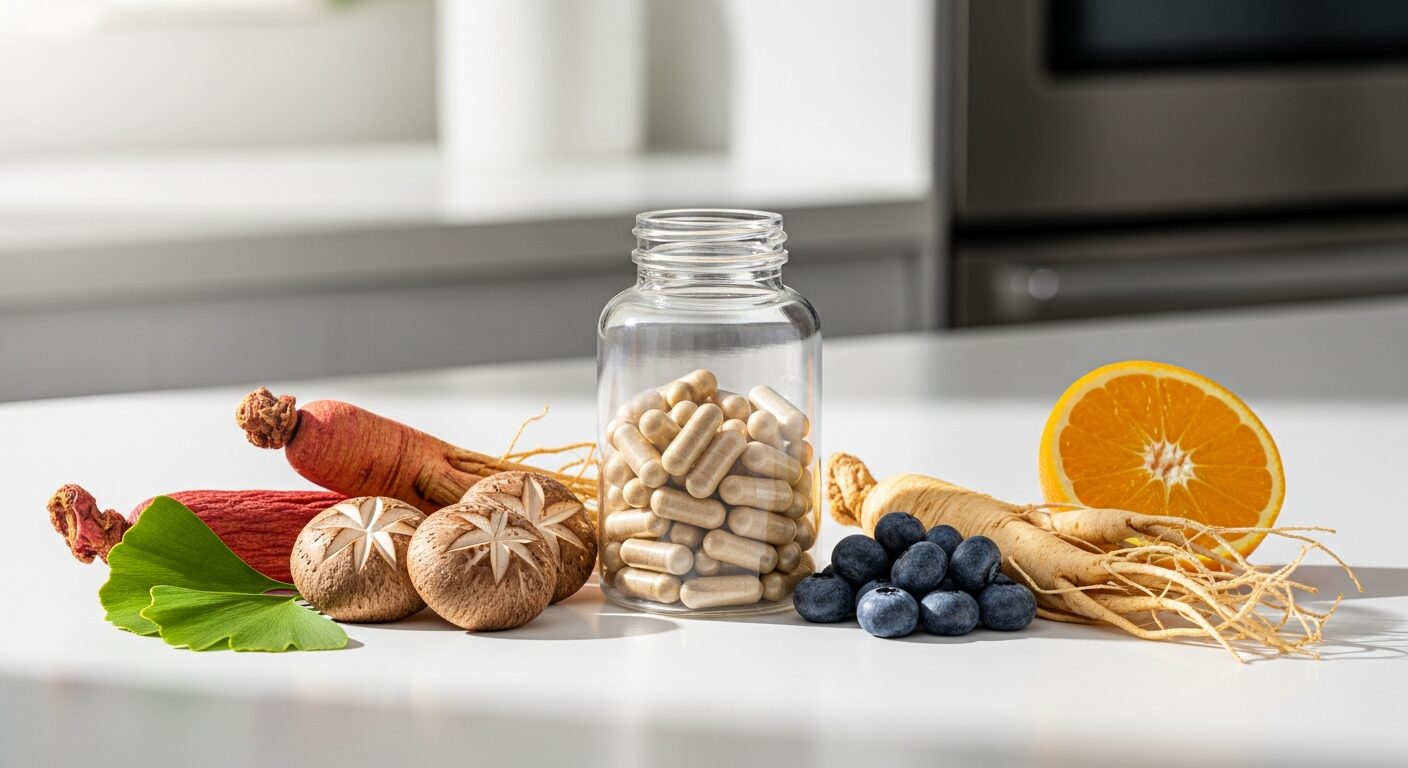
For centuries, ginseng has been revered as the “king of herbs” in traditional medicine, but not all ginseng is created equal. Two powerhouse varieties dominate the global market: Korean ginseng (Panax ginseng) and American ginseng (Panax quinquefolius). While both belong to the same botanical family, their distinct growing conditions, chemical compositions, and therapeutic effects create dramatically different experiences for users.
The confusion between these two ginseng types has led countless supplement users to choose the wrong variety for their needs, missing out on potential benefits or experiencing unexpected side effects. Korean ginseng, with its warming, energizing properties, serves as nature’s stimulant, while American ginseng offers cooling, calming effects that support sustained energy without overstimulation. Understanding these fundamental differences isn’t just academic—it’s essential for anyone seeking to harness ginseng’s remarkable health benefits effectively.
Contents
What is Ginseng
Ginseng refers to several species of slow-growing perennial plants belonging to the genus Panax, characterized by their distinctive forked roots that often resemble human figures. The term “panax” derives from the Greek words “pan” (all) and “akos” (cure), literally meaning “cure-all,” reflecting ginseng’s reputation as a universal remedy in traditional medicine systems.
Korean ginseng (Panax ginseng), also known as Asian or red ginseng when steamed and dried, thrives in the mountainous regions of Korea, China, and Siberia. This variety requires cold winters and specific soil conditions, taking 4-6 years to mature. The harsh growing environment contributes to its potent concentration of active compounds called ginsenosides, particularly the Rb1, Rb2, Rc, Rd, Re, and Rg1 varieties.
American ginseng (Panax quinquefolius) grows naturally in the hardwood forests of eastern North America, from southern Canada to northern Georgia. Unlike its Korean counterpart, American ginseng develops under the forest canopy in rich, well-drained soil. This species contains different ratios of ginsenosides, with higher concentrations of Rb1 and lower levels of Rg1 compared to Korean ginseng.
The processing methods also differ significantly between the two varieties. Korean ginseng is often processed into red ginseng through steaming and drying, which transforms certain ginsenosides and creates new compounds like Rg3 and Rh2. American ginseng is typically dried at lower temperatures, preserving its natural pale color and maintaining its original ginsenoside profile.
Key Benefits of Ginseng
Both Korean and American ginseng offer impressive health benefits, though their mechanisms and intensity differ considerably. Korean ginseng acts as a powerful adaptogen, helping the body resist various stressors while providing immediate energy enhancement. Research demonstrates its ability to improve physical performance, reduce fatigue, and support immune function during periods of high stress or illness recovery.
The cognitive benefits of Korean ginseng are particularly noteworthy. Studies show significant improvements in working memory, attention span, and mental clarity within hours of consumption. This variety excels at combating mental fog and supporting sustained focus during demanding cognitive tasks. Additionally, Korean ginseng demonstrates remarkable effects on sexual health, particularly in men, by improving erectile function and increasing libido through enhanced nitric oxide production and improved blood circulation.
American ginseng offers a gentler but equally valuable set of benefits. Its primary strength lies in blood sugar regulation and metabolic support. Clinical trials consistently show American ginseng’s ability to reduce post-meal blood glucose spikes and improve insulin sensitivity over time. This variety also excels at supporting immune function without overstimulation, making it ideal for long-term use in preventing respiratory infections and supporting overall wellness.
The anti-inflammatory properties of American ginseng are particularly impressive, with research indicating significant reductions in inflammatory markers associated with chronic diseases. Unlike Korean ginseng’s immediate energizing effects, American ginseng provides sustained energy support by improving cellular efficiency and reducing oxidative stress, resulting in less dramatic but more stable energy levels throughout the day.
What Most People Get Wrong About Ginseng
Myth 1: All ginseng varieties are interchangeable. This widespread misconception leads to disappointing results and confusion about ginseng’s effectiveness. Korean and American ginseng contain vastly different ginsenoside profiles, creating opposite effects in many cases. Korean ginseng’s stimulating properties can cause jitteriness and sleep disruption in sensitive individuals, while American ginseng’s calming nature may seem ineffective to those expecting immediate energy boosts. The key lies in matching the ginseng type to your specific needs and constitution rather than assuming one size fits all.
Myth 2: More expensive ginseng is always better. While quality matters tremendously in ginseng supplements, price doesn’t always correlate with effectiveness. Many expensive products rely on marketing hype rather than scientific validation or proper standardization. The most important factors are ginsenoside standardization, proper extraction methods, and third-party testing for purity. A moderately priced American ginseng extract standardized to 10% ginsenosides often outperforms expensive Korean ginseng products with unclear potency levels.
Myth 3: Ginseng works immediately for everyone. Popular media often portrays ginseng as an instant energy pill, but individual responses vary significantly based on genetics, current health status, and lifestyle factors. Some people notice effects within 30 minutes, while others require weeks of consistent use to experience benefits. Additionally, certain individuals may be non-responders due to genetic variations in ginsenoside metabolism. Understanding that ginseng works differently for different people helps set realistic expectations and prevents premature discontinuation.
Myth 4: Ginseng is completely safe because it’s natural. While generally well-tolerated, both Korean and American ginseng can cause significant side effects and drug interactions. Korean ginseng can elevate blood pressure, interfere with sleep, and interact with blood-thinning medications. American ginseng may lower blood sugar too much in diabetics taking medication or cause digestive upset in sensitive individuals. The “natural equals safe” fallacy has led to numerous adverse events that could have been prevented with proper education and medical oversight.
What Happens to Your Body After 30 Days of Taking Ginseng
Week 1: Initial Adaptation
During the first week of ginseng supplementation, your body begins adapting to the ginsenosides’ influence on your hypothalamic-pituitary-adrenal axis. Korean ginseng users typically notice immediate energy increases and improved alertness within 2-3 days, though some may experience mild overstimulation or sleep disruption as their system adjusts. American ginseng users often notice more subtle changes, including slight improvements in post-meal energy stability and reduced afternoon fatigue.
Your immune system also begins responding during this initial period. Immune modulation effects of ginseng compounds, 2019 demonstrates that ginsenosides start influencing cytokine production and white blood cell activity within the first few days of use. Some users report feeling more resilient to stress or noticing that minor health irritations begin resolving more quickly than usual.
Week 2: Noticeable Effects Emerge
By the second week, the cumulative effects become more apparent. Korean ginseng users often experience significant improvements in physical endurance and mental clarity. Exercise performance may increase noticeably, with reduced perceived exertion during workouts and faster recovery between training sessions. Cognitive benefits peak around day 10-14, with improved working memory and sustained attention becoming evident in daily tasks.
American ginseng users typically notice stabilized blood sugar responses and more consistent energy levels throughout the day. The afternoon energy crash that affects many people begins diminishing, replaced by steady, sustainable energy that doesn’t interfere with evening wind-down routines. Sleep quality may also improve as the body’s stress response becomes more balanced.
Week 3-4: Full Benefits Manifest
The third and fourth weeks represent the period when ginseng’s adaptogenic properties reach their full expression. Long-term adaptogenic effects of Panax ginseng, 2020 shows that maximum adaptogenic benefits typically occur after 2-3 weeks of consistent use, when ginsenosides have fully integrated into cellular signaling pathways.
Korean ginseng users often report peak improvements in sexual function, with enhanced libido and performance becoming evident around week 3. Physical performance continues improving, with some studies showing 15-20% increases in exercise capacity by day 21. Mental resilience to stress reaches its highest levels, with users reporting improved emotional stability and cognitive flexibility under pressure.
American ginseng’s metabolic benefits fully manifest during this period, with Glucose regulation effects of American ginseng supplementation, 2018 demonstrating significant improvements in insulin sensitivity and glucose tolerance after three weeks of supplementation. Users often notice improved body composition, with reduced cravings for sugary foods and more stable appetite regulation throughout the day.
Who Should NOT Take Ginseng
Several groups of individuals should avoid ginseng supplementation or use it only under strict medical supervision. Pregnant and breastfeeding women should avoid all forms of ginseng, as ginsenosides can cross the placental barrier and their effects on fetal development remain unclear. The hormonal influences of ginseng may also affect milk production and infant development through breast milk transmission.
Individuals with cardiovascular conditions require special caution, particularly with Korean ginseng. Those with hypertension, heart arrhythmias, or taking blood-thinning medications like warfarin should avoid Korean ginseng entirely, as it can elevate blood pressure and interfere with anticoagulation therapy. American ginseng is generally safer for cardiovascular patients but still requires medical oversight due to potential drug interactions.
People with diabetes taking medication must exercise extreme caution, especially with American ginseng, which can significantly lower blood glucose levels. This effect, while beneficial for some, can cause dangerous hypoglycemia when combined with diabetes medications. Regular blood sugar monitoring and medication adjustments may be necessary under medical supervision.
Individuals with hormone-sensitive conditions, including breast cancer, endometriosis, or uterine fibroids, should avoid ginseng due to its potential estrogenic effects. Both Korean and American ginseng can influence hormone levels, potentially exacerbating these conditions. Similarly, people with autoimmune diseases should use ginseng cautiously, as its immune-stimulating properties might trigger flare-ups in conditions like rheumatoid arthritis or multiple sclerosis.
Those taking psychiatric medications, particularly MAO inhibitors or stimulants for ADHD, should avoid Korean ginseng due to potentially dangerous interactions that could cause hypertensive crises or excessive central nervous system stimulation. Children under 18 should not use ginseng supplements without pediatric medical supervision, as safety data in developing individuals remains limited.
Dosage and Best Forms
Optimal ginseng dosing varies significantly between Korean and American varieties due to their different potencies and active compound concentrations. For Korean ginseng, the typical effective dose ranges from 200-400mg daily of standardized extract containing 4-7% ginsenosides. Red ginseng preparations may require slightly lower doses due to their concentrated nature and the presence of additional bioactive compounds created during processing.
American ginseng requires higher doses, typically 1000-3000mg daily of standardized extract containing 3-5% ginsenosides. The milder nature of American ginseng allows for these higher doses without significant risk of overstimulation. For blood sugar management, studies often use doses at the higher end of this range, taken 40 minutes before meals.
The form of ginseng significantly impacts bioavailability and effectiveness. Standardized extracts provide the most reliable results, with guaranteed ginsenoside content and consistent potency between batches. Liquid extracts offer excellent absorption but may contain added sugars or alcohol. Whole root powders provide the full spectrum of compounds but with variable potency and potentially lower bioavailability.
Timing matters considerably for optimal results. Korean ginseng should be taken in the morning or early afternoon to avoid sleep disruption, preferably on an empty stomach for maximum absorption. American ginseng can be taken any time of day but works best when timed around meals for blood sugar support. Cycling protocols, such as 2-3 weeks on followed by one week off, may prevent tolerance development and maintain long-term effectiveness.
🌿 Looking for Ginseng Supplements?
Browse top-rated Ginseng supplements, independently tested and recommended by our editorial team.
Affiliate disclosure: We may earn a small commission at no extra cost to you.
Frequently Asked Questions
Can I take Korean and American ginseng together?
While not dangerous, combining both types is generally unnecessary and may create unpredictable effects due to their opposing energetic properties. Korean ginseng’s stimulating nature may counteract American ginseng’s calming effects, potentially reducing the benefits of both. Most practitioners recommend choosing one type based on your specific needs rather than combining them. If you wish to experience both benefits, consider cycling between them monthly rather than taking simultaneously.
How long does it take to see results from ginseng?
Results vary significantly between individuals and ginseng types. Korean ginseng often produces noticeable energy and cognitive effects within hours to days, with peak benefits appearing after 2-3 weeks of consistent use. American ginseng typically requires 1-2 weeks for noticeable blood sugar and energy stability improvements, with maximum benefits emerging after 3-4 weeks. Consistency is crucial—sporadic use will not produce the adaptogenic benefits that make ginseng most valuable.
Is wild ginseng better than cultivated ginseng?
Wild ginseng generally contains higher concentrations of ginsenosides due to slower growth and environmental stress, but the differences may not justify the dramatically higher cost for most users. Quality cultivated ginseng from reputable suppliers provides excellent results at a fraction of the price. More importantly, choosing wild ginseng contributes to overharvesting of wild populations. Well-processed cultivated ginseng offers reliable, sustainable, and effective supplementation.
Can ginseng help with weight loss?
Ginseng supports weight management indirectly through several mechanisms rather than acting as a direct fat burner. American ginseng helps stabilize blood sugar and reduce cravings, while Korean ginseng may increase energy expenditure and exercise capacity. Both types support healthy stress responses, which can prevent stress-related weight gain. However, ginseng works best as part of a comprehensive approach including proper diet and exercise rather than as a standalone weight loss solution.
Why do some people not respond to ginseng?
Non-response to ginseng can result from several factors including genetic variations in ginsenoside metabolism, poor product quality, incorrect dosing, or unrealistic expectations. Some individuals may be rapid metabolizers who require higher doses, while others may need different forms or timing for optimal absorption. Additionally, certain medications or health conditions can interfere with ginseng’s effectiveness. Trying different high-quality products and consulting with a knowledgeable practitioner often resolves apparent non-response issues.
Medical Disclaimer
The information provided in this article is for educational purposes only and is not intended to replace professional medical advice, diagnosis, or treatment. Always consult with a qualified healthcare provider before starting any new supplement regimen, especially if you have pre-existing medical conditions, are taking medications, or are pregnant or breastfeeding. Individual responses to ginseng supplementation may vary, and what works for one person may not be suitable for another. The statements regarding ginseng have not been evaluated by the Food and Drug Administration, and ginseng products are not intended to diagnose, treat, cure, or prevent any disease.