
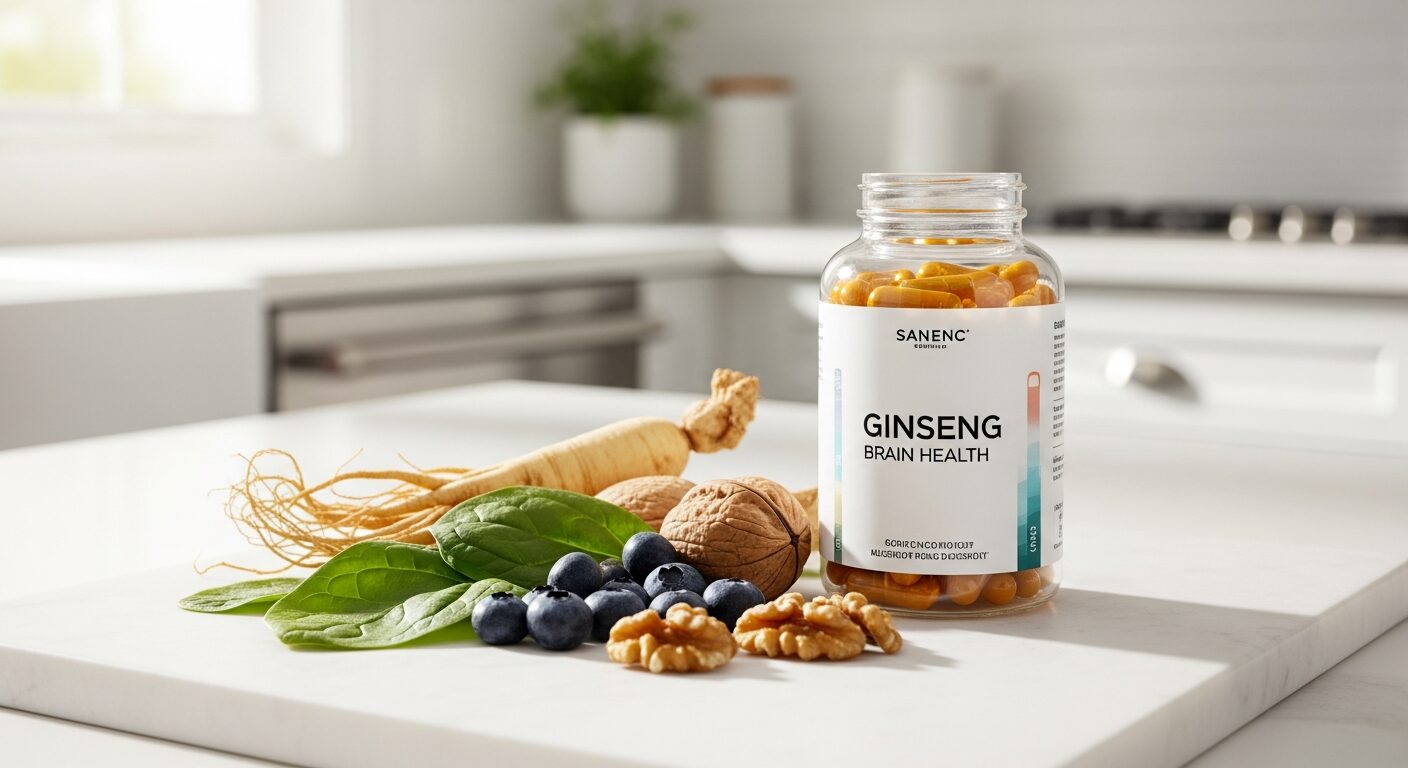
For centuries, ginseng has been revered as one of nature’s most powerful adaptogens, earning the nickname “man root” for its human-like appearance and extraordinary health benefits. While traditional Chinese medicine has long praised ginseng’s ability to enhance vitality and mental clarity, modern science is now uncovering the fascinating mechanisms behind these ancient claims, particularly when it comes to brain health.
Recent research has revealed that ginseng’s unique compounds, called ginsenosides, can cross the blood-brain barrier and directly influence neural function, memory formation, and cognitive performance. From improving focus in healthy adults to potentially slowing cognitive decline in aging populations, the scientific evidence supporting ginseng’s brain-boosting properties continues to grow.
However, not all ginseng supplements are created equal, and understanding the nuances of this remarkable herb is crucial for maximizing its benefits while avoiding potential pitfalls. Let’s explore what cutting-edge research reveals about ginseng’s impact on brain health and how you can harness its power safely and effectively.
Contents
What is Ginseng
Ginseng refers to several species of plants belonging to the genus Panax, with the two most extensively studied varieties being Asian ginseng (Panax ginseng) and American ginseng (Panax quinquefolius). The name “Panax” derives from the Greek word “panacea,” meaning “cure-all,” reflecting the herb’s traditional reputation as a universal remedy.
The active compounds responsible for ginseng’s therapeutic effects are called ginsenosides, also known as saponins. These complex molecules are primarily concentrated in the root of the plant, which typically takes 4-6 years to mature before harvest. There are over 40 different ginsenosides identified in ginseng, with each contributing to different aspects of the herb’s biological activity.
What makes ginseng particularly interesting for brain health is its classification as an adaptogen – a substance that helps the body adapt to stress and maintain homeostasis. Unlike stimulants that provide a temporary energy boost followed by a crash, ginseng works by supporting the body’s natural stress response systems, including the hypothalamic-pituitary-adrenal (HPA) axis, which plays a crucial role in cognitive function and mental performance.
The preparation method significantly affects ginseng’s potency and bioavailability. White ginseng is simply dried after harvest, while red ginseng undergoes a steaming and drying process that transforms certain ginsenosides into more bioactive forms. This processing difference explains why red ginseng often shows stronger effects in clinical studies.
Key Benefits of Ginseng
Scientific research has identified several key mechanisms through which ginseng supports brain health and cognitive function. The most well-documented benefits include enhanced memory formation, improved attention and focus, neuroprotective effects, and stress resilience.
Memory enhancement represents one of ginseng’s most studied cognitive benefits. Ginsenosides facilitate acetylcholine release and protect cholinergic neurons, 2005 which are crucial for memory consolidation and retrieval. This mechanism is particularly important as we age, since acetylcholine levels naturally decline over time, contributing to age-related memory problems.
Ginseng also demonstrates significant neuroprotective properties by reducing oxidative stress and inflammation in brain tissue. The herb’s antioxidant compounds help neutralize free radicals that can damage neurons, while its anti-inflammatory effects help protect against chronic neuroinflammation, which is implicated in cognitive decline and neurodegenerative diseases.
Another key benefit is ginseng’s ability to improve cerebral blood flow and glucose metabolism in the brain. Enhanced blood circulation ensures optimal oxygen and nutrient delivery to brain cells, while improved glucose metabolism provides the energy necessary for peak cognitive performance. This dual action helps explain why many users report feeling mentally sharper and more alert after taking ginseng supplements.
Stress reduction and mood improvement represent additional important benefits. Ginseng helps regulate cortisol levels and supports the HPA axis, which can become dysregulated due to chronic stress. By promoting a more balanced stress response, ginseng indirectly supports cognitive function, since chronic stress is known to impair memory, attention, and decision-making abilities.
What Most People Get Wrong About Ginseng
Despite its popularity, several persistent myths and misconceptions surround ginseng supplementation. Understanding these common errors can help you make more informed decisions and set realistic expectations for your ginseng regimen.
Myth 1: All Ginseng Products Are Equally Effective
One of the biggest misconceptions is that all ginseng supplements provide the same benefits. In reality, the concentration and type of ginsenosides vary dramatically between products and preparation methods. Many commercial ginseng supplements contain insufficient amounts of active compounds to produce meaningful effects. Studies show that ginsenoside content can vary by more than 10-fold between different products, even when they claim to contain the same amount of ginseng root extract.
Additionally, Siberian ginseng (Eleutherococcus senticosus) is not actually ginseng at all, despite its name. While it may have some adaptogenic properties, it doesn’t contain ginsenosides and shouldn’t be expected to provide the same cognitive benefits as true ginseng species.
Myth 2: More is Always Better
Another common mistake is assuming that higher doses automatically lead to better results. Research suggests that ginseng follows a bell-shaped dose-response curve, meaning that both too little and too much can be ineffective. Optimal cognitive benefits typically occur at moderate doses of 200-400mg daily, 2005, while higher doses may actually diminish benefits or increase the risk of side effects.
This phenomenon occurs because ginseng’s adaptogenic effects depend on achieving the right balance in various neurotransmitter and hormone systems. Excessive doses can overwhelm these systems and paradoxically reduce effectiveness.
Myth 3: Ginseng Works Immediately Like a Stimulant
Many people expect ginseng to work like caffeine, providing an immediate energy boost. However, ginseng’s mechanisms are fundamentally different from stimulants. While some acute effects may be noticeable within hours, ginseng’s most significant benefits typically emerge gradually over weeks of consistent use as it helps restore balance to various physiological systems.
This misconception often leads to disappointment and premature discontinuation. Unlike stimulants that provide temporary arousal followed by a crash, ginseng works by supporting the body’s natural energy production and stress response systems, which takes time to optimize.
Myth 4: Ginseng is Safe for Everyone
While generally well-tolerated, ginseng is not universally safe. It can interact with several medications, particularly blood thinners and diabetes medications. Some people may experience insomnia, headaches, or digestive issues, especially when starting supplementation or taking excessive doses. The assumption that “natural equals safe” can lead to inappropriate use and potential adverse effects.
What Happens to Your Body After 30 Days of Taking Ginseng
Understanding the timeline of ginseng’s effects can help you set appropriate expectations and monitor your progress effectively. Based on clinical research and user reports, here’s what typically occurs during the first month of consistent ginseng supplementation.
Week 1: Initial Adaptation Phase
During the first week, your body begins adapting to ginseng’s bioactive compounds. Some individuals may notice subtle improvements in energy levels and stress tolerance, though these effects are often mild and may not be immediately apparent. Your digestive system is also adjusting to the supplement, so taking ginseng with food can help minimize any potential stomach upset.
At the cellular level, ginsenosides are beginning to accumulate in your system and interact with various receptors. The herb starts influencing your HPA axis and neurotransmitter systems, though the full effects won’t be noticeable yet. Some people may experience mild side effects like headaches or sleep changes as their body adjusts to the supplement.
Week 2: Emerging Benefits
By the second week, many users begin noticing more consistent improvements in mental clarity and stress resilience. Working memory and attention span improvements typically become apparent around this time, 2002, as ginseng’s effects on acetylcholine and dopamine systems strengthen.
Physical energy levels often stabilize during this period, with less dependence on caffeine or other stimulants. Sleep quality may improve as your stress response becomes more balanced. However, some individuals might still experience mild sleep disturbances if taking ginseng too late in the day, as the herb can have mild stimulating effects in sensitive people.
Weeks 3-4: Full Benefits Emerge
The third and fourth weeks typically represent when ginseng’s full cognitive benefits become most apparent. Memory consolidation improves, making it easier to learn and retain new information. Mental fatigue decreases significantly, and sustained attention becomes noticeably better.
Stress tolerance reaches optimal levels during this period, with many users reporting feeling calmer and more resilient in challenging situations. The herb’s neuroprotective effects are also fully engaged, though these benefits primarily manifest as long-term protection rather than immediately noticeable changes.
Mood improvements often peak during this timeframe as well, with reduced anxiety and increased motivation becoming more consistent. Physical endurance and recovery from mental exertion also typically show significant improvement by the end of the first month.
Who Should NOT Take Ginseng
While ginseng is generally safe for most healthy adults, certain individuals should exercise caution or avoid supplementation entirely. Understanding these contraindications is crucial for safe and effective use.
Pregnant and breastfeeding women should avoid ginseng supplementation due to insufficient safety data and potential hormonal effects. The herb’s influence on estrogen and other hormones could theoretically affect fetal development or milk production, though definitive research is lacking.
People taking blood-thinning medications like warfarin should consult their healthcare provider before using ginseng, as the herb may enhance anticoagulant effects and increase bleeding risk. Similarly, individuals on diabetes medications need medical supervision, since ginseng can lower blood sugar levels and potentially cause hypoglycemia when combined with diabetes drugs.
Those with hormone-sensitive conditions, including certain types of breast cancer, uterine cancer, or endometriosis, should avoid ginseng due to its potential estrogenic effects. The herb may stimulate the growth of hormone-sensitive tissues, potentially worsening these conditions.
People with autoimmune diseases such as multiple sclerosis, rheumatoid arthritis, or lupus should use ginseng cautiously, as its immune-stimulating properties could theoretically exacerbate autoimmune activity. However, some research suggests ginseng may actually help regulate immune function, so medical supervision is essential for these individuals.
Individuals with severe insomnia or anxiety disorders may find that ginseng worsens their symptoms, particularly if taken later in the day. Those with high blood pressure should also monitor their levels closely when starting ginseng, as the herb can occasionally cause blood pressure fluctuations in sensitive individuals.
Children and adolescents should not take ginseng supplements without medical supervision, as the long-term effects on developing bodies are not well understood. Additionally, people scheduled for surgery should discontinue ginseng at least two weeks beforehand due to potential effects on blood clotting and blood sugar control.
Dosage and Best Forms
Optimal ginseng dosing depends on several factors, including the specific type of ginseng, the concentration of active compounds, and individual response. For cognitive benefits, research supports doses of 200-400mg daily of standardized ginseng extract containing at least 4-7% ginsenosides.
Red ginseng extract typically provides the most consistent cognitive benefits due to its enhanced bioavailability and higher concentration of transformed ginsenosides. Look for products standardized to specific ginsenoside content rather than just raw root powder, which may contain variable amounts of active compounds.
Timing matters significantly with ginseng supplementation. Taking it in the morning or early afternoon helps maximize cognitive benefits while minimizing potential sleep interference. Dividing the daily dose into two smaller doses can help maintain more stable blood levels throughout the day.
Cycling ginseng supplementation may help prevent tolerance and maintain effectiveness. Many practitioners recommend taking ginseng for 2-3 months followed by a 1-2 week break, though continuous use appears safe for most people based on available research.
Liquid extracts and standardized capsules generally provide better absorption than whole root powder. However, avoid products that combine ginseng with large amounts of caffeine or other stimulants, as these can mask ginseng’s true effects and increase the risk of side effects.
🌿 Looking for Ginseng Supplements?
Browse top-rated Ginseng supplements, independently tested and recommended by our editorial team.
Affiliate disclosure: We may earn a small commission at no extra cost to you.
Frequently Asked Questions
How long does it take for ginseng to start working?
While some people notice subtle effects within a few days, ginseng’s most significant cognitive benefits typically emerge after 2-4 weeks of consistent use. Unlike stimulants that work immediately, ginseng needs time to optimize various physiological systems. For best results, plan to supplement consistently for at least one month before evaluating effectiveness.
Can I take ginseng with coffee or other supplements?
Ginseng can generally be combined safely with moderate amounts of caffeine, and many users find the combination provides smooth, sustained energy without jitters. However, avoid excessive caffeine intake as this may mask ginseng’s more subtle effects. Ginseng also combines well with other adaptogens like rhodiola or ashwagandha, though start with one supplement at a time to assess individual responses.
Is American ginseng different from Asian ginseng for brain health?
Both American and Asian ginseng contain beneficial ginsenosides, but their profiles differ slightly. Asian ginseng (Panax ginseng) tends to be more stimulating and may provide stronger cognitive enhancement effects. American ginseng (Panax quinquefolius) is generally more calming and may be better for stress-related cognitive issues. Both have research support for brain health benefits.
What’s the difference between white and red ginseng?
White ginseng is simply air-dried after harvest, while red ginseng is steamed and then dried. The steaming process transforms certain ginsenosides into more bioactive forms, particularly Rg3 and Rh2, which show enhanced neuroprotective properties. Red ginseng typically demonstrates stronger effects in research studies and may be preferred for cognitive benefits, though it’s also more expensive.
Research suggests ginseng may help support cognitive function in aging adults by protecting neurons from oxidative damage, improving cerebral blood flow, and supporting acetylcholine production. While it’s not a cure for dementia or Alzheimer’s disease, regular ginseng supplementation may help maintain cognitive performance and potentially slow normal age-related decline when combined with other healthy lifestyle practices.
Medical Disclaimer
The information provided in this article is for educational purposes only and is not intended to diagnose, treat, cure, or prevent any disease. Always consult with a qualified healthcare provider before starting any new supplement regimen, especially if you have pre-existing medical conditions, are taking medications, or are pregnant or breastfeeding. Individual responses to supplements can vary significantly, and what works for one person may not be appropriate for another. If you experience any adverse effects while taking ginseng, discontinue use and consult your healthcare provider immediately.