
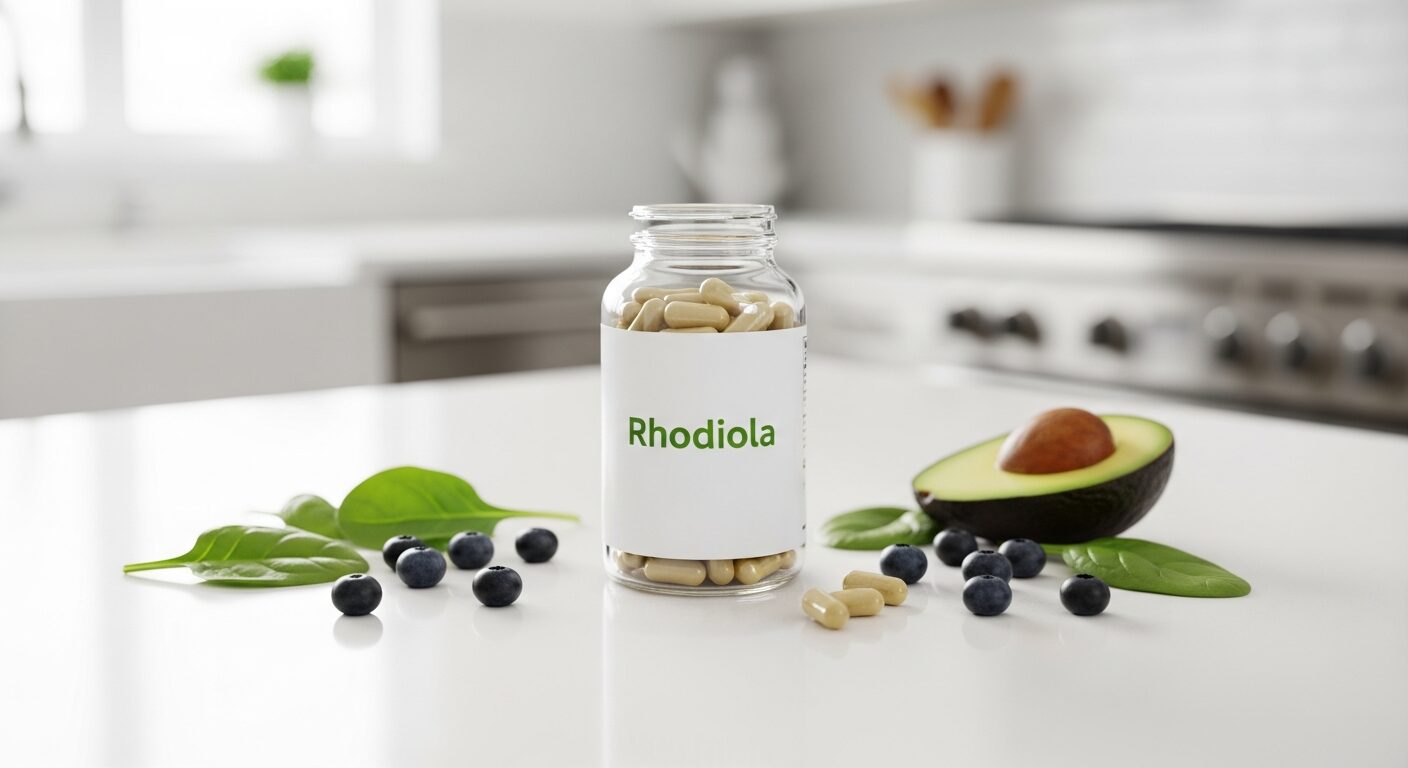
In the crowded world of adaptogenic herbs, two names consistently rise to the top: Rhodiola rosea and Ashwagandha. Both have garnered significant attention from researchers and health enthusiasts alike for their potential to help the body manage stress and improve overall well-being. Yet despite their shared classification as adaptogens, these botanical powerhouses work through distinctly different mechanisms and offer unique benefits.
While Ashwagandha has become the poster child for stress relief in Western wellness circles, Rhodiola rosea has quietly maintained its reputation as the “golden root” among Scandinavian and Russian cultures for over a millennium. The question isn’t necessarily which one is superior, but rather which one aligns better with your specific health goals and physiological needs.
Understanding the nuanced differences between these two adaptogens can mean the difference between experiencing transformative health benefits and wondering why expensive supplements aren’t delivering the results you expected. Let’s dive deep into the science behind Rhodiola rosea to help you make an informed decision.
Contents
What is Rhodiola
Rhodiola rosea, commonly known as golden root, arctic root, or rose root, is a perennial flowering plant that thrives in the cold, mountainous regions of Europe, Asia, and North America. This hardy herb belongs to the Crassulaceae family and has adapted to survive in some of the harshest environments on Earth, from the Siberian tundra to the Rocky Mountains.
The plant’s remarkable resilience in extreme conditions is precisely what makes it so valuable as an adaptogen. Rhodiola contains over 140 active compounds, with the most important being rosavin, salidroside, and tyrosol. These bioactive compounds work synergistically to help regulate the hypothalamic-pituitary-adrenal (HPA) axis, which controls our body’s stress response system.
What sets Rhodiola apart from other adaptogens is its unique ability to provide both calming and energizing effects simultaneously. Unlike stimulants that can cause jitters or sedatives that induce drowsiness, Rhodiola helps normalize energy levels by supporting optimal neurotransmitter function. This dual action makes it particularly appealing for individuals seeking mental clarity and physical stamina without the side effects associated with caffeine or other stimulants.
Key Benefits of Rhodiola
Scientific research has revealed several compelling benefits of Rhodiola supplementation, backed by both animal studies and human clinical trials. The herb’s adaptogenic properties translate into measurable improvements across multiple aspects of health and performance.
Stress resilience stands as Rhodiola’s most well-documented benefit. A randomized controlled trial published in 2009 demonstrated that participants taking Rhodiola extract experienced significant improvements in symptoms of stress-related fatigue within just one week of supplementation. The study showed enhanced performance on work-related tasks and improved overall quality of life scores.
Mental performance and cognitive function also see notable improvements with Rhodiola use. Studies indicate that the herb can enhance working memory, attention span, and mental processing speed, particularly during periods of stress or fatigue. This makes it valuable for students, professionals, and anyone facing mentally demanding situations.
Physical endurance represents another area where Rhodiola shines. Research suggests that regular supplementation can increase exercise capacity, reduce perceived exertion during physical activity, and accelerate recovery times. Athletes and fitness enthusiasts often report improved stamina and reduced muscle fatigue when incorporating Rhodiola into their regimen.
Mood regulation benefits have also emerged from clinical studies, with some research indicating that Rhodiola may help alleviate mild to moderate symptoms of depression and anxiety. The herb appears to influence serotonin and dopamine levels in the brain, contributing to improved emotional balance and overall well-being.
What Most People Get Wrong About Rhodiola
Despite growing popularity, several persistent misconceptions surround Rhodiola that can lead to unrealistic expectations or improper usage. Understanding these myths is crucial for maximizing the herb’s benefits.
The first major misconception is that Rhodiola works like a traditional stimulant, providing immediate energy similar to caffeine. Many people expect to feel a noticeable “boost” within hours of taking their first dose. In reality, Rhodiola works through hormonal modulation and neurotransmitter optimization, processes that typically require consistent use over several days or weeks to manifest. The herb’s energizing effects are subtle and sustainable rather than dramatic and short-lived.
Another common myth suggests that higher doses automatically translate to better results. Some users assume that if 200mg provides modest benefits, then 600mg must be significantly more effective. However, research indicates that Rhodiola follows an inverted U-curve response, meaning that excessive doses can actually diminish benefits or cause unwanted side effects like jitteriness or sleep disruption. The optimal dosage range appears to be relatively narrow, typically between 200-400mg daily.
Many people also believe that all Rhodiola supplements are created equal, focusing solely on the total amount of extract rather than the standardization of active compounds. This oversight can lead to disappointing results, as the therapeutic effects depend on specific ratios of rosavin and salidroside. Quality supplements should contain a 3:1 ratio of rosavins to salidroside, mimicking the natural composition found in wild Rhodiola rosea roots.
Perhaps the most problematic misconception is that Rhodiola can completely replace proper sleep, nutrition, and stress management practices. While the herb can certainly enhance resilience and performance, it works best as part of a comprehensive wellness approach rather than a standalone solution for chronic stress or poor lifestyle habits.
What Happens to Your Body After 30 Days of Taking Rhodiola
Understanding the timeline of Rhodiola’s effects can help set realistic expectations and ensure consistent usage during the initial adjustment period. The herb’s benefits typically unfold in distinct phases over the first month of supplementation.
During the first week, most users experience subtle but noticeable changes in their stress response and energy levels. Many report feeling less overwhelmed by daily stressors and notice improved mental clarity during typically challenging times of day, such as mid-afternoon energy dips. Sleep quality may also begin to improve, with some individuals experiencing deeper, more restorative rest.
By the second week, the adaptogenic effects become more pronounced. Cognitive performance often shows measurable improvements, with enhanced focus, better memory recall, and increased mental stamina during demanding tasks. Physical energy levels typically stabilize at this point, with less reliance on caffeine or other stimulants to maintain alertness throughout the day.
Weeks three and four represent the period when Rhodiola’s full benefits typically manifest. Research published in Phytomedicine demonstrated that participants experienced peak improvements in fatigue levels and work performance after approximately three weeks of consistent supplementation. Many users report enhanced exercise tolerance, improved mood stability, and better overall resilience to both physical and psychological stressors.
It’s important to note that individual responses can vary based on factors such as baseline stress levels, overall health status, dosage, and supplement quality. Some highly sensitive individuals may notice benefits within the first few days, while others with chronic stress or adrenal dysfunction might require six to eight weeks to experience optimal results.
Who Should NOT Take Rhodiola
While Rhodiola is generally well-tolerated by most healthy adults, certain individuals should exercise caution or avoid supplementation entirely. Understanding these contraindications is essential for safe and effective use.
Individuals with bipolar disorder should avoid Rhodiola unless under direct medical supervision. The herb’s effects on neurotransmitters and mood regulation can potentially trigger manic episodes in susceptible individuals. Several case reports have documented mood destabilization in bipolar patients following Rhodiola supplementation, highlighting the importance of professional guidance for this population.
Pregnant and breastfeeding women should avoid Rhodiola due to insufficient safety data. While traditional use suggests the herb is relatively safe, comprehensive studies on maternal and fetal outcomes are lacking. The potential for hormonal influences and the lack of established safe dosing ranges make it prudent to avoid during pregnancy and lactation.
People taking prescription medications for depression, anxiety, or other psychiatric conditions should consult their healthcare provider before adding Rhodiola to their regimen. The herb can potentially interact with selective serotonin reuptake inhibitors (SSRIs), monoamine oxidase inhibitors (MAOIs), and other psychoactive medications, leading to unpredictable effects or side effects.
Individuals with autoimmune conditions may need to exercise caution, as Rhodiola can modulate immune system function. While this immune-modulating effect can be beneficial for healthy individuals, it may potentially exacerbate symptoms in those with conditions like rheumatoid arthritis, multiple sclerosis, or systemic lupus erythematosus.
Those with diabetes should monitor blood glucose levels closely when starting Rhodiola supplementation, as some research suggests the herb may influence blood sugar regulation. While this effect is generally mild, it could potentially interact with diabetes medications or require dosage adjustments.
Dosage and Best Forms
Selecting the appropriate Rhodiola dosage and form is crucial for achieving optimal benefits while minimizing potential side effects. The scientific literature provides clear guidance on effective dosing strategies based on specific health goals.
For general stress management and adaptogenic support, the recommended dosage ranges from 200-400mg daily of standardized Rhodiola extract. Clinical trials have consistently shown effectiveness within this range, with most studies using 340mg as the standard dose. Higher doses (600-800mg) have been used in some research but haven’t demonstrated superior benefits and may increase the risk of side effects.
Timing of administration plays a important role in maximizing benefits. Most experts recommend taking Rhodiola on an empty stomach, either 30 minutes before breakfast or between meals, to optimize absorption. Taking the supplement too late in the day may interfere with sleep in sensitive individuals, so morning or early afternoon dosing is generally preferred.
The most effective Rhodiola supplements are standardized to contain 3% rosavins and 1% salidroside, maintaining the natural ratio found in wild-harvested roots. This standardization ensures consistent potency and therapeutic effects. Avoid products that only list total Rhodiola content without specifying active compound concentrations.
Cycling protocols may enhance long-term effectiveness and prevent tolerance development. Many practitioners recommend taking Rhodiola for 6-8 weeks followed by a 2-3 week break, though continuous use for several months appears safe for most individuals. Listen to your body and consider periodic breaks if effects seem to diminish over time.
🌿 Looking for Rhodiola Supplements?
Browse top-rated Rhodiola supplements, independently tested and recommended by our editorial team.
Affiliate disclosure: We may earn a small commission at no extra cost to you.
Frequently Asked Questions
Can I take Rhodiola with coffee or other stimulants?
While Rhodiola can generally be combined with moderate amounts of caffeine, it’s important to monitor your total stimulant intake. The combination may enhance energy and focus for some individuals, but others might experience jitteriness or anxiety. Start with lower doses of both and assess your tolerance before increasing either substance.
How long does it take to feel the effects of Rhodiola?
Most people begin to notice subtle effects within 3-7 days of consistent use, with more pronounced benefits typically emerging after 2-3 weeks. However, individual responses vary based on factors like stress levels, overall health, and dosage. Some highly sensitive individuals may feel effects within hours, while others with chronic stress may require 4-6 weeks for optimal results.
Is it better to take Rhodiola or Ashwagandha for anxiety?
Both herbs can help with anxiety, but they work through different mechanisms. Ashwagandha tends to be more directly calming and may be preferable for generalized anxiety or nighttime restlessness. Rhodiola is often better for stress-related anxiety and situations requiring maintained alertness and performance. Some people benefit from alternating between the two or using them at different times of day.
Can Rhodiola cause weight loss?
While not primarily a weight loss supplement, Rhodiola may indirectly support healthy weight management by reducing stress-related cortisol levels and improving exercise performance. Some users report decreased cravings for comfort foods and increased motivation for physical activity. However, sustainable weight loss requires comprehensive dietary and lifestyle changes rather than relying on supplements alone.
What should I do if I experience side effects from Rhodiola?
Common mild side effects include dizziness, dry mouth, or sleep disturbances, usually occurring with higher doses or sensitive individuals. If you experience side effects, reduce your dosage by half or take a temporary break from supplementation. Severe reactions like chest pain, rapid heartbeat, or severe mood changes warrant immediate discontinuation and medical consultation.
Medical Disclaimer
This article is for informational and educational purposes only and does not constitute medical advice. The information provided should not be used to diagnose, treat, cure, or prevent any disease or health condition. Individual responses to supplements can vary significantly, and what works for one person may not be appropriate for another.
Before starting any new supplement regimen, including Rhodiola, consult with a qualified healthcare professional, especially if you have existing medical conditions, take prescription medications, or are pregnant or breastfeeding. This is particularly important for individuals with psychiatric conditions, autoimmune disorders, or cardiovascular disease.
The statements in this article have not been evaluated by the Food and Drug Administration. Rhodiola supplements are not intended to diagnose, treat, cure, or prevent any disease. Always purchase supplements from reputable manufacturers and follow dosage instructions carefully.