
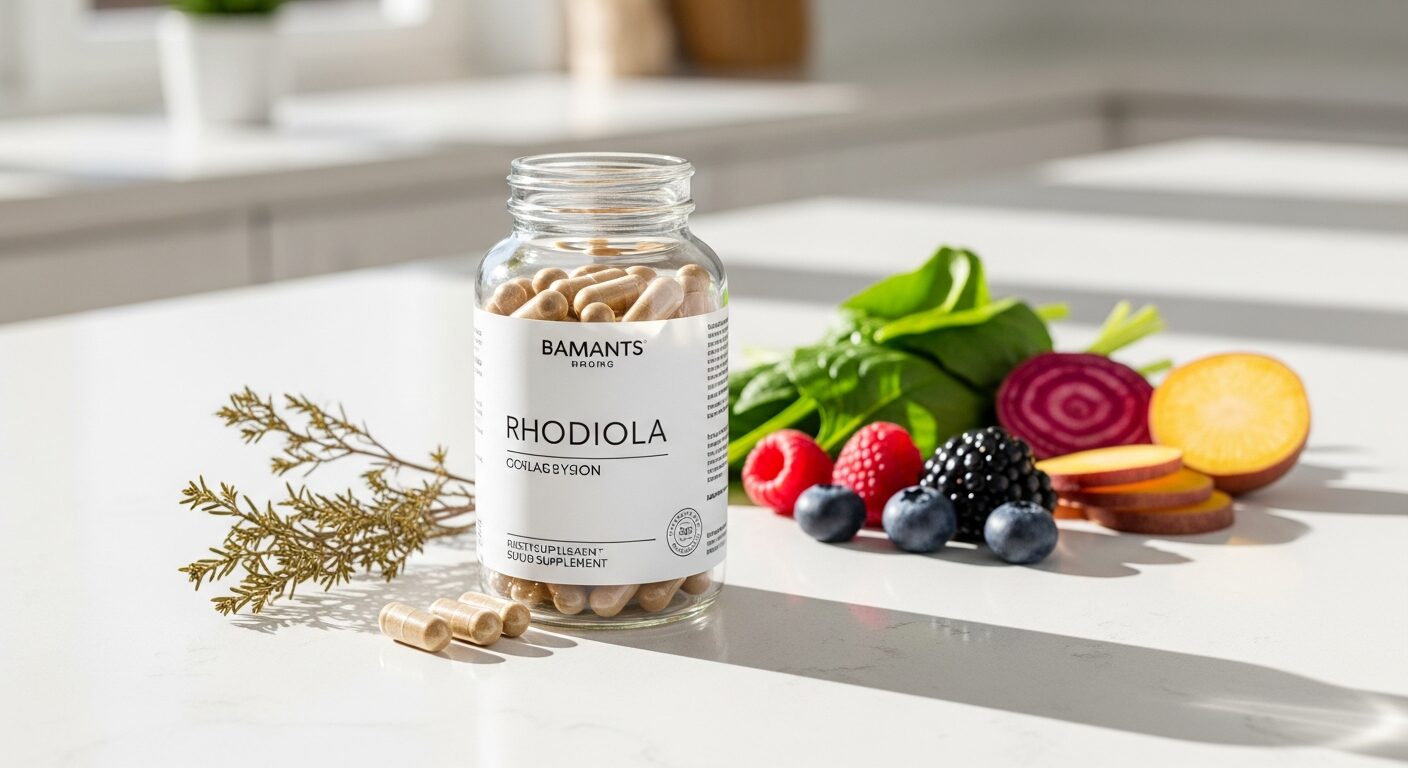
In our fast-paced modern world, chronic stress has become an unwelcome companion for millions of people. While stress management techniques like meditation and exercise are valuable, many individuals are turning to natural supplements to help their bodies better cope with daily pressures. Among these botanical allies, Rhodiola rosea stands out as one of the most promising and well-researched adaptogenic herbs for stress management.
Often called “golden root” or “arctic root,” Rhodiola has captured the attention of both traditional healers and modern scientists. This hardy plant, which thrives in some of the world’s harshest climates, has been used for centuries in traditional medicine systems across Scandinavia, Russia, and Central Asia. What makes Rhodiola particularly intriguing is not just its historical use, but the growing body of scientific evidence supporting its ability to help the human body adapt to various forms of stress – physical, mental, and environmental.
As research continues to unveil the mechanisms behind Rhodiola’s stress-fighting properties, we’re beginning to understand how this remarkable herb can potentially transform our relationship with stress. But like many popular supplements, Rhodiola is surrounded by both legitimate science and persistent misconceptions that can cloud our understanding of its true benefits and limitations.
Contents
What is Rhodiola
Rhodiola rosea is a perennial flowering plant that belongs to the Crassulaceae family. This remarkable herb grows in cold, mountainous regions across Europe, Asia, and North America, thriving at high altitudes where few other plants can survive. The harsh environmental conditions in which Rhodiola flourishes have contributed to its unique chemical profile, packed with bioactive compounds that help the plant – and potentially humans – adapt to stress.
The primary active compounds in Rhodiola include rosavins (rosavin, rosin, and rosarin) and salidroside. These compounds are believed to be responsible for the herb’s adaptogenic properties. Adaptogens are a unique class of herbs that help the body maintain homeostasis and resist various forms of stress, whether physical, chemical, or biological.
Historically, Rhodiola has been used by Vikings to enhance their physical strength and endurance during long voyages. In Siberia, it was traditionally given to newlyweds to promote fertility and ensure healthy children. Russian cosmonauts and Olympic athletes have used Rhodiola to improve performance and recovery under extreme conditions. This rich history of use across diverse cultures speaks to the herb’s perceived effectiveness in helping humans overcome challenging circumstances.
What sets Rhodiola apart from other stress-supporting herbs is its biphasic effect – it can be both energizing and calming, depending on what the body needs. This intelligent adaptability is what makes it particularly valuable for modern stress management, as it doesn’t simply suppress stress responses but rather helps optimize them.
Key Benefits of Rhodiola
Scientific research has identified several key areas where Rhodiola supplementation may provide meaningful benefits. The most well-established benefit is its ability to reduce symptoms of stress and fatigue. A randomized controlled trial published in 2009 demonstrated that Rhodiola extract significantly improved symptoms of stress-related fatigue and enhanced mental performance in healthy individuals experiencing stress.
Beyond stress reduction, Rhodiola appears to support cognitive function under challenging conditions. Studies suggest that it may help maintain mental clarity, focus, and decision-making abilities when the mind is under pressure. This cognitive protection is particularly valuable for individuals in demanding professions or those facing periods of intense mental workload.
Physical performance and recovery represent another area of significant benefit. Research indicates that Rhodiola may help reduce exercise-induced fatigue, improve endurance capacity, and support faster recovery between training sessions. These effects appear to stem from the herb’s ability to optimize the body’s energy production at the cellular level and reduce oxidative stress.
Mood support is another well-documented benefit of Rhodiola supplementation. Some studies suggest that it may help alleviate symptoms of mild to moderate depression and anxiety, particularly when these conditions are related to stress and fatigue. The herb appears to influence neurotransmitter activity, including serotonin, dopamine, and norepinephrine, which play crucial roles in mood regulation.
Sleep quality improvements have also been reported by many Rhodiola users, though the mechanisms here are somewhat indirect. By helping the body better manage stress throughout the day, Rhodiola may contribute to more restful sleep and better recovery overnight.
What Most People Get Wrong About Rhodiola
Despite its growing popularity, several persistent misconceptions surround Rhodiola that can lead to unrealistic expectations or improper use. Understanding these myths is crucial for anyone considering this supplement.
Myth 1: Rhodiola works immediately like a stimulant. Many people expect Rhodiola to provide an instant energy boost similar to caffeine or other stimulants. This expectation stems from marketing claims that position adaptogens as natural energy boosters. However, scientific evidence shows that Rhodiola’s benefits typically develop gradually over weeks of consistent use. Unlike stimulants that provide immediate but short-lived effects, Rhodiola works by gradually optimizing the body’s stress response systems. Most clinical studies showing significant benefits used supplementation periods of 4-12 weeks, suggesting that patience and consistency are key to experiencing meaningful results.
Myth 2: Higher doses always mean better results. A common misconception is that increasing Rhodiola dosage will amplify its benefits. Research actually suggests the opposite may be true. Rhodiola follows what’s known as an inverted U-curve dose response, meaning that moderate doses often produce optimal results while very high doses may actually reduce effectiveness or cause unwanted side effects. Studies have found that doses between 200-400mg daily typically provide the best balance of efficacy and tolerability, while doses above 600mg may lead to irritability, insomnia, or anxiety in some individuals.
Myth 3: All Rhodiola supplements are equally effective. The supplement market is flooded with Rhodiola products of varying quality, leading many consumers to believe that any Rhodiola supplement will provide the documented benefits. However, research shows that the ratio and concentration of active compounds – particularly rosavins and salidroside – significantly impact effectiveness. Most successful clinical trials used extracts standardized to contain 3% rosavins and 1% salidroside. Many commercial products don’t meet these specifications or fail to provide adequate potency testing, which explains why some users report minimal benefits despite consistent use.
Myth 4: Rhodiola is safe for everyone because it’s natural. The assumption that natural automatically means safe for all individuals is a dangerous oversimplification. While Rhodiola has a generally good safety profile, it can interact with certain medications and may not be appropriate for individuals with specific health conditions. For example, Rhodiola may enhance the effects of diabetes medications, potentially leading to hypoglycemia, and its mild MAO inhibitor activity could theoretically interact with certain antidepressants. Additionally, its stimulating properties may exacerbate anxiety disorders in sensitive individuals.
What Happens to Your Body After 30 Days of Taking Rhodiola
Understanding the timeline of Rhodiola’s effects can help set appropriate expectations and encourage consistent use during the initial period when benefits may not yet be apparent. Research suggests that the herb’s effects unfold in distinct phases over the first month of supplementation.
Week 1: Initial Adaptation During the first week, most people experience subtle changes that are often more noticeable in retrospect. The body begins adapting to the herb’s influence on stress hormone regulation, particularly cortisol patterns. Some individuals may notice slight improvements in morning energy levels or feel less overwhelmed by daily stressors, though these effects are typically mild. A small percentage of users might experience minor side effects like mild headaches or changes in sleep patterns as their systems adjust to the supplement. It’s important to note that dramatic changes during this period are uncommon and shouldn’t be expected.
Week 2: Emerging Benefits By the second week, more noticeable changes typically begin to emerge. Research suggests that this is when many people start experiencing improvements in mental fatigue and stress resilience. A 2012 study examining Rhodiola’s effects on stress symptoms found that significant improvements in fatigue and stress-related symptoms became apparent around the two-week mark. Users often report feeling more mentally clear during challenging situations and experiencing less afternoon energy crashes. Physical endurance may also begin to improve during this period, with some individuals noticing better performance during exercise or daily activities.
Week 3-4: Full Benefits Manifest The third and fourth weeks typically represent the period when Rhodiola’s full benefits become apparent. By this time, the herb has had sufficient opportunity to influence the hypothalamic-pituitary-adrenal (HPA) axis, which governs the body’s stress response. Users commonly report significant improvements in their ability to handle stressful situations without feeling overwhelmed or depleted. Sleep quality often improves during this period, with many people experiencing more restorative rest and better morning alertness. Mood stabilization is another common benefit that becomes more pronounced by the end of the first month, with users reporting greater emotional resilience and reduced anxiety in stressful situations.
It’s crucial to understand that individual responses can vary significantly based on factors like baseline stress levels, overall health status, diet, sleep quality, and the specific Rhodiola product being used. Some individuals may notice benefits earlier or later than this typical timeline, and a minority may require 6-8 weeks of consistent use before experiencing significant improvements.
Who Should NOT Take Rhodiola
While Rhodiola is generally well-tolerated by most healthy adults, several groups should exercise caution or avoid this supplement entirely. Understanding these contraindications is essential for safe and responsible use.
Individuals with autoimmune conditions should be particularly cautious with Rhodiola supplementation. Since adaptogens can modulate immune system activity, there’s theoretical concern that they might either overstimulate or interfere with immune function in people with conditions like rheumatoid arthritis, multiple sclerosis, or lupus. While direct evidence of harm is limited, the potential for unpredictable immune effects warrants careful consideration and medical supervision.
People taking medications for diabetes should consult healthcare providers before using Rhodiola, as the herb may enhance insulin sensitivity and glucose uptake, potentially leading to dangerously low blood sugar levels when combined with diabetes medications. Similarly, individuals on blood pressure medications should exercise caution, as Rhodiola may have mild effects on blood pressure regulation.
Those with bipolar disorder or other mood disorders characterized by manic episodes should approach Rhodiola with extreme caution. The herb’s mild stimulating properties could potentially trigger or exacerbate manic episodes in susceptible individuals. Additionally, people taking monoamine oxidase inhibitors (MAOIs) or certain other psychiatric medications should avoid Rhodiola due to potential interactions affecting neurotransmitter metabolism.
Pregnant and breastfeeding women should avoid Rhodiola supplementation due to insufficient safety data in these populations. The herb’s effects on hormonal systems and fetal development haven’t been adequately studied, making it an unnecessary risk during these critical periods.
Individuals with a history of anxiety disorders should start with very low doses or avoid Rhodiola entirely if they’re sensitive to stimulating substances. While many people find Rhodiola calming overall, its initial effects can sometimes increase anxiety in predisposed individuals, particularly during the first week of use.
Children and adolescents should not use Rhodiola supplements without medical supervision, as safety and appropriate dosing haven’t been established for these age groups. The developing nervous and endocrine systems in young people may respond unpredictably to adaptogenic herbs.
Dosage and Best Forms
Proper dosing is crucial for experiencing Rhodiola’s benefits while minimizing the risk of side effects. Most clinical research has used doses ranging from 200-400mg daily of standardized extract, typically taken in divided doses. The most effective formulations are standardized to contain 3% rosavins and 1% salidroside, which mirrors the concentration ratios found in wild-harvested Rhodiola roots.
For stress management and general adaptogenic support, most adults should start with 200mg daily, preferably taken in the morning on an empty stomach. This timing helps align with natural cortisol rhythms and reduces the risk of sleep disruption. If well-tolerated after two weeks, the dose can be increased to 400mg daily, either as a single morning dose or split between morning and early afternoon.
Athletes or individuals dealing with intense physical stress may benefit from slightly higher doses, up to 600mg daily, but this should only be attempted under professional guidance. Doses above this level are generally not recommended and may actually reduce effectiveness or increase side effects.
The form of Rhodiola matters significantly for effectiveness. Standardized root extracts are generally preferred over whole root powders, as they provide consistent concentrations of active compounds. Look for products that specify the rosavins and salidroside content and choose reputable manufacturers who conduct third-party testing for purity and potency.
Timing of administration can impact both effectiveness and tolerability. Taking Rhodiola with food may reduce potential stomach upset but might also decrease absorption. Most people find morning administration on an empty stomach most effective, waiting 30-60 minutes before eating. Avoid taking Rhodiola in the evening, as it may interfere with sleep in sensitive individuals.
🌿 Looking for Rhodiola Supplements?
Browse top-rated Rhodiola supplements, independently tested and recommended by our editorial team.
Affiliate disclosure: We may earn a small commission at no extra cost to you.
Frequently Asked Questions
How long does it take for Rhodiola to start working?
While some people notice subtle changes within the first week, most clinical studies show that significant benefits typically emerge after 2-4 weeks of consistent daily use. Research published in 2009 demonstrated that meaningful improvements in stress-related symptoms became apparent after 3 days of use, but more substantial benefits developed over several weeks. Patience and consistency are key to experiencing Rhodiola’s full potential.
Can I take Rhodiola with coffee or other stimulants?
While Rhodiola can generally be combined with moderate amounts of caffeine, it’s advisable to start conservatively. Some people find that the combination enhances mental clarity and energy without the jitters associated with caffeine alone. However, others may experience overstimulation, anxiety, or sleep disturbances. If you’re a heavy caffeine user, consider reducing your intake when starting Rhodiola to assess your individual response.
Is it safe to take Rhodiola long-term?
Current research suggests that long-term Rhodiola use is generally safe for most healthy adults when taken at appropriate doses. However, some practitioners recommend taking periodic breaks (such as one week off every 6-8 weeks) to prevent potential tolerance development. Long-term safety studies are still limited, so it’s wise to work with a healthcare provider if you plan to use Rhodiola for extended periods, especially if you have underlying health conditions.
Will Rhodiola interfere with my sleep?
When taken appropriately, Rhodiola typically improves sleep quality by helping the body better manage stress throughout the day. However, taking it too late in the day or in excessive doses can cause sleep disruption in some individuals. To minimize this risk, take Rhodiola in the morning or early afternoon, avoid evening doses, and start with the lowest effective dose. If you experience sleep issues, try reducing the dose or taking it earlier in the day.
Can Rhodiola help with depression and anxiety?
Some research suggests that Rhodiola may help with mild to moderate depression and stress-related anxiety, particularly when these conditions are associated with fatigue and stress. However, it’s not a substitute for professional mental health treatment. If you’re dealing with significant depression or anxiety, it’s essential to work with a qualified healthcare provider who can properly assess your condition and recommend appropriate treatment options, which may include therapy, medication, or lifestyle interventions alongside or instead of supplements.
Medical Disclaimer
This article is for educational and informational purposes only and should not be considered medical advice. The information provided is not intended to diagnose, treat, cure, or prevent any disease or health condition. Always consult with a qualified healthcare professional before starting any new supplement regimen, especially if you have existing medical conditions, are taking medications, are pregnant or breastfeeding, or are under 18 years of age.
Individual responses to supplements can vary significantly, and what works for one person may not work for another. The dosage recommendations and safety information provided are based on current research and general guidelines, but your individual needs may differ. Your healthcare provider can help determine whether Rhodiola is appropriate for your specific situation and can monitor for potential interactions with other treatments you may be receiving.
NaturStack does not assume responsibility for any adverse effects that may result from the use of the information contained in this article. Always read supplement labels carefully, follow manufacturer instructions, and discontinue use if you experience any adverse reactions.