
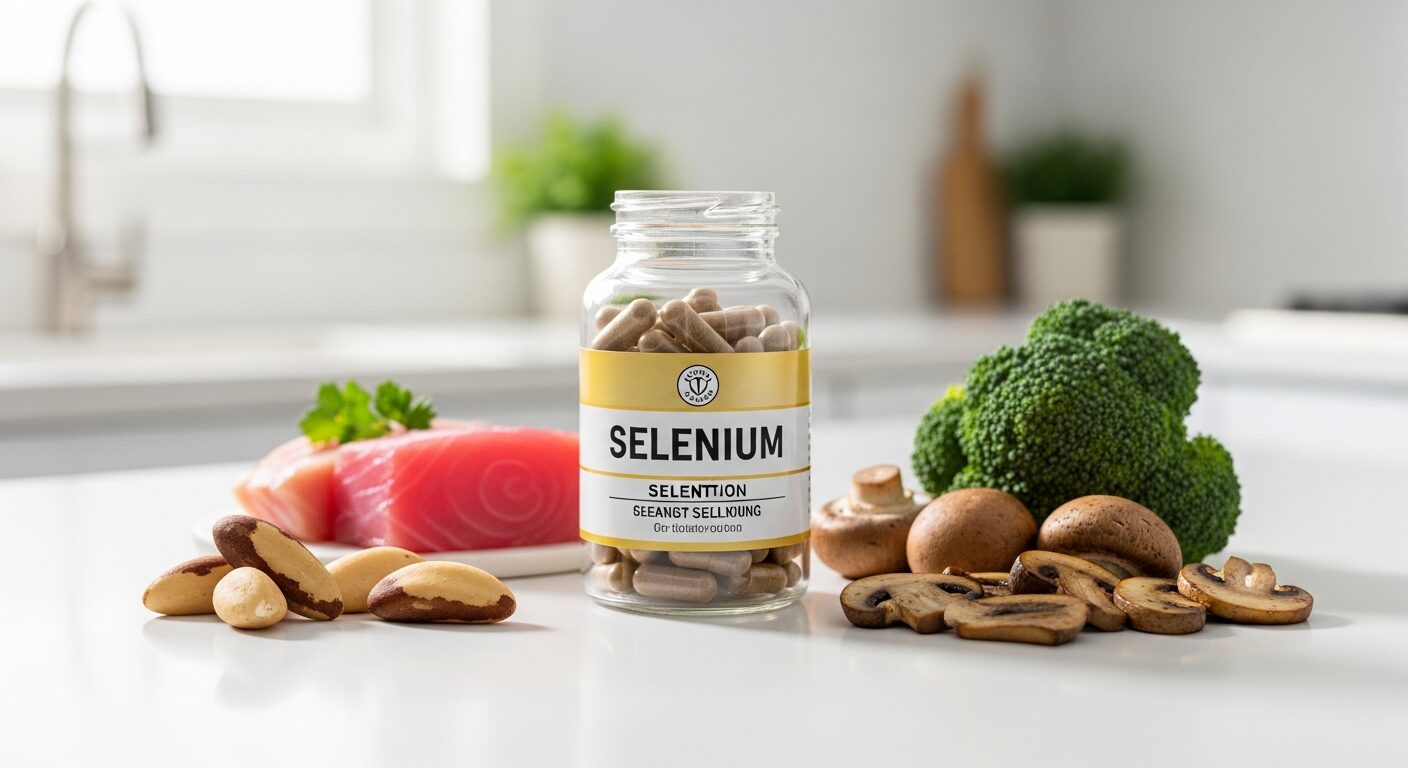
Selenium might be one of the most underestimated nutrients in your supplement cabinet. This trace mineral, needed in surprisingly small amounts, plays outsized roles in everything from thyroid function to immune defense. Yet despite decades of research revealing its importance, selenium remains shrouded in misconceptions and overlooked by many health-conscious individuals.
What makes selenium particularly fascinating is its dual nature as both essential and potentially toxic—a narrow therapeutic window that demands respect and understanding. Recent scientific discoveries have revealed selenium’s role as a key component in powerful antioxidant enzymes, its influence on DNA repair mechanisms, and its unexpected connections to cognitive health and longevity.
This comprehensive examination cuts through the confusion surrounding selenium supplementation, exploring what peer-reviewed research actually tells us about this critical micronutrient and how it might transform your health when used appropriately.
Contents
What is Selenium
Selenium is an essential trace mineral that functions primarily as a component of selenoproteins—specialized proteins that serve crucial roles throughout the human body. Unlike many nutrients that we need in gram or milligram quantities, selenium requirements are measured in micrograms, making it one of the most potent nutritional substances we consume.
The mineral exists in several chemical forms, including selenomethionine (found in plant foods), selenocysteine (found in animal products), and various inorganic forms like sodium selenite and sodium selenate. Each form has different bioavailability and metabolic pathways, influencing how effectively your body can utilize the selenium you consume.
Selenium’s primary function involves incorporation into approximately 25 different selenoproteins, with glutathione peroxidases being among the most studied. These enzymes serve as cellular guardians, protecting against oxidative damage that can lead to premature aging, chronic disease, and cellular dysfunction. The mineral also plays essential roles in thyroid hormone metabolism, immune system regulation, and DNA synthesis.
Geographically, selenium content in foods varies dramatically based on soil selenium levels. Regions like the Great Plains of the United States have selenium-rich soils, while areas of China, parts of Europe, and certain regions of Africa have selenium-deficient soils, leading to widespread deficiency in local populations.
Key Benefits of Selenium
Scientific research has identified several well-documented benefits of adequate selenium intake, supported by both observational studies and controlled clinical trials.
Thyroid Function Support: Selenium plays a crucial role in thyroid hormone metabolism through its incorporation into deiodinase enzymes. These enzymes convert the inactive thyroid hormone T4 into the active form T3. Studies show that selenium deficiency can impair thyroid function, while adequate levels support optimal thyroid hormone production and conversion.
Antioxidant Protection: As a component of glutathione peroxidases and other antioxidant enzymes, selenium provides powerful protection against oxidative stress. Research demonstrates that selenium supplementation can significantly reduce markers of oxidative damage in various populations, particularly those with initially low selenium status.
Immune System Enhancement: Selenium influences both innate and adaptive immune responses. Adequate selenium levels are associated with improved vaccine responses, enhanced natural killer cell activity, and better overall immune function. Deficiency has been linked to increased susceptibility to viral infections and impaired immune cell function.
Cardiovascular Health: Observational studies suggest that optimal selenium status may support cardiovascular health through multiple mechanisms, including reduced inflammation, improved endothelial function, and protection against lipid oxidation. However, the relationship appears to follow a U-shaped curve, with both deficiency and excess potentially harmful.
Cognitive Protection: Emerging research indicates that selenium may help protect against cognitive decline and neurodegenerative diseases. The mineral’s antioxidant properties and its role in maintaining cellular integrity may be particularly important for brain health as we age.
What Most People Get Wrong About Selenium
Despite its importance, selenium is surrounded by numerous misconceptions that can lead to inappropriate use or unnecessary avoidance of this beneficial mineral.
Myth 1: “More is Always Better”
Perhaps the most dangerous misconception about selenium is that higher doses provide greater benefits. In reality, selenium has one of the narrowest therapeutic windows of any nutrient. The difference between beneficial and toxic doses is remarkably small—the tolerable upper intake level is only about 2.5 times the recommended daily amount. Chronic selenosis, resulting from excessive intake, can cause hair loss, nail brittleness, garlic breath, fatigue, and even neurological problems. This isn’t theoretical; selenium toxicity has been documented in populations consuming high-selenium foods and in individuals taking inappropriate megadoses of supplements.
Myth 2: “Selenium Deficiency is Rare in Developed Countries”
Many health professionals assume that selenium deficiency is primarily a problem in developing nations with selenium-poor soils. However, suboptimal selenium status is more common than many realize, even in developed countries. Factors contributing to this include regional soil variations, dietary patterns that favor processed foods over selenium-rich whole foods, and individual variations in absorption and metabolism. Studies in Europe, for instance, have found that many populations have selenium intakes below optimal levels.
Myth 3: “All Selenium Forms are Equivalent”
A widespread assumption is that the form of selenium doesn’t matter—that selenomethionine, selenocysteine, and inorganic selenium salts all provide identical benefits. Scientific evidence contradicts this belief. Organic selenium forms like selenomethionine are generally better absorbed and retained compared to inorganic forms. Additionally, different forms may have varying biological activities and tissue distributions. Research shows that organic selenium forms are more effective at increasing selenium status biomarkers compared to inorganic forms.
Myth 4: “Brazil Nuts are a Reliable Selenium Source”
While Brazil nuts are often touted as an excellent selenium source, their selenium content is incredibly variable and unpredictable. Depending on soil conditions where the trees grow, selenium content in Brazil nuts can vary by more than 100-fold. Some nuts contain barely detectable amounts, while others may provide potentially toxic levels. This variability makes Brazil nuts unreliable as a consistent selenium source, despite their reputation.
What Happens to Your Body After 30 Days of Taking Selenium
Understanding the timeline of selenium supplementation helps set realistic expectations and optimize benefits. The progression of effects follows a predictable pattern based on the mineral’s biological functions and tissue distribution.
Week 1: Cellular Adaptation
During the first week of selenium supplementation, your body begins incorporating the mineral into newly synthesized selenoproteins. While you likely won’t notice dramatic changes, important biochemical shifts are occurring at the cellular level. Selenium levels in blood plasma begin to rise, and antioxidant enzyme activity starts to increase. Some individuals with significant deficiency might notice subtle improvements in energy levels, though this varies considerably between people.
Week 2: Immune System Optimization
By the second week, selenium’s effects on immune function become more apparent. Studies indicate that selenium supplementation can improve immune cell function within 2-3 weeks, particularly in individuals who were deficient initially. You might notice improved resistance to minor infections or faster recovery from minor illnesses. Thyroid function may also begin optimizing during this period, especially if selenium deficiency was affecting thyroid hormone metabolism.
Week 3-4: Full Antioxidant Protection
The most significant benefits typically emerge during weeks three and four. This timing corresponds with the complete incorporation of selenium into long-lived selenoproteins and the establishment of optimal antioxidant enzyme activity. Individuals often report improved energy levels, better sleep quality, and enhanced overall well-being. Biomarkers of oxidative stress typically show significant improvement by this point, and those with thyroid issues may experience more noticeable improvements in symptoms like fatigue and temperature regulation.
It’s important to note that the magnitude of these effects depends heavily on your initial selenium status. Individuals who were significantly deficient will likely experience more dramatic improvements, while those with adequate selenium levels may notice minimal changes—which is actually a good sign, indicating their selenium status was already optimal.
Who Should NOT Take Selenium
Despite selenium’s importance, supplementation isn’t appropriate for everyone. Several groups should exercise particular caution or avoid selenium supplements entirely.
Individuals with High Baseline Selenium Levels: People living in selenium-rich areas or those consuming high amounts of selenium-rich foods should be cautious about supplementation. This includes individuals regularly consuming large quantities of seafood, organ meats, or those who have consumed Brazil nuts regularly. A simple blood test can determine your current selenium status before beginning supplementation.
People with Kidney Disease: Individuals with compromised kidney function may have difficulty eliminating excess selenium, increasing the risk of toxicity. Those with chronic kidney disease should only use selenium supplements under medical supervision, with regular monitoring of selenium levels.
Cancer Patients: The relationship between selenium and cancer is complex and depends on factors like cancer type, treatment protocols, and individual selenium status. Some studies suggest that selenium supplementation might interfere with certain chemotherapy treatments or potentially promote tumor growth in specific circumstances. Cancer patients should always consult their oncologist before adding selenium supplements.
Pregnancy and Breastfeeding: While selenium is essential during pregnancy and breastfeeding, supplementation should be approached cautiously. Pregnant and nursing women have slightly higher selenium requirements, but excessive intake can be harmful to both mother and baby. Most prenatal vitamins contain appropriate amounts of selenium, making additional supplementation unnecessary for most women.
Drug Interactions: Selenium can interact with several medications. It may reduce the effectiveness of certain chemotherapy drugs, interfere with thyroid medications when taken concurrently, and potentially interact with anticoagulant medications. Additionally, selenium can bind to some antibiotics, reducing their absorption and effectiveness.
Dosage and Best Forms
Optimal selenium dosage depends on individual factors including baseline selenium status, geographical location, dietary intake, and specific health goals. The recommended dietary allowance for adults is 55 micrograms daily, though research suggests that optimal intake might be slightly higher for some individuals.
General Dosage Guidelines: For most adults, selenium supplementation in the range of 50-200 micrograms daily appears safe and potentially beneficial. However, doses above 100 micrograms should be used cautiously and preferably under professional guidance. The tolerable upper intake level is 400 micrograms daily, but long-term intake approaching this level carries increased toxicity risk.
Superior Forms: Selenomethionine is generally considered the most bioavailable and well-tolerated form of selenium for supplementation. This organic form is efficiently absorbed and can be stored in body tissues by replacing methionine in proteins. Selenium-enriched yeast, which contains primarily selenomethionine, represents another excellent option with good bioavailability and safety profile.
Forms to Approach Cautiously: Inorganic selenium forms like sodium selenite and sodium selenate are less well-absorbed and may cause more gastrointestinal side effects. While these forms can be effective, they’re generally considered inferior to organic forms for routine supplementation.
Timing and Administration: Selenium supplements are best absorbed when taken with food to minimize gastrointestinal irritation. The mineral can be taken at any time of day, though some individuals prefer morning administration to avoid any potential effects on sleep, though such effects are rare with selenium.
🌿 Looking for Selenium Supplements?
Browse top-rated Selenium supplements, independently tested and recommended by our editorial team.
Affiliate disclosure: We may earn a small commission at no extra cost to you.
Frequently Asked Questions
Can selenium help with hair loss?
Selenium deficiency can contribute to hair loss, so correcting a deficiency may improve hair health. However, selenium supplementation won’t reverse hair loss due to other causes like genetics or hormonal factors. Interestingly, excessive selenium intake can actually cause hair loss, making appropriate dosing crucial.
Should I take selenium with other supplements?
Selenium works synergistically with vitamin E and other antioxidants, potentially enhancing overall antioxidant protection. However, high doses of vitamin C might interfere with selenium absorption if taken simultaneously. It’s generally best to take selenium as part of a balanced supplement regimen rather than in isolation.
How long should I take selenium supplements?
Selenium supplementation can be continued long-term if dosages remain within safe ranges and periodic monitoring confirms appropriate selenium status. Many people benefit from ongoing supplementation, particularly those in selenium-poor geographical regions or with dietary patterns low in selenium-rich foods.
Can selenium prevent cancer?
While some studies have suggested selenium might have cancer-preventive properties, the evidence is mixed and complex. The relationship appears to depend on baseline selenium status, cancer type, genetic factors, and other variables. Selenium should not be viewed as a cancer prevention strategy, though adequate levels are important for overall health.
What are the signs of selenium toxicity?
Early signs of selenium toxicity include garlic breath, metallic taste, brittle nails, hair loss, fatigue, and gastrointestinal upset. More severe toxicity can cause neurological symptoms, skin lesions, and other serious complications. If you experience these symptoms while taking selenium supplements, discontinue use and consult a healthcare provider immediately.
Medical Disclaimer
This article is intended for educational and informational purposes only and does not constitute medical advice. The information provided should not be used for diagnosing or treating health problems or diseases. Individual responses to selenium supplementation may vary significantly based on genetics, health status, medications, and other factors.
Before beginning any selenium supplementation regimen, particularly at doses above the recommended dietary allowance, consult with a qualified healthcare professional. This is especially important if you have existing health conditions, take medications, are pregnant or breastfeeding, or have concerns about your current selenium status.
The statements in this article have not been evaluated by the Food and Drug Administration. Selenium supplements are not intended to diagnose, treat, cure, or prevent any disease. Always seek the advice of your physician or other qualified health provider with any questions you may have regarding selenium supplementation or any medical condition.