
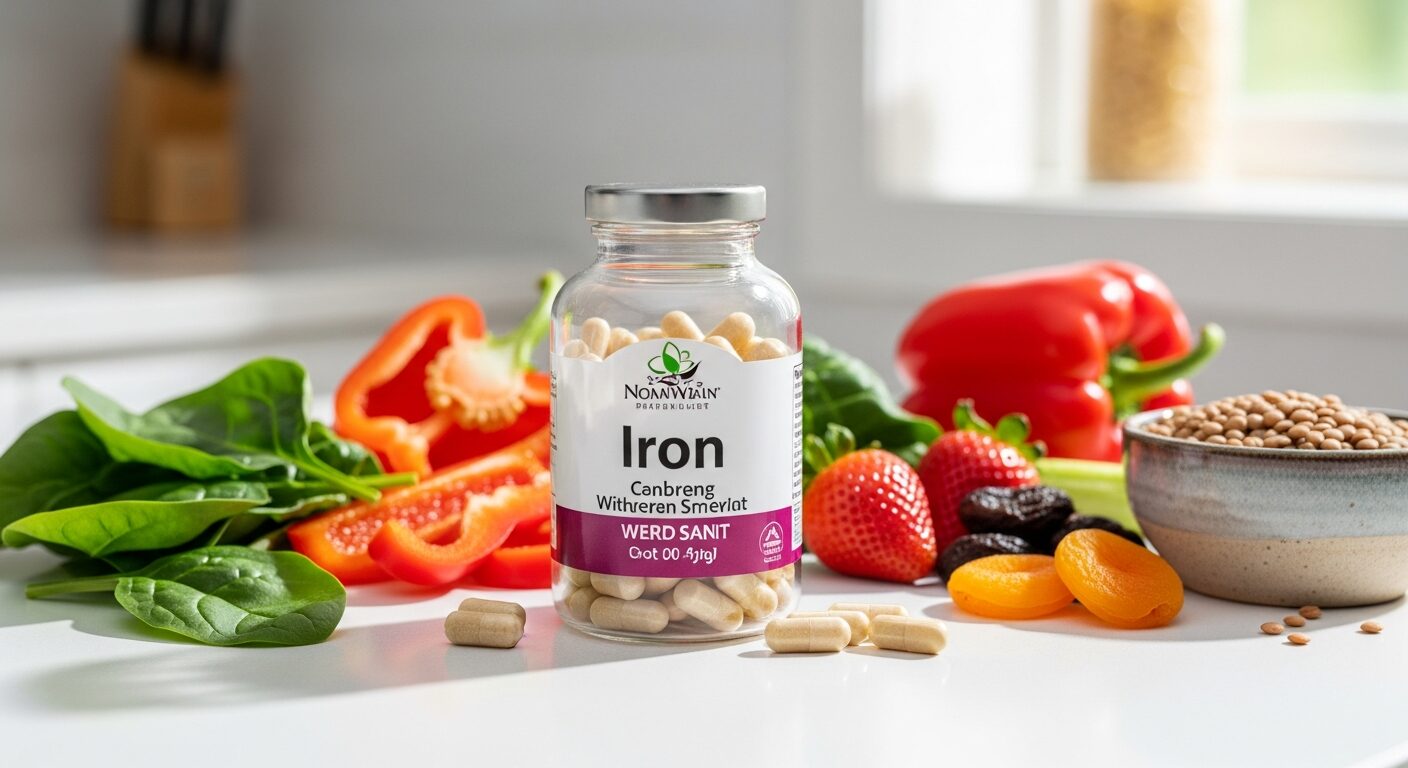
Iron deficiency affects nearly one billion people worldwide, with women bearing the heaviest burden. If you’ve ever felt exhausted despite getting enough sleep, struggled with brain fog, or noticed your hair thinning, low iron levels could be the culprit. While iron deficiency is the most common nutritional deficiency globally, it’s particularly prevalent among women of reproductive age.
The statistics are staggering: approximately 12-16% of women in developed countries are iron deficient, with rates climbing even higher in developing nations. Yet despite its critical importance for energy production, immune function, and cognitive performance, iron remains one of the most misunderstood nutrients. Many women unknowingly suffer from suboptimal iron levels, dismissing symptoms as normal parts of busy modern life.
Understanding your iron needs isn’t just about preventing anemia—it’s about optimizing your energy, mental clarity, and overall vitality. Let’s explore why women may need more iron than they’re getting and how proper supplementation can transform your health.
Contents
What is Iron
Iron is an essential trace mineral that serves as a fundamental building block for numerous biological processes in your body. Unlike many nutrients that your body can produce on its own, iron must be obtained entirely through diet or supplementation, making it a truly essential nutrient for survival.
At the cellular level, iron functions primarily as a component of hemoglobin, the protein in red blood cells responsible for transporting oxygen from your lungs to every tissue in your body. Approximately 70% of your body’s iron is found in hemoglobin and myoglobin, a similar protein that stores oxygen in muscle tissue. The remaining 30% is stored in tissues as ferritin or circulates in the blood bound to transferrin.
Iron exists in two dietary forms: heme iron, found in animal products like meat, fish, and poultry, and non-heme iron, found in plant sources such as legumes, fortified cereals, and leafy greens. Heme iron is significantly more bioavailable, with absorption rates of 15-35%, while non-heme iron absorption ranges from just 2-20% depending on various dietary factors.
Your body maintains iron balance through a sophisticated regulatory system involving hepcidin, a hormone that controls iron absorption in the intestines and iron release from storage sites. When iron stores are adequate, hepcidin levels rise to limit further iron absorption. Conversely, when iron levels drop, hepcidin decreases, allowing for increased iron uptake.
Key Benefits of Iron
Iron’s benefits extend far beyond preventing anemia, influencing virtually every system in your body. Understanding these wide-ranging effects helps explain why adequate iron status is crucial for optimal health and performance.
Enhanced energy production represents iron’s most recognized benefit. As a key component of the electron transport chain in cellular mitochondria, iron enables efficient ATP production—your body’s primary energy currency. When iron levels are sufficient, your cells can generate energy more effectively, leading to improved stamina, reduced fatigue, and better exercise performance.
Cognitive function receives a significant boost from optimal iron status. Iron is essential for neurotransmitter synthesis, particularly dopamine and serotonin, which regulate mood, motivation, and mental clarity. Research demonstrates that even mild iron deficiency can impair concentration, memory, and learning capacity, while adequate iron supports sharp mental performance and emotional stability.
Immune system strength depends heavily on iron availability. This mineral plays crucial roles in immune cell proliferation, particularly T-lymphocytes and natural killer cells that defend against infections and cancer. Iron also supports the production of reactive oxygen species that immune cells use to destroy pathogens, making adequate iron essential for robust immune function.
Temperature regulation improves with sufficient iron levels. Iron deficiency often leads to cold intolerance and poor circulation, as the body struggles to deliver oxygen efficiently to peripheral tissues. Women with adequate iron status typically experience better circulation, warmer extremities, and improved tolerance to cold temperatures.
Hair, skin, and nail health benefit significantly from optimal iron status. Iron is required for collagen synthesis and cellular repair processes that maintain healthy tissues. Iron deficiency commonly manifests as hair loss, brittle nails, and pale or dull skin, while adequate levels support strong, lustrous hair and healthy skin appearance.
What Most People Get Wrong About Iron
Despite iron’s importance, numerous misconceptions persist that can lead to inadequate intake or improper supplementation. Understanding these myths is crucial for making informed decisions about your iron status.
The biggest misconception is that iron deficiency only matters if you develop full-blown anemia. In reality, iron deficiency exists on a spectrum, with three distinct stages. The first stage involves depleted iron stores with normal hemoglobin levels, often causing fatigue and reduced exercise capacity despite “normal” blood tests. The second stage shows reduced iron transport with slightly lowered hemoglobin, while only the third stage presents as iron deficiency anemia. Many women suffer from stages one or two for years, experiencing symptoms that significantly impact quality of life while their standard blood work appears normal.
Another prevalent myth suggests that eating iron-rich foods guarantees adequate iron status. While dietary sources are important, iron absorption is incredibly complex and influenced by numerous factors. Calcium, tannins in tea and coffee, and phytates in grains and legumes can inhibit iron absorption by up to 60%. Conversely, vitamin C, citric acid, and certain amino acids enhance absorption. A woman could consume iron-rich foods daily but still develop deficiency if she regularly drinks coffee with meals or has underlying digestive issues affecting absorption.
Many people wrongly believe that iron supplements always cause constipation and stomach upset, leading them to avoid supplementation entirely. While some iron forms can cause digestive issues, newer formulations like iron bisglycinate and carbonyl iron are significantly better tolerated. The key lies in choosing the right form, starting with lower doses, and taking iron on an empty stomach when possible. These strategies can minimize side effects while ensuring adequate absorption.
Perhaps the most dangerous misconception is that vegetarian and vegan diets automatically provide sufficient iron. While plant foods can contain substantial iron, the non-heme form is poorly absorbed and heavily influenced by other dietary components. Vegetarian women have significantly lower iron stores than omnivores, 2013, and require careful meal planning and often supplementation to maintain optimal status. Simply eating spinach and lentils isn’t enough for most women following plant-based diets.
What Happens to Your Body After 30 Days of Taking Iron
The timeline of iron supplementation effects varies based on your initial iron status, absorption capacity, and supplement form. However, research reveals a predictable pattern of improvements when iron deficiency is properly addressed.
Week 1: Initial Cellular Changes
During the first week, iron levels in your bloodstream begin to increase, though you may not notice dramatic symptoms improvement yet. Your body starts replenishing depleted iron transport proteins, and cellular iron uptake gradually improves. Some women report slight increases in energy levels, though this could be partly psychological. More commonly, any initial digestive adjustment to the supplement occurs during this period.
Week 2: Noticeable Energy Improvements
By the second week, many women experience the first significant improvements in energy levels and reduced fatigue. This occurs as iron incorporation into hemoglobin increases, improving oxygen delivery to tissues. Exercise tolerance may begin improving, and that afternoon energy crash might become less severe. Sleep quality often improves as well, since iron plays a role in regulating circadian rhythms and neurotransmitter production.
Week 3-4: Full Benefits Emerge
The third and fourth weeks typically bring the most dramatic improvements. Iron supplementation significantly improves energy and reduces fatigue within 4 weeks, 2003 demonstrates measurable improvements in energy levels, cognitive function, and exercise performance. Hair loss may begin to slow, and nail strength often improves. Cold intolerance decreases as circulation improves, and many women report better mood and mental clarity.
Cognitive benefits become particularly apparent during this period. Concentration improves, brain fog lifts, and memory function often sharpens. This occurs as iron supports optimal neurotransmitter synthesis and brain metabolism. Some women describe feeling like themselves again after months or years of unexplained mental fatigue.
It’s important to note that full iron store replenishment typically takes 3-6 months of consistent supplementation, depending on the severity of initial deficiency. While symptom improvements may plateau after the first month, continuing supplementation as directed ensures complete restoration of iron reserves and prevents rapid return of deficiency symptoms.
Who Should NOT Take Iron
While iron supplementation benefits many women, certain individuals should avoid iron or use it only under medical supervision. Understanding these contraindications is crucial for safe supplementation.
Individuals with hereditary hemochromatosis or other iron overload disorders must avoid iron supplements entirely. These genetic conditions cause excessive iron absorption and storage, leading to organ damage if untreated. Symptoms include joint pain, diabetes, heart problems, and skin discoloration. Anyone with a family history of hemochromatosis should undergo genetic testing before beginning iron supplementation.
People with certain chronic infections should use caution with iron supplementation. Bacteria, parasites, and some viruses require iron for growth and reproduction. Supplementing iron during active infections, particularly malaria, can potentially worsen the condition by providing pathogens with essential nutrients for proliferation. Those with chronic inflammatory conditions like rheumatoid arthritis or inflammatory bowel disease should consult healthcare providers, as inflammation can affect iron metabolism.
Several medications interact significantly with iron supplements. Antibiotics including tetracyclines, quinolones, and chloramphenicol have reduced effectiveness when taken with iron. Thyroid medications like levothyroxine may be poorly absorbed when combined with iron, potentially requiring dose adjustments. Proton pump inhibitors and H2 blockers can reduce iron absorption by decreasing stomach acid production necessary for iron uptake.
Pregnant women should only take iron under medical guidance, despite increased iron needs during pregnancy. While iron requirements increase substantially during pregnancy, excessive intake can cause complications. Healthcare providers can monitor iron status and recommend appropriate doses based on individual needs and blood work results.
Adults over 65 should exercise caution with iron supplementation. Aging can affect iron metabolism, and older adults have higher risks of underlying conditions that contraindicate iron use. Additionally, medication interactions are more common in this population, making medical supervision essential.
Anyone experiencing unexplained symptoms like abdominal pain, nausea, or changes in bowel habits should consult a healthcare provider before starting iron supplements. These symptoms could indicate underlying conditions that affect iron metabolism or contraindicate supplementation.
Dosage and Best Forms
Choosing the right iron supplement form and dosage significantly impacts both effectiveness and tolerability. Understanding these factors helps optimize your supplementation strategy while minimizing side effects.
For most women with iron deficiency, elemental iron doses of 18-25mg daily represent an effective starting point. This amount typically provides sufficient iron for gradual store replenishment without overwhelming the digestive system. Women with documented iron deficiency anemia may require higher doses of 65-100mg daily, but this should only be undertaken with medical supervision and regular monitoring.
Iron bisglycinate stands out as the superior supplemental form for most women. This chelated iron is bound to the amino acid glycine, protecting it from interactions with other nutrients and reducing digestive side effects. Absorption rates for iron bisglycinate remain consistent regardless of stomach contents, making it more convenient than traditional iron salts.
Ferrous sulfate, while commonly prescribed, often causes digestive upset including nausea, constipation, and stomach pain. However, it remains highly bioavailable when taken on an empty stomach and represents a cost-effective option for those who tolerate it well. Taking ferrous sulfate with vitamin C enhances absorption while potentially reducing some side effects.
Carbonyl iron offers another well-tolerated alternative, particularly for those sensitive to traditional iron forms. This elemental iron powder is gradually released in the stomach, reducing irritation while maintaining good bioavailability. It’s also safer in case of accidental overdose, making it suitable for households with children.
Timing and co-factors significantly influence iron absorption. Take iron supplements on an empty stomach when possible, ideally one hour before or two hours after meals. Pair iron with vitamin C from citrus fruits, bell peppers, or supplements to enhance absorption. Avoid taking iron within two hours of calcium supplements, coffee, tea, or high-fiber meals that can inhibit uptake.
For optimal results, split larger doses throughout the day rather than taking everything at once. Your body can only absorb a limited amount of iron at one time, so dividing doses maximizes utilization while reducing side effects. Start with lower doses and gradually increase as tolerance develops.
🌿 Looking for Iron Supplements?
Browse top-rated Iron supplements, independently tested and recommended by our editorial team.
Affiliate disclosure: We may earn a small commission at no extra cost to you.
Frequently Asked Questions
Can I take iron with my morning coffee?
No, coffee significantly inhibits iron absorption due to compounds called polyphenols and tannins. These substances can reduce iron absorption by up to 60%. Take your iron supplement at least two hours before or after consuming coffee, tea, or other caffeinated beverages for optimal absorption.
How long should I take iron supplements?
The duration depends on your initial iron status and the severity of deficiency. Most women need 3-6 months of consistent supplementation to fully replenish iron stores. Iron stores require 3-6 months to normalize with supplementation, 2015 confirms this timeline. Continue supplementation for 2-3 months after your iron levels normalize to ensure adequate reserves.
Is it normal to feel nauseous when taking iron?
Some nausea is common, especially when starting iron supplementation or taking it on an empty stomach. This usually improves within a few days as your body adjusts. If nausea persists, try taking iron with a small amount of food, switching to a chelated form like iron bisglycinate, or reducing your dose temporarily before gradually increasing it.
Can iron supplements cause weight gain?
Iron supplements don’t directly cause weight gain. However, as your energy levels improve with corrected iron deficiency, you may notice increased appetite and activity levels. Some women initially retain slight fluid as their circulation improves, but this is temporary and not true weight gain.
Should I stop taking iron if my period becomes heavier?
No, heavier menstrual periods actually increase iron needs, not decrease them. Heavy menstruation is one of the primary causes of iron deficiency in women. If you experience unusually heavy periods while taking iron, consult your healthcare provider to investigate underlying causes, but don’t stop supplementation without medical guidance.
Medical Disclaimer
This article is for informational purposes only and does not constitute medical advice. The information provided should not replace professional medical consultation, diagnosis, or treatment. Always consult with qualified healthcare professionals before starting any supplement regimen, especially if you have existing health conditions, take medications, or are pregnant or nursing.
Individual responses to iron supplementation vary significantly based on factors including underlying health status, medication interactions, and genetic factors. Blood testing is recommended before beginning iron supplementation to confirm deficiency and determine appropriate dosing. Regular monitoring during supplementation ensures safety and effectiveness.
If you experience severe side effects, signs of iron overload, or concerning symptoms while taking iron supplements, discontinue use and seek immediate medical attention. This information has not been evaluated by the FDA and is not intended to diagnose, treat, cure, or prevent any disease.