
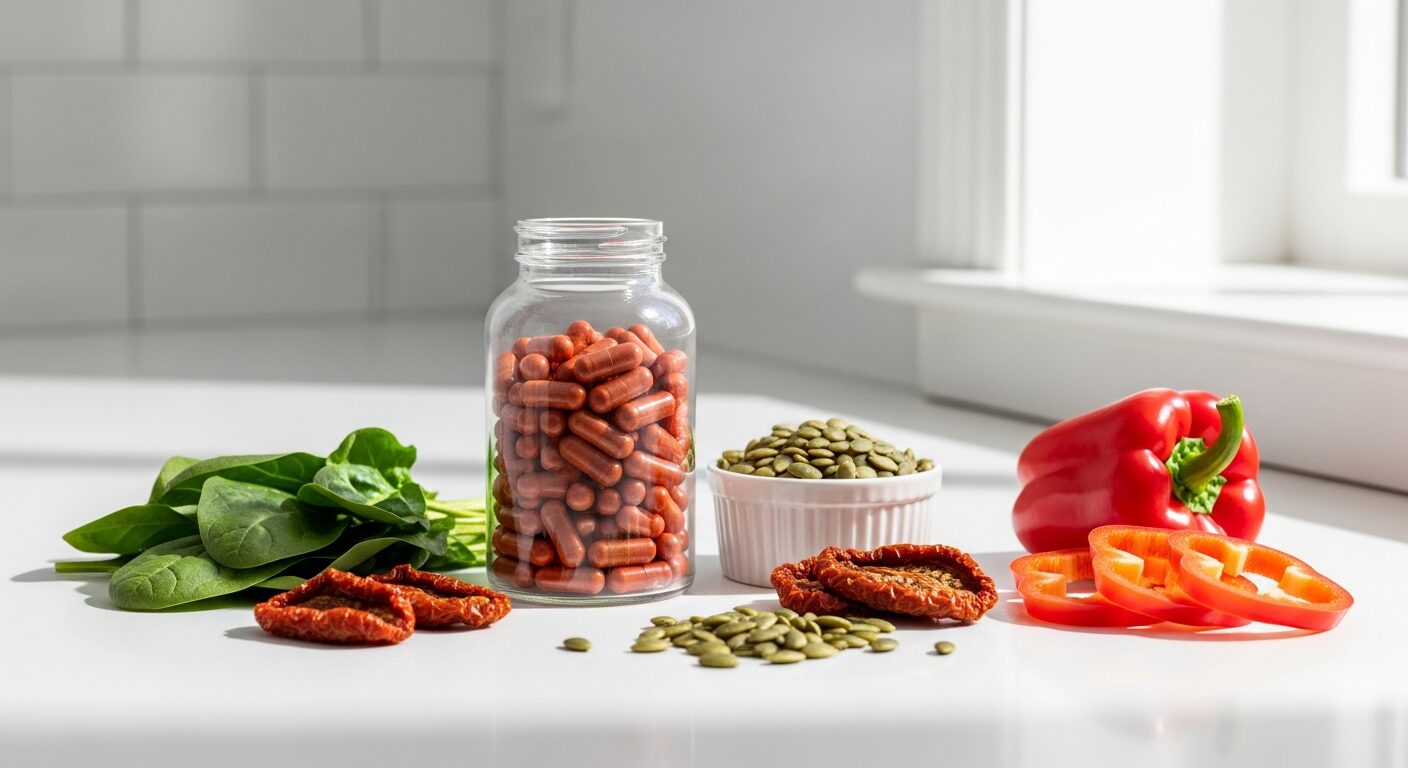
For vegans, getting adequate iron can feel like solving a complex puzzle. While plant-based diets offer incredible health benefits, iron deficiency remains one of the most common nutritional challenges in the vegan community. Unlike meat-eaters who can rely on easily absorbed heme iron, vegans must navigate the more complex world of non-heme iron absorption and optimization.
The good news? With proper knowledge and strategic planning, vegans can not only meet their iron needs but thrive with optimal iron levels. This comprehensive guide will reveal the science-backed strategies that separate iron-deficient vegans from those with robust iron stores, debunk common myths that might be sabotaging your efforts, and provide a clear roadmap to iron sufficiency.
Whether you’re a new vegan concerned about nutrient adequacy or a long-time plant-based eater looking to optimize your iron status, understanding the nuances of vegan iron nutrition is crucial for maintaining energy, cognitive function, and overall health.
Contents
What is Iron
Iron is an essential trace mineral that serves as a cornerstone of human physiology. As the fourth most abundant element in the Earth’s crust, iron plays critical roles in oxygen transport, cellular energy production, and immune function. In the human body, iron exists primarily in two forms: functional iron found in hemoglobin, myoglobin, and various enzymes, and storage iron held in ferritin and hemosiderin.
The body contains approximately 3-5 grams of iron, with about 70% residing in hemoglobin within red blood cells. This iron-containing protein binds to oxygen in the lungs and transports it throughout the body. Another 10% of body iron is found in myoglobin, which stores oxygen in muscle tissues, while the remaining iron is distributed among various enzymes involved in energy metabolism and stored in the liver, spleen, and bone marrow.
Dietary iron comes in two distinct forms: heme iron from animal products and non-heme iron from plant sources. Heme iron, derived from hemoglobin and myoglobin in animal tissues, is readily absorbed at rates of 15-35%. Non-heme iron, found in plants, fortified foods, and supplements, has a more variable absorption rate of 2-20%, depending on various dietary and physiological factors.
For vegans, understanding non-heme iron absorption becomes paramount. Unlike heme iron, non-heme iron absorption is significantly influenced by other dietary components. Vitamin C, organic acids, and certain amino acids can enhance absorption, while compounds like phytates, polyphenols, and calcium can inhibit it. This creates both challenges and opportunities for optimizing iron status on a plant-based diet.
Key Benefits of Iron
Iron’s most recognized benefit lies in oxygen transport and prevention of iron-deficiency anemia. Adequate iron levels ensure that red blood cells can effectively carry oxygen from the lungs to tissues throughout the body. When iron stores become depleted, the body cannot produce sufficient healthy red blood cells, leading to fatigue, weakness, and decreased physical performance.
Beyond oxygen transport, iron plays a crucial role in cognitive function and mental performance. Iron deficiency has been linked to impaired cognitive development and reduced attention span, particularly in children and adolescents. Even mild iron deficiency without anemia can affect concentration, memory, and learning capacity. For vegans, maintaining optimal iron status supports mental clarity and cognitive performance.
Iron also serves as a cofactor in numerous enzymatic reactions involved in energy metabolism. It’s essential for the function of cytochromes in the electron transport chain, which produces ATP—the body’s primary energy currency. Additionally, iron supports immune system function by enabling proper white blood cell production and function, helping the body defend against infections and diseases.
Temperature regulation represents another important benefit of adequate iron status. Iron deficiency can impair the body’s ability to maintain normal body temperature, leading to increased sensitivity to cold. This occurs because iron is necessary for proper thyroid hormone metabolism and mitochondrial function in heat production.
For athletes and physically active individuals, iron’s role in oxygen delivery and energy production becomes even more critical. Iron deficiency can significantly impact exercise performance, endurance, and recovery. Maintaining optimal iron levels helps ensure that muscles receive adequate oxygen during exercise and that energy production pathways function efficiently.
What Most People Get Wrong About Iron
One of the most pervasive myths about vegan iron nutrition is that plant-based diets inevitably lead to iron deficiency. This misconception stems from the assumption that heme iron is absolutely necessary for adequate iron status. However, research demonstrates that well-planned vegan diets can provide sufficient iron when proper absorption-enhancing strategies are employed. Many plant foods are actually richer in iron than meat sources—for example, lentils contain more iron per serving than beef.
Another common misconception is that all iron supplements are created equal and should be taken with calcium-rich foods or dairy alternatives. In reality, calcium significantly inhibits non-heme iron absorption, whether from food sources or supplements. This means that taking iron supplements with calcium-fortified plant milks or consuming iron-rich meals alongside calcium-rich foods can dramatically reduce iron uptake. The timing of calcium and iron intake should be separated by at least two hours for optimal absorption.
Many people also believe that cooking in cast iron pans provides negligible iron intake. This assumption underestimates the significant contribution that cast iron cookware can make to iron status, especially when cooking acidic foods like tomato sauce or foods with longer cooking times. Studies have shown that cast iron cooking can increase the iron content of foods by 2-5 fold, making it a practical strategy for boosting iron intake naturally.
Perhaps the most dangerous misconception is that more iron is always better, leading some vegans to over-supplement without monitoring their iron status. Iron is unique among nutrients because the body has limited ability to excrete excess amounts. Over-supplementation can lead to iron overload, causing oxidative stress, liver damage, and increased risk of chronic diseases. Unlike water-soluble vitamins, excess iron accumulates in tissues and can become toxic over time.
Finally, many people incorrectly assume that iron deficiency symptoms are always obvious and severe. Mild iron deficiency often presents with subtle symptoms like slight fatigue, difficulty concentrating, or increased susceptibility to infections—symptoms that are easily attributed to other causes. This leads to delayed recognition and treatment of iron deficiency, allowing it to progress to more severe stages.
What Happens to Your Body After 30 Days of Taking Iron
During the first week of iron supplementation, most people won’t notice dramatic changes in how they feel, as the body’s iron stores begin to gradually replenish. However, at the cellular level, important processes are already beginning. The bone marrow starts receiving increased iron supplies for red blood cell production, though these new, iron-rich red blood cells haven’t yet entered circulation in significant numbers. Some individuals may experience mild gastrointestinal effects as their system adjusts to supplementation.
Week two often brings the first noticeable improvements in energy levels and reduced fatigue. This occurs as newly produced red blood cells with adequate iron content begin entering the bloodstream, improving oxygen-carrying capacity. Research indicates that hemoglobin levels typically begin to rise within 2-3 weeks of starting iron therapy. Sleep quality may also improve during this period, as adequate iron supports proper neurotransmitter function and temperature regulation.
By weeks three and four, the full benefits of iron supplementation typically become apparent. Energy levels often return to normal, and many people report improved exercise tolerance and endurance. Cognitive function, including concentration and memory, frequently shows marked improvement. Physical symptoms like restless leg syndrome, unusual cravings for ice or starch, and brittle or spoon-shaped nails begin to resolve.
The timeline for iron repletion can vary significantly based on several factors, including the severity of initial deficiency, the form and dose of iron supplement used, individual absorption capacity, and adherence to absorption-optimizing strategies. Those with severe iron deficiency may require 2-3 months or longer to fully restore iron stores, while those with mild deficiency might see complete resolution within 4-6 weeks.
It’s important to note that while symptoms may improve within a month, fully replenishing iron stores typically takes longer. Even after hemoglobin levels normalize, continued supplementation is usually necessary to rebuild ferritin stores, which serve as the body’s iron reserve for future needs.
Who Should NOT Take Iron
Individuals with hemochromatosis, a genetic condition causing excessive iron absorption, should never take iron supplements without medical supervision. This condition affects approximately 1 in 200 people of Northern European descent and can lead to dangerous iron accumulation in organs like the liver, heart, and pancreas. People with family histories of hemochromatosis should undergo genetic testing before beginning iron supplementation.
Those with active infections should generally avoid iron supplementation, as many pathogenic bacteria and parasites require iron for growth and replication. Providing additional iron during an infection can potentially fuel pathogen growth and worsen the condition. Iron supplementation should be delayed until infections are resolved and resumed under medical guidance.
Individuals taking certain medications need careful monitoring when using iron supplements. Proton pump inhibitors, commonly used for acid reflux, can significantly reduce iron absorption by decreasing stomach acid production. Antibiotics like tetracyclines and fluoroquinolones can form complexes with iron, reducing the effectiveness of both the antibiotic and the iron supplement. Thyroid medications should be taken at least 4 hours apart from iron supplements to prevent interaction.
People with inflammatory bowel diseases, such as Crohn’s disease or ulcerative colitis, require special consideration for iron supplementation. While these conditions often lead to iron deficiency due to bleeding and malabsorption, oral iron supplements can potentially exacerbate intestinal inflammation. Intravenous iron therapy may be more appropriate for these individuals.
Pregnant women should only use iron supplements under medical supervision, despite iron’s importance during pregnancy. While iron needs increase significantly during pregnancy, excessive intake can cause complications including constipation, nausea, and potentially increased risk of gestational diabetes. Professional monitoring ensures appropriate dosing throughout pregnancy.
Children and elderly individuals represent special populations requiring careful iron supplement management. Children are particularly susceptible to iron toxicity, and accidental overdose can be life-threatening. Elderly individuals often have multiple medical conditions and take various medications that can interact with iron supplements, necessitating professional oversight.
Dosage and Best Forms
For vegans addressing iron deficiency, the recommended supplemental dose typically ranges from 18-65 mg of elemental iron daily, depending on the severity of deficiency and individual factors. The Recommended Dietary Allowance for iron is 8 mg daily for adult men and postmenopausal women, and 18 mg daily for premenopausal women. However, vegans may require higher intakes due to the lower bioavailability of non-heme iron.
Iron bisglycinate (also called iron glycinate) represents one of the most well-tolerated and bioavailable forms of supplemental iron. This chelated form binds iron to amino acids, protecting it from interference by other dietary components and reducing gastrointestinal side effects. Iron bisglycinate typically causes less constipation and stomach upset compared to other forms, making it ideal for long-term use.
Iron fumarate and iron sulfate are more traditional forms of iron supplements that are generally less expensive but may cause more digestive side effects. Iron sulfate contains about 20% elemental iron, while iron fumarate contains approximately 33% elemental iron. These forms require careful attention to timing and food interactions for optimal absorption.
Ferrous forms of iron (ferrous sulfate, ferrous fumarate, ferrous bisglycinate) are generally better absorbed than ferric forms. The “ferrous” designation indicates that the iron is in the Fe2+ oxidation state, which is the form readily absorbed by intestinal cells. Ferric iron (Fe3+) must be reduced to ferrous iron before absorption can occur.
For optimal absorption, iron supplements should be taken on an empty stomach with vitamin C or citrus juice. However, if gastrointestinal side effects occur, taking iron with a small amount of food is acceptable, though absorption will be reduced. Avoid taking iron supplements with coffee, tea, dairy products, calcium supplements, or high-fiber meals, as these can significantly impair absorption.
Timing of iron supplementation can impact both absorption and side effects. Taking iron supplements in divided doses throughout the day can improve tolerance and may enhance overall absorption compared to single large doses. Some individuals find that taking iron supplements in the evening reduces daytime digestive discomfort.
🌿 Looking for Iron Supplements?
Browse top-rated Iron supplements, independently tested and recommended by our editorial team.
Affiliate disclosure: We may earn a small commission at no extra cost to you.
Frequently Asked Questions
Can I get enough iron from food alone as a vegan?
Yes, many vegans can meet their iron needs through food alone by focusing on iron-rich plant foods and optimizing absorption. Excellent vegan iron sources include lentils, chickpeas, quinoa, pumpkin seeds, dark leafy greens, and fortified cereals. Combining these with vitamin C-rich foods like citrus fruits, bell peppers, or strawberries significantly enhances absorption. However, some individuals with higher iron needs or absorption issues may require supplementation even with careful dietary planning.
How long should I take iron supplements?
The duration of iron supplementation depends on your initial iron status and the underlying cause of deficiency. For treating iron deficiency anemia, supplementation typically continues for 3-6 months after hemoglobin levels normalize to replenish iron stores. Regular blood tests monitoring hemoglobin, ferritin, and other iron markers help determine when supplementation can be discontinued. Some individuals may need ongoing supplementation due to increased needs or absorption issues.
Why do iron supplements cause constipation and stomach upset?
Iron supplements can cause digestive side effects because unabsorbed iron in the intestines can alter the gut microbiome and cause irritation. Higher doses increase the likelihood of side effects, as absorption becomes less efficient with larger amounts. Choosing gentler forms like iron bisglycinate, starting with lower doses, taking supplements with small amounts of food, and ensuring adequate fiber and water intake can help minimize these effects.
Can I take iron supplements with my other vitamins?
Iron absorption can be significantly affected by other nutrients. Calcium, zinc, and magnesium can compete with iron for absorption, so these should be taken at different times when possible. Vitamin C enhances iron absorption and can be taken together. B vitamins generally don’t interfere with iron absorption. For optimal results, consider taking iron supplements separately from multivitamins or calcium supplements, spacing them at least 2 hours apart.
How do I know if my iron levels are improving?
Improvements in iron status can be monitored through both symptoms and blood tests. Symptomatically, increased energy, better exercise tolerance, improved concentration, and resolution of unusual cravings often occur within 2-4 weeks. Blood tests measuring hemoglobin, ferritin, and transferrin saturation provide objective measures of improvement. Ferritin levels typically take longer to normalize than hemoglobin, so don’t discontinue supplementation based solely on how you feel—follow up with blood work to ensure iron stores are adequately replenished.
Medical Disclaimer
This article is for informational purposes only and is not intended as medical advice. The information provided should not be used for diagnosing or treating any health condition or disease. Iron supplementation can interact with medications and medical conditions, and excessive iron intake can be harmful or toxic. Always consult with a qualified healthcare provider before starting any new supplement regimen, especially if you have medical conditions, take medications, are pregnant or breastfeeding, or are considering supplements for a child. Blood testing is recommended to assess iron status before beginning supplementation and to monitor progress during treatment. Individual needs may vary significantly, and professional medical guidance ensures safe and effective use of iron supplements.