
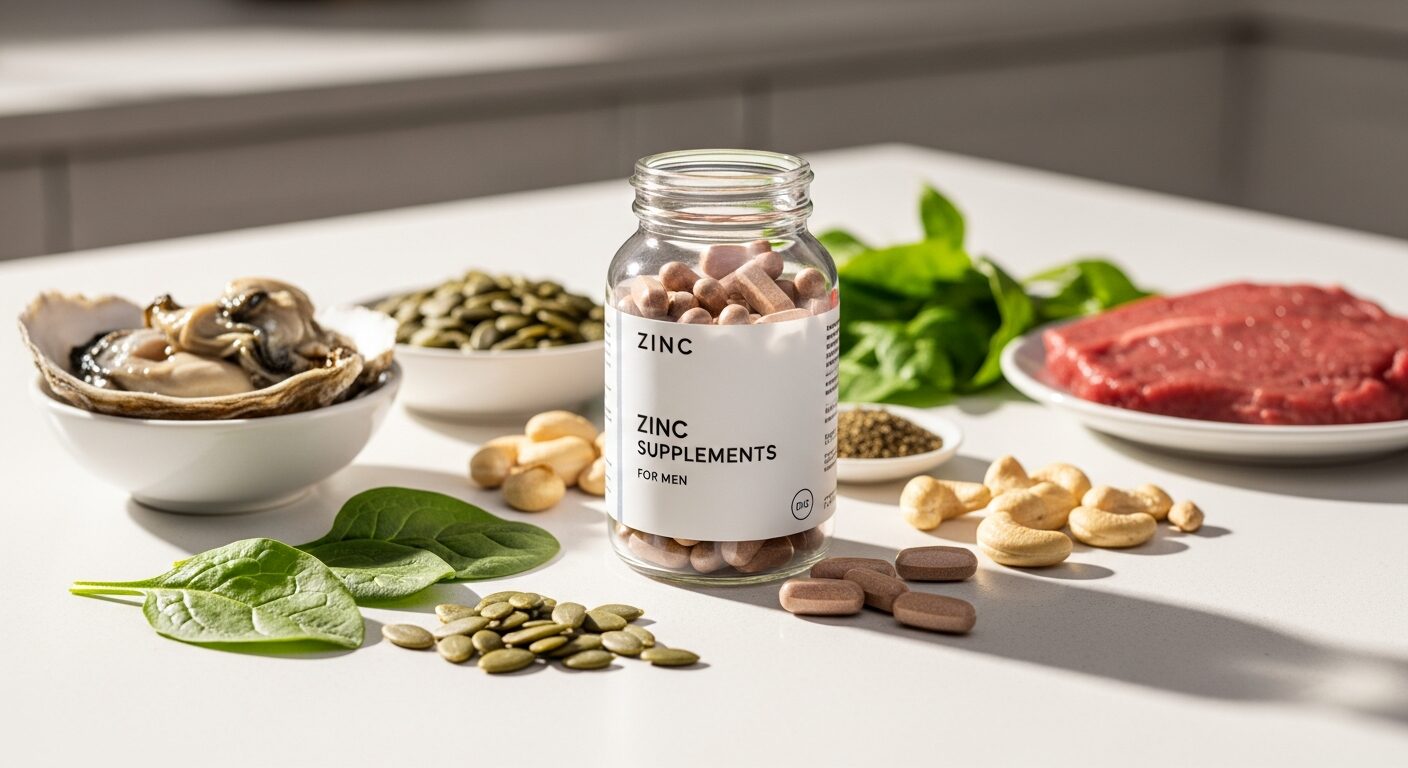
Zinc is one of the most important trace minerals for men’s health, playing crucial roles in testosterone production, immune function, and overall well-being. Despite its significance, many men don’t get enough zinc from their diet alone, making supplementation an increasingly popular choice. This comprehensive guide explores the science-backed benefits of zinc for men and provides practical dosage recommendations to help you optimize your health.
As an essential mineral that your body cannot produce or store, zinc must be obtained through food or supplements. Men typically require more zinc than women due to higher physiological demands, particularly for reproductive health and muscle maintenance. Understanding how to properly supplement with zinc can make a significant difference in your energy levels, immune response, and long-term health outcomes.
Contents
Why Zinc Is Essential for Men
Zinc serves as a cofactor for over 300 enzymatic reactions in the human body, making it one of the most biochemically active minerals. For men specifically, zinc concentrations are naturally higher in the prostate gland and reproductive organs than in most other tissues, highlighting its specialized importance in male physiology.
The mineral is involved in DNA synthesis, protein production, wound healing, and cell division. It also plays a critical role in maintaining the structural integrity of proteins and cell membranes. Unlike some nutrients that can be stored in the body for extended periods, zinc has a relatively short biological half-life, meaning regular intake is necessary to maintain optimal levels.
Men lose zinc through various pathways, including sweat, urine, and particularly through ejaculation, which can contain significant amounts of the mineral. This natural depletion, combined with often inadequate dietary intake, creates a scenario where many men operate with suboptimal zinc status without realizing it.
Key Health Benefits of Zinc for Men
Testosterone Support and Male Fertility
One of zinc’s most well-researched benefits for men is its role in supporting healthy testosterone levels. Prasad et al., 1996 demonstrated that zinc deficiency can lead to decreased testosterone production, while supplementation in deficient men can help restore normal levels. The mineral is essential for the proper functioning of Leydig cells, which are responsible for testosterone synthesis in the testes.
Zinc also plays a vital role in sperm production and quality. Men with adequate zinc levels typically have better sperm concentration, motility, and morphology compared to those with deficiency. The mineral helps protect sperm from oxidative damage and supports the development of healthy sperm cells throughout the 74-day spermatogenesis cycle.
Immune System Enhancement
Zinc is crucial for immune system function, particularly for men who may be more susceptible to certain infections or have higher stress levels that can compromise immunity. The mineral supports both innate and adaptive immune responses, helping the body defend against pathogens and recover from illness more effectively.
Research shows that zinc deficiency can impair immune cell function, including T-cells, B-cells, and natural killer cells. Adequate zinc intake helps maintain the integrity of mucosal barriers, supports antibody production, and enhances the body’s ability to mount an appropriate inflammatory response when needed.
Muscle Growth and Recovery
For physically active men, zinc plays an important role in muscle protein synthesis and recovery. The mineral is involved in the production of growth hormone and insulin-like growth factor-1 (IGF-1), both of which are crucial for muscle development and repair.
Zinc also supports the body’s antioxidant defense systems, helping to reduce exercise-induced oxidative stress and inflammation. This can lead to improved recovery times and better adaptation to training stimuli, making it particularly valuable for men engaged in regular exercise or athletic pursuits.
Prostate Health
The prostate gland contains some of the highest concentrations of zinc in the male body, and maintaining adequate levels is important for prostate health throughout life. Costello & Franklin, 2011 highlighted zinc’s role in maintaining normal prostate function and its potential protective effects against prostate-related issues.
Zinc helps regulate prostate cell growth and supports the gland’s normal metabolic functions. While more research is needed, some studies suggest that maintaining optimal zinc status may be beneficial for long-term prostate health, particularly as men age.
Cognitive Function and Mental Health
Emerging research suggests that zinc plays important roles in brain function and mental health. The mineral is involved in neurotransmitter synthesis and regulation, particularly for dopamine, serotonin, and GABA systems that influence mood, motivation, and cognitive performance.
Some studies have found associations between low zinc levels and increased risk of depression, anxiety, and cognitive decline. While zinc supplementation alone is not a treatment for mental health conditions, maintaining adequate levels may support overall brain health and emotional well-being.
Optimal Dosage Guidelines
Recommended Daily Intake
The recommended dietary allowance (RDA) for zinc in adult men is 11 mg per day, according to the National Institutes of Health. However, this represents the minimum amount needed to prevent deficiency, and many experts suggest that optimal intake may be higher, particularly for active men or those with increased physiological demands.
For general health maintenance, most men can benefit from 15-30 mg of zinc per day from combined food and supplement sources. This range provides adequate amounts for supporting testosterone production, immune function, and other metabolic processes without reaching potentially harmful levels.
Therapeutic Dosing
In cases where zinc deficiency is suspected or confirmed through testing, higher therapeutic doses may be appropriate under medical supervision. Sandstead & Alcock, 2001 noted that therapeutic zinc supplementation typically ranges from 30-50 mg daily for limited periods to address deficiency states.
Men with specific health concerns, such as frequent infections, poor wound healing, or reproductive issues, may benefit from temporarily higher doses. However, therapeutic dosing should always be done under healthcare provider guidance to ensure safety and monitor for potential side effects.
Timing and Absorption
Zinc absorption can be influenced by various factors, including meal timing and interactions with other nutrients. For optimal absorption, zinc supplements are generally best taken on an empty stomach, about 1-2 hours before meals. However, this can cause stomach upset in some people, so taking it with a small amount of food is acceptable if needed.
Avoid taking zinc with calcium, iron, or copper supplements, as these minerals can compete for absorption. Coffee, tea, and high-fiber foods can also reduce zinc absorption, so it’s best to separate zinc supplementation from these items by at least an hour.
Food Sources vs. Supplements
While supplements can be an effective way to ensure adequate zinc intake, food sources should be the foundation of your zinc consumption. Excellent dietary sources include oysters (which contain more zinc per serving than any other food), red meat, poultry, seafood, beans, nuts, and whole grains.
However, the bioavailability of zinc from plant sources is generally lower than from animal sources due to compounds like phytates that can bind zinc and reduce absorption. Men following vegetarian or vegan diets may need to pay particular attention to their zinc intake and consider supplementation.
Supplements offer the advantage of precise dosing and consistent intake, which can be particularly valuable for men with busy lifestyles or dietary restrictions. Look for high-quality zinc supplements that use well-absorbed forms like zinc picolinate, zinc citrate, or zinc bisglycinate.
Potential Side Effects and Precautions
While zinc is generally safe for most men when taken in appropriate doses, excessive intake can lead to adverse effects. The tolerable upper intake level for zinc is 40 mg per day for adults. Exceeding this amount regularly can cause nausea, vomiting, loss of appetite, stomach cramps, diarrhea, and headaches.
Long-term excessive zinc intake can interfere with copper absorption, potentially leading to copper deficiency. It may also suppress immune function and interfere with the absorption of other important minerals. Always stick to recommended dosages unless specifically advised otherwise by a healthcare provider.
Some medications can interact with zinc supplements, including antibiotics, diuretics, and penicillamine. If you’re taking any medications, consult with your healthcare provider before starting zinc supplementation.
🌿 Looking for Zinc Supplements?
Browse top-rated Zinc supplements, independently tested and recommended by our editorial team.
Affiliate disclosure: We may earn a small commission at no extra cost to you.
Frequently Asked Questions
How long does it take to see benefits from zinc supplementation?
Most men begin to notice improvements in energy and immune function within 2-4 weeks of consistent zinc supplementation. However, benefits related to testosterone support and reproductive health may take 2-3 months to become apparent, as this aligns with the natural cycles of hormone production and sperm development.
Can I take zinc with other supplements?
Yes, zinc can be taken with most other supplements, but timing matters. Avoid taking it simultaneously with calcium, iron, or copper, as these can interfere with zinc absorption. Zinc works synergistically with vitamin D and magnesium, making these good combinations when spaced appropriately.
Should I take zinc every day or cycle it?
For general health maintenance, daily zinc supplementation is typically recommended due to the body’s limited storage capacity. However, some practitioners recommend cycling higher doses (taking breaks every few months) to prevent potential mineral imbalances. Follow your healthcare provider’s guidance based on your individual needs.
Is it better to take zinc in the morning or evening?
Zinc can be taken at any time of day, but many men find morning consumption works best for their routine. Taking it on an empty stomach enhances absorption, but if this causes nausea, taking it with a light meal is acceptable. Consistency in timing is more important than the specific time chosen.
How do I know if I’m zinc deficient?
Common signs of zinc deficiency include frequent infections, slow wound healing, hair loss, decreased sense of taste or smell, skin issues, and low energy. However, these symptoms can have many causes. A blood test measuring serum zinc levels can provide a more definitive assessment, though it’s not always perfectly reflective of tissue zinc status.
Medical Disclaimer
The information provided in this article is for educational purposes only and is not intended as medical advice. Always consult with a qualified healthcare provider before starting any new supplement regimen, especially if you have pre-existing health conditions or are taking medications. Individual nutritional needs may vary, and what works for one person may not be appropriate for another. This content has not been evaluated by the Food and Drug Administration and is not intended to diagnose, treat, cure, or prevent any disease.